

Skip to content
Shine Journal
Home / Journal

Shine Journal

Read practical articles about polishing tools, compounds, finishing methods and workshop safety. The journal is written for South African hobbyists and professionals who want clearer guidance before starting a job.

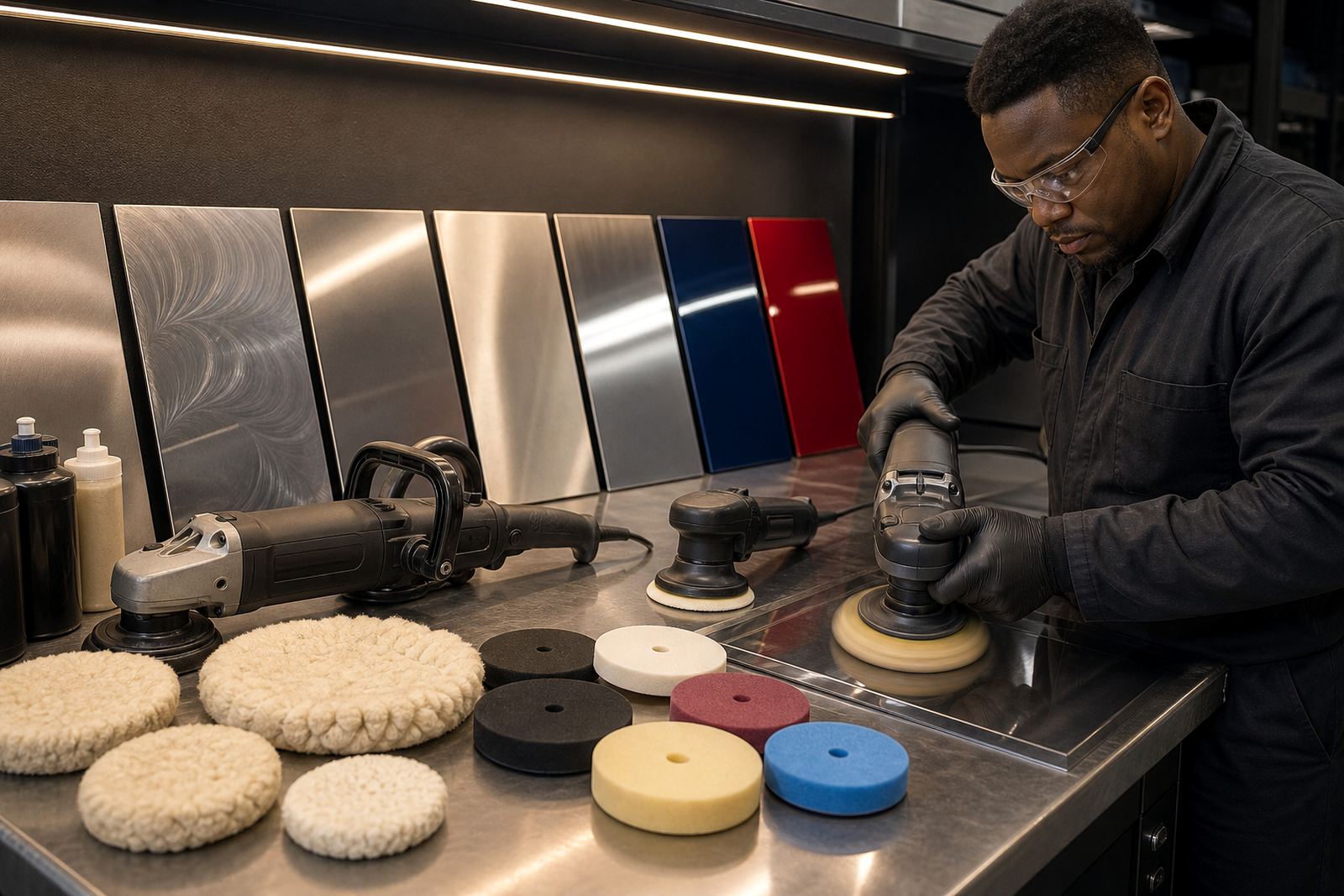
Rotary Vs DA

Rotary Vs DA

A plain-language comparison of rotary and dual-action polishers for different correction and finishing tasks.

Choose First Polisher

Choose First Polisher

What beginners should consider when selecting a first machine for paint or metal polishing work.

What Compound Does

What Compound Does

An overview of how compounds cut, refine and support gloss during staged polishing processes.

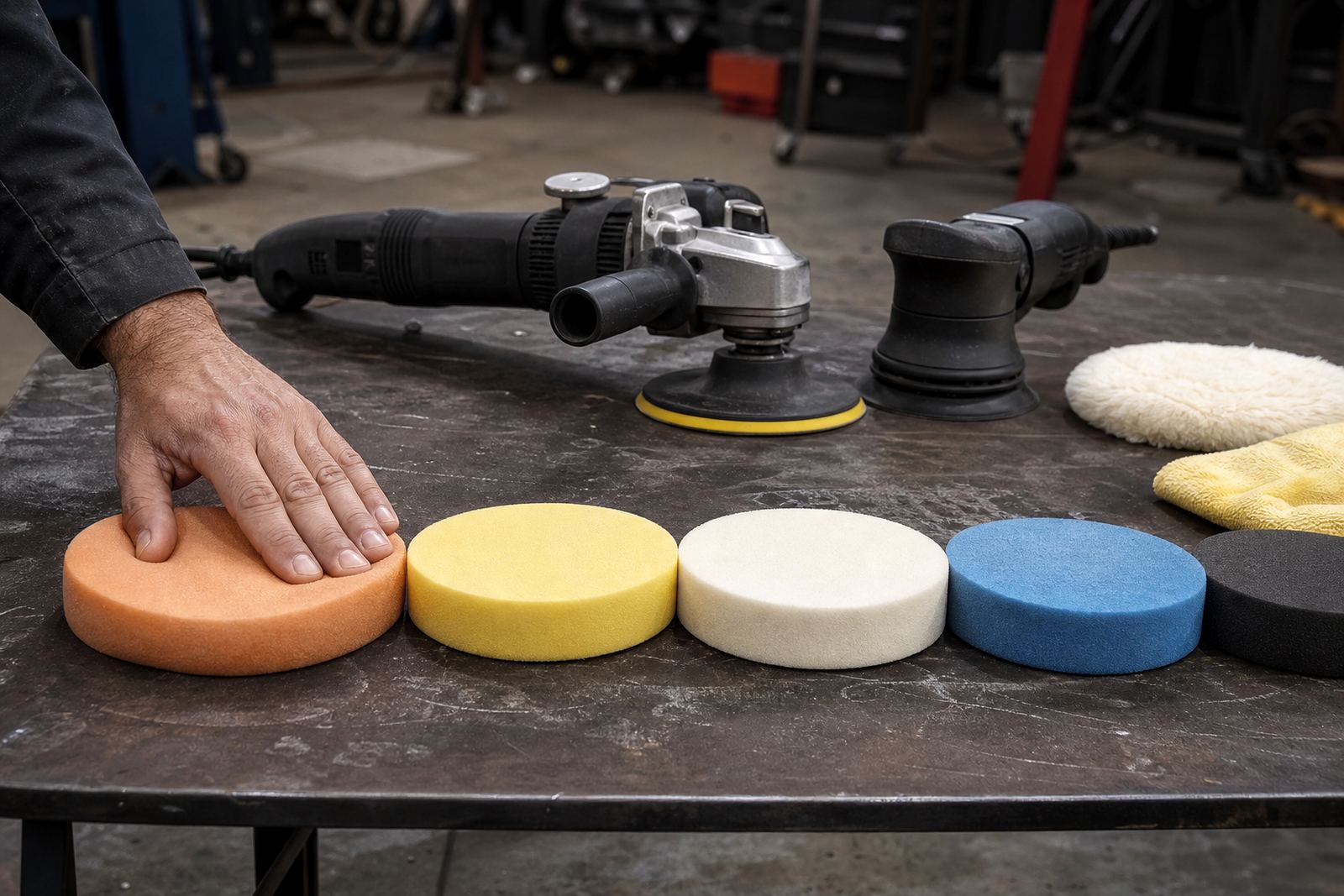
Pad Density Explained

Pad Density Explained

How firmer and softer pads affect cut level, heat and final finish on polished surfaces.

Wool Or Foam

Wool Or Foam

A guide to when wool and foam pads are often used in correction and finishing workflows.

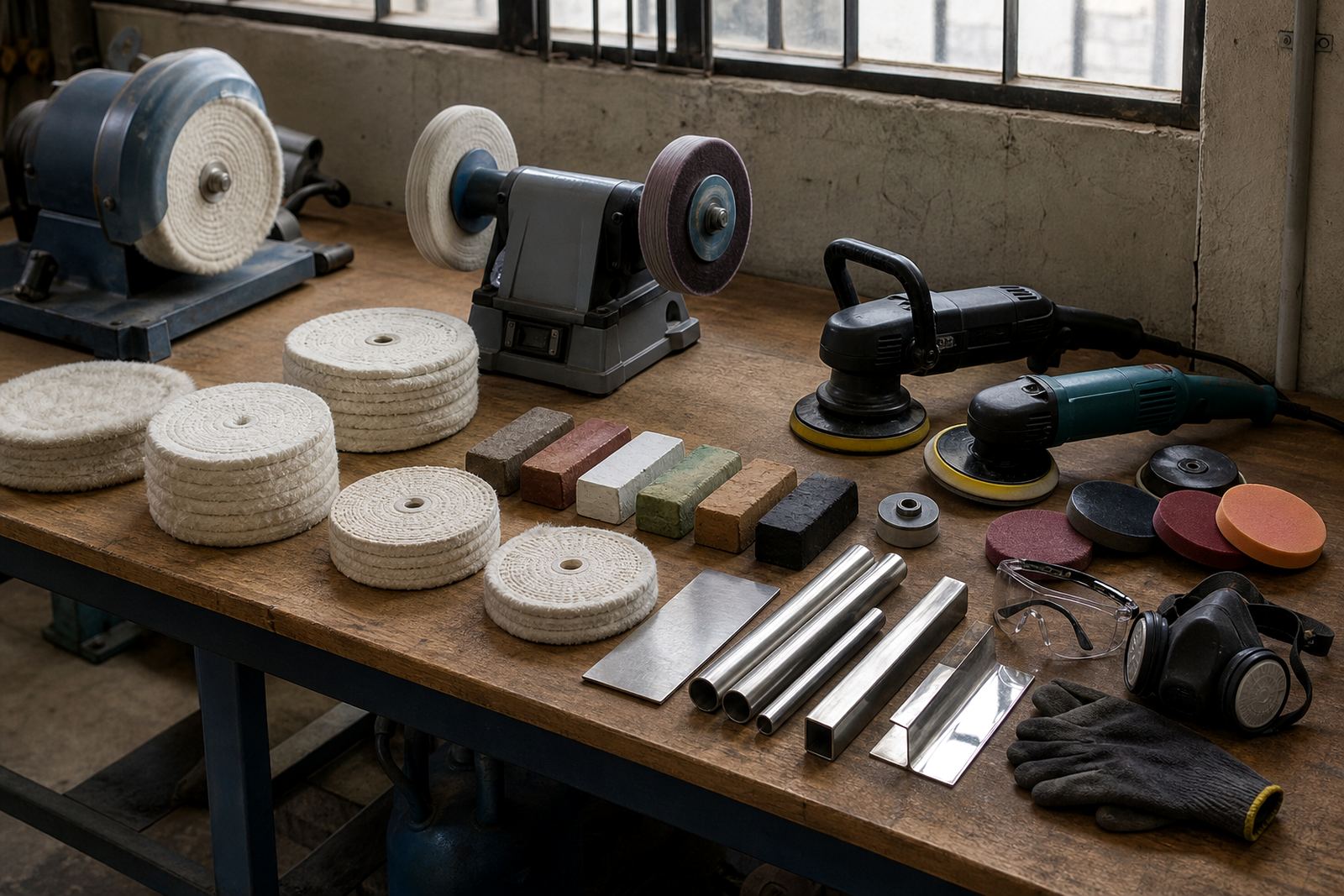
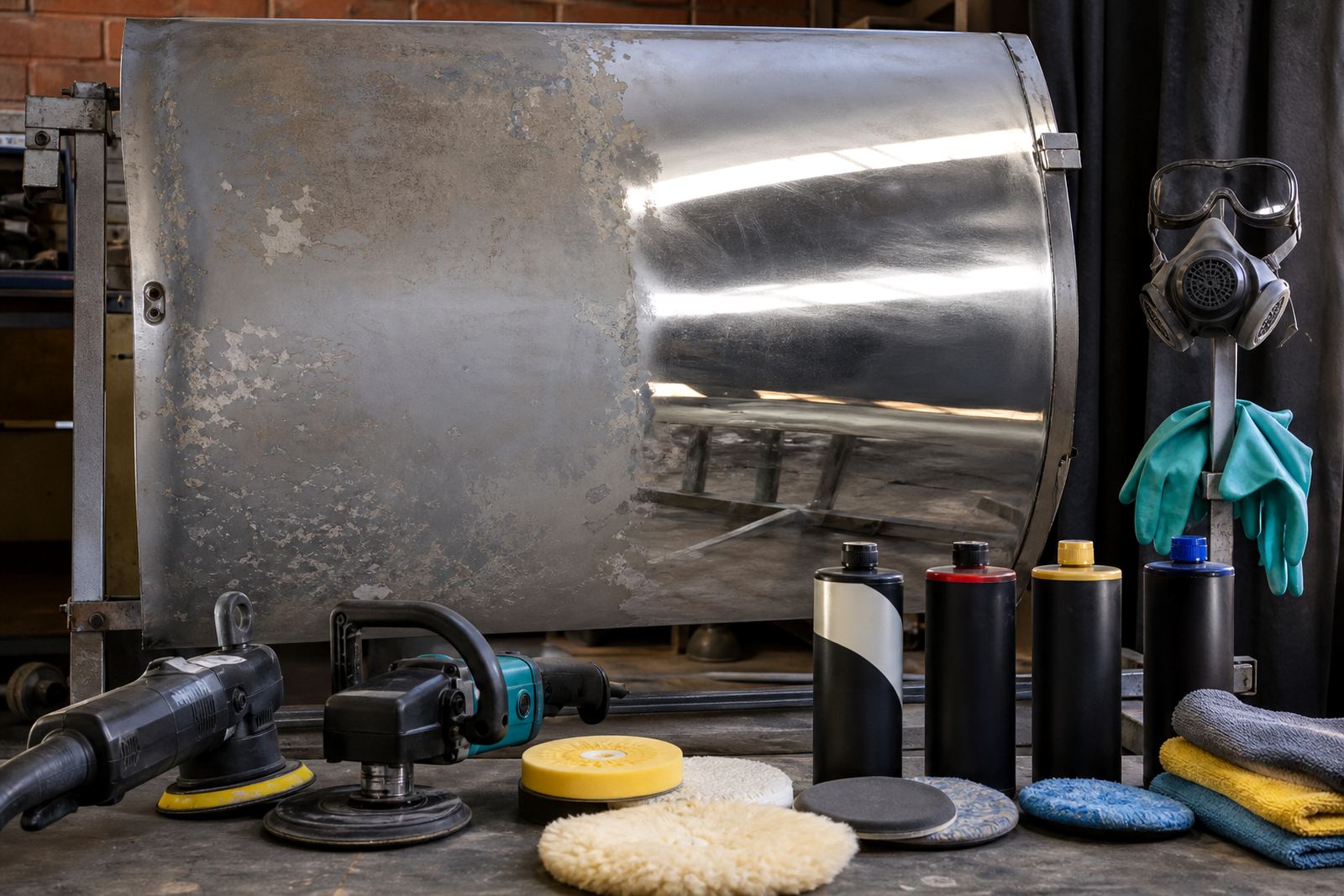
Metal Buff Basics

Metal Buff Basics

An introduction to buff wheels, compound stages and surface preparation for common metal jobs.

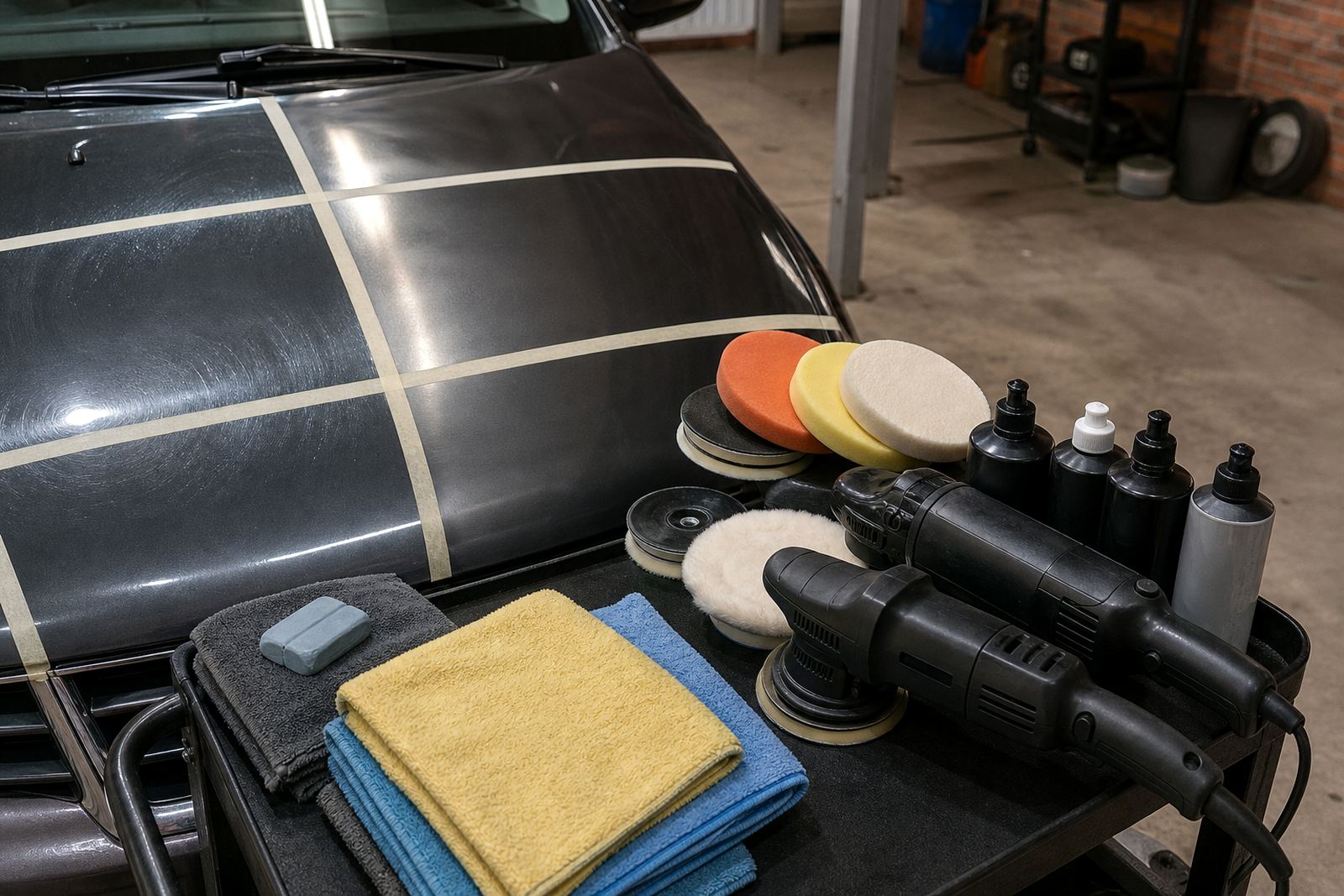
Paint Polish Basics

Paint Polish Basics

The basic steps of washing, decontamination, test spotting and polishing painted vehicle surfaces.

Avoid Burn Through

Avoid Burn Through

Simple habits that help reduce the risk of excessive heat and damage during machine polishing.

Dust Control Tips

Dust Control Tips

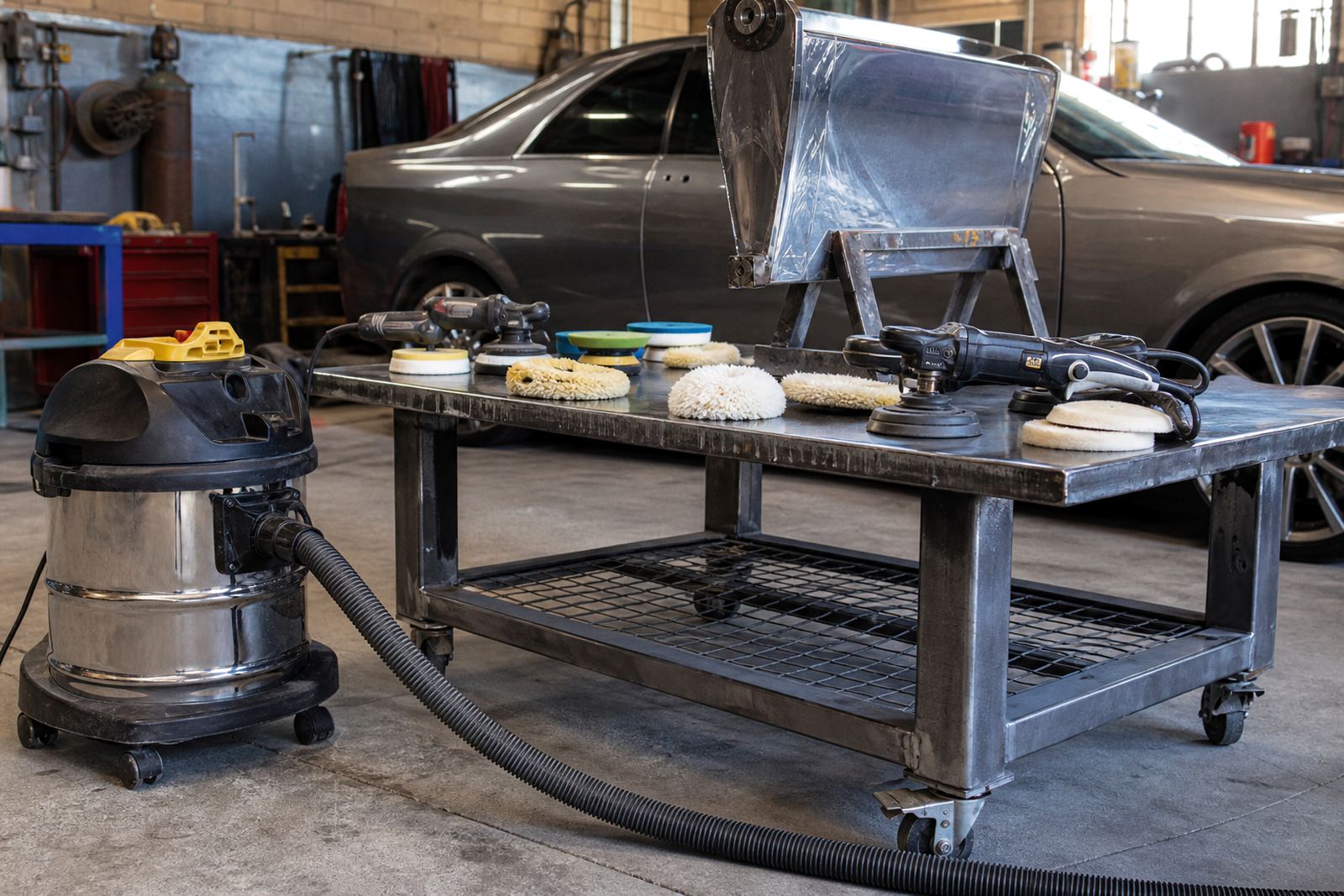
Ways to manage polishing dust and residue using cleaner methods, extraction and regular housekeeping.

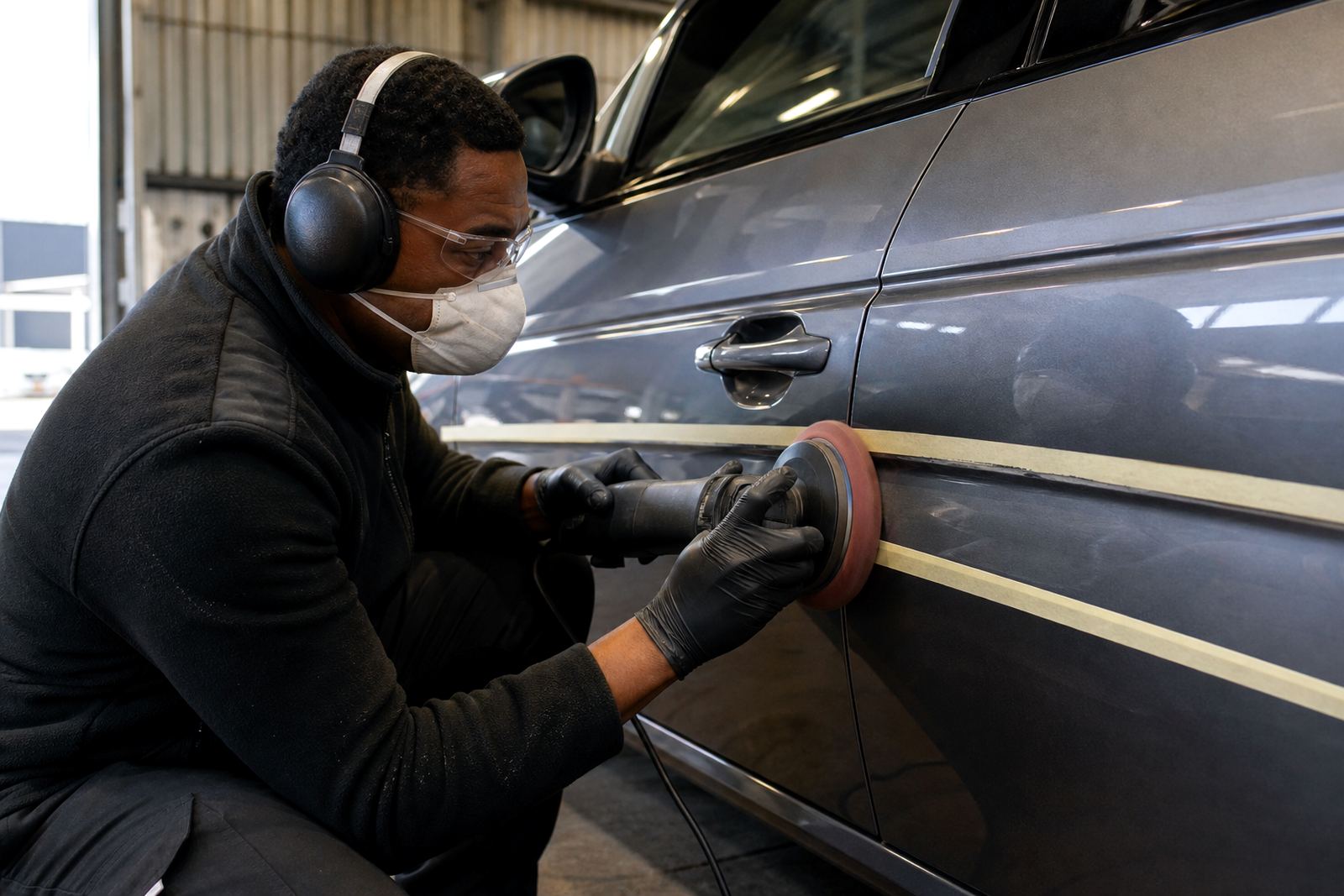
PPE For Polishing

PPE For Polishing

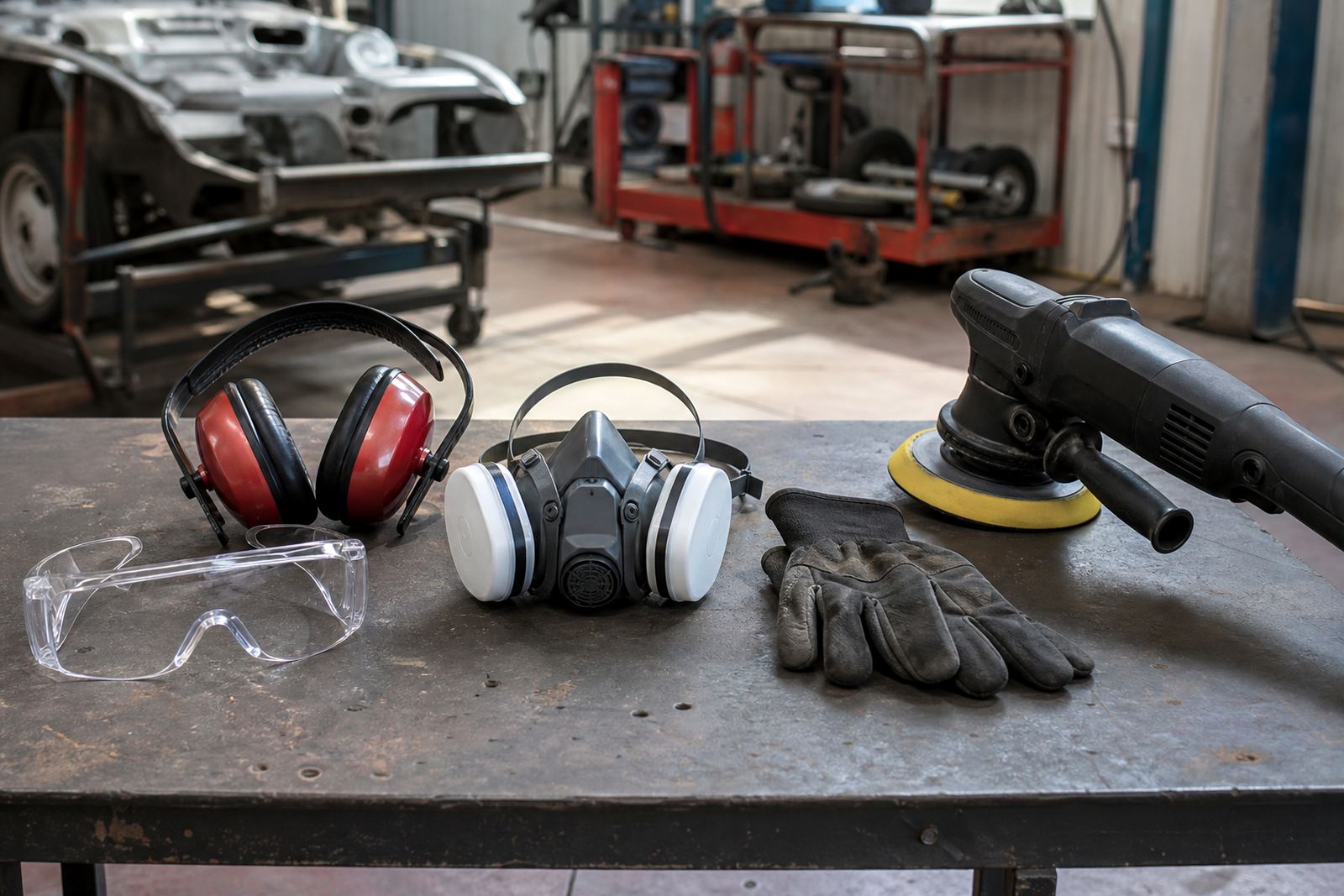
Why eye, hearing and respiratory protection matter during machine polishing and metal buffing work.

Clean Pads Properly

Clean Pads Properly

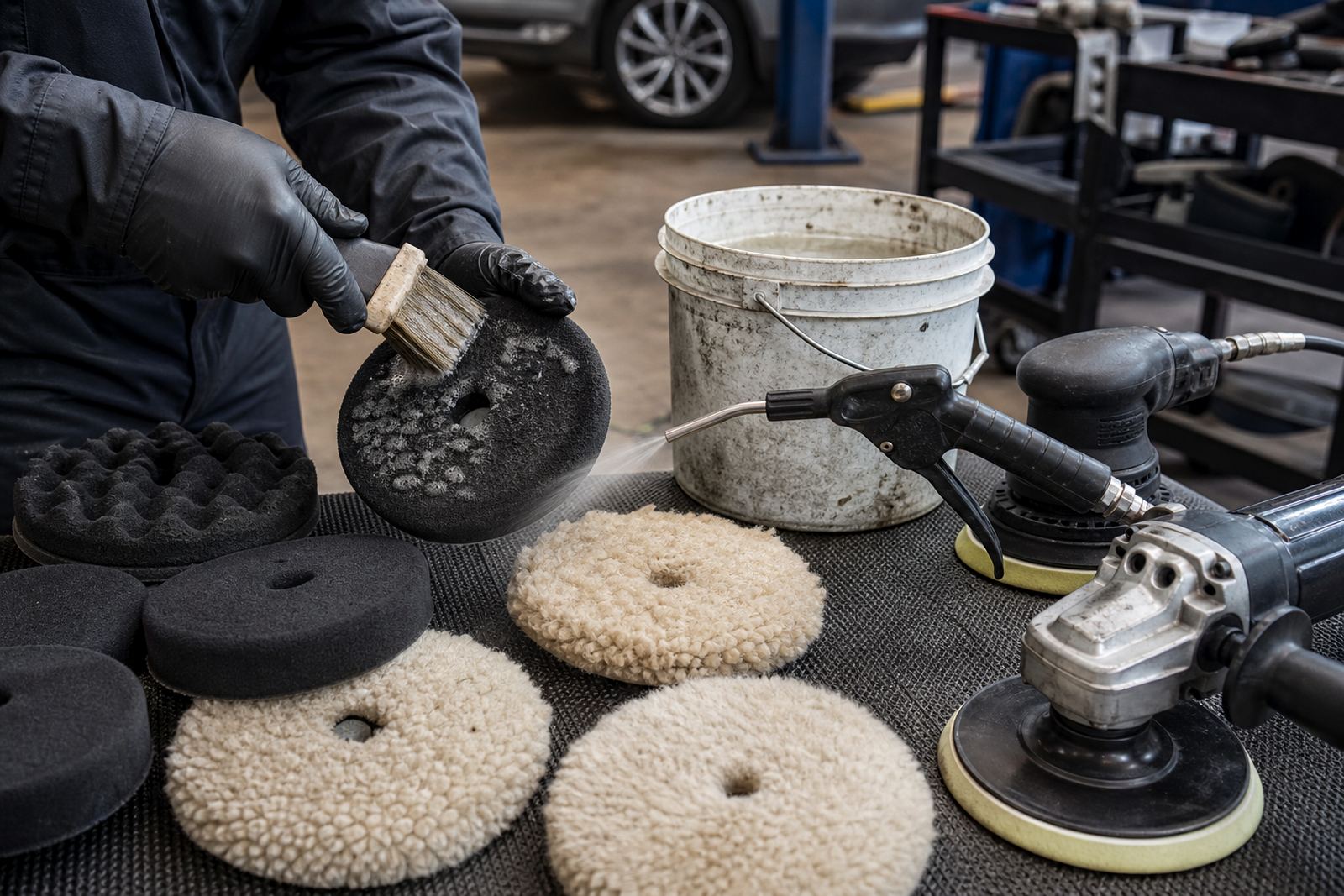
Pad cleaning habits that help maintain cut consistency and reduce marring from spent residue.

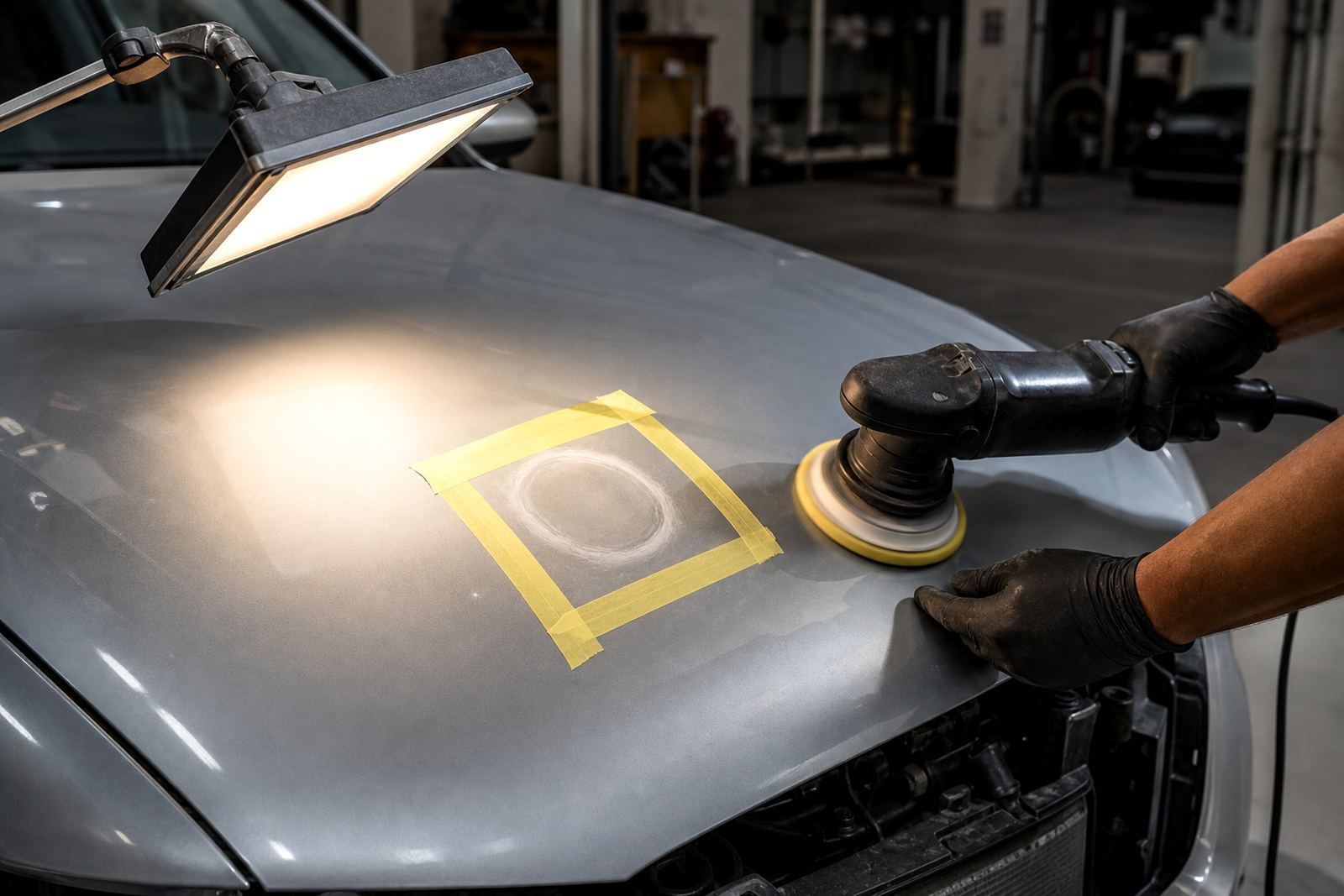
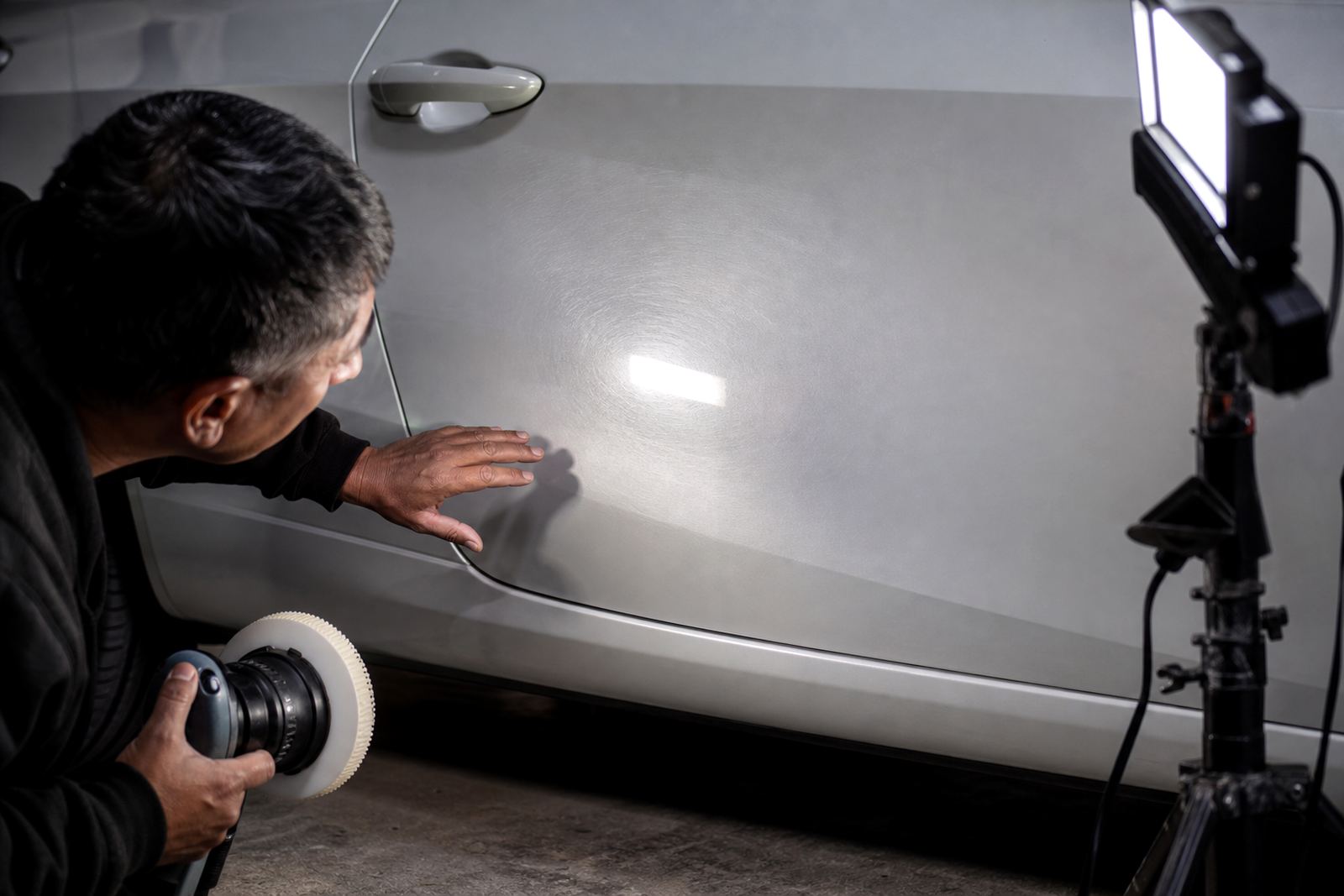
Inspect Under Light

Inspect Under Light

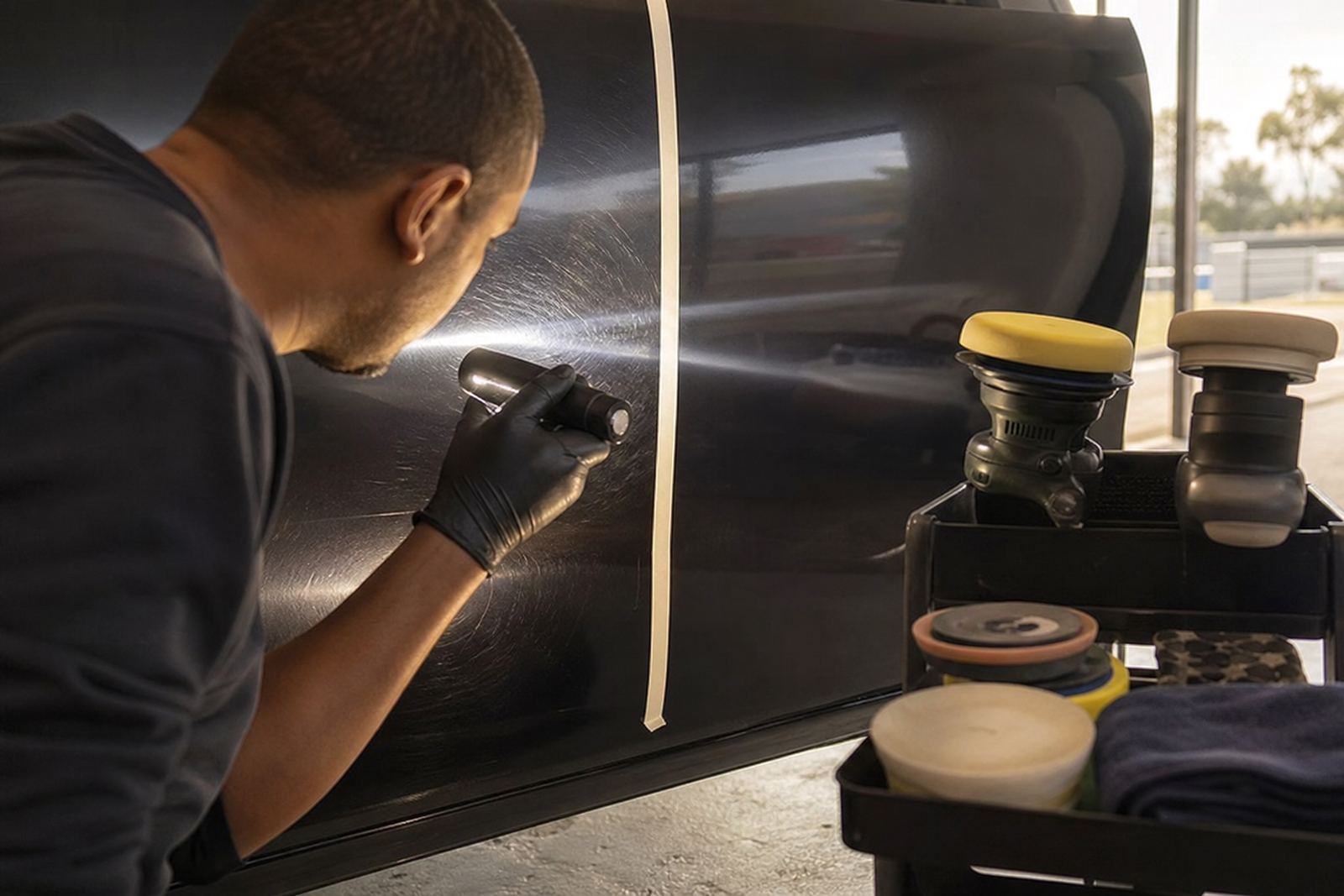
How proper lighting reveals swirls, haze and missed defects that normal room light can hide.

Working Section Size

Working Section Size

Why smaller controlled polishing sections often improve results, consistency and machine control.

Machine Speed Basics

Machine Speed Basics

Understanding speed settings and how they influence correction rate, residue behaviour and finish quality.

Pressure And Pass Count

Pressure And Pass Count

A look at how pressure and polishing pass count affect defect removal and final clarity.

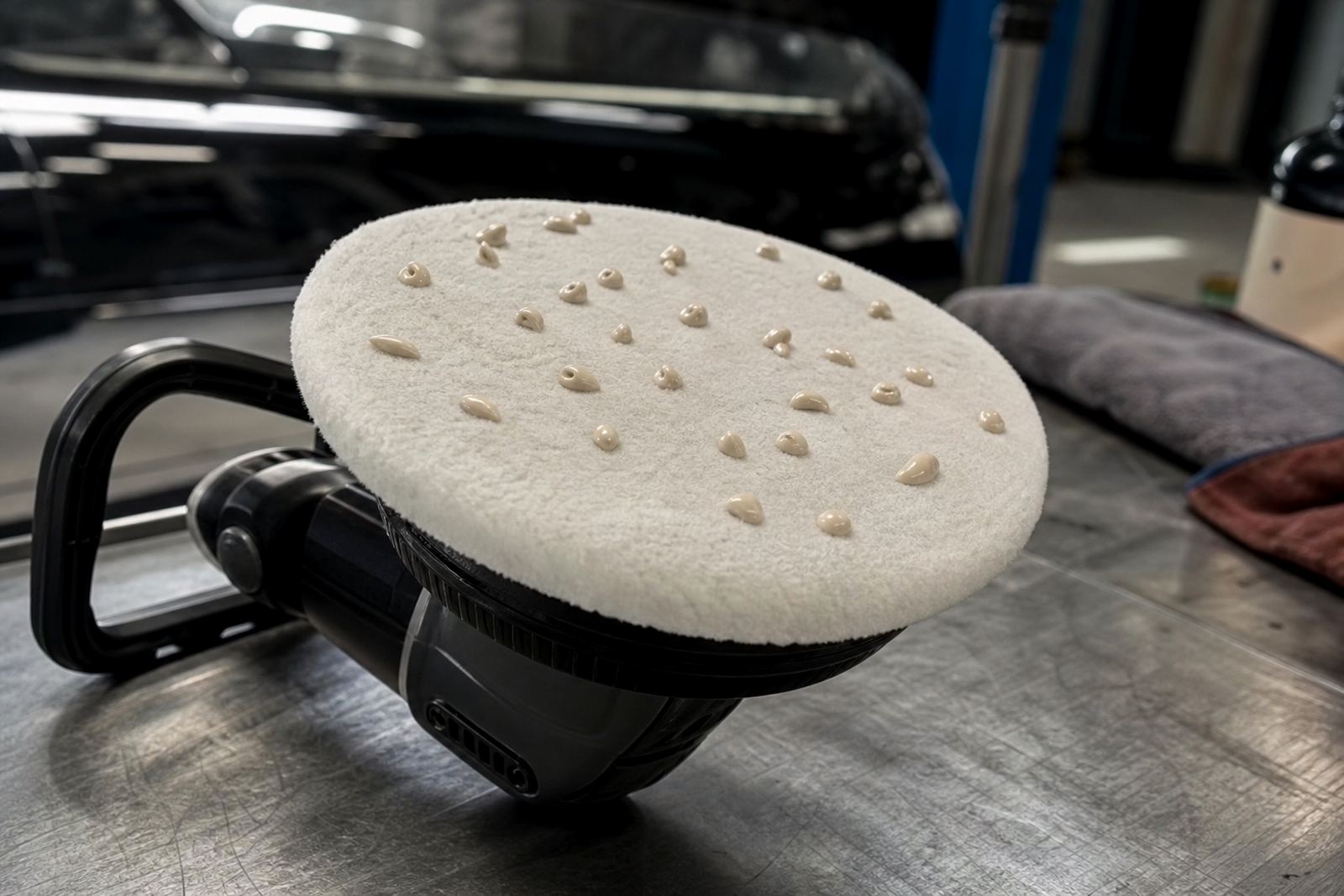
Pad Priming Guide

Pad Priming Guide

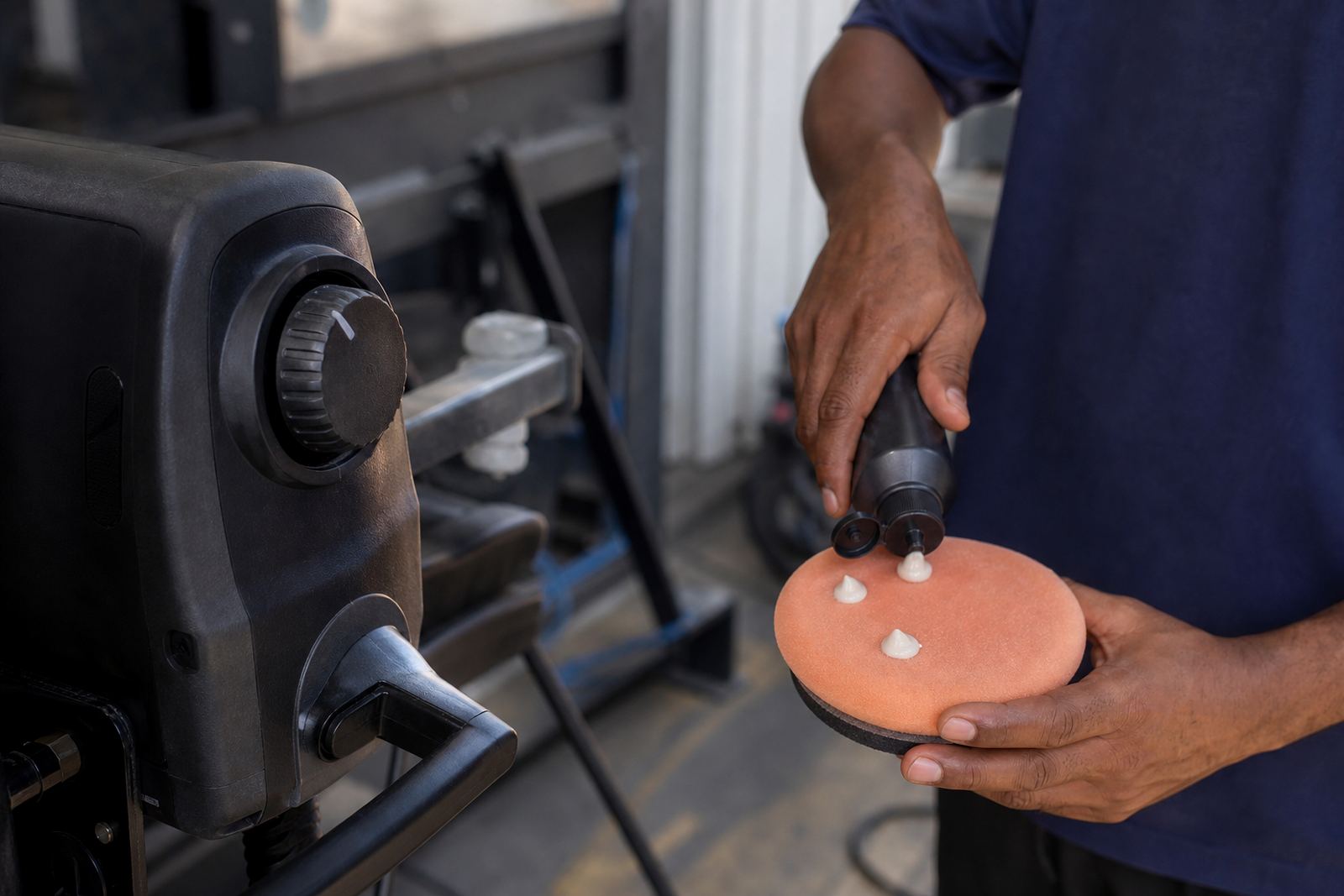
How initial pad preparation helps spread product evenly and reduce dry buffing behaviour.

Test Spot Value

Test Spot Value

Why test spots help confirm the right pad and compound combination before full-job polishing begins.

Remove Oxidation Safely

Remove Oxidation Safely

General methods for tackling oxidised paint or metal while monitoring heat and residue build-up.

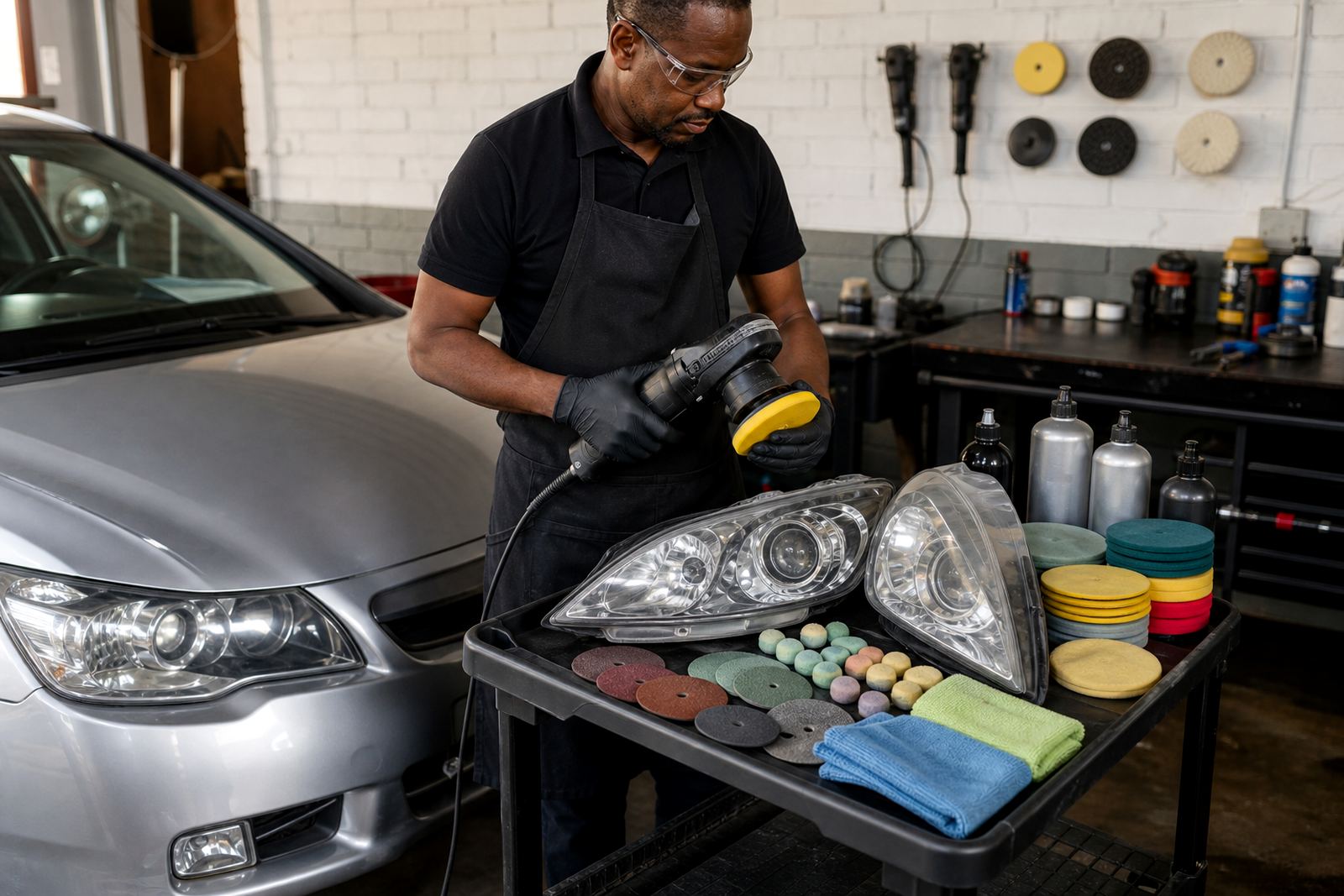
Headlight Polishing Steps

Headlight Polishing Steps

A generic overview of preparation and polishing stages used to improve weathered headlight lenses.

Aluminium Finish Guide

Aluminium Finish Guide

A practical article on typical aluminium polishing stages and why surface cleanliness matters.

Stainless Finish Guide

Stainless Finish Guide

General pointers for improving stainless steel appearance with suitable buffing and residue control.

Brass Polishing Notes

Brass Polishing Notes

Common polishing considerations for brass pieces where warmth of shine and scratch reduction matter.

Rim Polishing Overview

Rim Polishing Overview

A broad look at wheel polishing tasks, access challenges and careful work around edges.

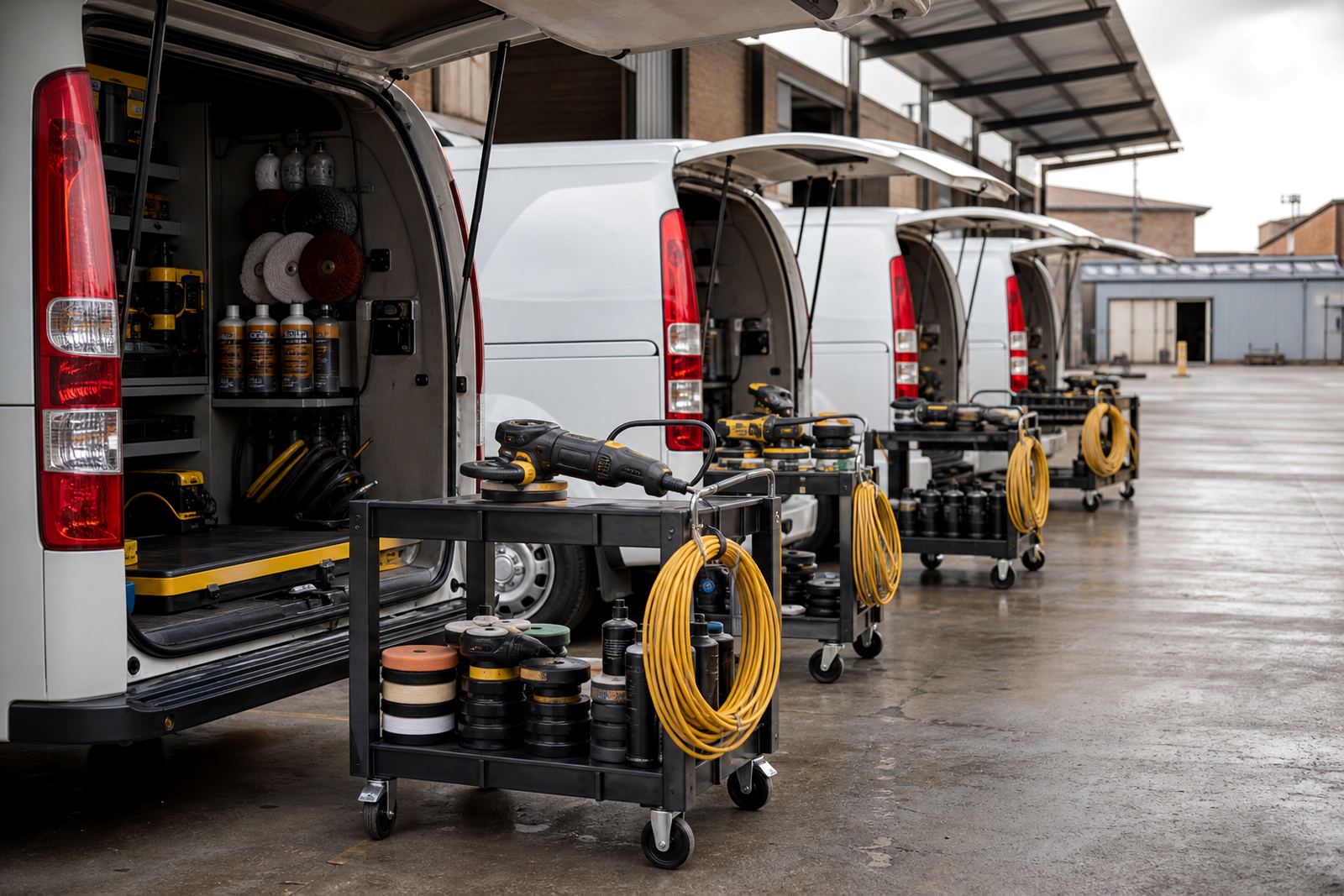
Fleet Polishing Workflow

Fleet Polishing Workflow

Ideas for setting up efficient repeatable polishing sequences across multiple vehicles in one batch.

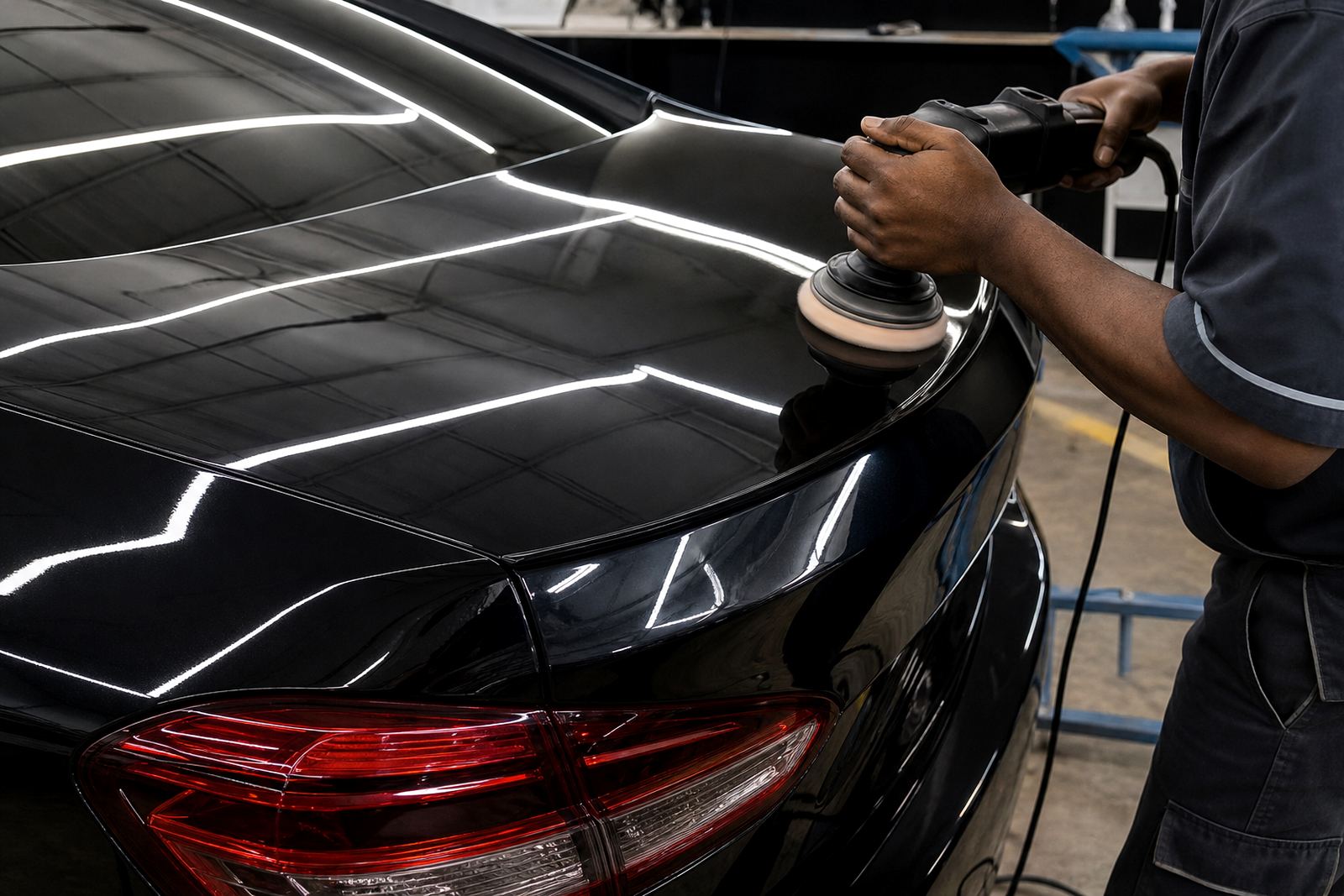
Dark Paint Finishing

Dark Paint Finishing

Why darker paint often shows haze more easily and benefits from careful final polishing choices.

Light Paint Correction

Light Paint Correction

Correction considerations on lighter colours where defects can hide until viewed in stronger light.

Edge Work Care

Edge Work Care

Important precautions when polishing around edges, raised lines and tight panel shapes.

Cord Management Tips

Cord Management Tips

Simple cord handling habits that help keep machine polishing safer and surfaces cleaner.

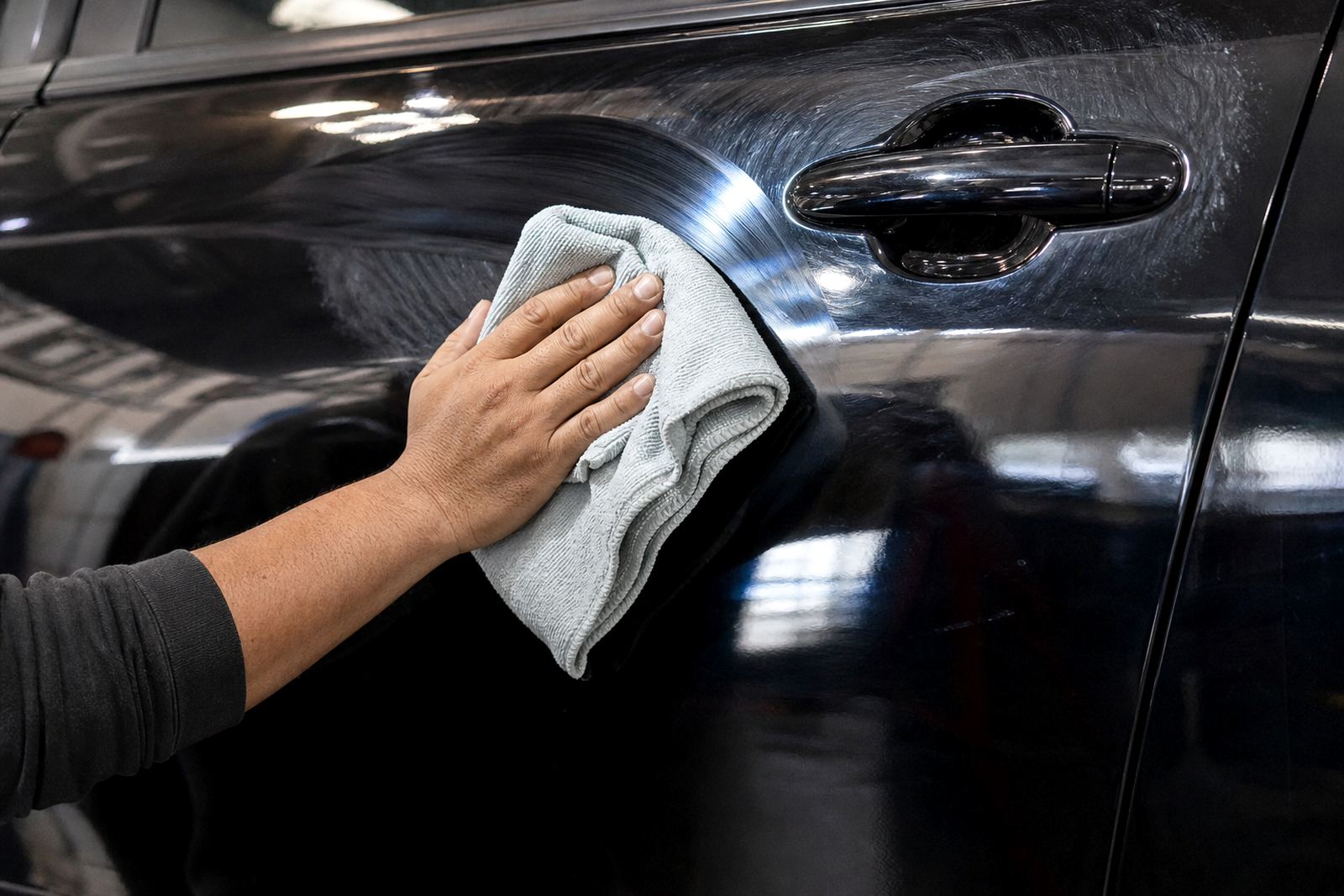
Residue Wipe Technique

Residue Wipe Technique

How gentle cloth handling and timing can improve wipe-off and reduce re-marring.

When To Change Pads

When To Change Pads

Signs that a polishing pad is overloaded, worn or no longer delivering consistent performance.

Starter Kit Checklist

Starter Kit Checklist

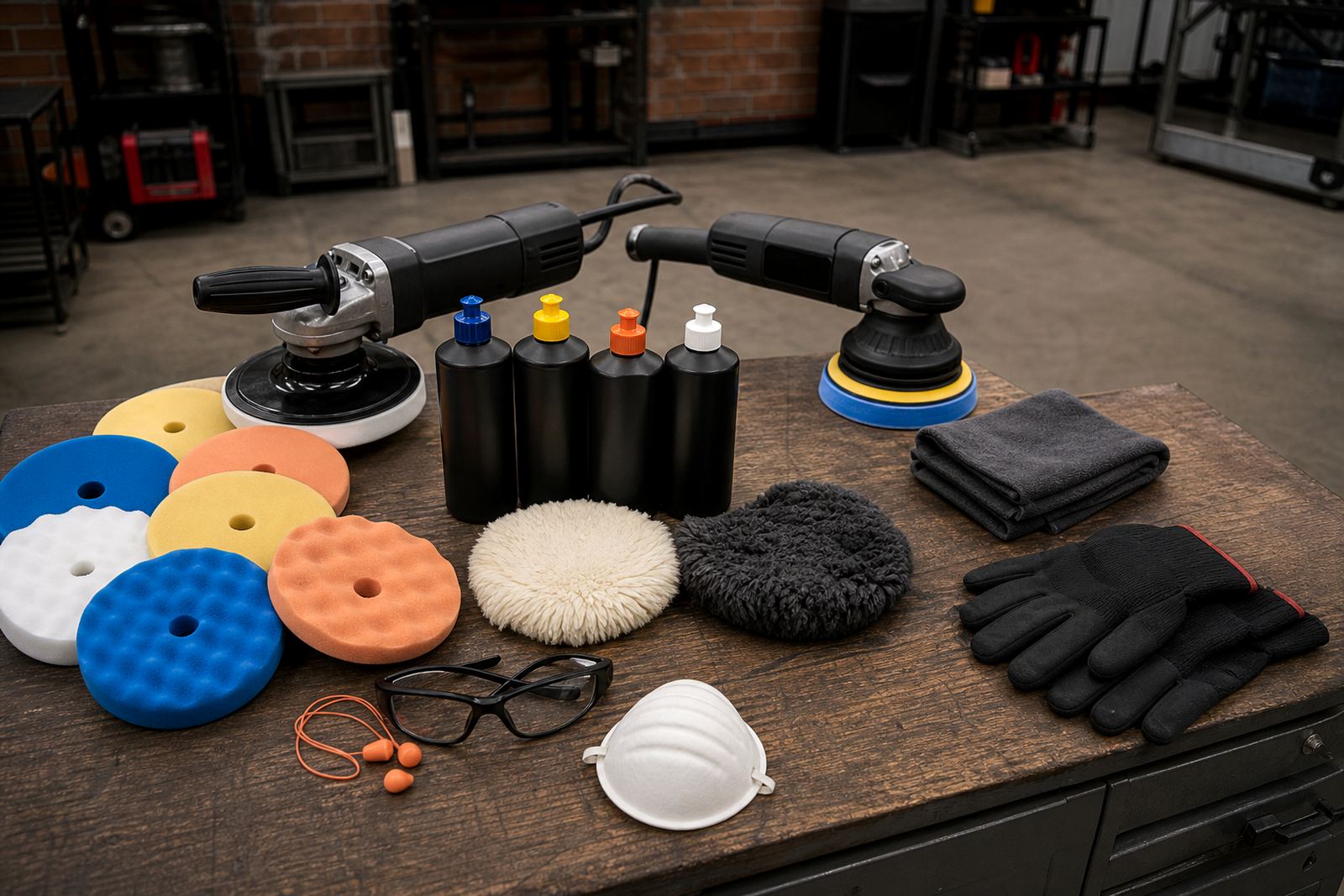
A simple list of machine polishing essentials for beginners starting paint or metal finishing work.

Workshop Lighting Ideas

Workshop Lighting Ideas

Why lighting choice affects defect detection, finish checks and cleaner polishing decisions.

Noise And Hearing

Noise And Hearing

An article on workshop noise, buffing machines and sensible hearing protection habits.

What You Will Find in the Shine Journal

The Shine Journal brings together plain advice on rotary polishers, dual-action machines, buffs, compounds and finishing methods for metal and paint. If you are working on a bakkie in Germiston, restoring alloy parts in Pretoria or polishing panels for a client in Cape Town, the right method matters just as much as the right machine.

Each article is written to help you choose with confidence. We cover how cutting, polishing and finishing stages differ, when to use wool or foam, and how to avoid common marks like haze, swirls and heat damage. You will also find notes on workshop order, dust control and safe handling, because a good finish starts before the machine is switched on.

Choosing Between Rotary and Dual-Action Polishers

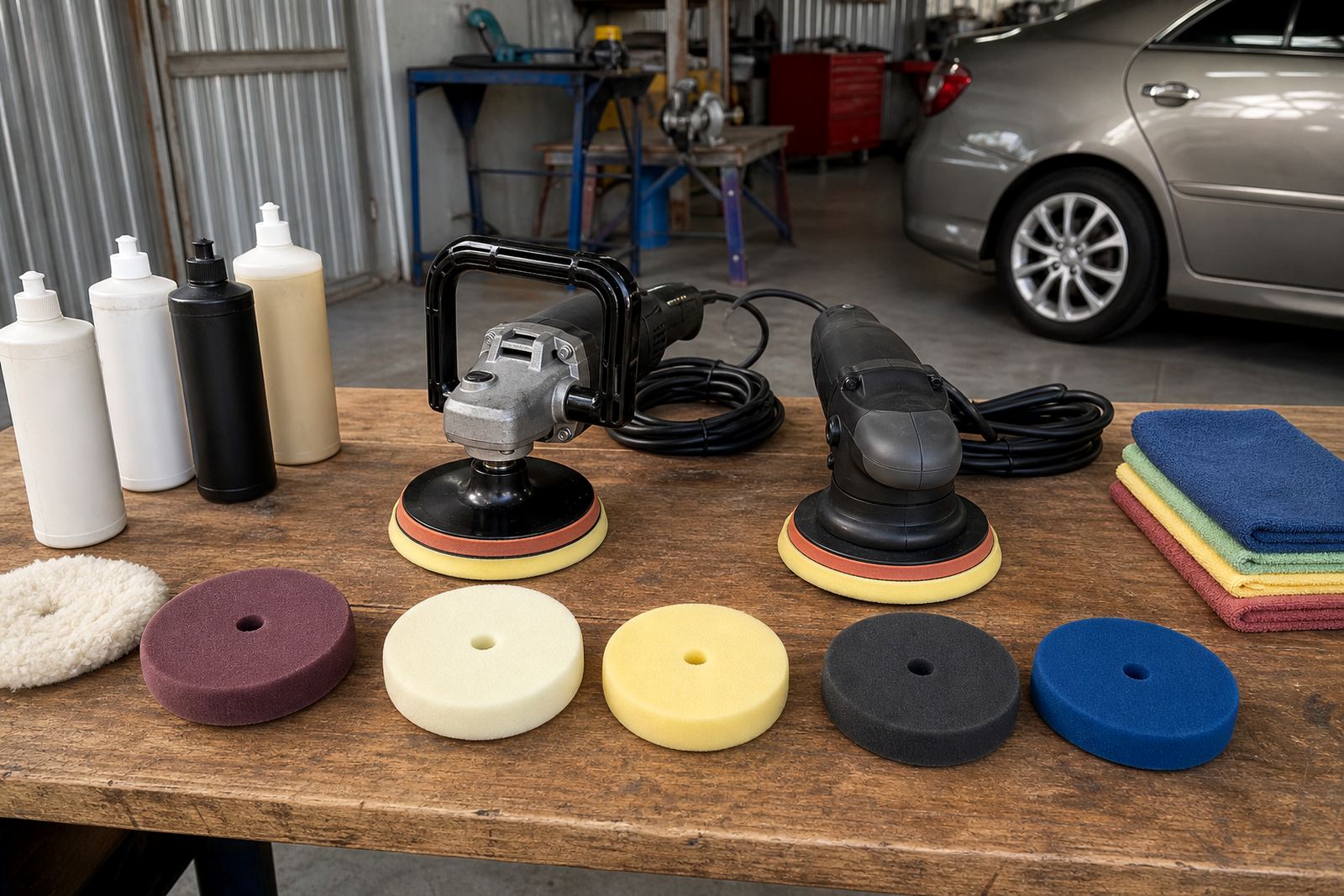
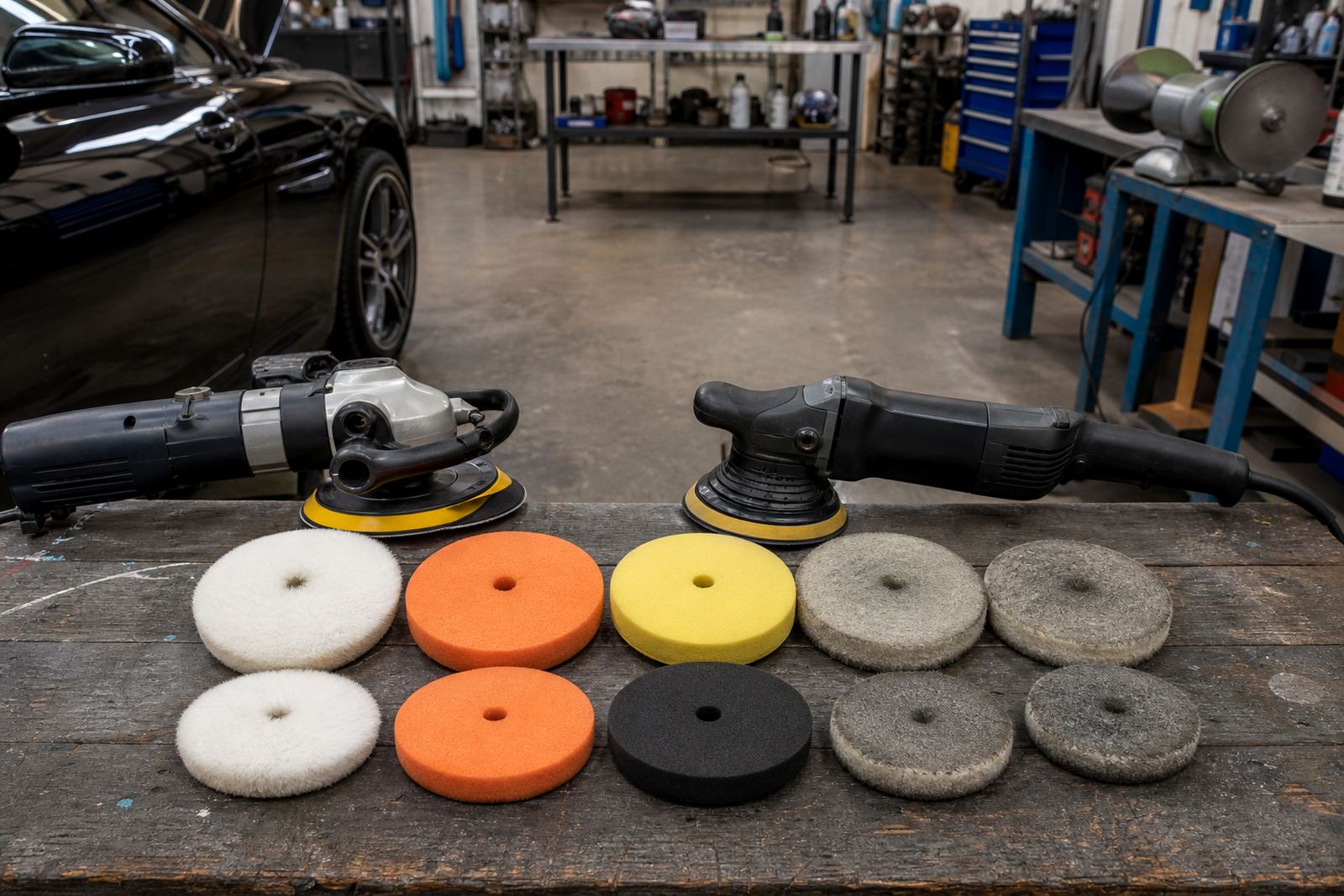
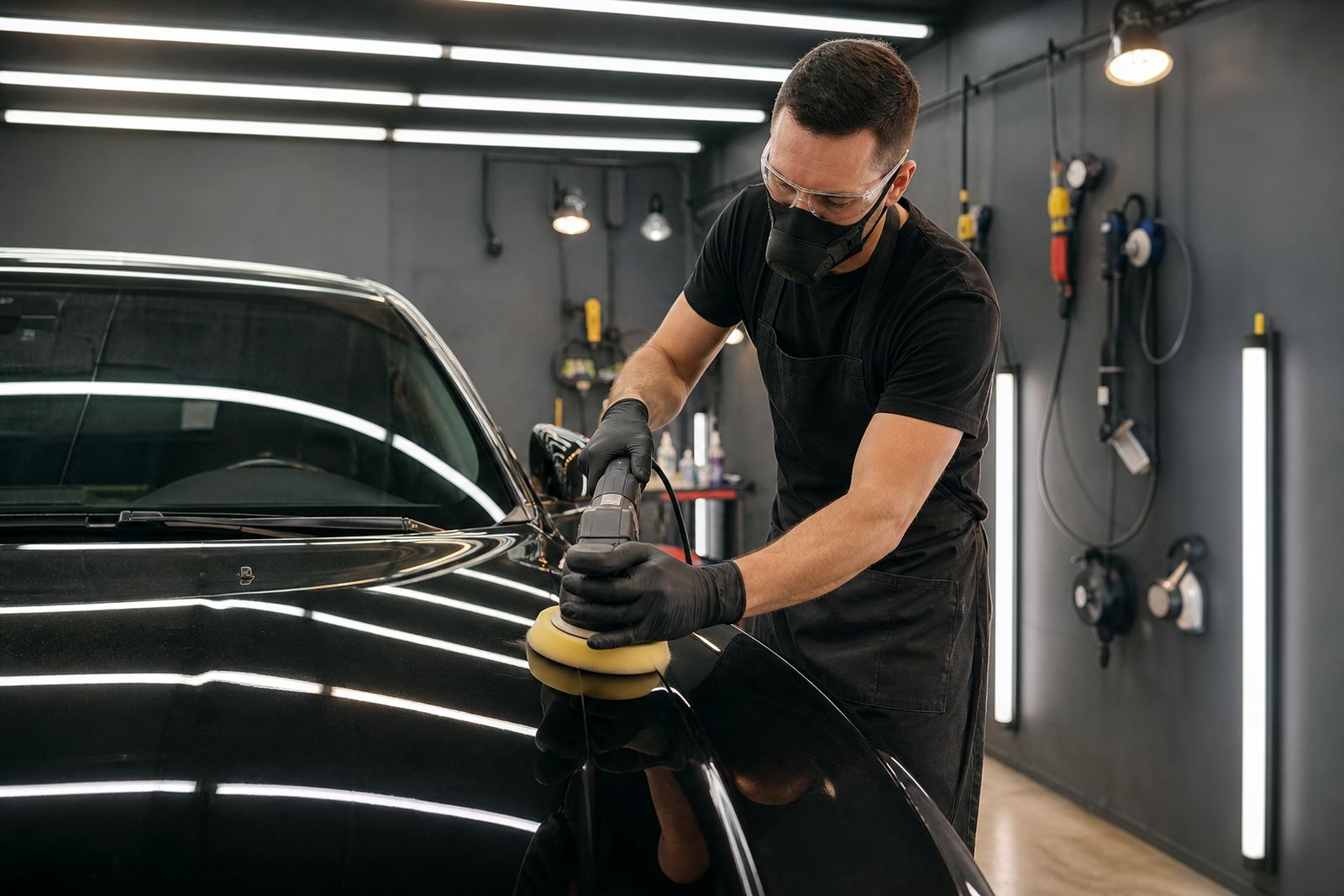
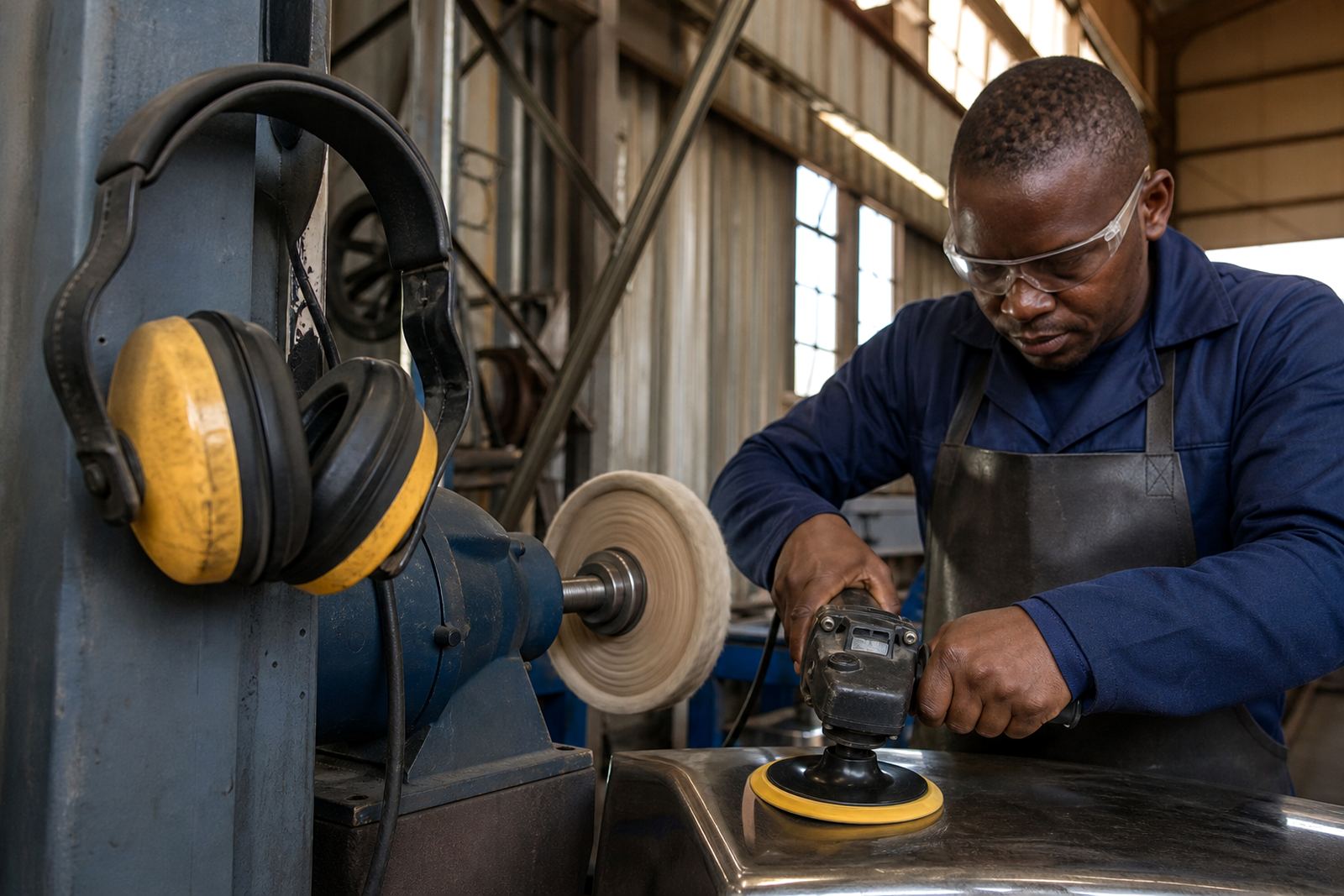
Rotary polishers turn on a single axis and move fast, which makes them useful for heavier correction and metal work. Dual-action machines move in two motions and are often easier to control, especially for beginners or for final finishing on paint. The choice depends on the material, the defect and the level of correction needed.

  • Use rotary machines where you need stronger cut and careful heat control.
  • Use dual-action machines for safer correction, finishing and lighter work.
  • Match pad type, compound and speed to the surface, not just the machine.
  • Work in smaller sections so you can inspect the result before moving on.

In South Africa, heat and dust can change how products behave, especially in open workshops or on windy days. Keep pads clean, check the surface often and do not rush the process.

Compounds, Pads and Buffs Explained Clearly

Compound selection is not guesswork. Coarser compounds remove heavier marks and oxidation, while finer products refine the finish and bring up clarity. Buffs and pads then carry that product onto the surface, so the texture of the pad matters almost as much as the liquid or paste itself.

For metal, the goal is often to remove dullness and bring back a bright, even surface. For paint, the aim is usually to remove defects without damaging the clear coat. A pad that suits one stage may be wrong for another, so many jobs need more than one combination. The article library helps you compare options before you buy and avoid wasting material, time and effort.

Technique Notes for Metal and Paint Finishing

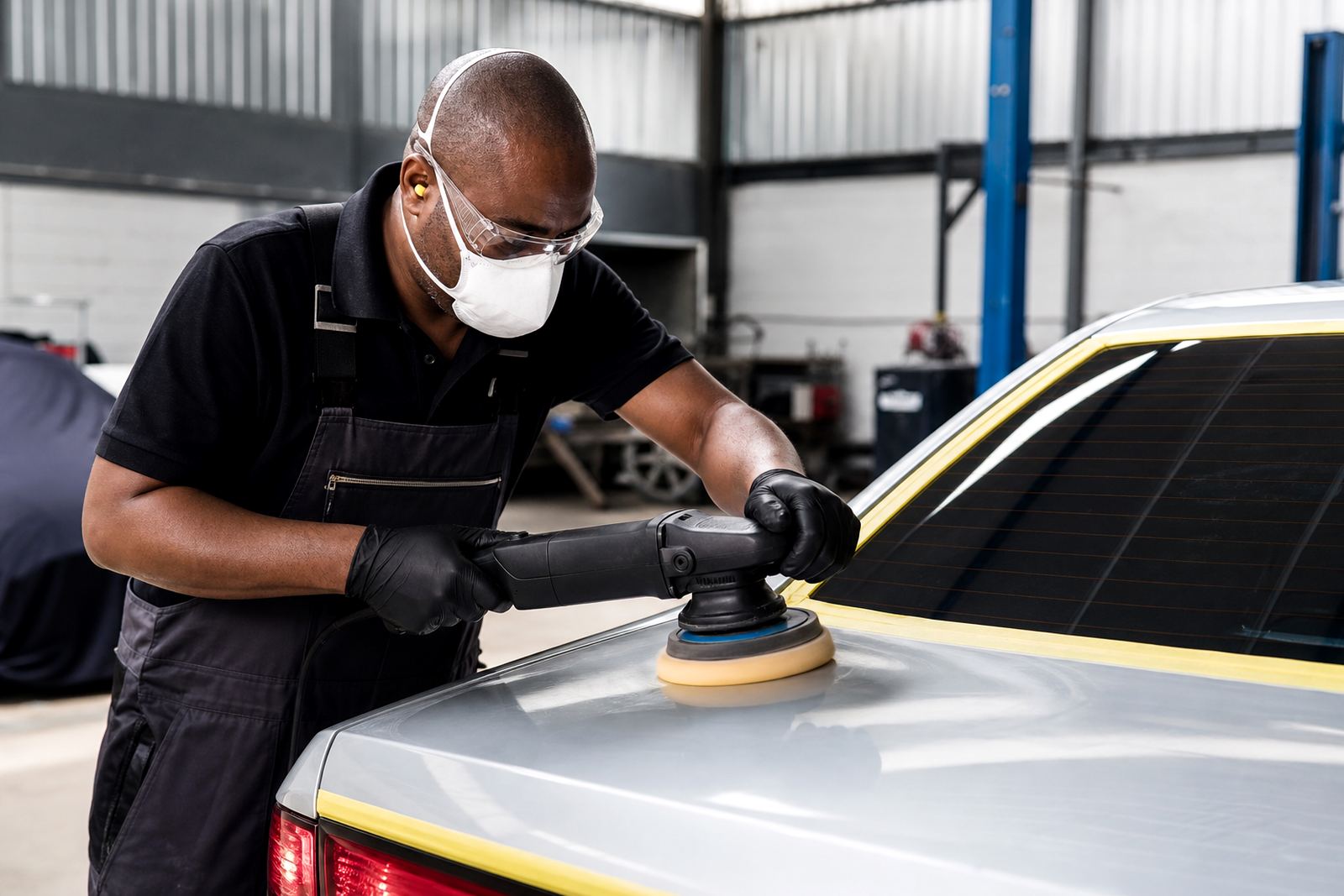
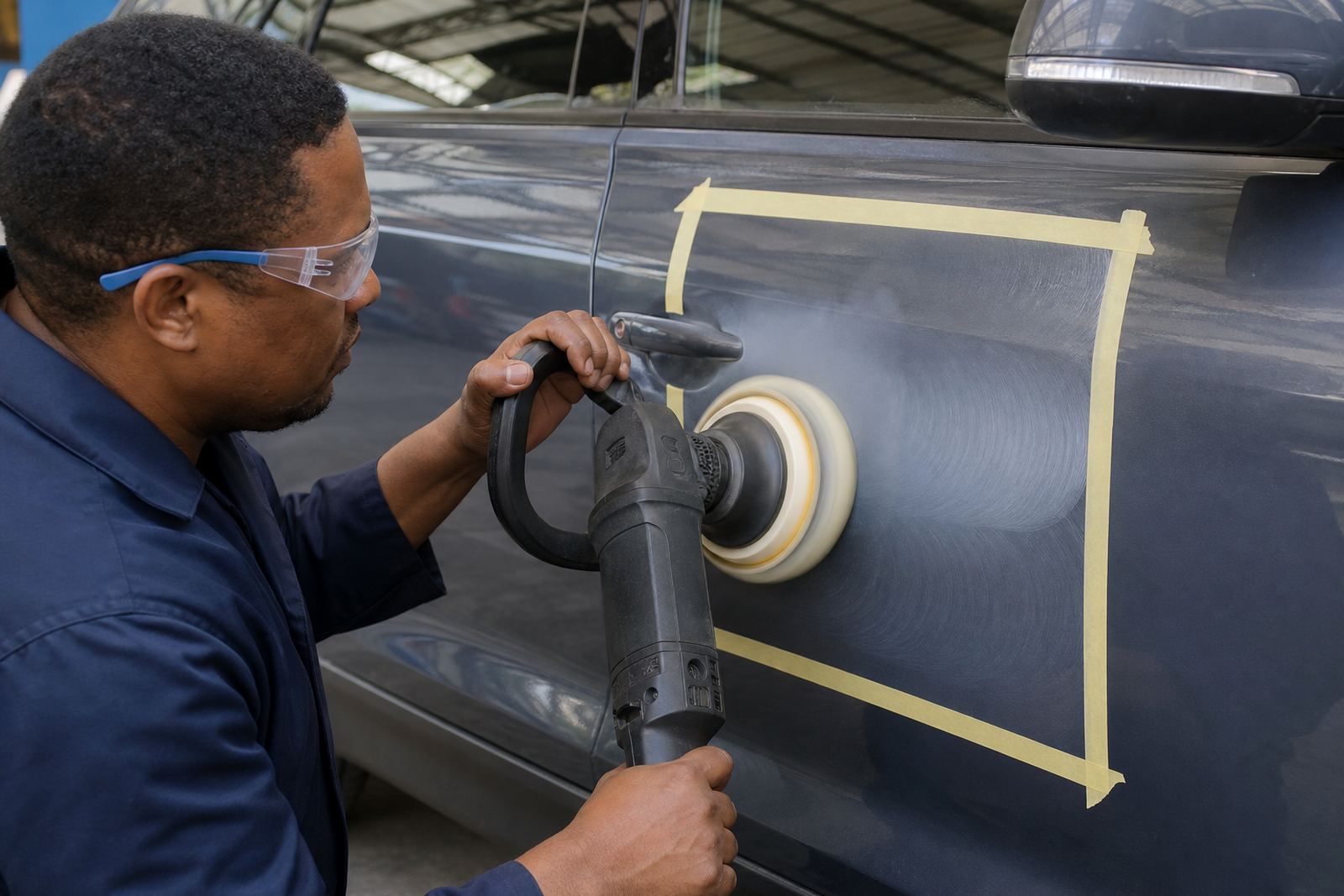
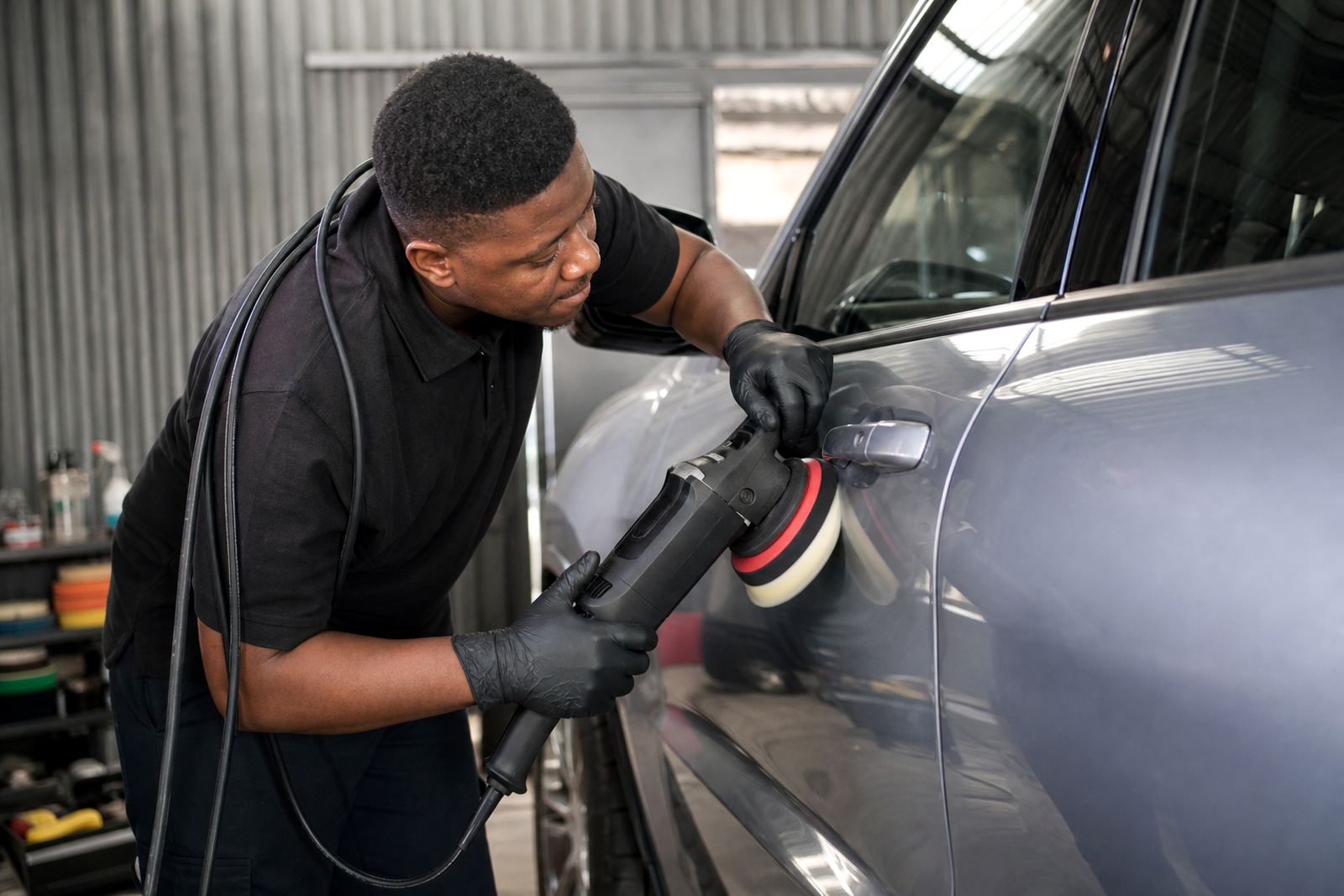
Good technique starts with clean panels, the correct pad and a controlled pace. Keep the machine flat on the surface, overlap your passes and work in manageable sections. If the machine starts to grab or the panel runs hot, stop and reassess. That simple habit can save a lot of rework and avoided damage.

For metal, the job may include removing tarnish, oxidation or fine sanding marks before the final shine is reached. For paint, the focus is usually on levelling light defects and improving gloss without burning through the top layer. A little patience goes a long way, especially when humidity is high in coastal areas or when a workshop has poor airflow.

Workshop Safety, PPE and Dust Control

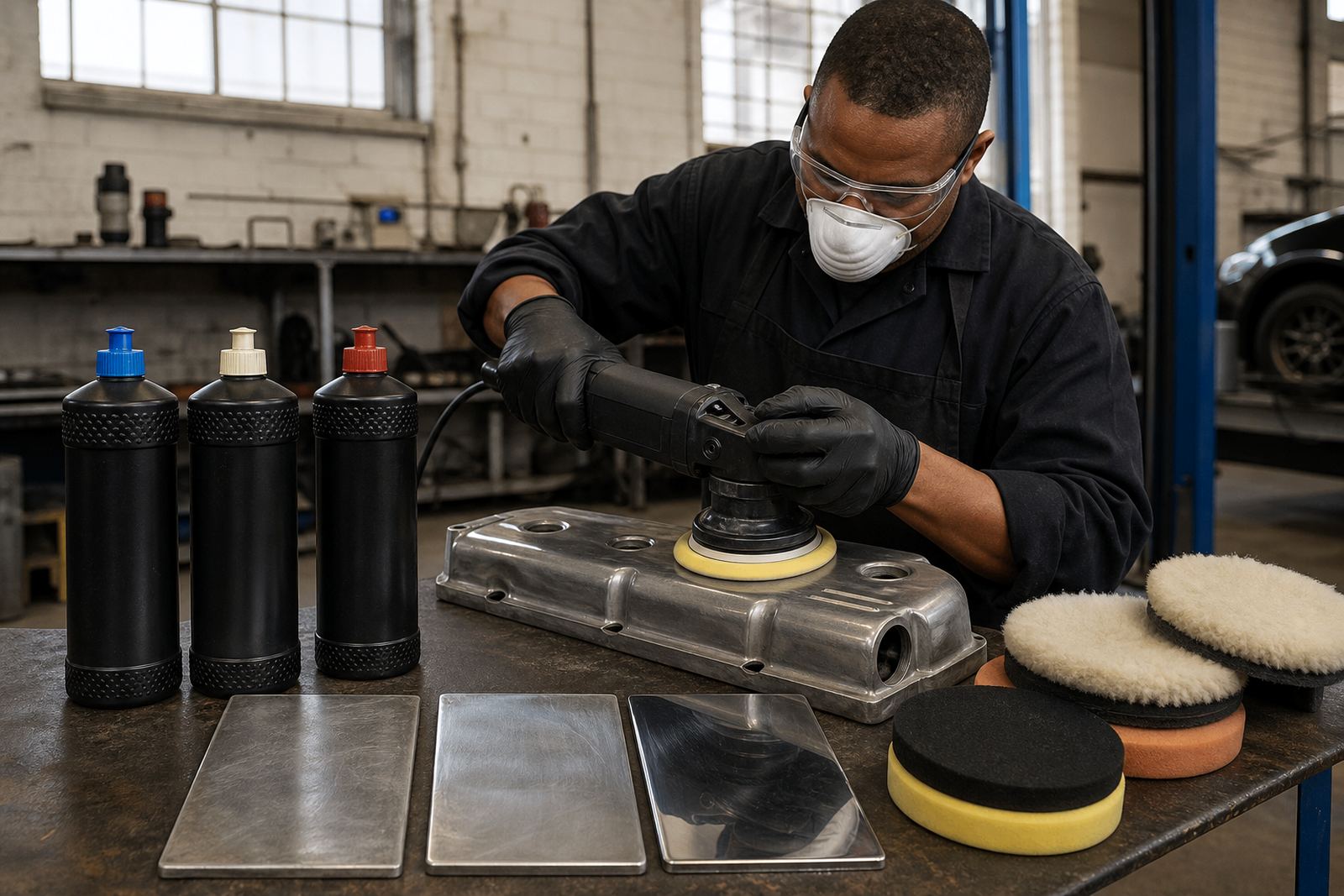
Polishing creates fine residue, sling and airborne dust, so safe work matters. Wear eye protection, a suitable mask or respirator for the task, and gloves where needed. Keep loose clothing, cords and polishing pads under control, and never work on a surface that has grit or loose contamination still on it.

  • Use extraction or good ventilation when polishing indoors.
  • Keep flammables away from sparks, hot panels and electrical equipment.
  • Inspect power leads and machine housings before each session.
  • Clean spills and dust promptly to reduce slip and fire risk.

Training, Starter Kits and Support for Real Jobs

Some people need a first step before they take on a bonnet, bumper, wheel or stainless panel. Others want help choosing a starter kit that suits their work. The journal supports both groups by explaining the basics in clear language, with practical pointers that can be applied in a home garage or a busy trade workshop.

We also cover how to keep machines in service, when to replace consumables and how to set up a simple polishing area that is easier to keep clean. Our team in Germiston supports enquiries from Johannesburg, Pretoria, Cape Town, Durban, Bloemfontein and surrounding areas, with advice that fits local conditions and real workshop needs.

Polishing questions

How do I know whether to choose a rotary or dual-action polisher?

Use a rotary machine for stronger correction and metal work, and a dual-action machine when you want easier control, safer finishing and lower heat build-up. The surface and defect should guide the choice.

What should I read first if I am new to polishing?

Start with articles on machine types, pad and compound matching, then move to technique and safety. That order helps you avoid common mistakes and choose the right starter kit.

Do I need PPE for light polishing work?

Yes. Eye protection, suitable respiratory protection and sensible workshop clothing are important even for light jobs. Fine dust, sling and residue can still cause injury or contamination.

Not sure which polisher or pad you need? Ask us.

Contact form