

Start With the Job, Not the Machine
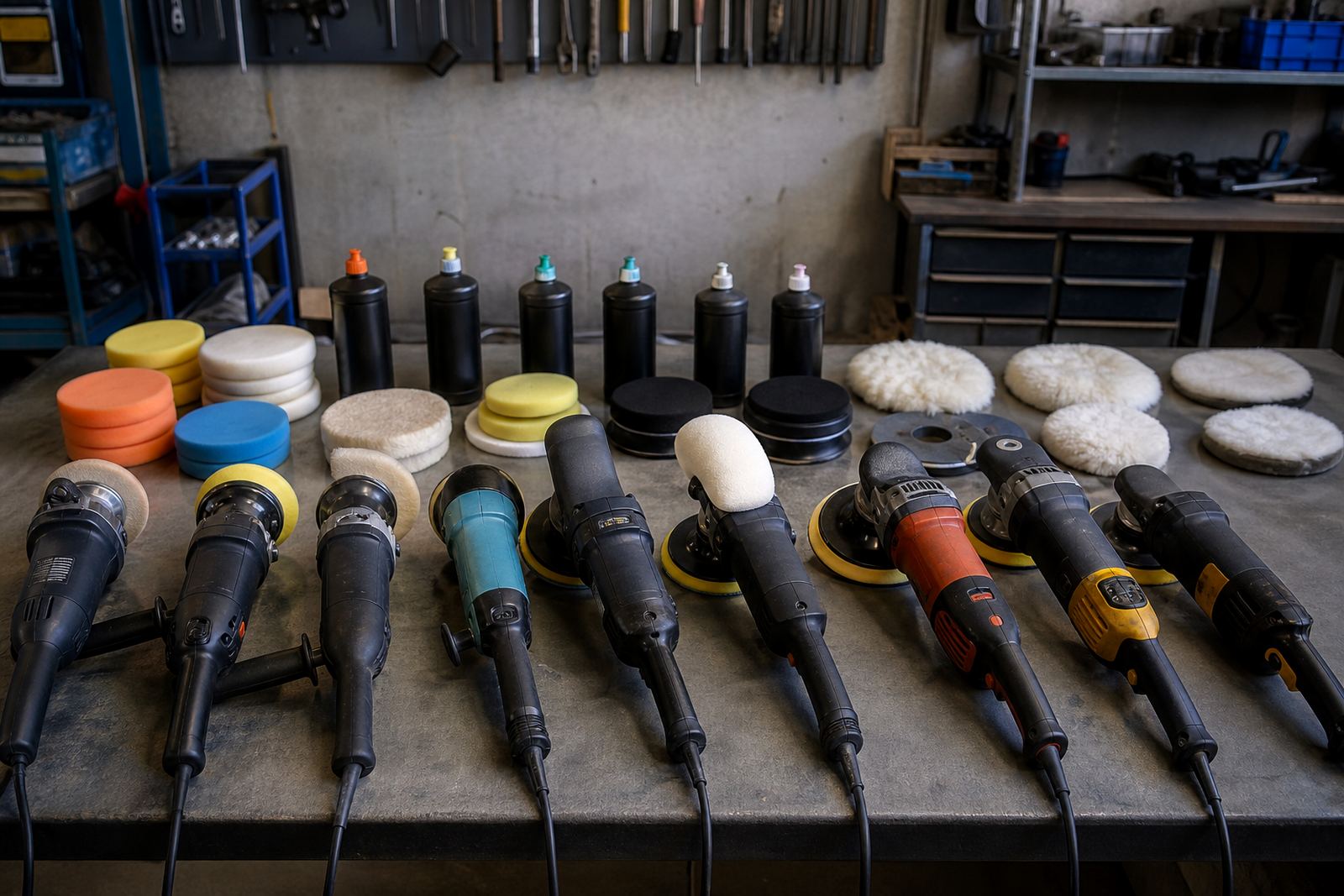
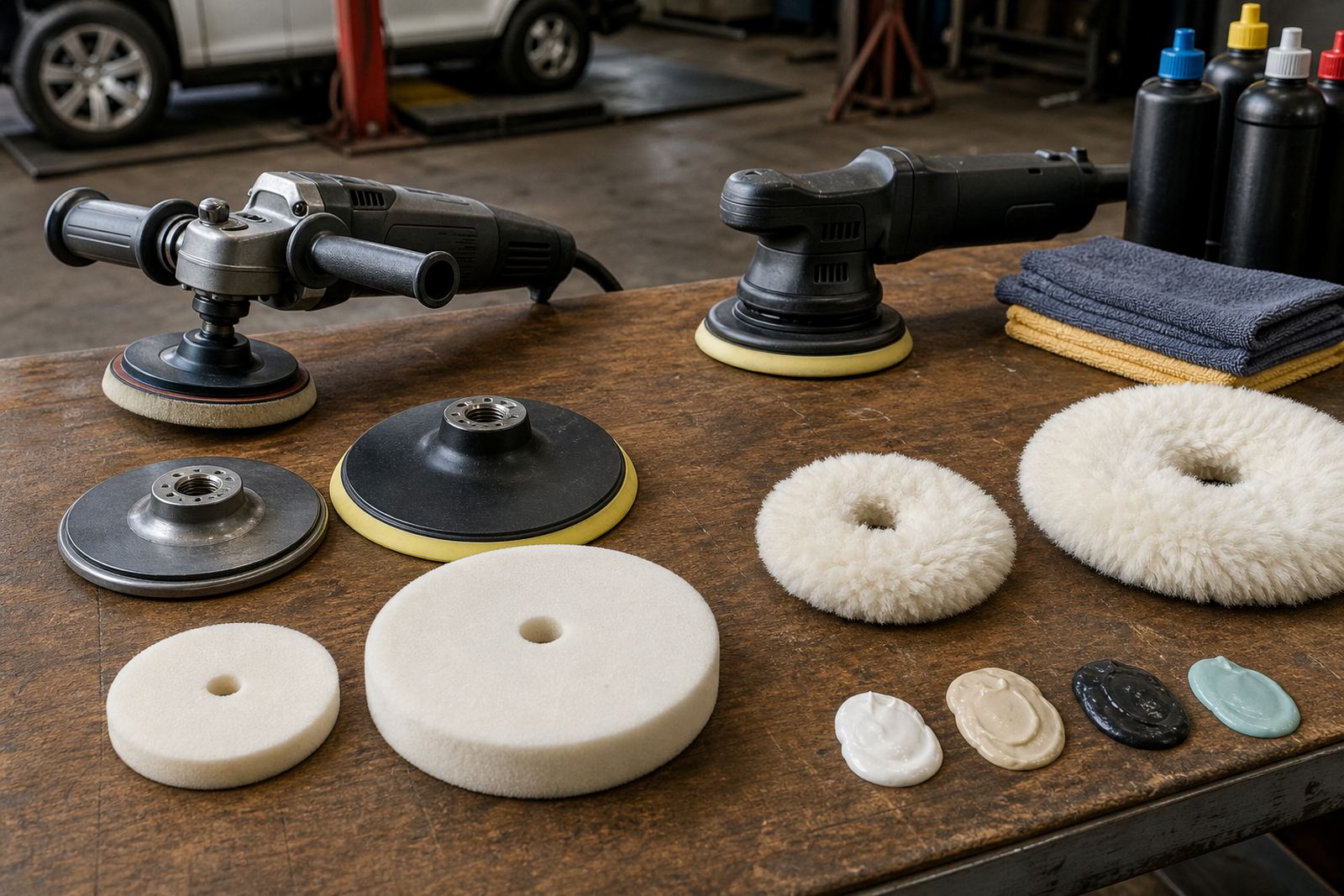
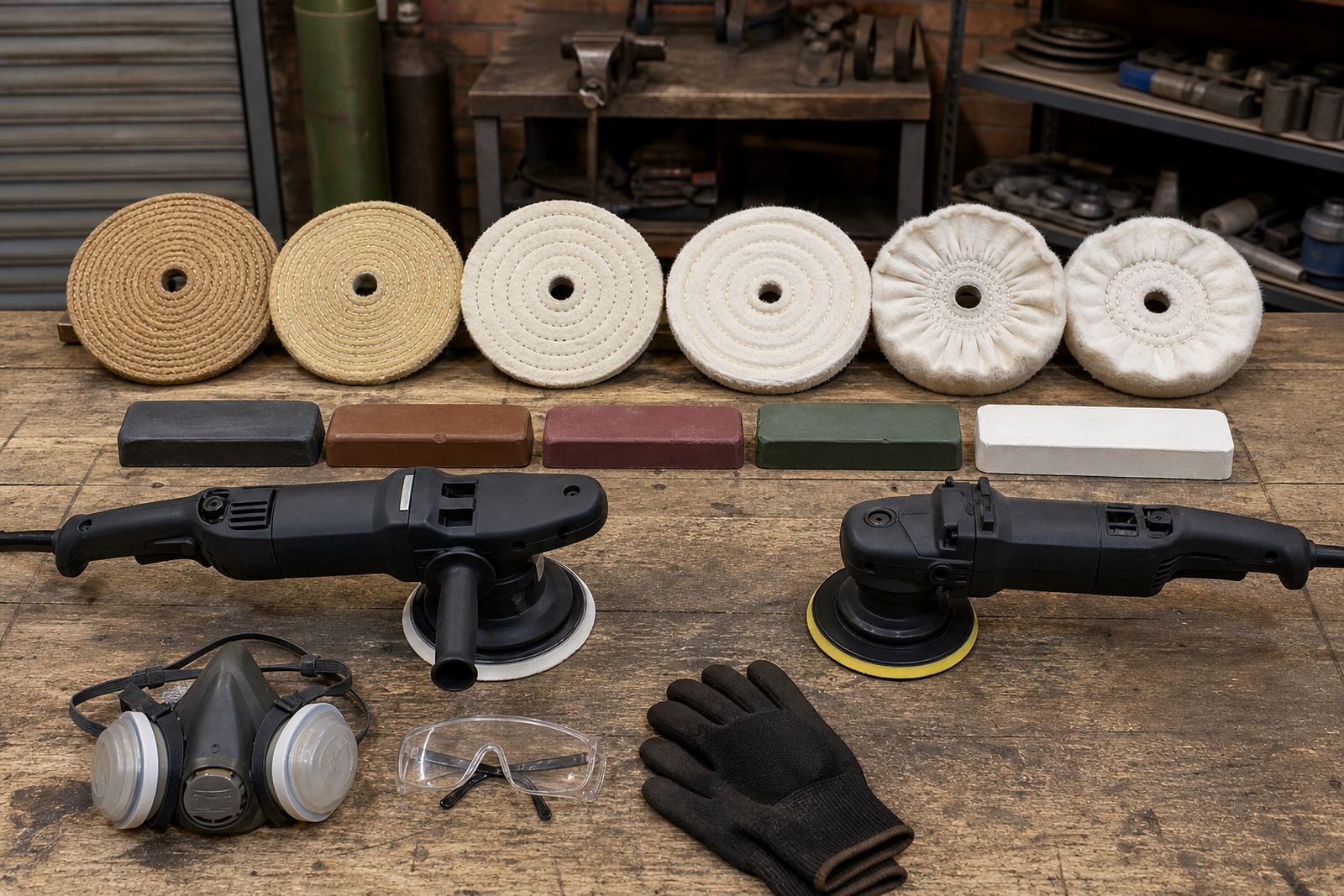
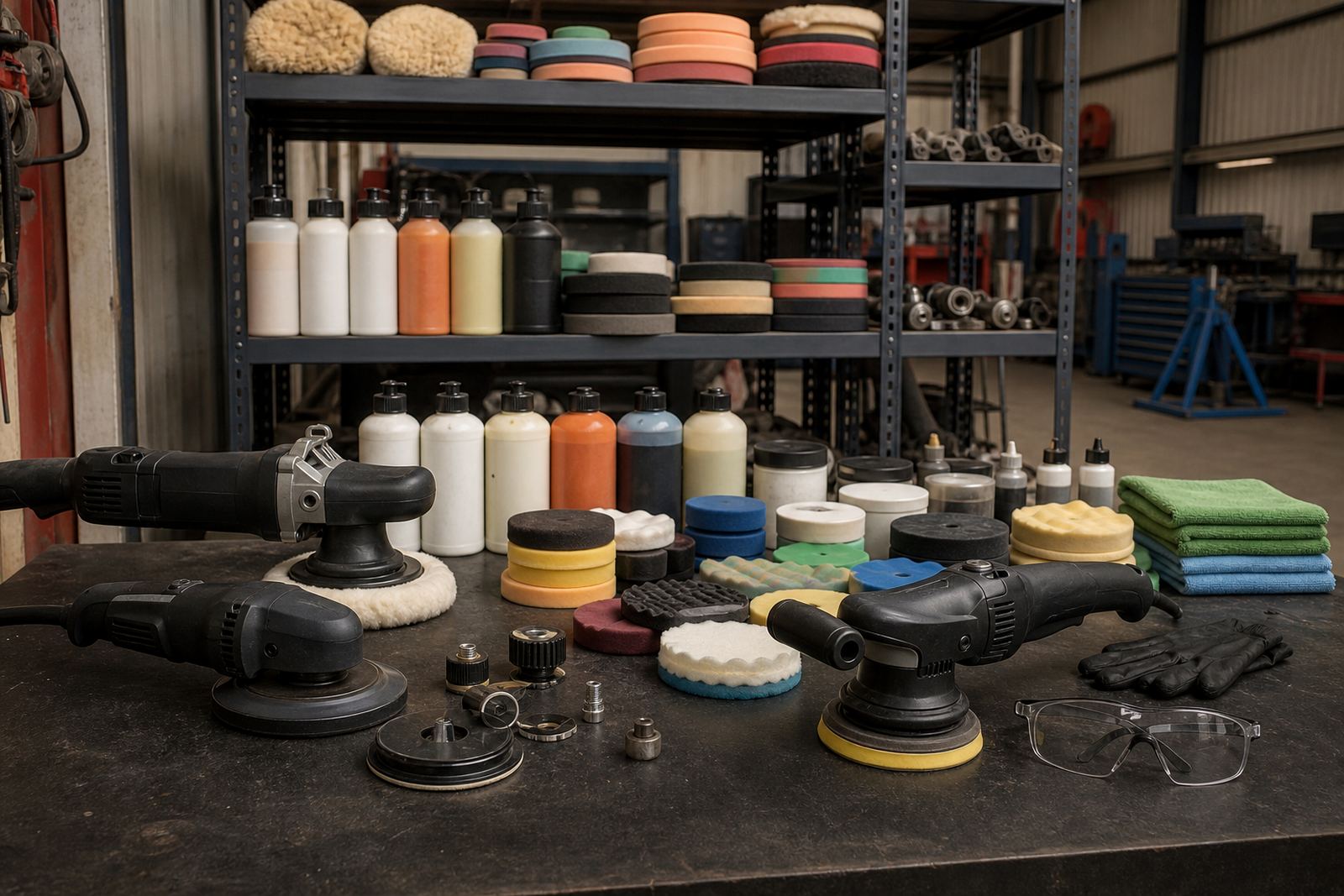
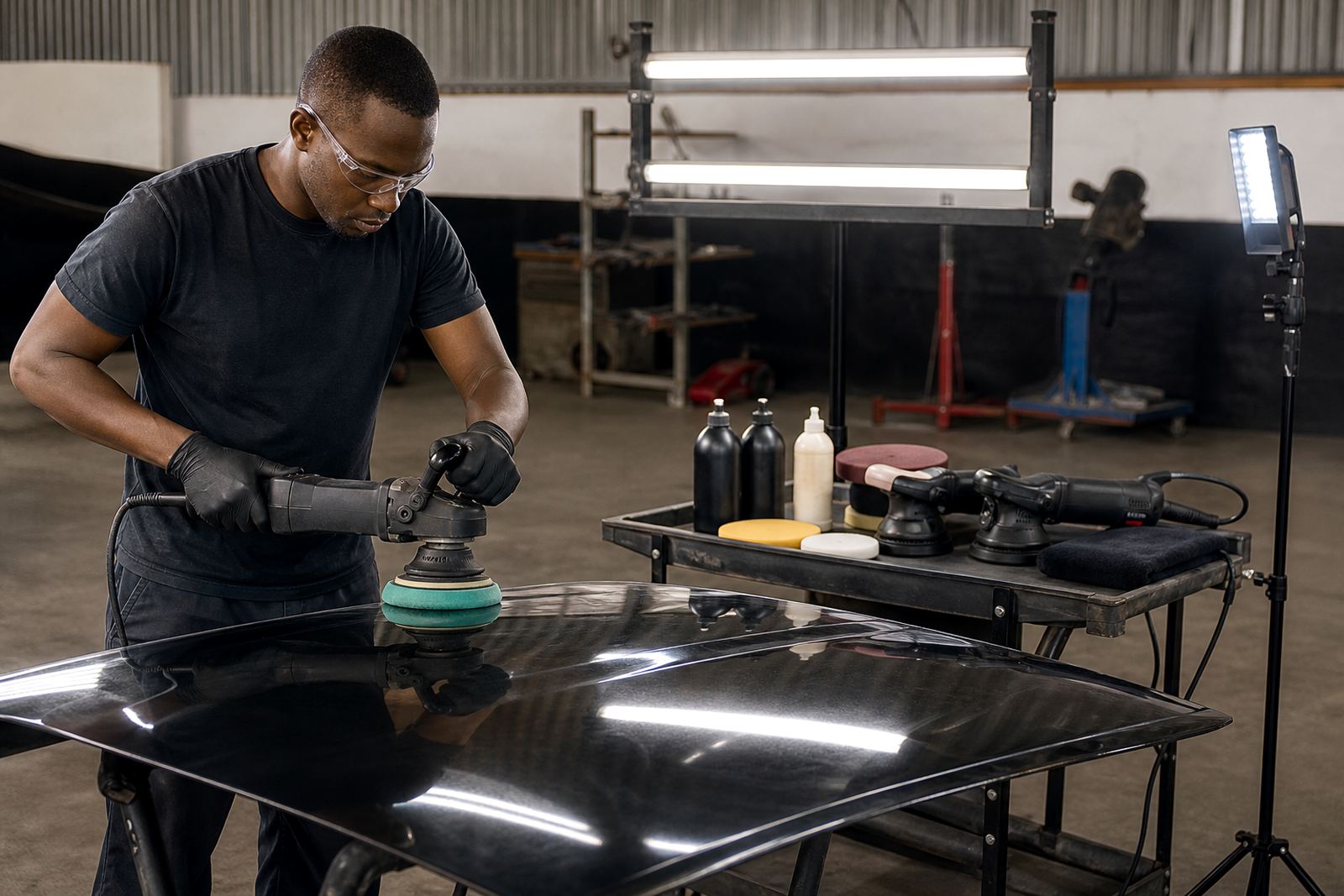
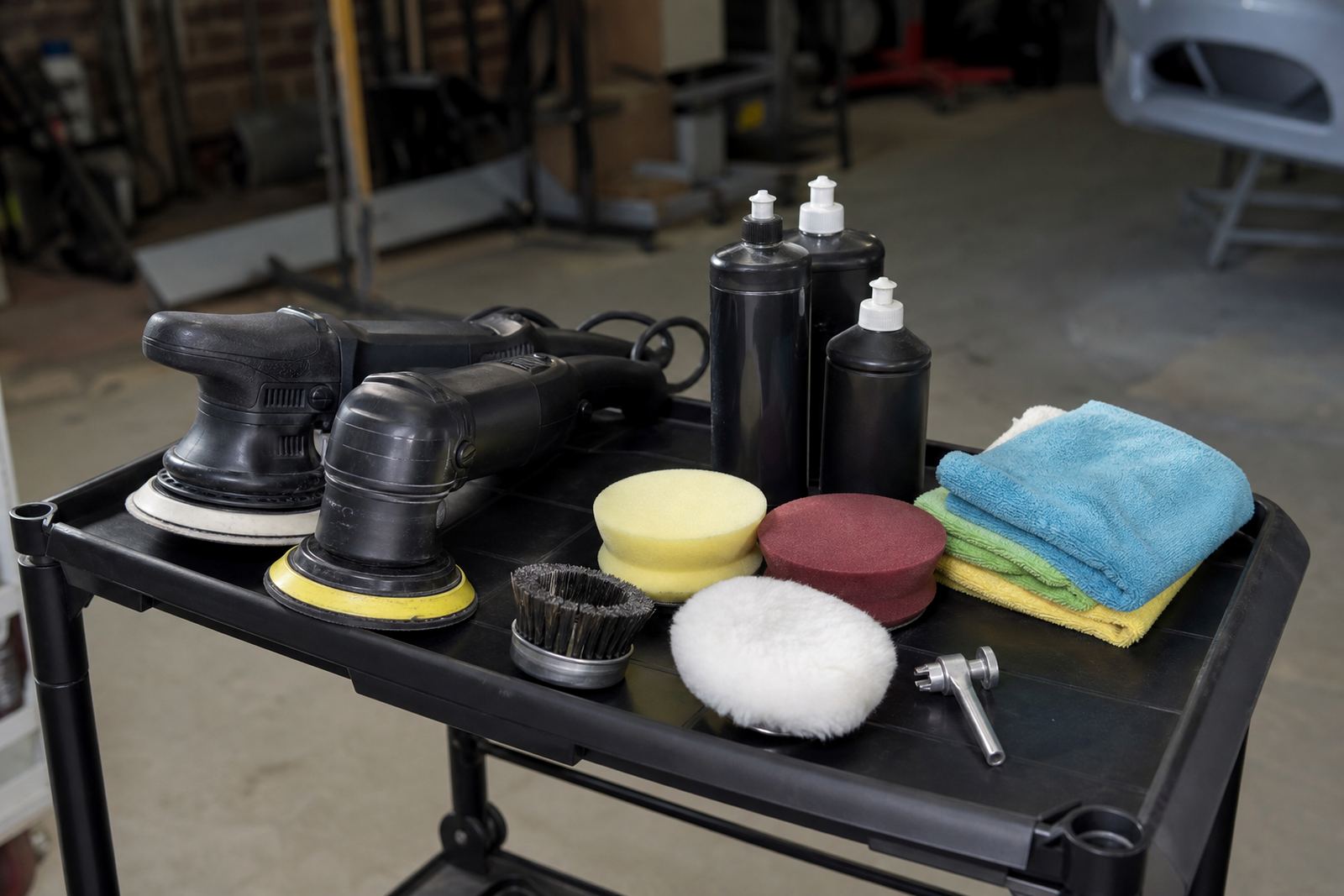
Before you choose a polisher, decide what surface you are working on and how much correction is needed. A rotary machine suits heavier cutting on metal and paint when used with care, while a dual-action machine is easier to control for safer finishing, lighter correction and regular maintenance work.
For South African conditions, think about dust, heat and power interruptions as well. In Germiston, Pretoria and Johannesburg workshops, a clean bench, steady lighting and a proper extension lead make a real difference. If you are working near coastal humidity in Cape Town or Durban, keep consumables dry and wipe machines down after use.
- Use a rotary for faster defect removal on experienced hands
- Use a dual-action machine for safer everyday polishing and finer finishing
- Match the machine speed to the surface, compound and pad
Pad and Buff Selection for Cleaner Results
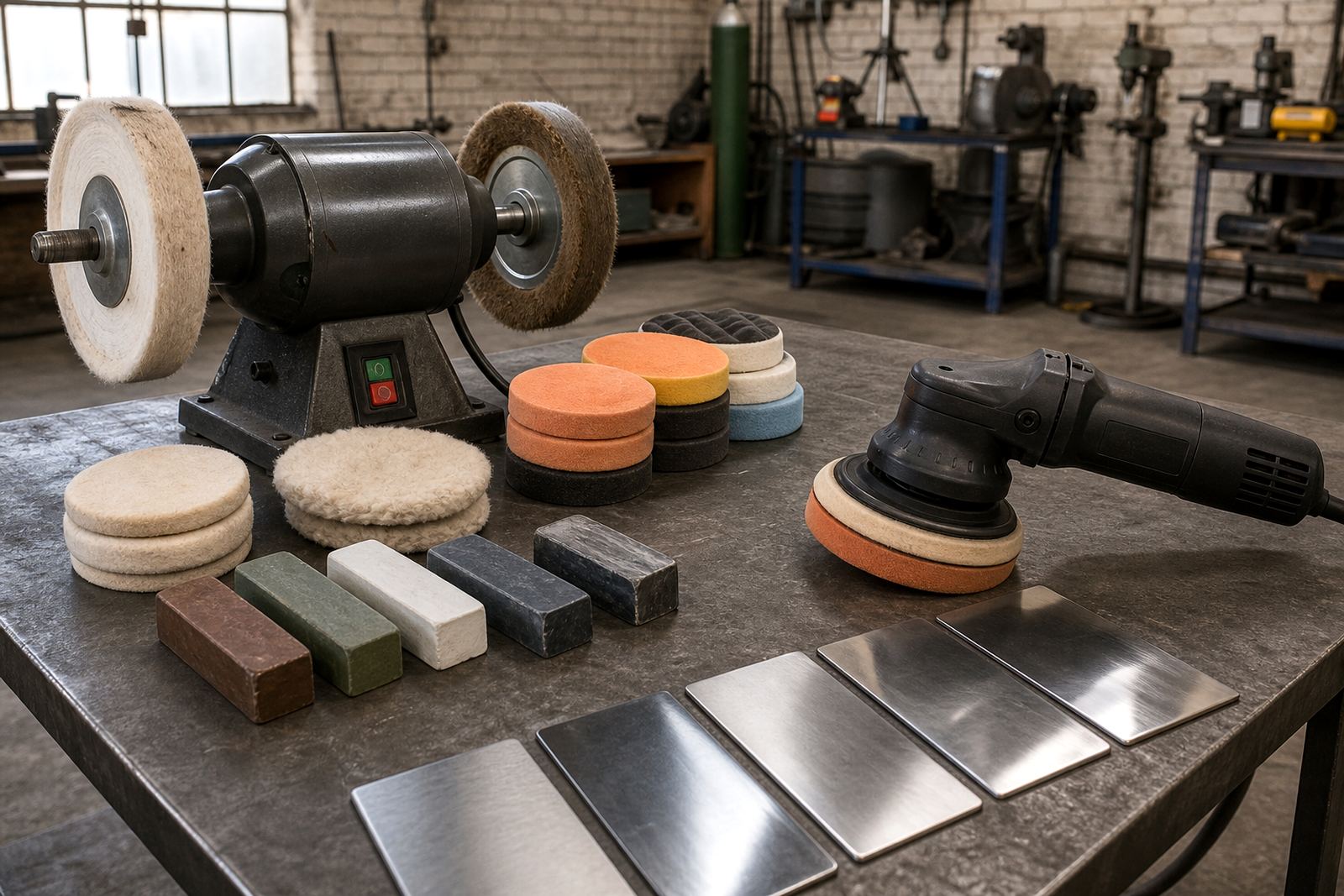
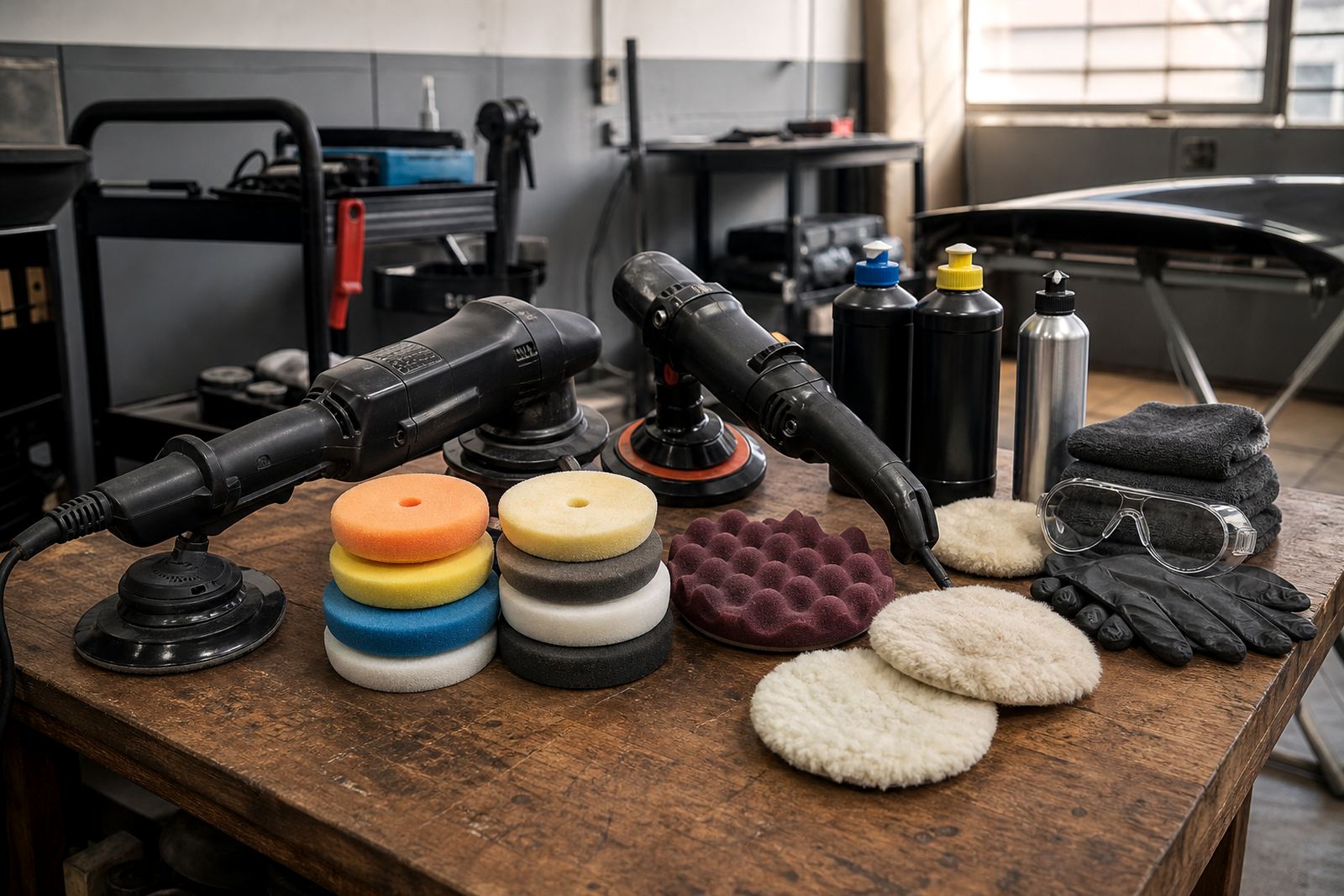
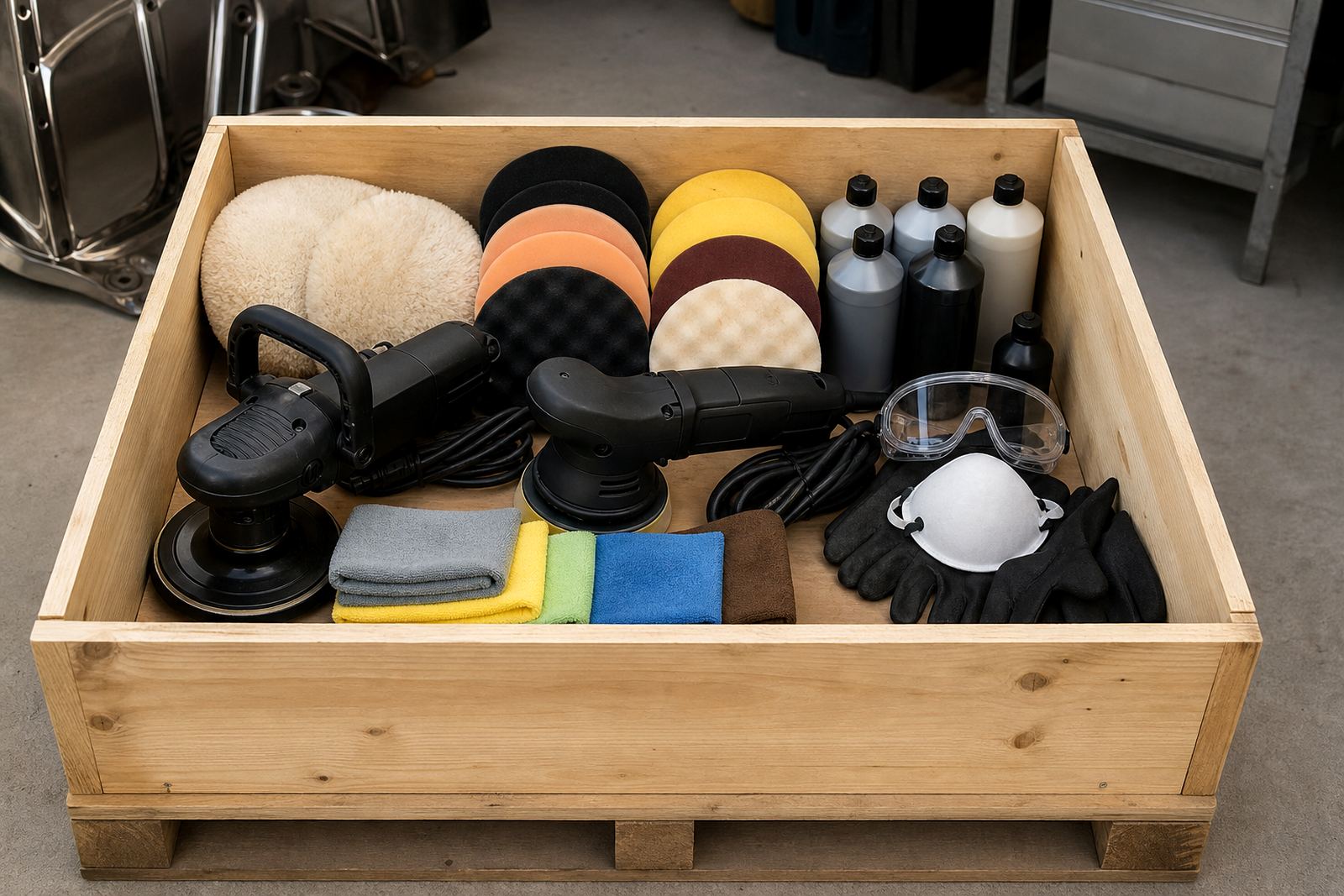
Pads and buffs are not all the same. Foam pads are common for paint correction because they spread compound evenly and leave a controlled finish. Wool and stitched buffs are often used on metal when more cut is needed, while softer finishing pads help remove haze and bring up gloss after cutting stages.
Choose pad size for the panel or part you are working on. Smaller pads help on motorcycle parts, trims and tight body lines, while larger pads suit bonnets, doors and bulkier metal surfaces. Keep your pads clean during use because loaded compound can mark the finish and increase heat.
- Cutting pad or buff for defect removal
- Intermediate pad for refining scratches and swirl marks
- Finishing pad for gloss and final clarity
Compound Stages for Metal and Paint
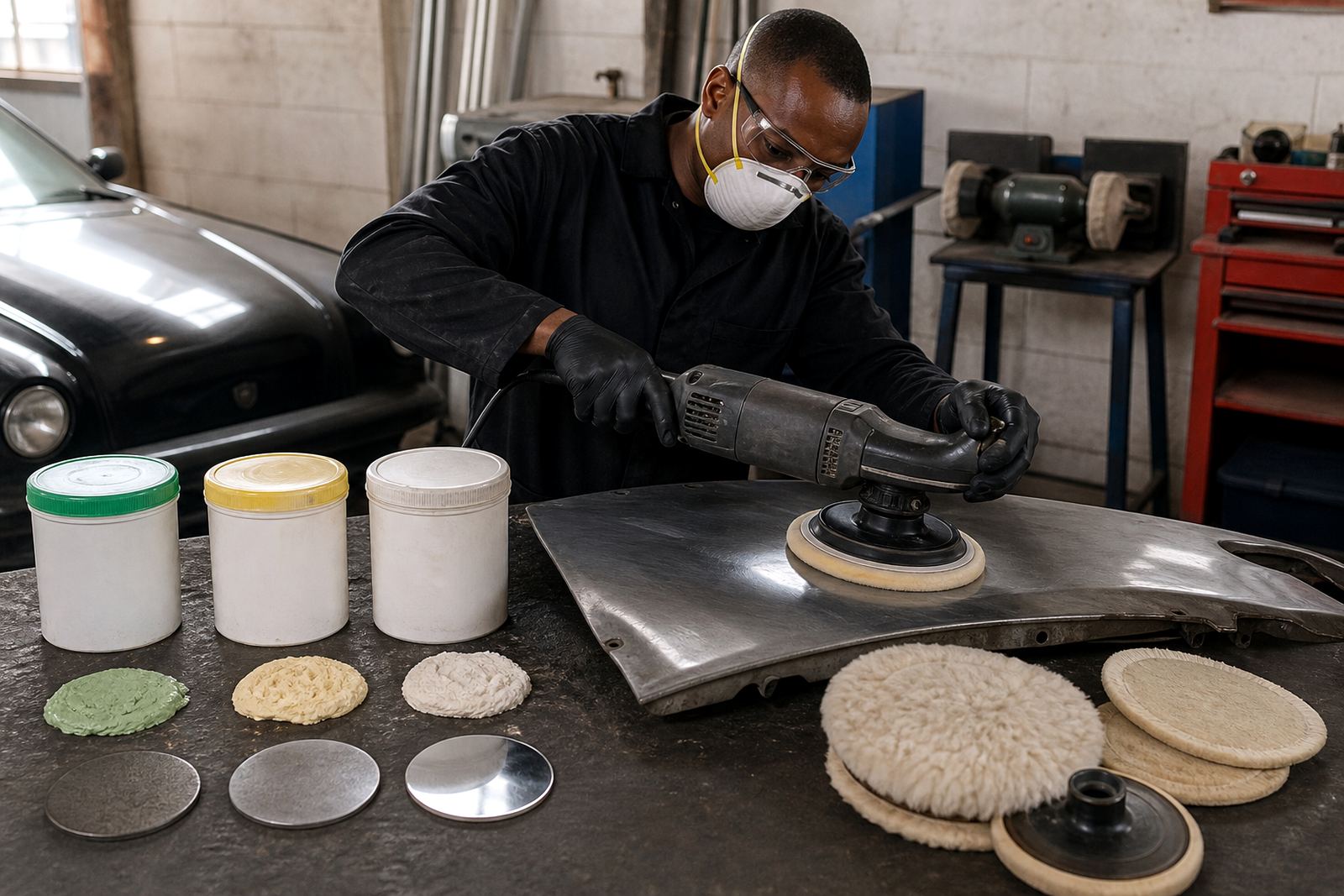
Compounds work in stages. A cutting compound removes heavier marks and oxidation, then a medium polishing compound reduces haze, and a finishing polish improves clarity. On metal, the aim may be a bright reflective surface. On paint, the goal is to correct the surface without burning through clear coat or leaving trails.
Apply only a small amount at first and work a panel in sections. Keep the pad flat where possible and do not force the machine to do all the work. If the pad dries out too fast, add a little more compound rather than increasing pressure. That helps control dust and keeps the surface more even, especially on warm days.
- Cut first, then refine, then finish
- Use the least aggressive method that still gives the result you need
- Test on a small area before starting the full panel
Safe Setup, PPE and Dust Control
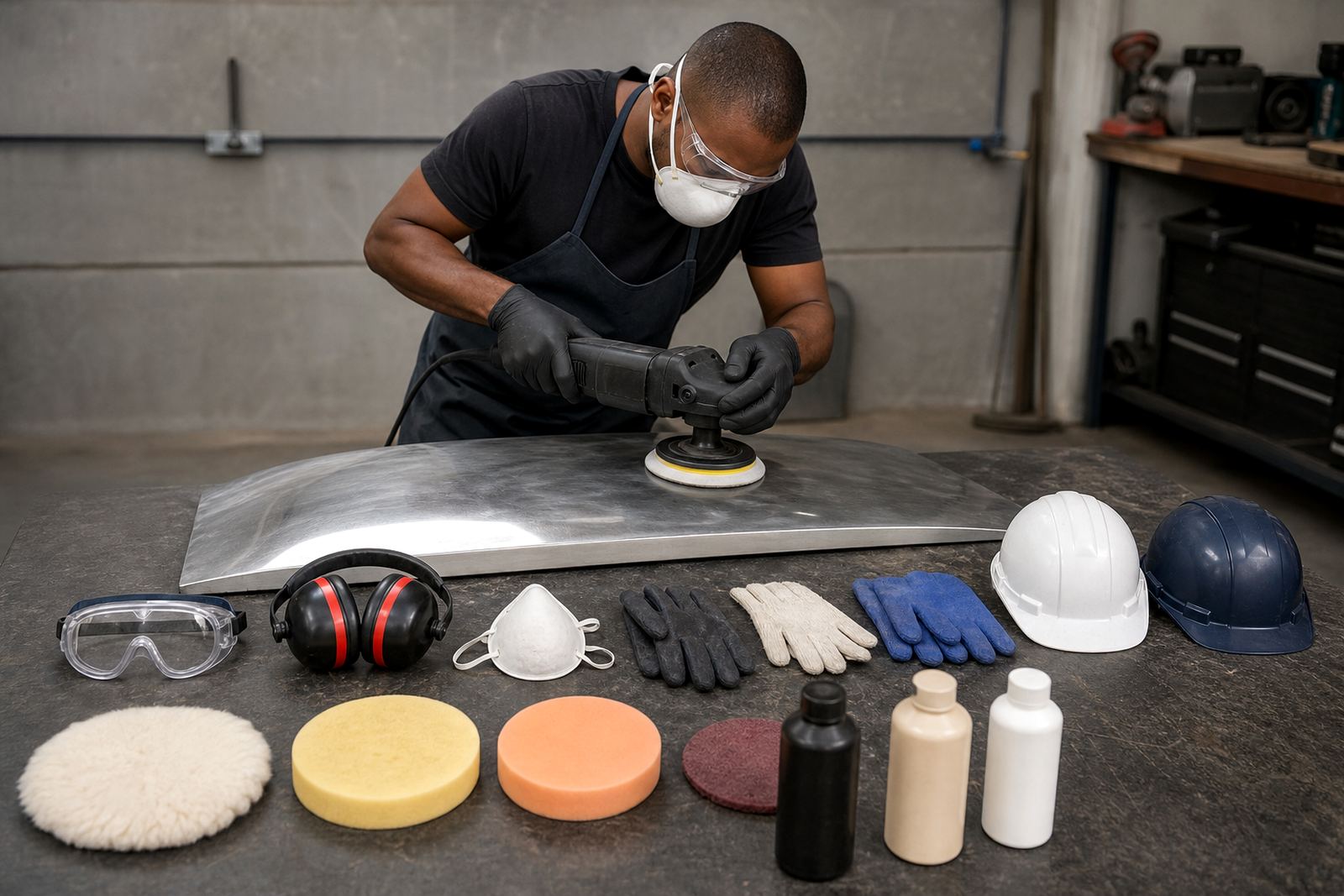
Polishing creates fine dust, spent compound and airborne residue, so PPE matters. Wear eye protection, suitable gloves and a dust mask where needed, especially when working on corroded metal, old paint or dry compounds. Keep sleeves close fitting and secure loose clothing before switching on the machine.
Good workshop habits protect both the operator and the finish. Use clean microfibre cloths, keep cables away from moving parts and make sure the work area is clear of grit. If you are working in a body shop, a garage or a home workshop in Vaal Triangle or East Rand, proper ventilation and tidy storage are just as important as the machine itself.
- Wear eye protection and a dust mask where the job calls for it
- Check cords, backing plates and pads before every session
- Keep the area free of grit to avoid scratching fresh work
How Training Helps New and Experienced Users
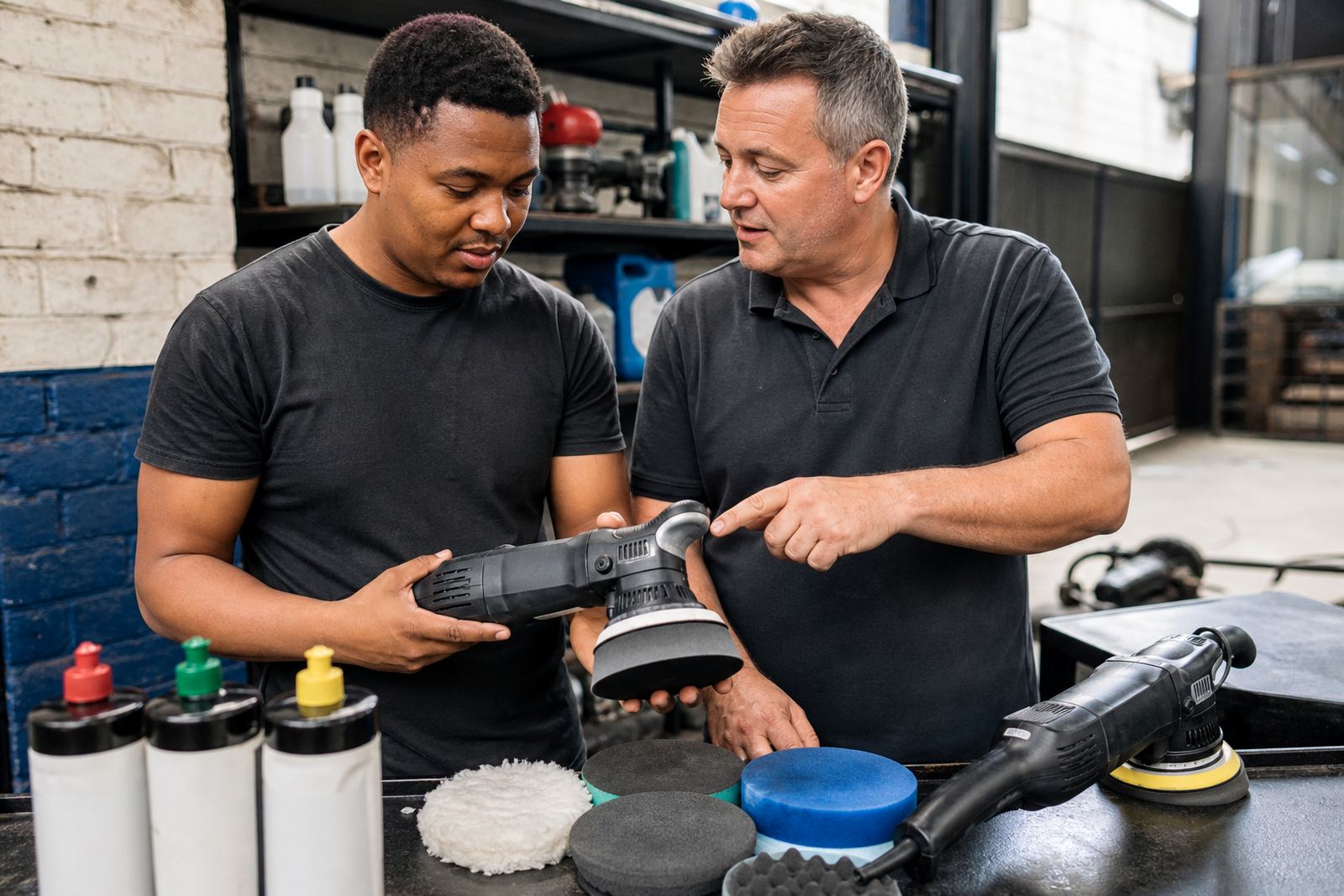
Many polishing mistakes come from poor machine control, the wrong pad or too much compound. A beginner benefits from learning how to start, stop and move the machine without digging into the surface. More experienced users may need help with pad and compound matching, machine care or a better system for repeat work.
Training sessions can cover rotary skills, DA skills, metal buffing and paint correction coaching. There is also value in workshop setup advice, consumables restocking and a short safety and PPE briefing before teams begin work. That support helps staff work cleaner and faster without guesswork.
- Beginner Polishing Training
- Rotary Skills Session and DA Skills Session
- Pad And Compound Matching and Workshop Setup Advice
Using the Guides to Choose the Right Supplies
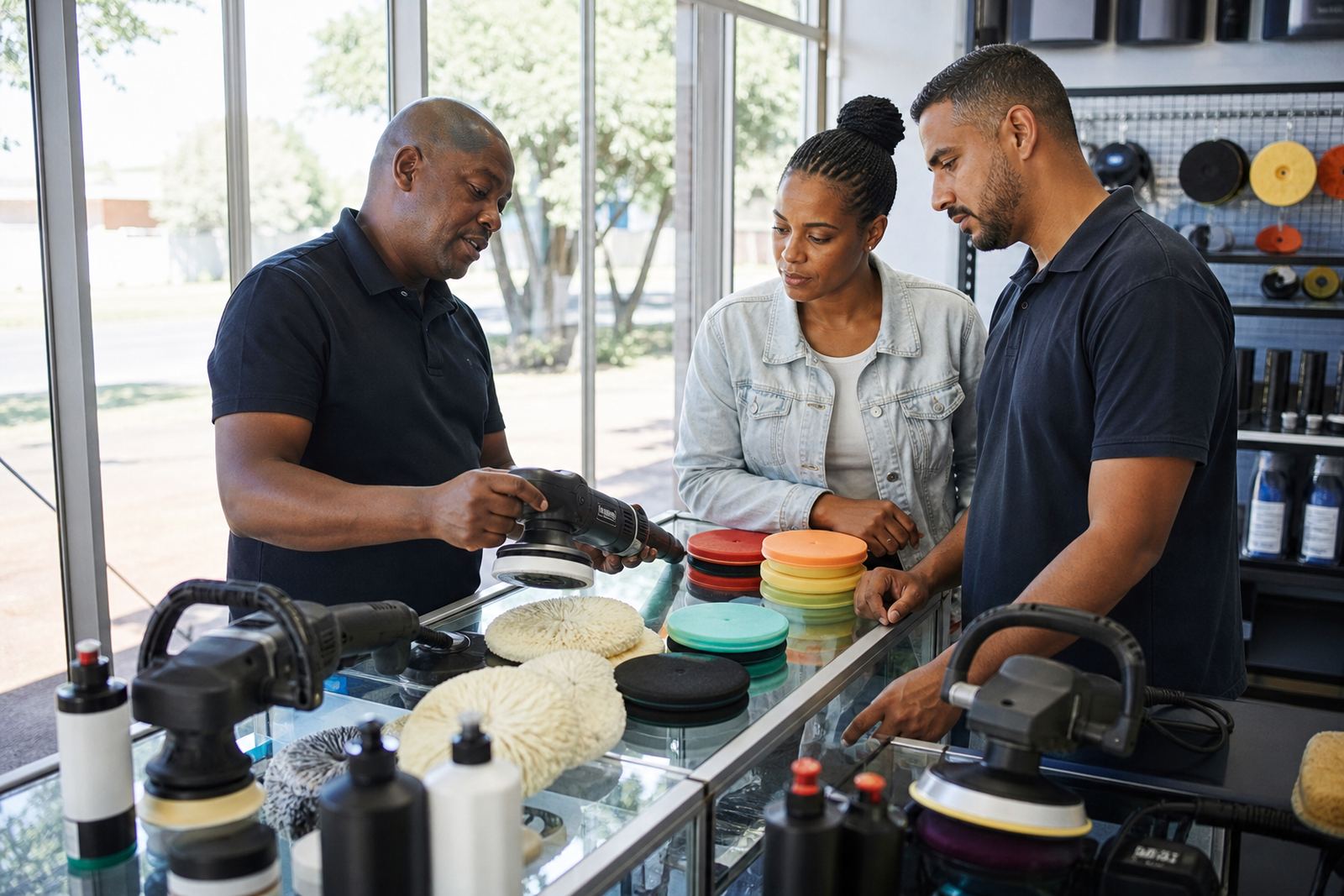
These guides are there to help you compare options before you place an order or start a job. If you are restoring metal, finishing body panels or maintaining a fleet, the best choice depends on the condition of the surface, the size of the job and the skill of the operator.
For buyers in Johannesburg, Pretoria, Cape Town, Durban and Bloemfontein, the practical step is to read the guide, list the surface type and then choose the matching machine, pad and compound set. If you still need a hand, the enquiry form on the contact page is the best way to ask for advice, and we can point you toward the right starter kit or workshop support. Small detail, big difference.