Start With the Surface, Not the Machine
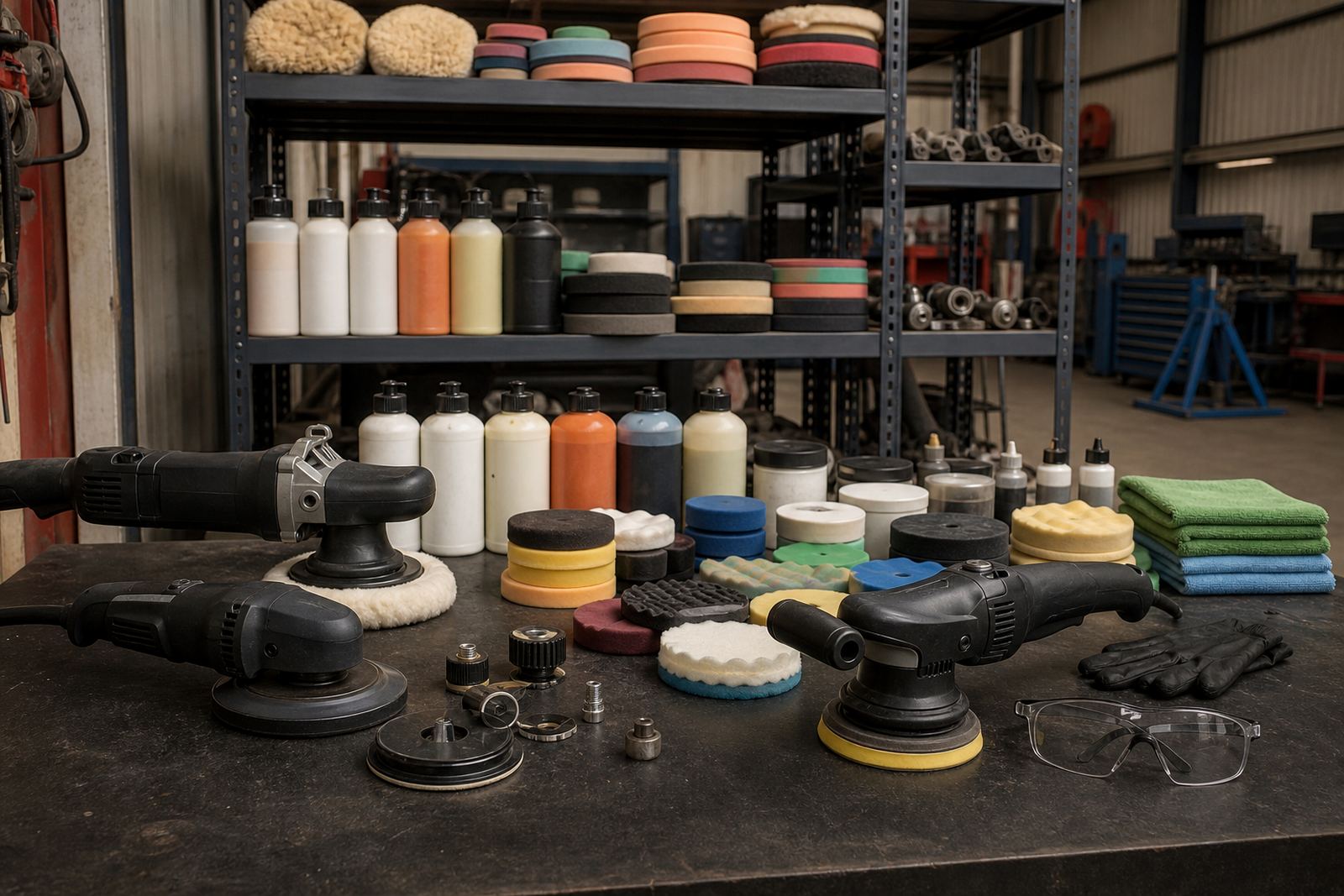
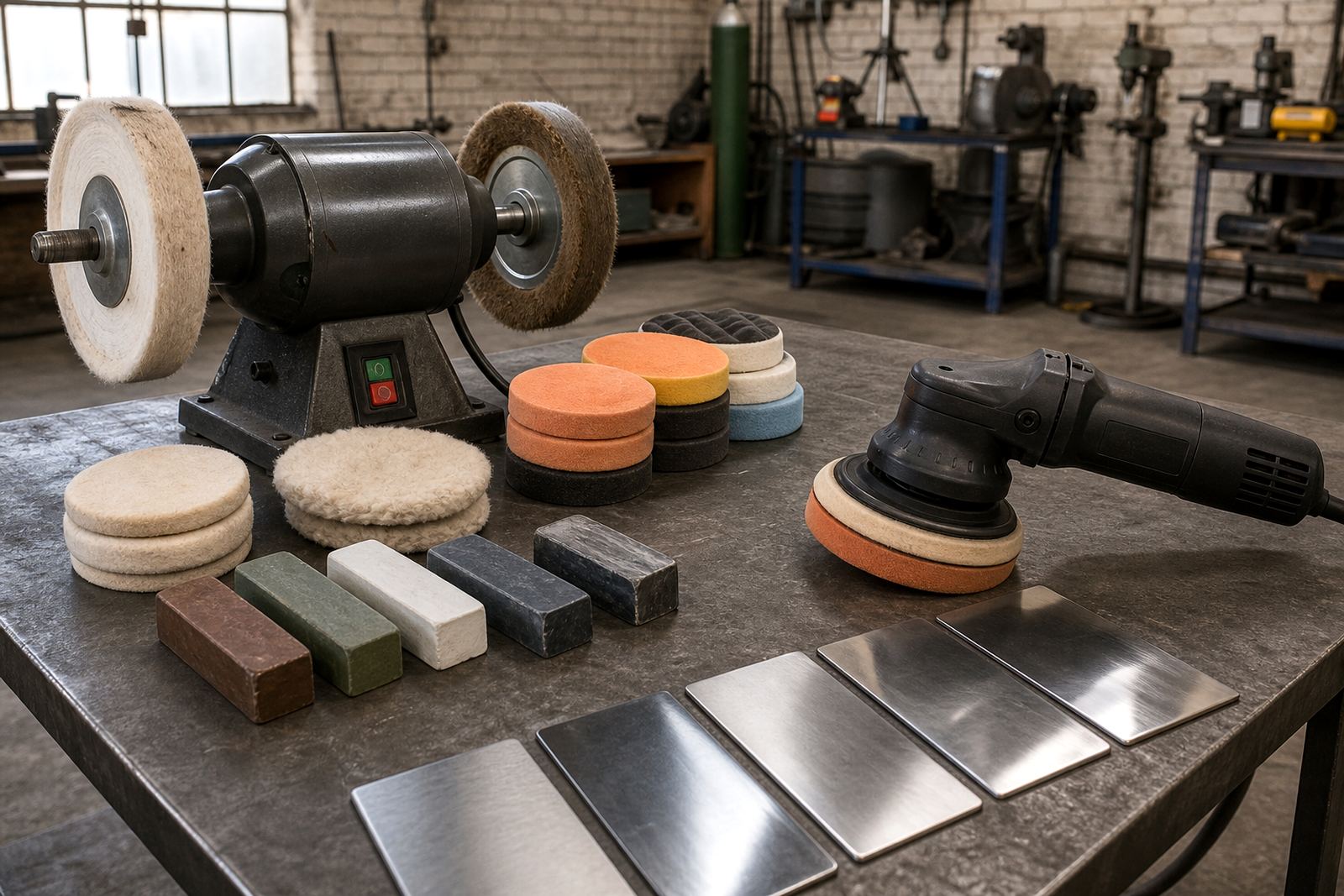
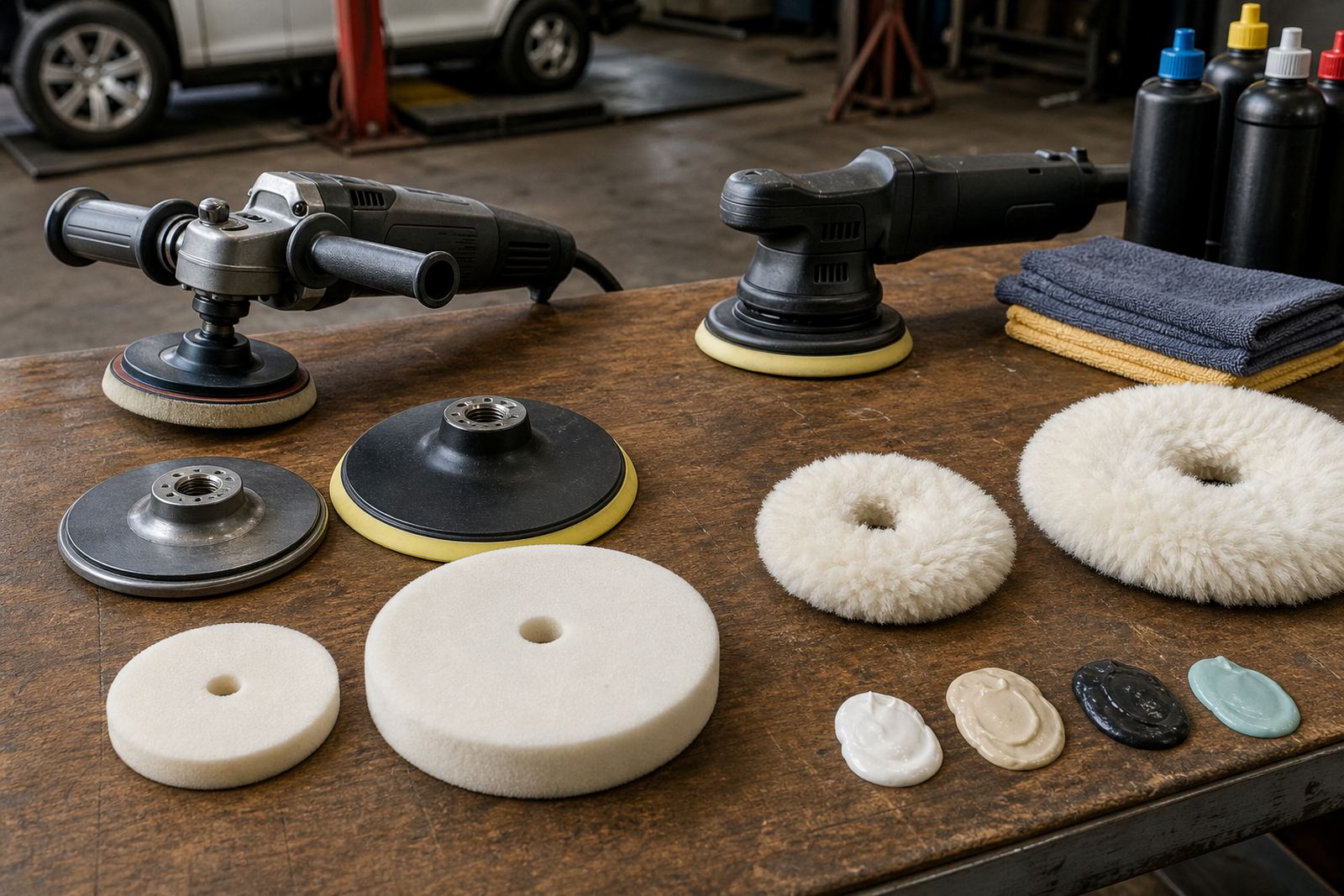
Matching pad size to compound is just as important as matching it to the machine. A cutting compound with a firm pad is often used for heavier defects, oxidation, sanding marks, or dull paint. A finishing compound usually works better with a softer pad for refining gloss and reducing haze. On metal, the same idea applies, but the surface can react differently depending on whether you are polishing aluminium, stainless steel, or coated components.
Pad size also affects how much compound you use and how much residue is thrown off the pad. Bigger pads can hold more product and cover faster, but they may load up quicker if the surface is dirty or if the compound is too heavy. Smaller pads are easier to manage on detail work and can help you see exactly where the correction is happening.
- Cutting work: firm pad, correct compound, moderate speed
- Refining work: softer pad, lighter compound, slower passes
- Metal polishing: keep the pad clean and watch for heat on edges
- Paint finishing: use light pressure and inspect often in good light
Choose the Right Diameter for the Job
A practical way to choose pad size is to think in sections. A pad around 150 mm is useful on broad panels when speed matters. A pad around 125 mm gives a good balance for most general polishing tasks. Smaller pads, often around 75 mm to 100 mm, are better for tight areas, bumpers, motorcycle parts, and detailed metal work. The exact fit depends on the backing plate and machine setup, so always check what the tool is meant to take.
If you work in Johannesburg, Pretoria, Durban, Cape Town, or Bloemfontein, you will likely see a mix of vehicles, weathered paint, and metal components exposed to dust or coastal humidity. That means your pad choice should be practical, not just based on the biggest tool in the cabinet. Keep the job, the access, and the final finish in mind.
- 150 mm class pads: faster on large flat panels
- 125 mm class pads: general purpose for most users
- 75 mm to 100 mm pads: details, corners, and narrow sections
- Smaller pads often give better feedback on tricky surfaces
Control, Heat, and Edge Safety
Larger pads can make a machine feel less nimble, especially around curves. Smaller pads give better control, but they can concentrate pressure in a small area if you lean on the tool too hard. That is where technique matters. Keep the pad flat, let the machine do the work, and reduce pressure near edges, lips, and raised body lines.
Heat is a real concern on paint, plastics, and thin metal. Too much heat can soften paint, mark trim, or distort delicate areas. If you notice the surface getting warm quickly, stop and check your method. Work in sections, wipe down residue, and inspect your progress in proper light.
- Keep the pad moving, do not hold it in one place
- Reduce pressure near edges and sharp folds
- Clean the pad often to prevent clogging
- Check panel temperature by hand as you go
PPE, Dust Control, and Workshop Habits
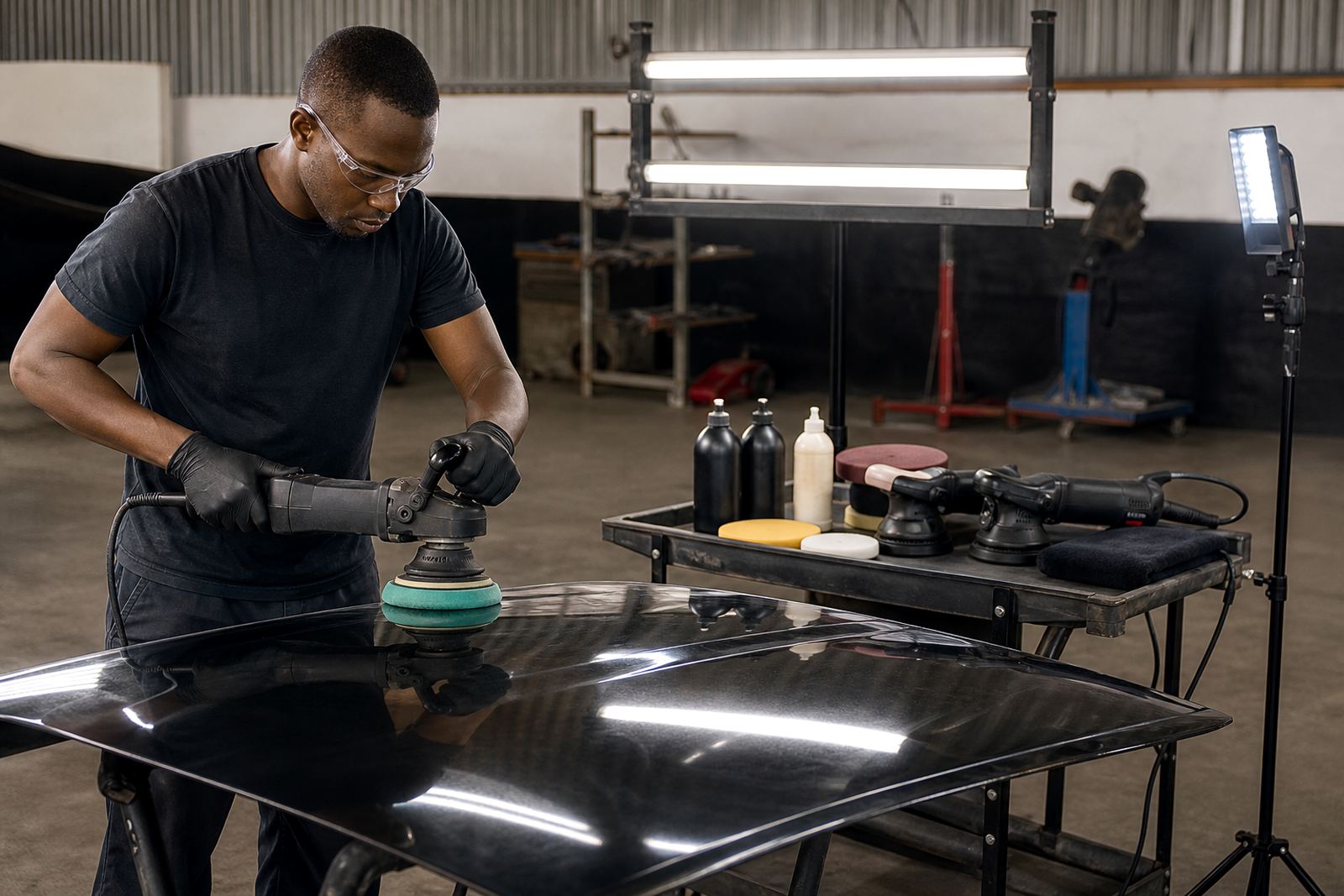
Whether you are polishing paint or metal, good protection is part of proper work. Wear eye protection, a dust mask or respirator where needed, and gloves that still let you feel the machine. In workshops and home garages, dust and spent compound can spread onto nearby surfaces, so keep the area tidy and use extraction or vacuum cleanup where possible.
On metal work, especially on older components, surface debris can become airborne during prep. On painted panels, dried compound and residue can flick off the pad. If you are training staff or setting up a small bay in Gauteng, build safe habits from the start. That includes keeping cords clear, checking extension leads, and planning around power cuts so you are not rushing mid-job.
- Wear eye protection and suitable respiratory protection
- Keep loose clothing, hair, and cords away from moving pads
- Vacuum dust and residue after each section
- Allow the machine to cool during longer jobs
A Simple Pad Size Checklist Before You Start
Before you begin, do a quick check on the job and your kit. This helps you avoid swapping pads too often and keeps the finish more even. It also helps new users choose a safer setup instead of reaching for the biggest pad because it looks faster.
At Polisher, we guide customers through starter kit choices, pad and compound matching, and training for both metal and car finishing. If you are unsure which size suits your machine or your level, use a checklist before starting the first panel.
- What surface am I working on, paint, bare metal, or coated metal?
- Is the panel flat, curved, or full of edges and tight spots?
- Do I need fast coverage or more detailed control?
- Am I using a rotary or a dual-action polisher?
- Have I matched the pad to the compound and the machine backing plate?
- Do I have PPE, clean pads, and a safe workspace ready?
If you want help choosing between pad sizes, our team in Germiston can assist with beginner polishing training, rotary skills, DA skills, metal buffing, and onsite team demos across South Africa.