
Choosing the Right Tool for the Job
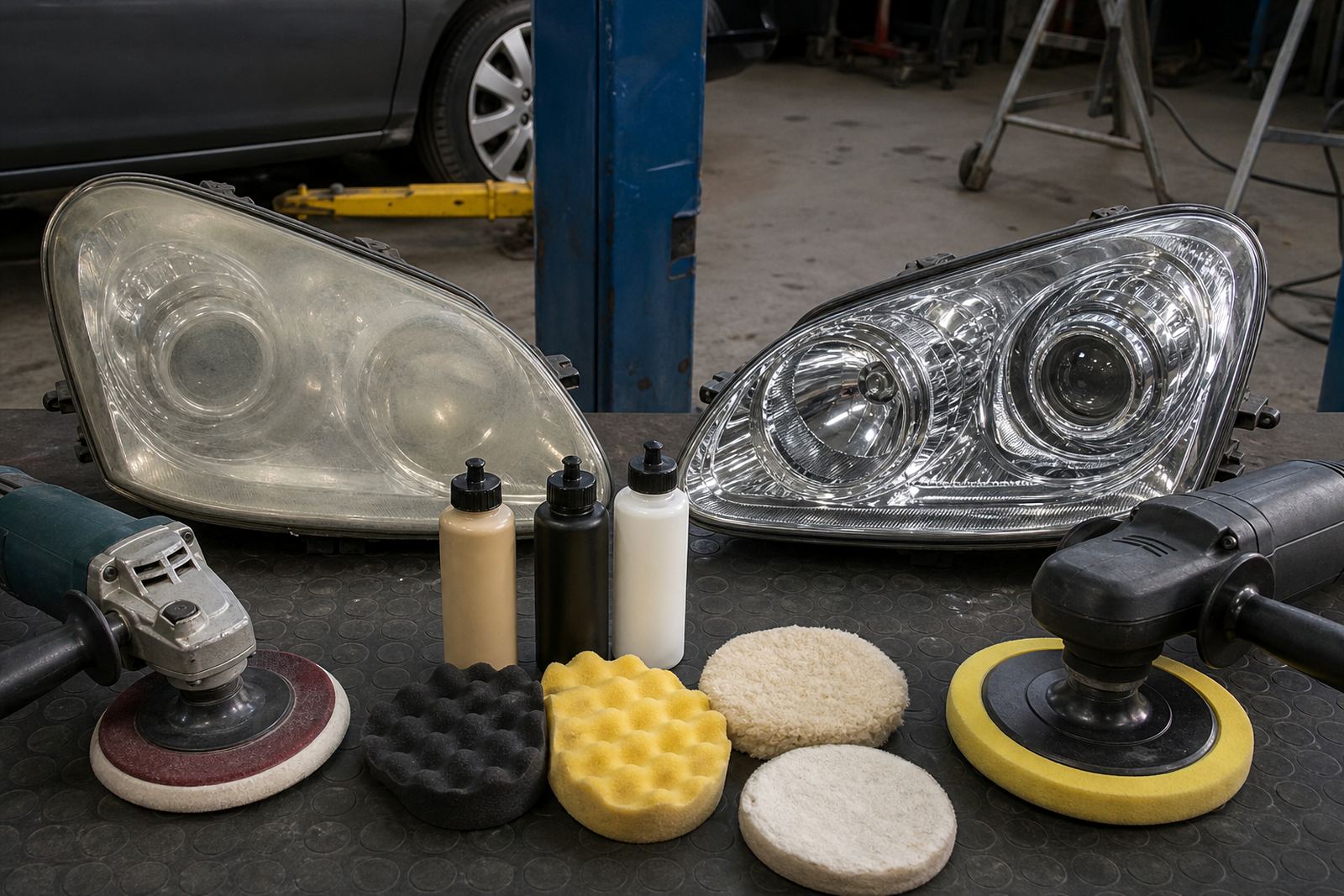
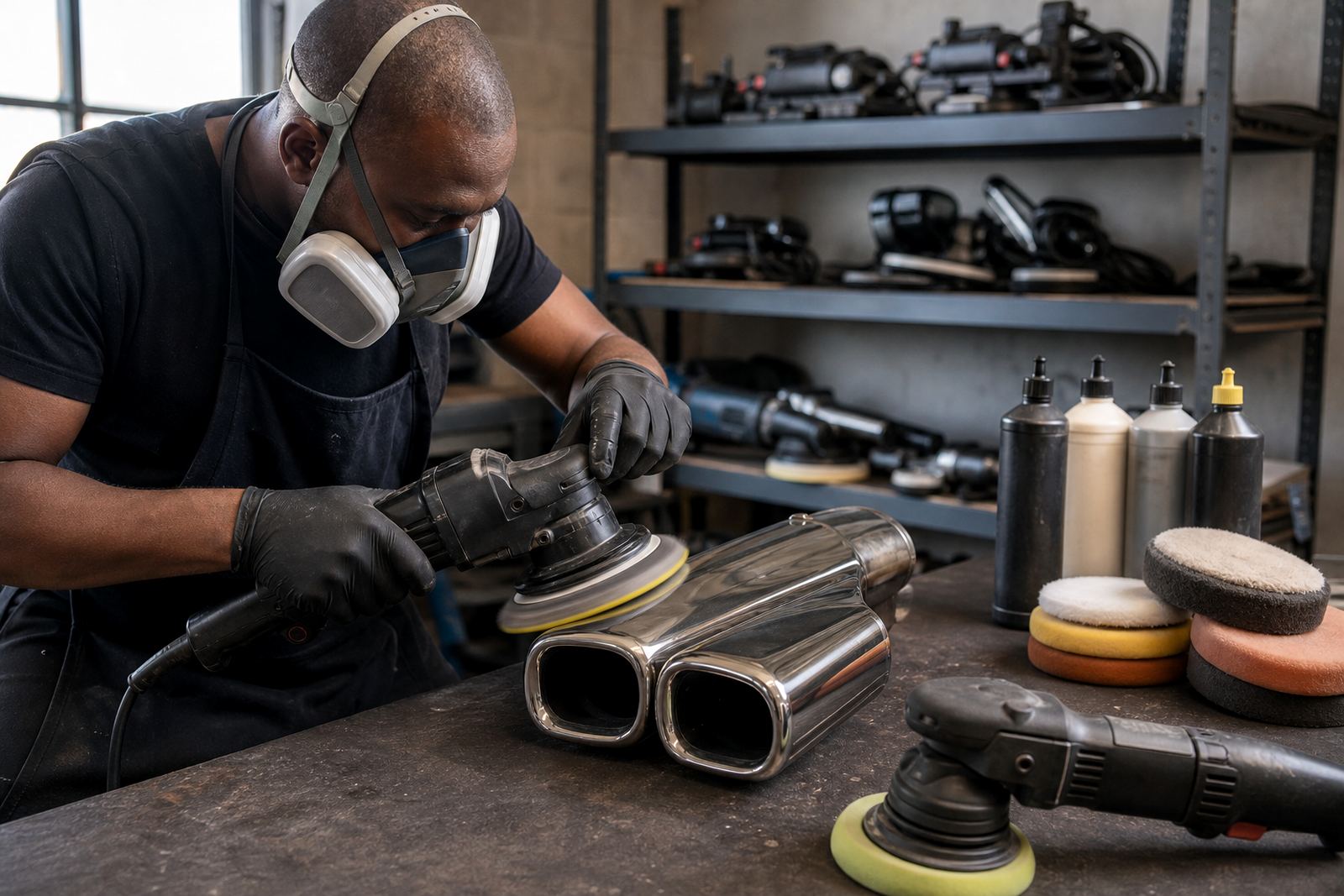
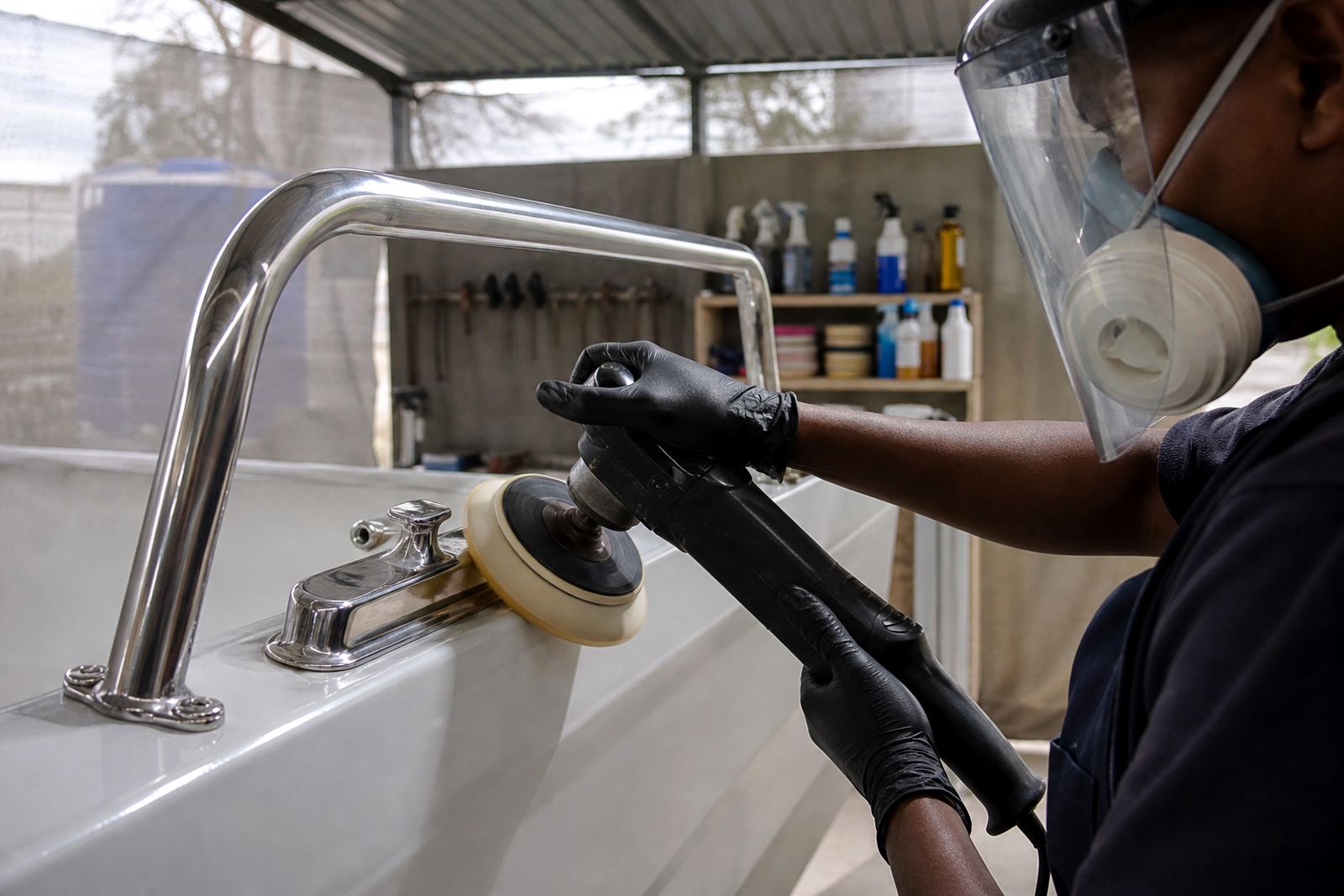
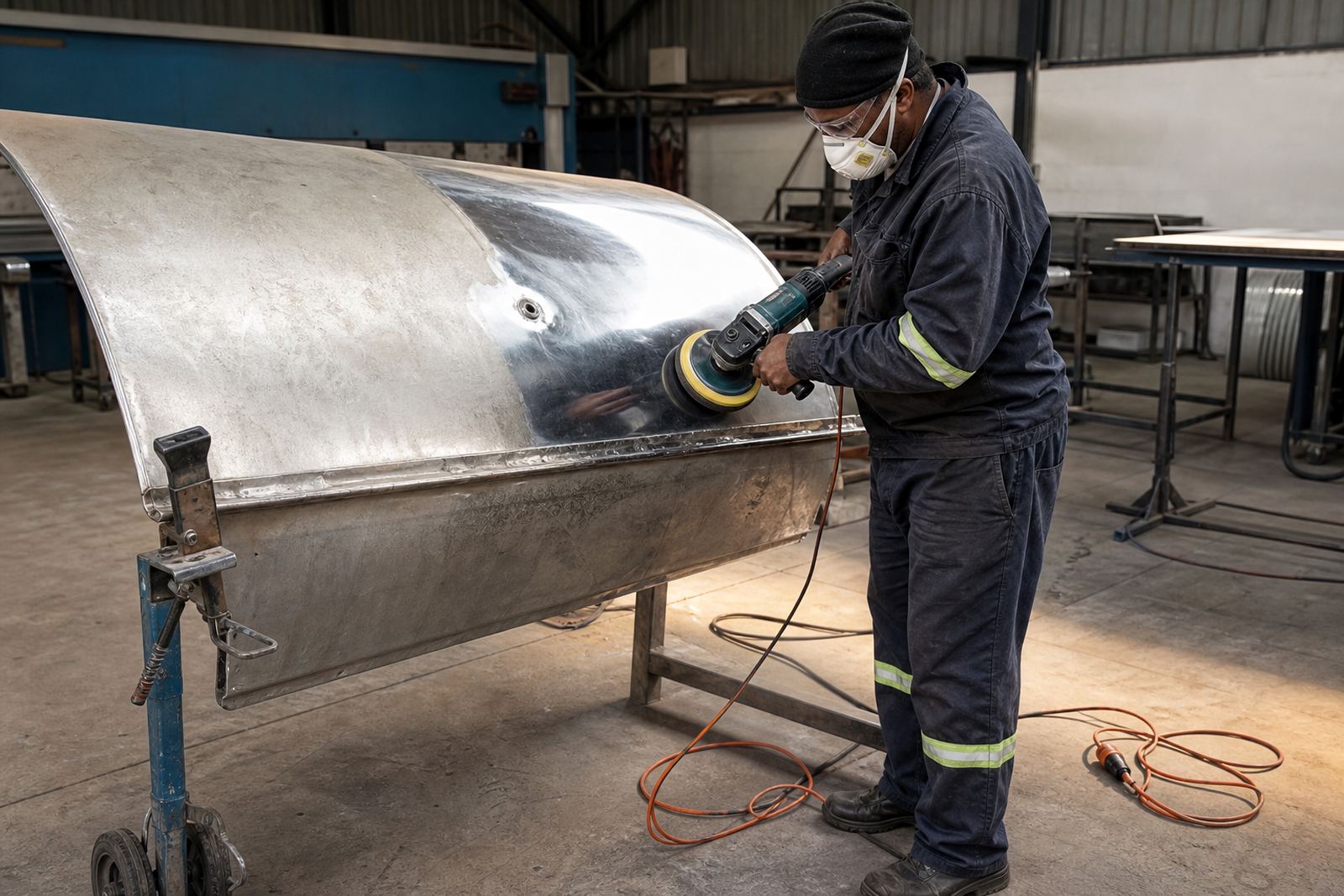
Not every polishing job starts the same way. A rotary polisher is suited to controlled cutting on harder paint defects, oxidation on metal, and heavier correction where the operator needs direct pad rotation and steady pressure. A dual-action polisher is kinder on softer finishes and is often the better choice for hobby users, body shops and general car care because it reduces the risk of heat build-up and visible marks. For metal work, the material, shape and existing finish matter just as much as the tool itself.
When choosing a machine, look at pad size, speed control, comfort and how long the unit can run without losing consistency. In Gauteng workshops where power interruptions are common, it helps to plan jobs in sections and keep extension leads, pads and compounds organised so the work can stop and start without wasting time.
Paint Correction Stages on Cars
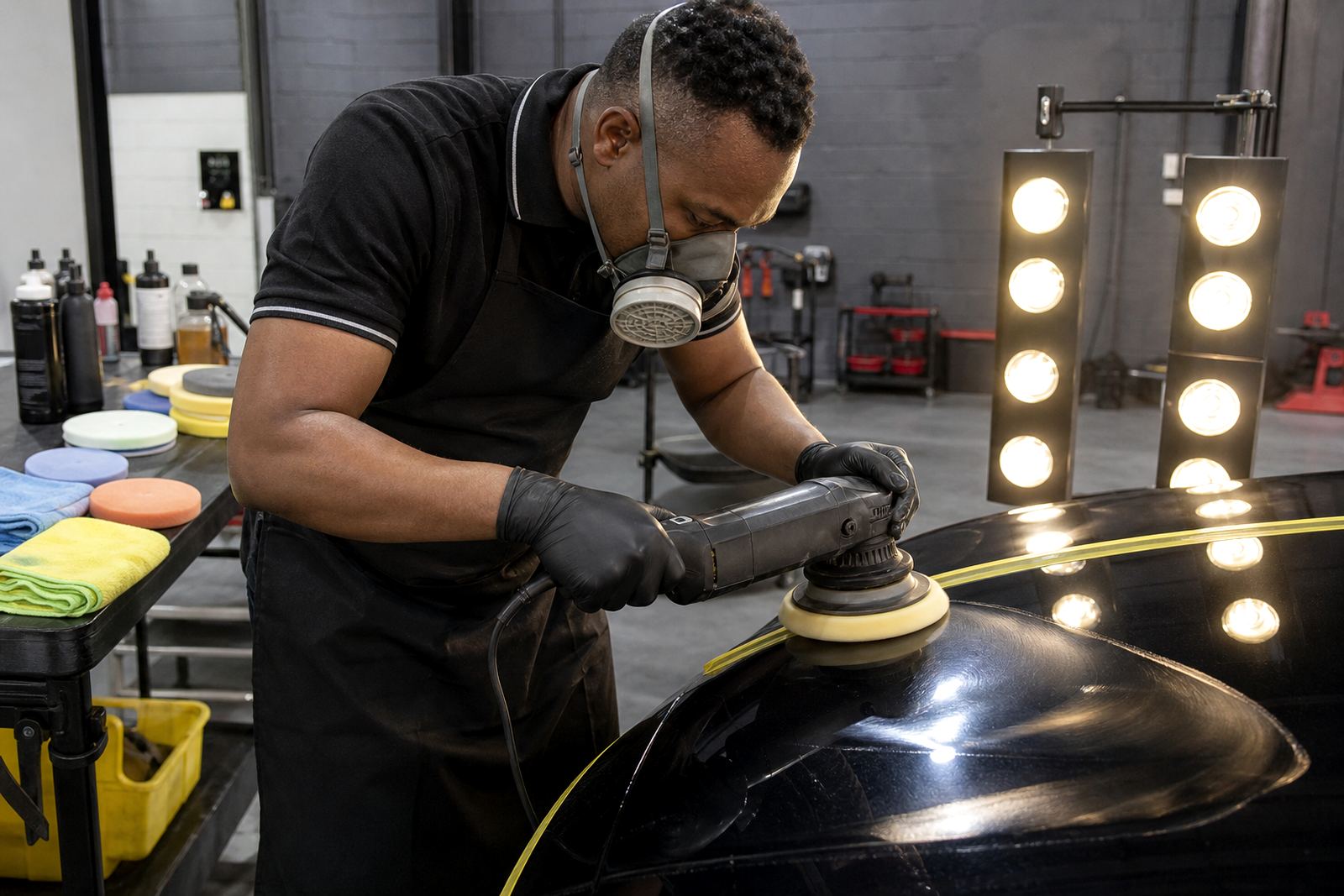
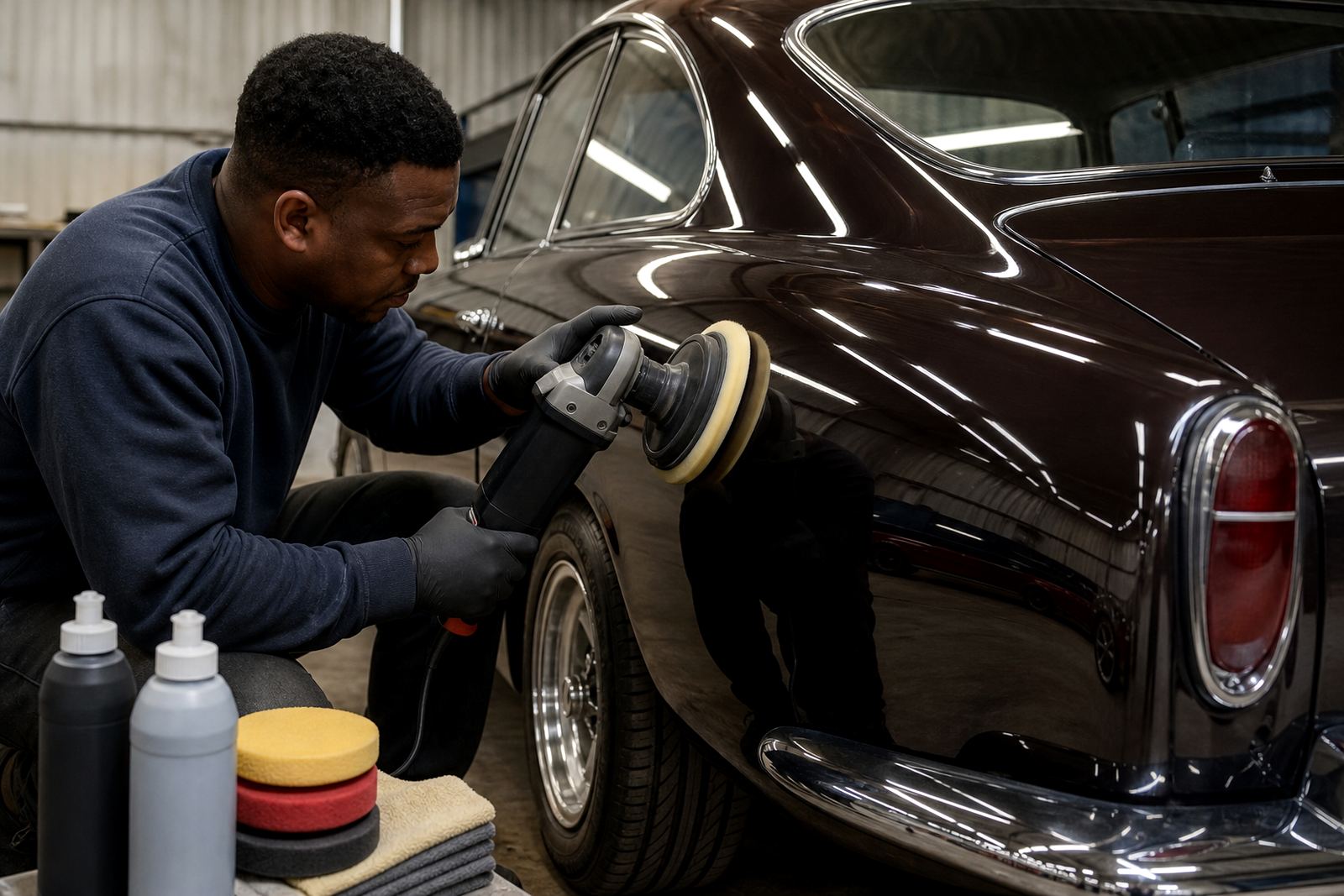
Paint polishing is usually done in stages rather than all at once. The first step is inspection under bright light, because swirl marks, sanding haze, water spots and deeper defects all need different treatment. A cutting compound removes heavier marks, then a finishing polish refines the surface and improves gloss. On some jobs, one stage is enough. On others, the surface needs a cut, a refine and then a final hand check.
Good technique matters just as much as product selection. Keep the pad as flat as possible, work in small sections, and do not push the machine to remove damage that should really be sanded or repainted. A practical method many users follow is as follows:
- Wash and dry the panel properly before any machine work
- Mask trims, badges and sharp edges
- Test a small area first with the mildest safe combination
- Use clean pads and change them when they clog
- Wipe residue often so you can see real progress
Buffing Metal for a Cleaner Finish
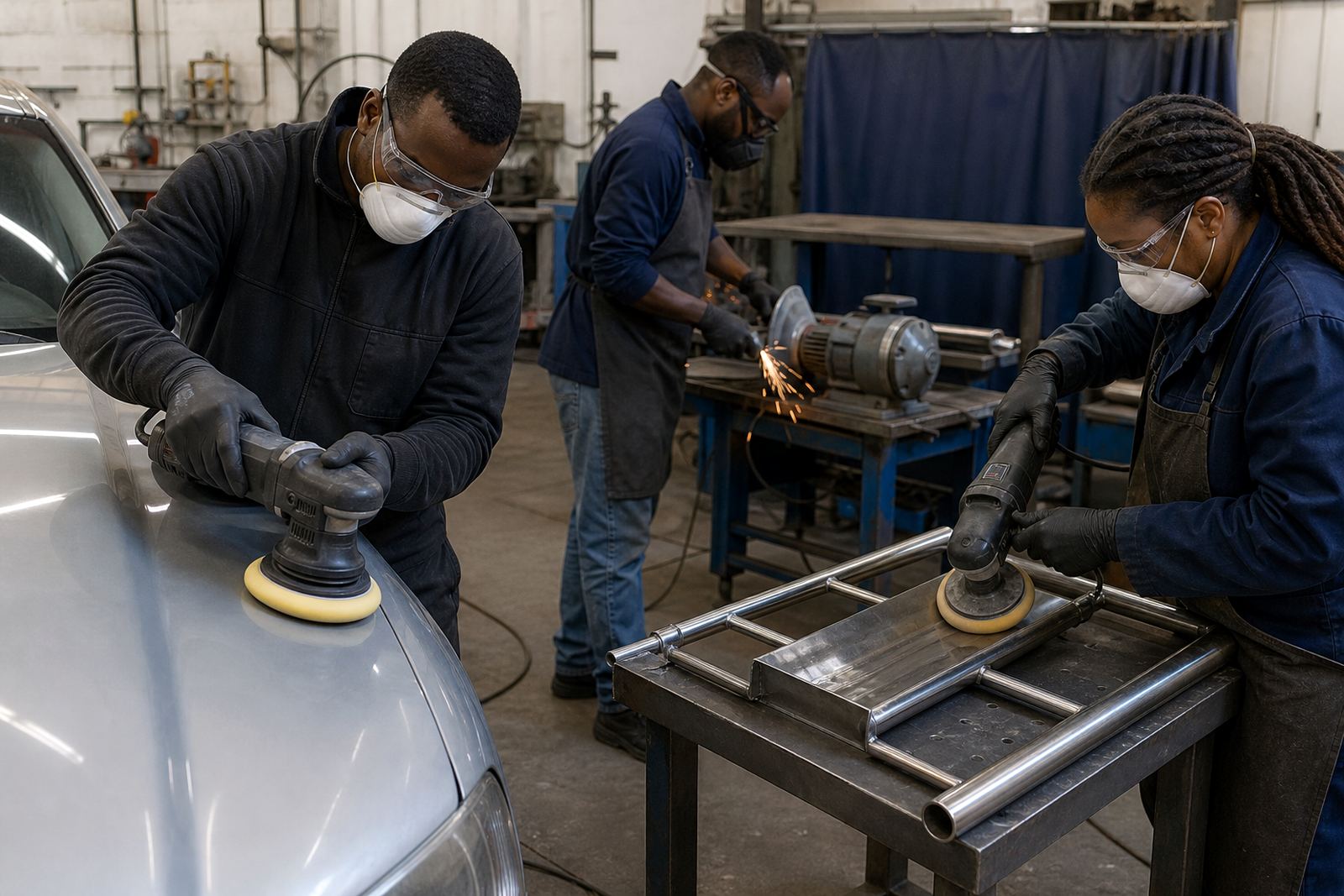
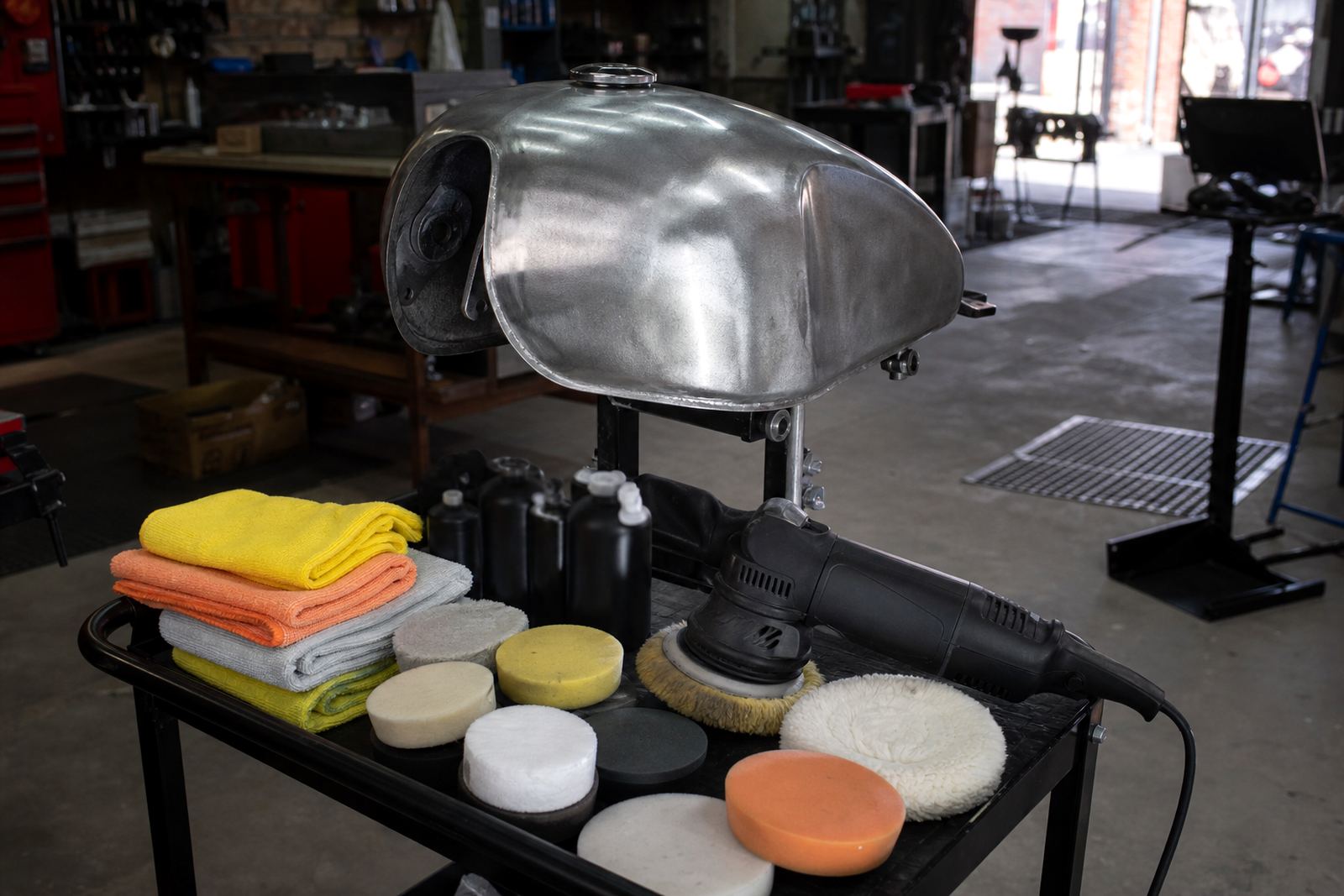
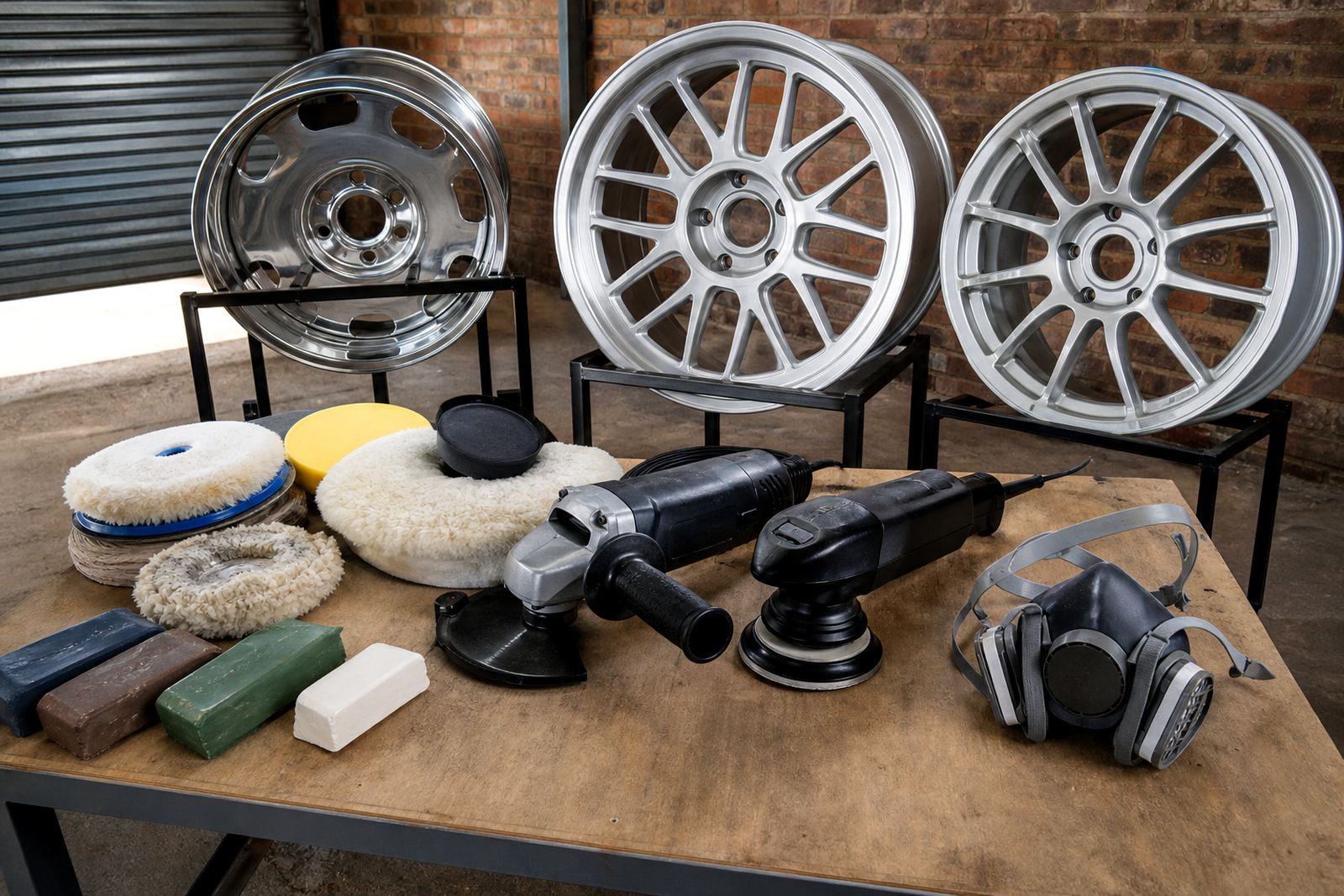
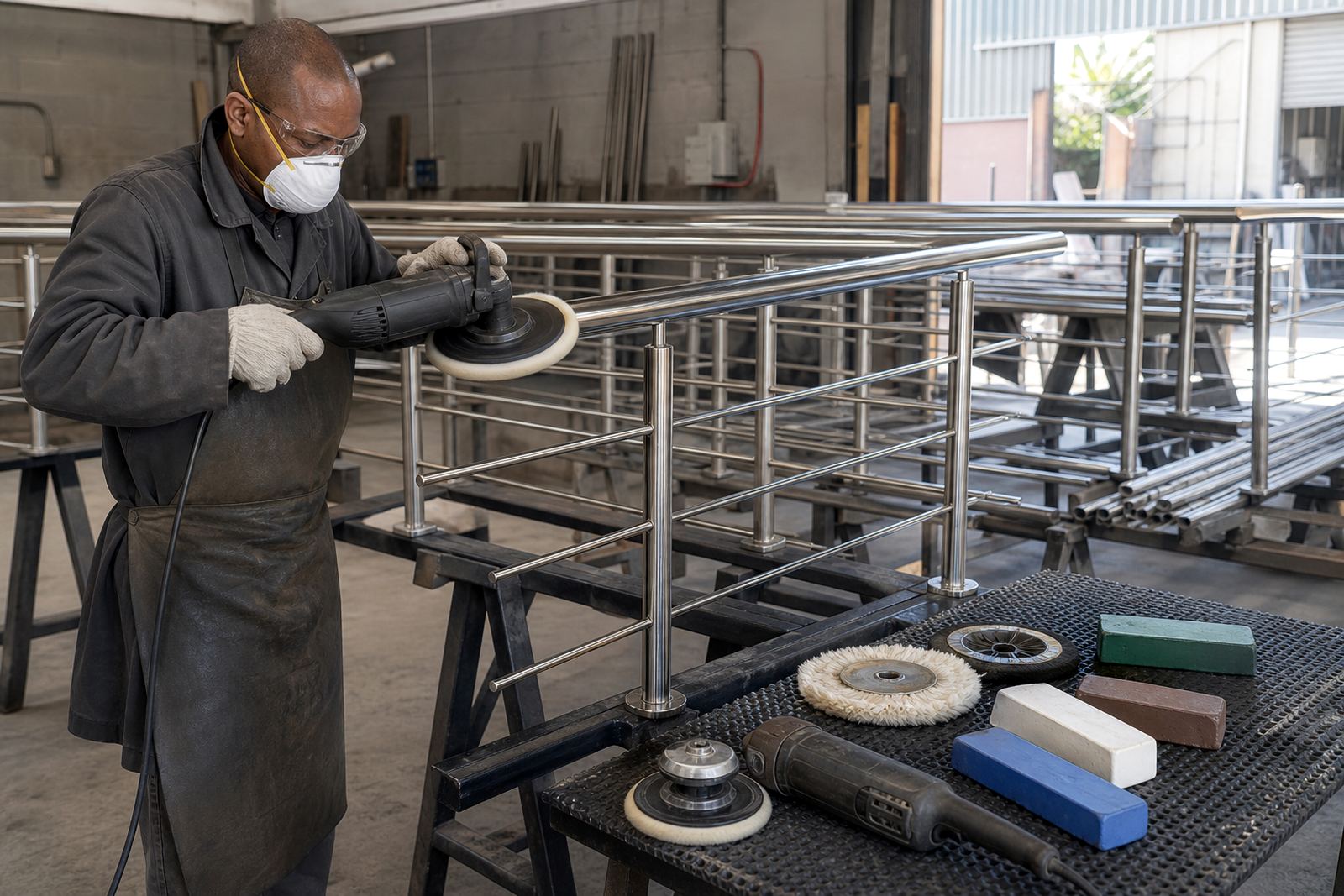
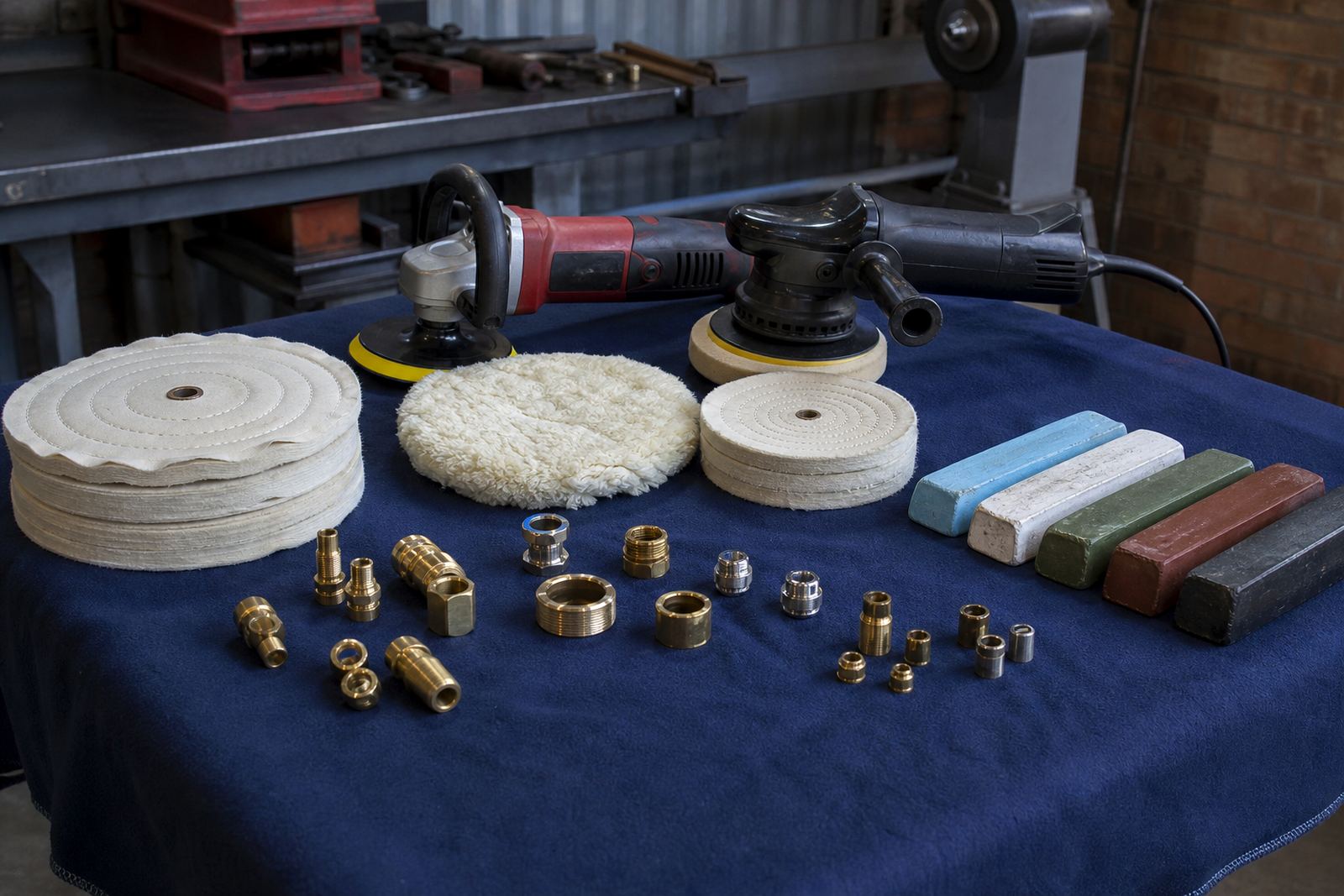
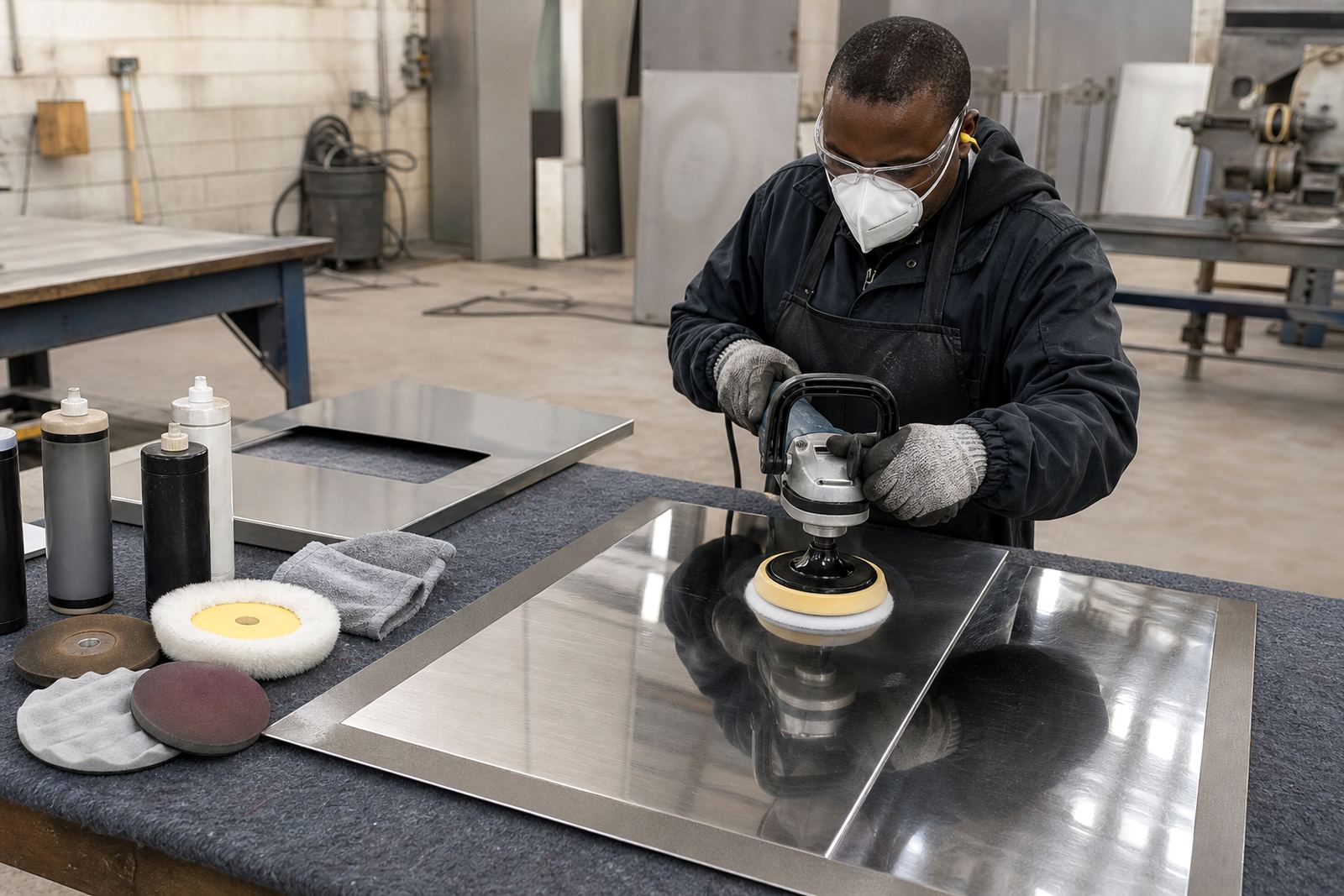
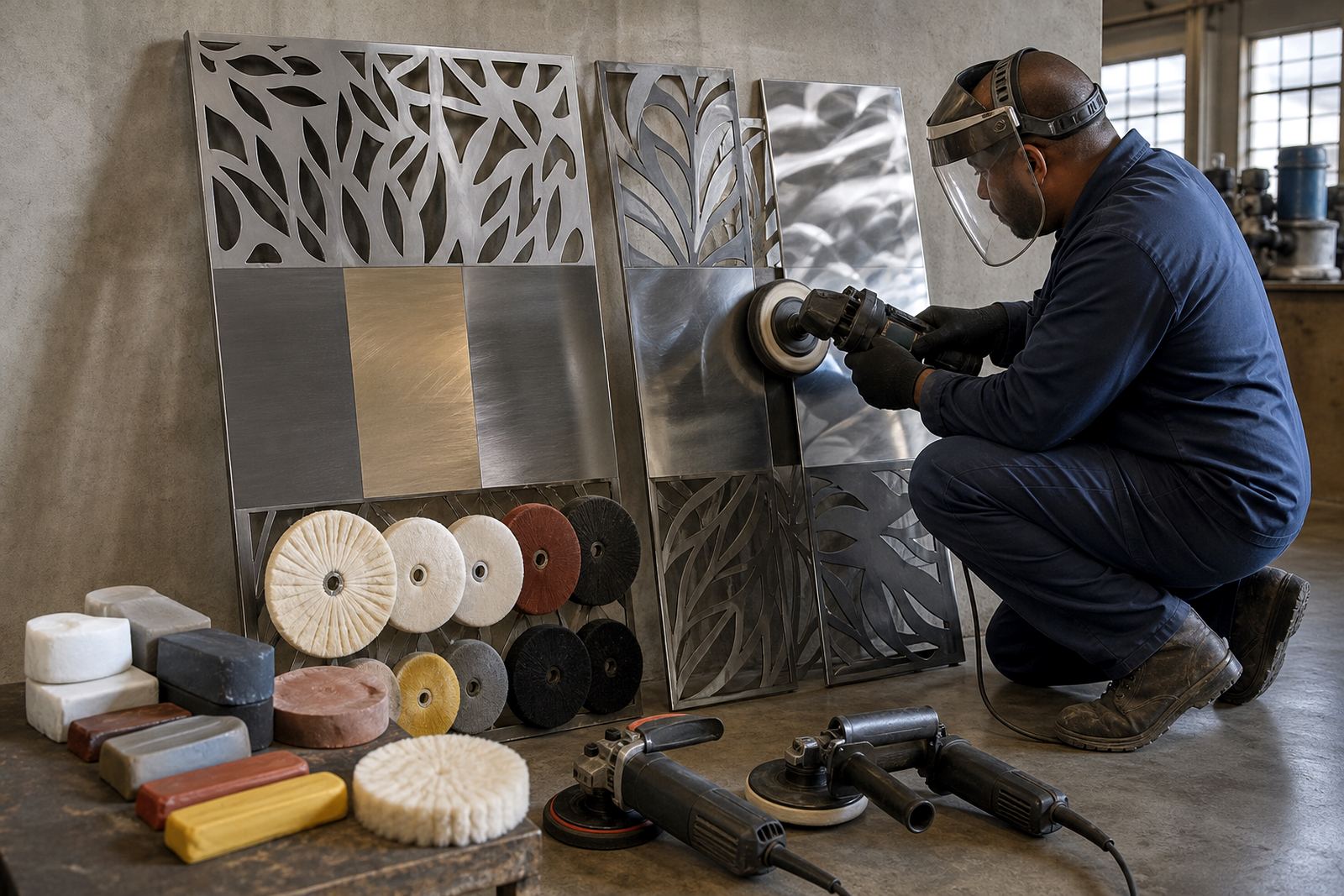
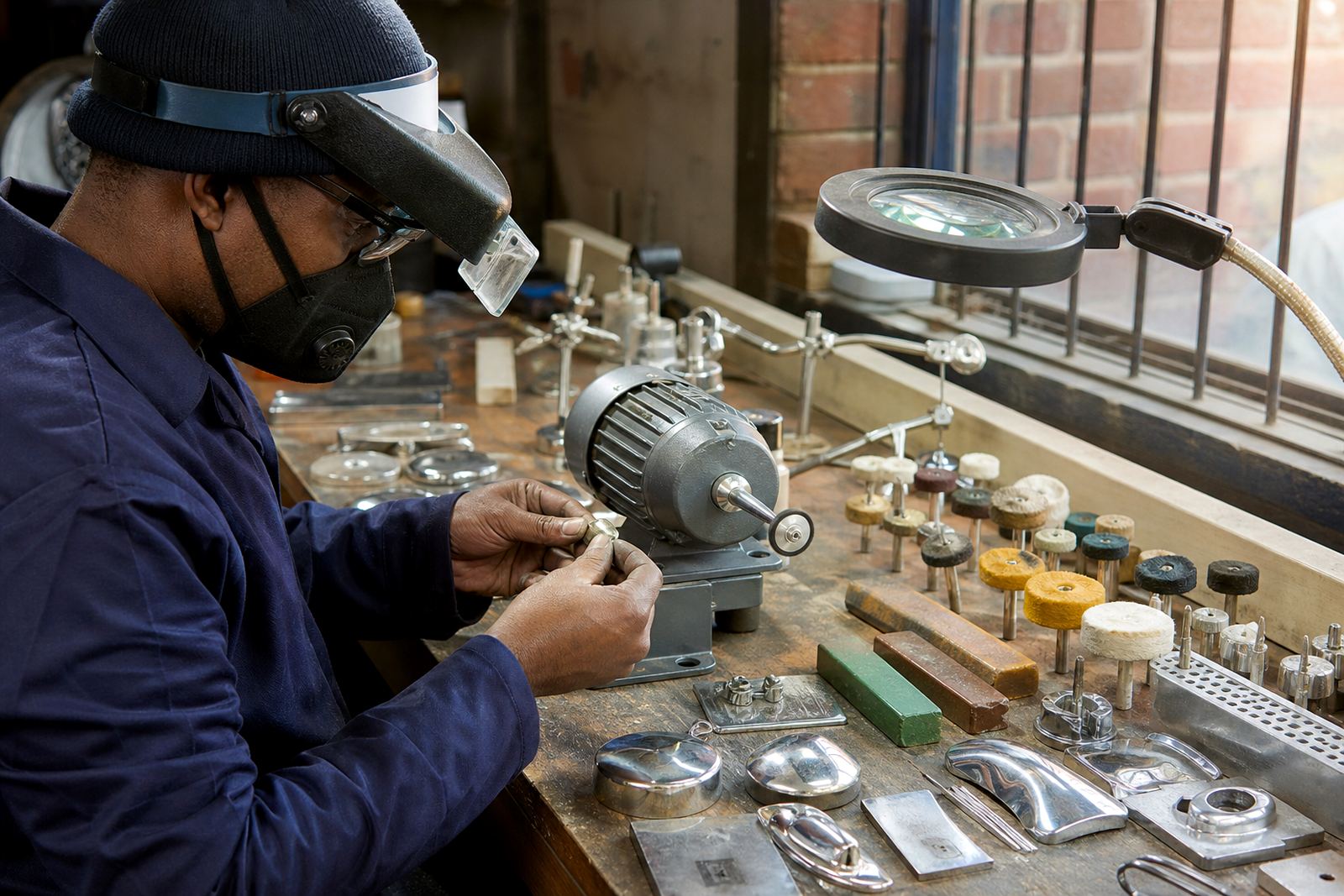
Metal buffing is common on stainless steel, aluminium, brass and mild steel parts, from decorative trim to workshop components. The aim may be shine, surface cleaning or preparation for another coating. A stitched buff or loose buff is selected according to the level of cut needed, while compounds range from coarse cutting bars to finer colouring products. The wrong pair can leave drag marks, streaking or a dull patch that takes longer to recover from.
Metal finishing also needs a steady hand because edges heat up fast and thin sections can distort. Dust and old residue should be removed before you start, especially on older parts where contamination can scratch the face of the work. In coastal areas like Durban or Cape Town, humidity can bring rust back quickly, so cleaned parts should be dried and protected soon after polishing.
Picking Buffs and Compounds Without Guesswork
Pad and compound matching is where many jobs go right or wrong. Foam pads are often used on paint because they give more control over finish level, while wool and stitched buffs are common on metal where stronger cut is needed. Compounds should match the pad and the job stage. A heavy cutting compound on a soft finishing pad may be too weak, while an aggressive buff on delicate paint can leave trails and require more rectifying.
For many users, the safest path is to start mild and increase only if the test area proves the need. This saves time and reduces material waste. It also helps when training new staff because they can learn the difference between correction, refinement and final finishing without jumping straight to the most aggressive setup.
- Use coarse cut only where defects justify it
- Move to a finer compound once the surface is level
- Keep separate pads for separate compounds
- Clean pads often to prevent loaded residue
Safety, PPE and Workshop Discipline
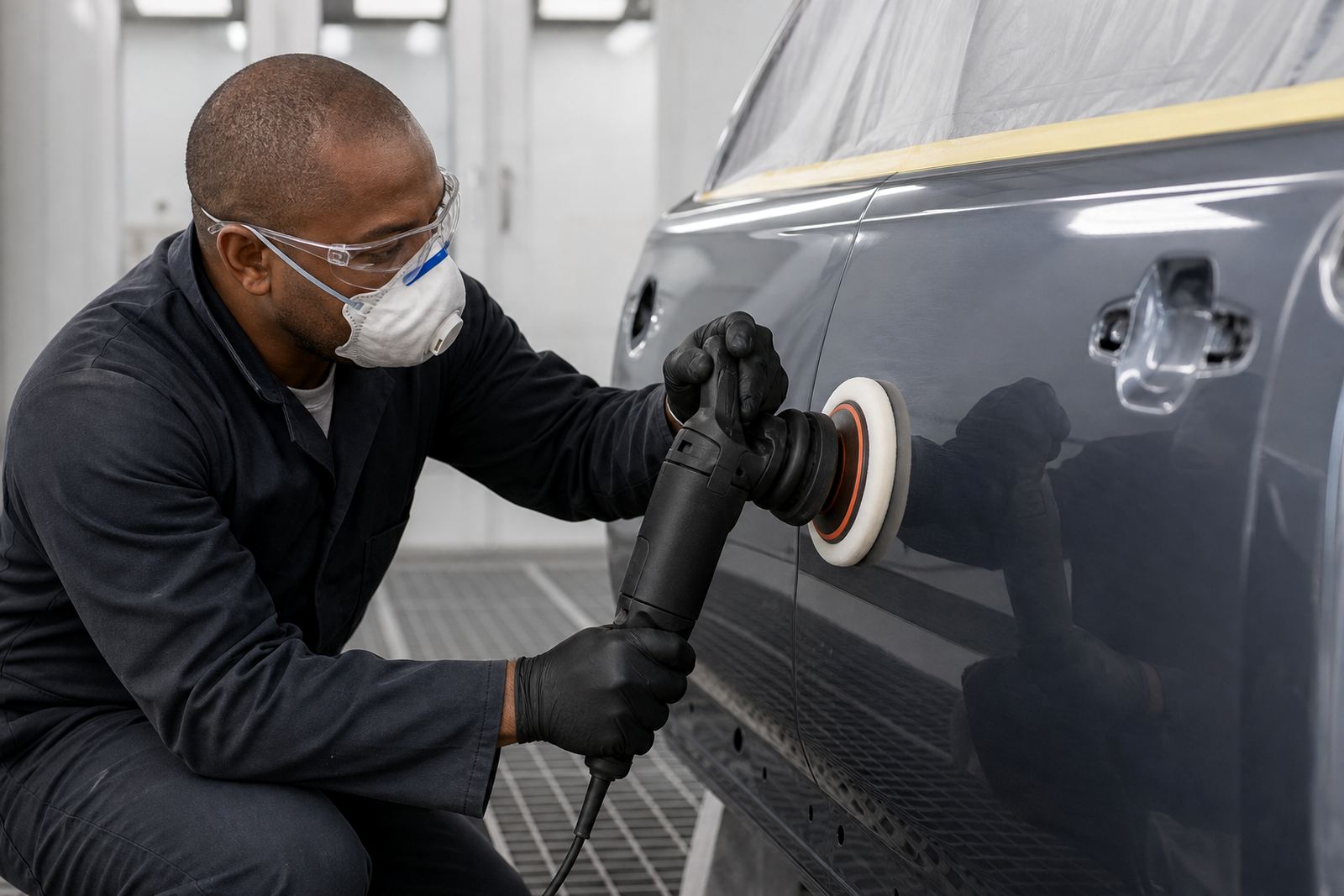
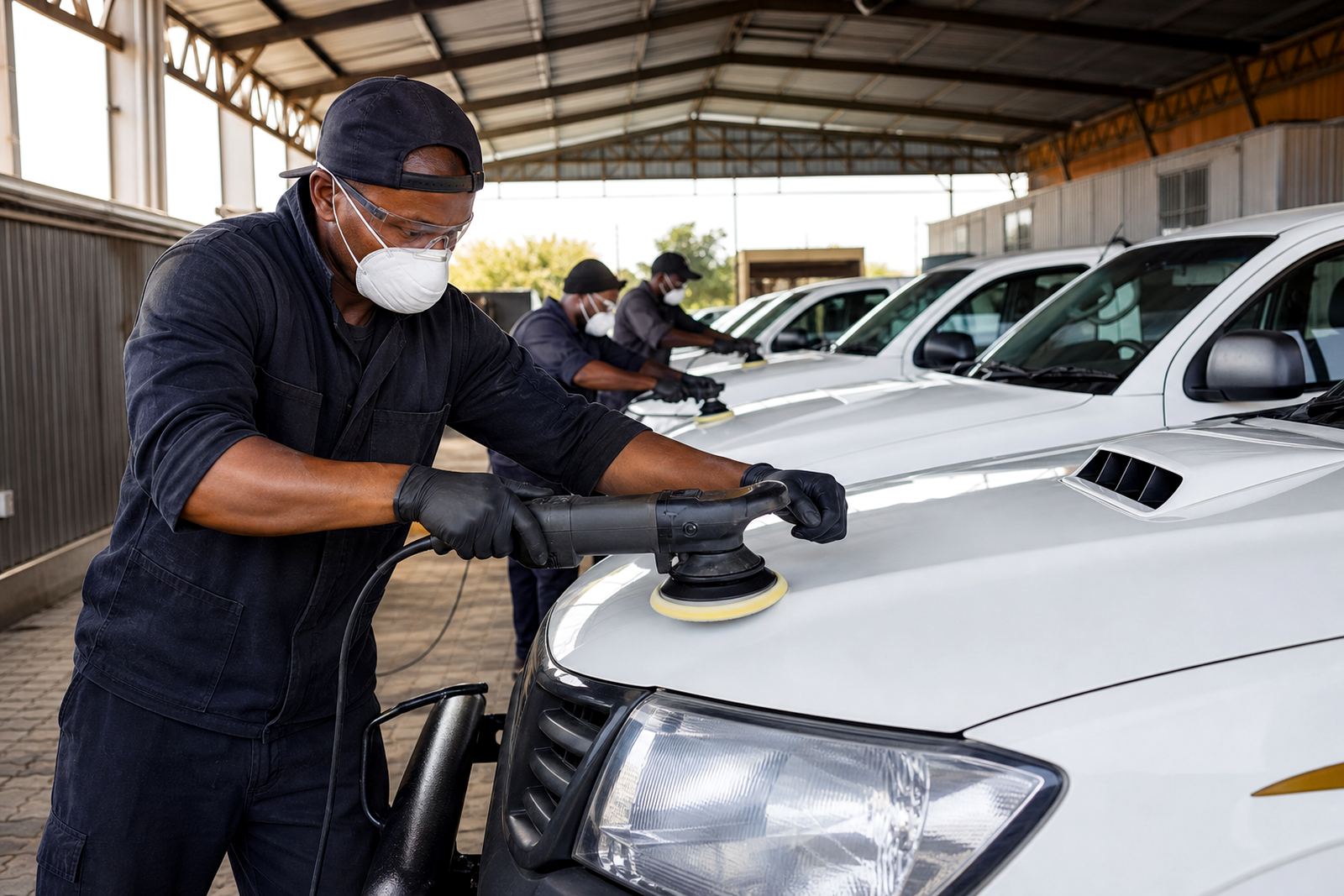
Polishing creates dust, sling and fine residue, so PPE matters. Eye protection, gloves where suitable, and a proper dust mask or respirator should be part of the setup. Hearing protection may also be needed in busy workshops. Keep loose clothing away from rotating parts, and never work near flammable solvent vapours or poor ventilation. This is especially important in enclosed spray areas and small garage spaces.
Before each session, check cables, backing plates and buff condition. A damaged pad can fail at speed, and a worn cable is an avoidable hazard. If you are training a team, a short safety briefing should cover machine grip, panel edges, lead management and safe cleanup at the end of the job. That discipline saves time and prevents injuries.
Training, Starter Kits and Job Setup Support
Some customers only need help selecting a machine and the right consumables, while others want structured guidance for their staff or workshop. Beginner Polishing Training is useful for newcomers who need to understand basic technique, pad choice and cleaning between stages. More focused sessions such as Rotary Skills Session, DA Skills Session and Metal Buffing Training help users build confidence on specific surfaces and tools.
Starter kit consultation, machine care guidance and workshop setup advice are practical for growing teams in Johannesburg, Pretoria, Cape Town, Durban, Bloemfontein and across the East Rand and Vaal Triangle. If you are restocking consumables or planning onsite team demo work, it helps to list the types of jobs you do most often, so the setup matches the work instead of forcing one method onto every surface.
How We Support Finishing Work Across South Africa
Our Germiston base supports polishing work for both paint and metal finishing across South Africa. The process usually starts with a clear enquiry through the contact page, then the job type, surface condition and skill level are discussed so the recommendation fits the actual task. That could mean a basic machine for light correction, a more controlled dual-action option for general paint care, or a rotary setup for heavier cutting and metal work.
Whether the work is for a single vehicle, a workshop floor plan or a team learning how to handle compounds properly, the aim is the same: clean results, less wasted product and safer handling from the first pass to the final wipe.