

Choose The Right Polisher For The Job
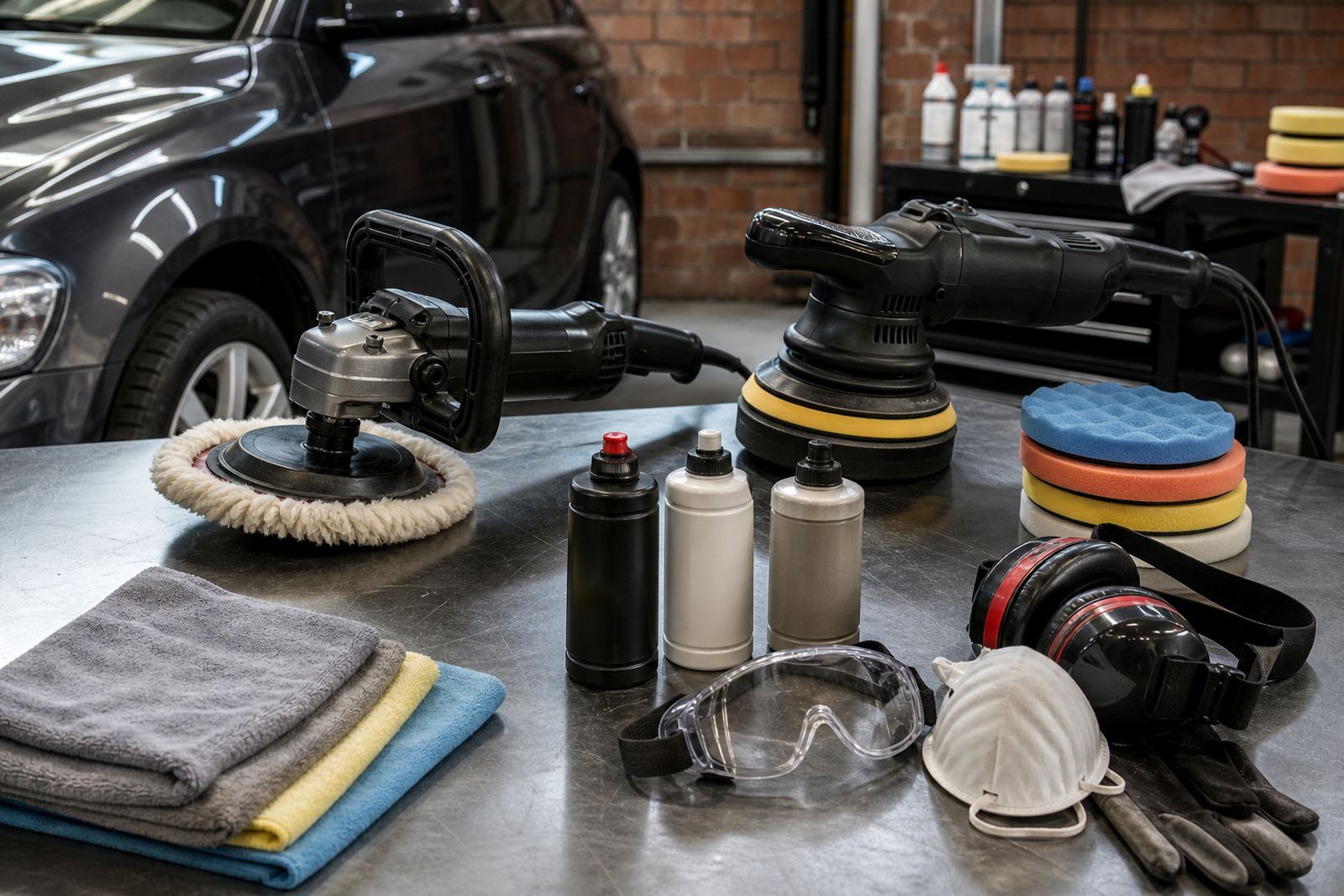
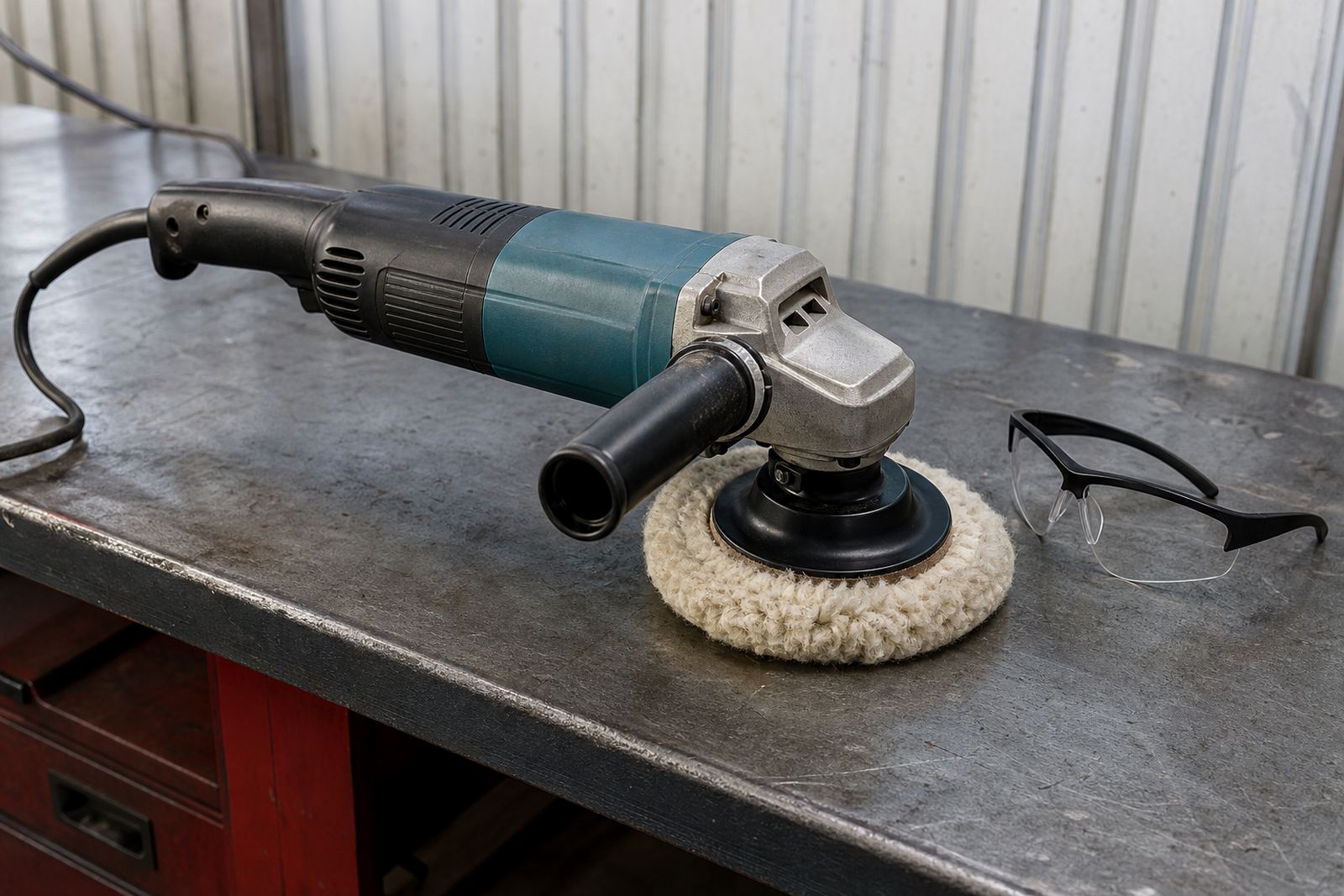
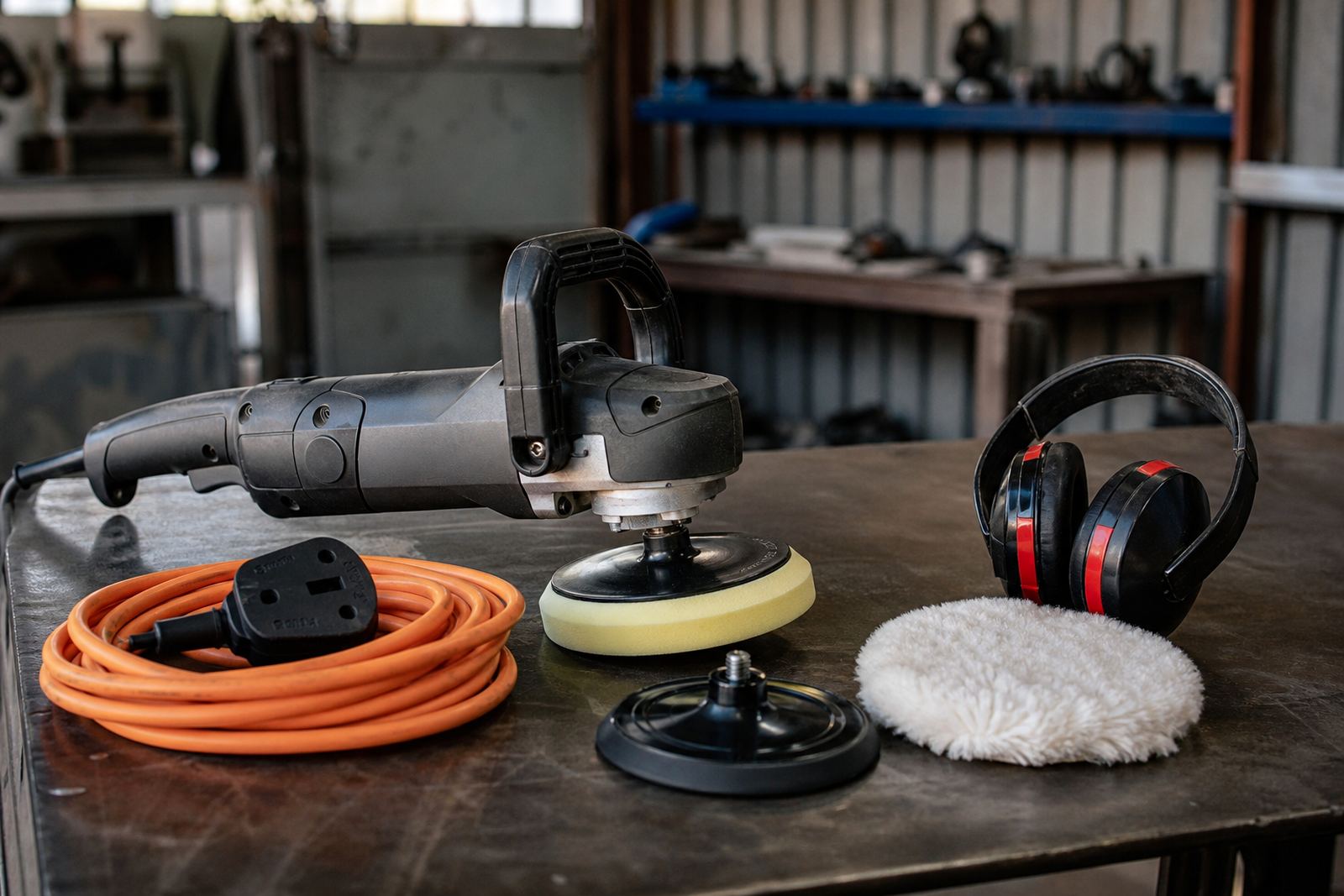
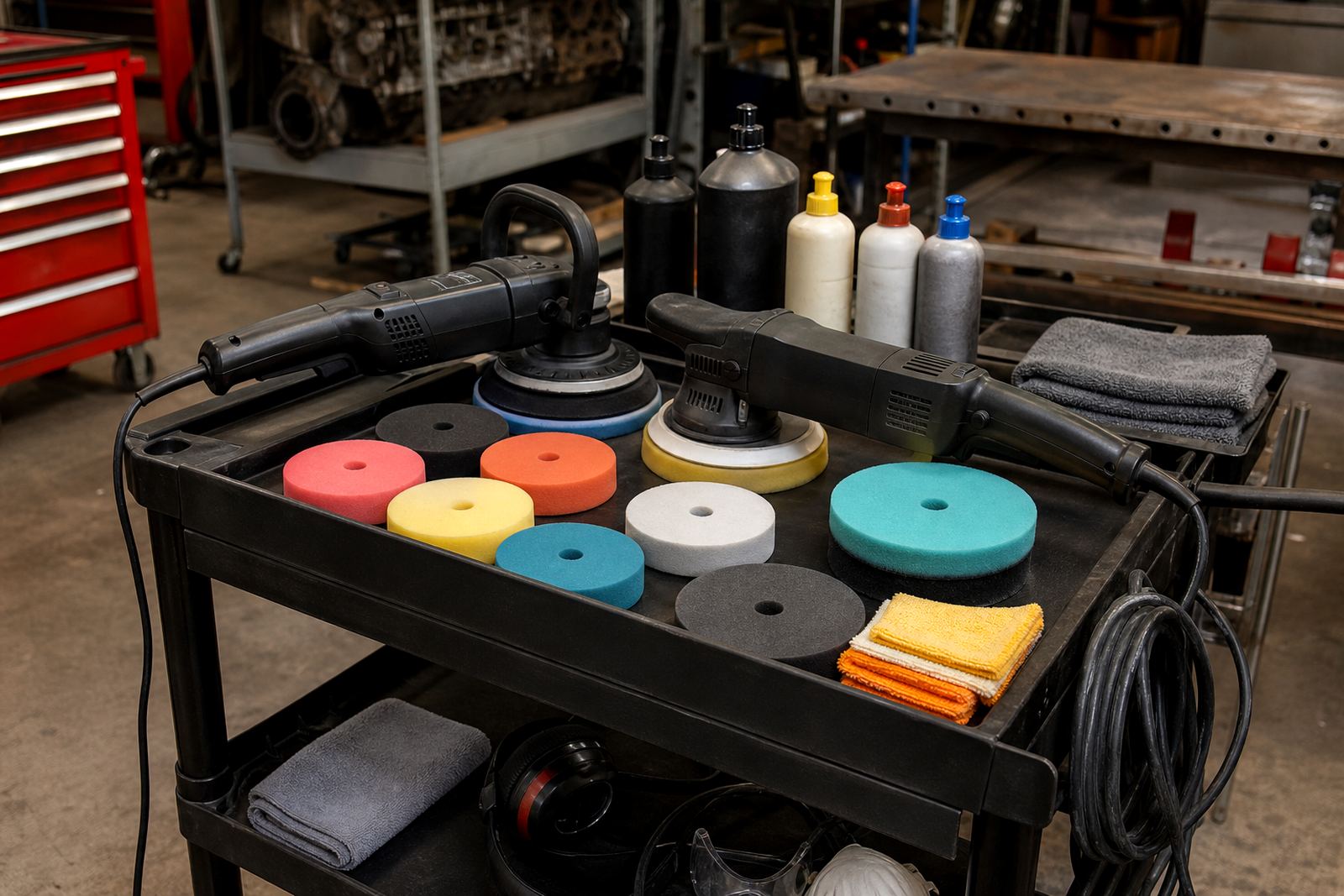
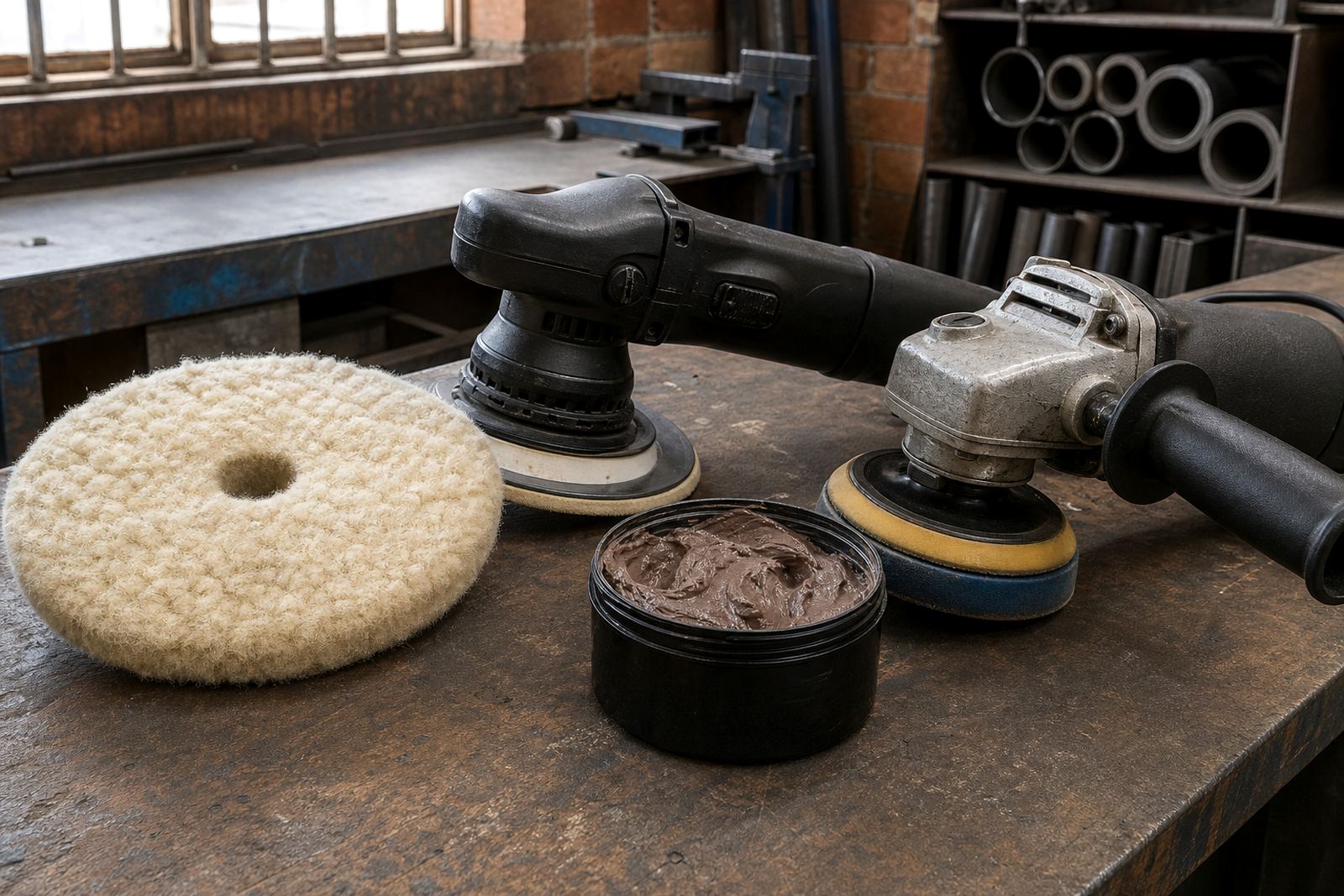
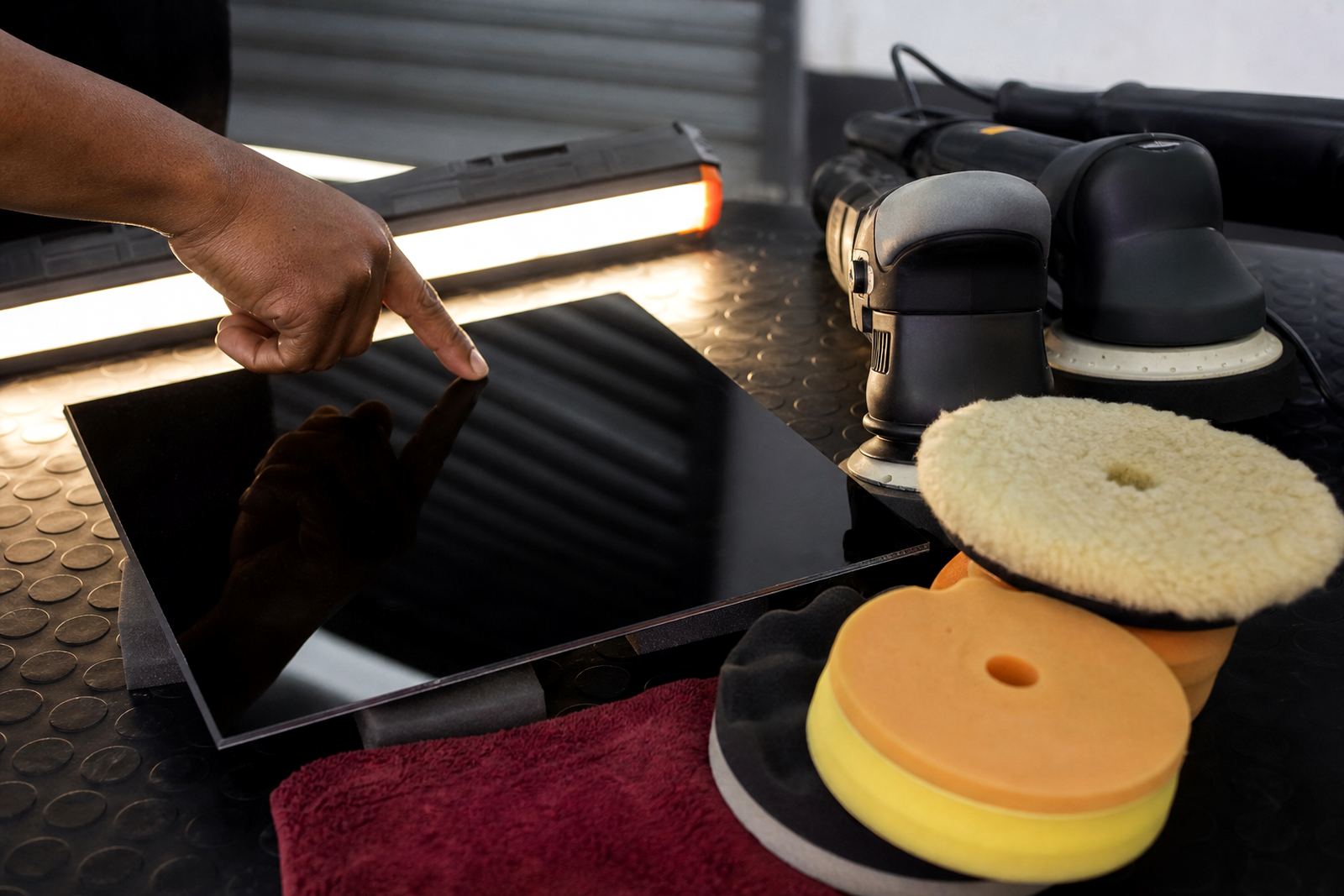
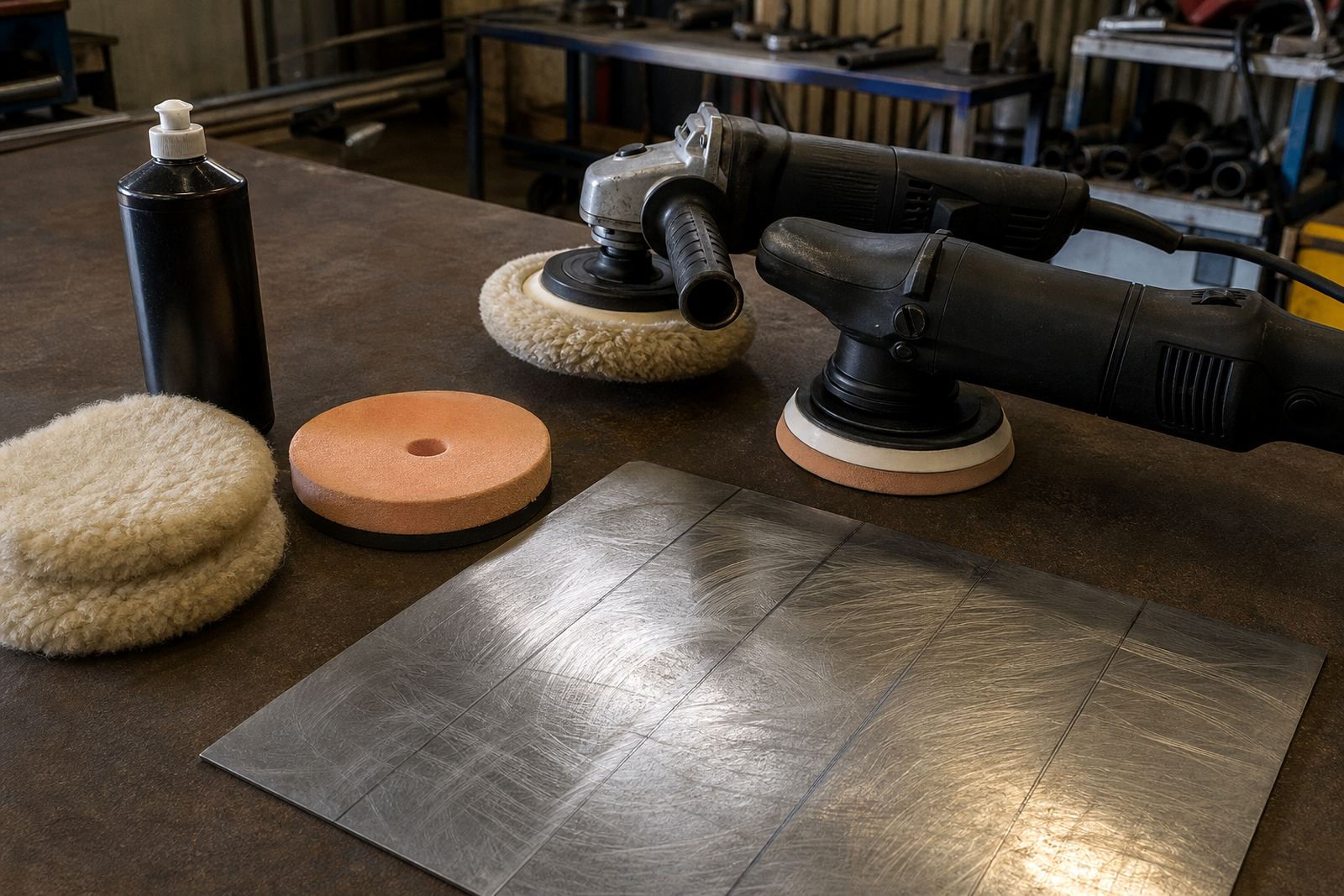
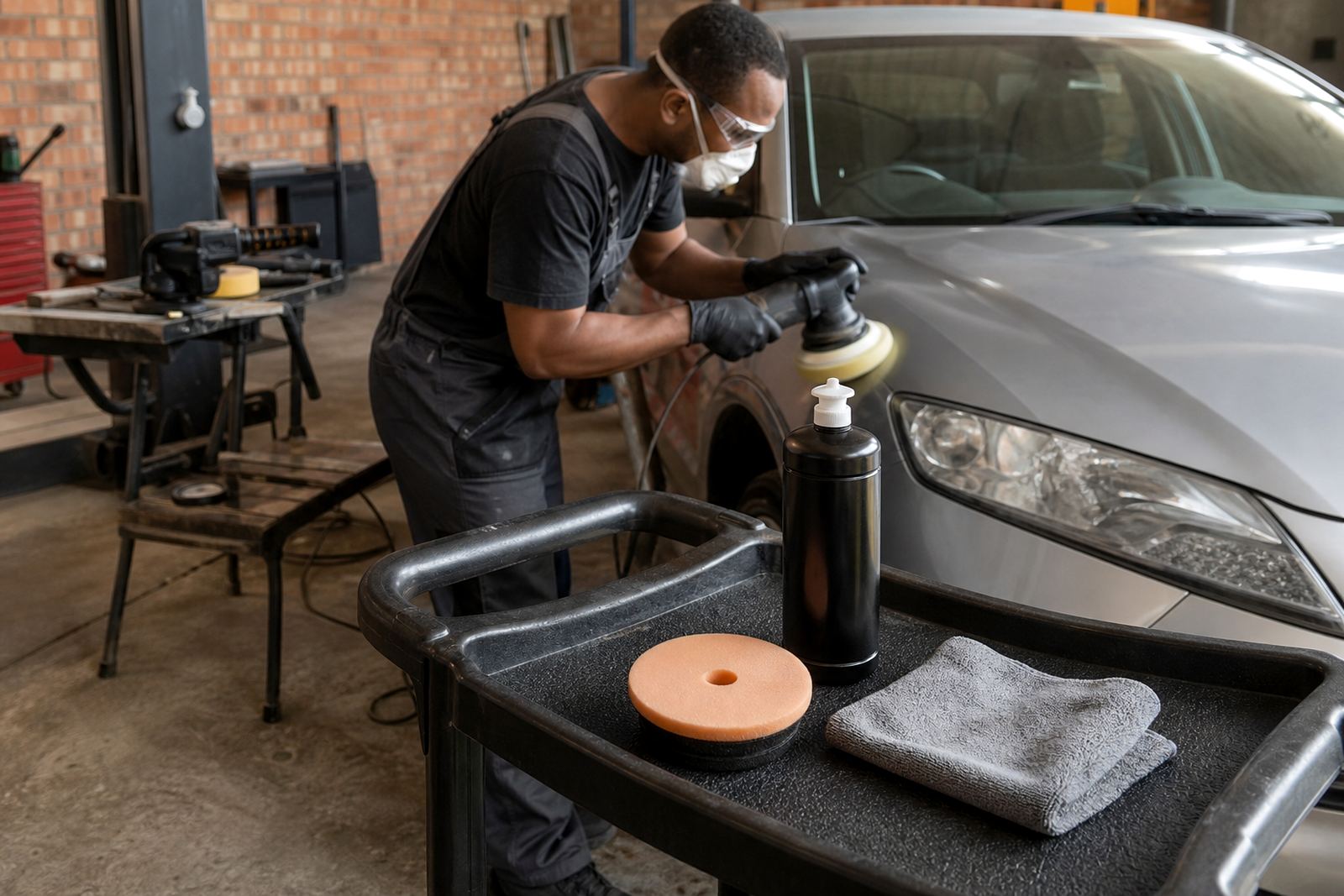
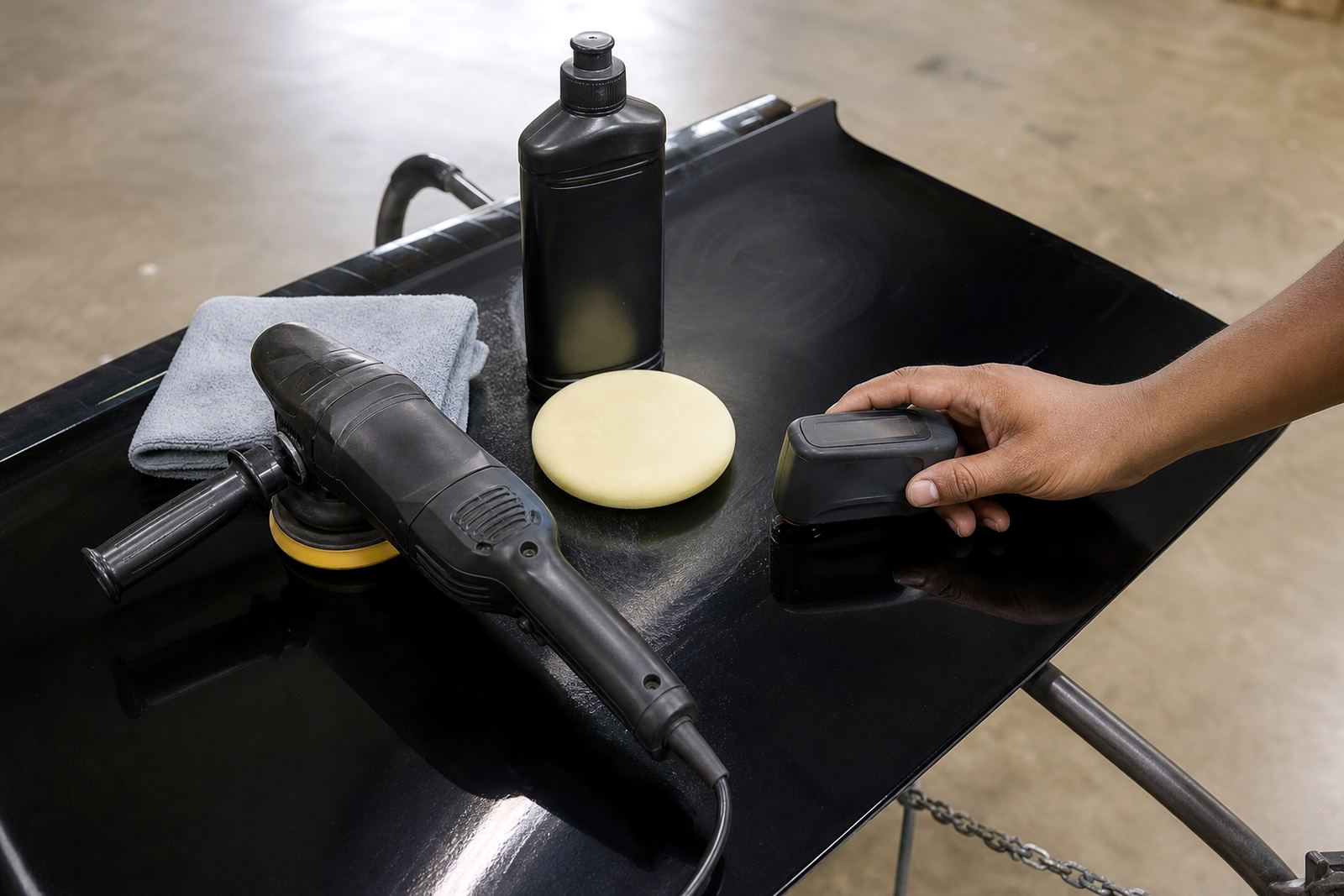
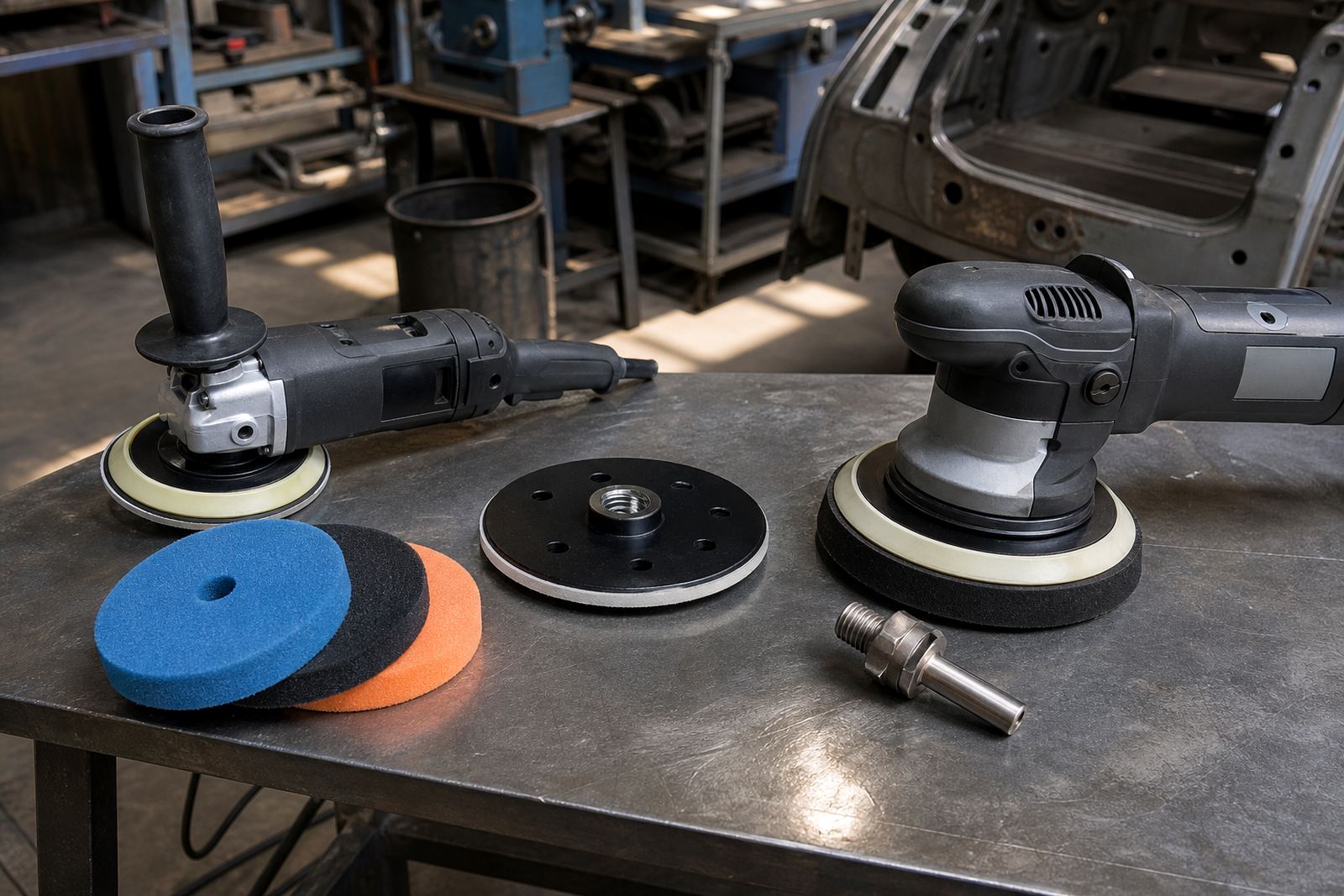
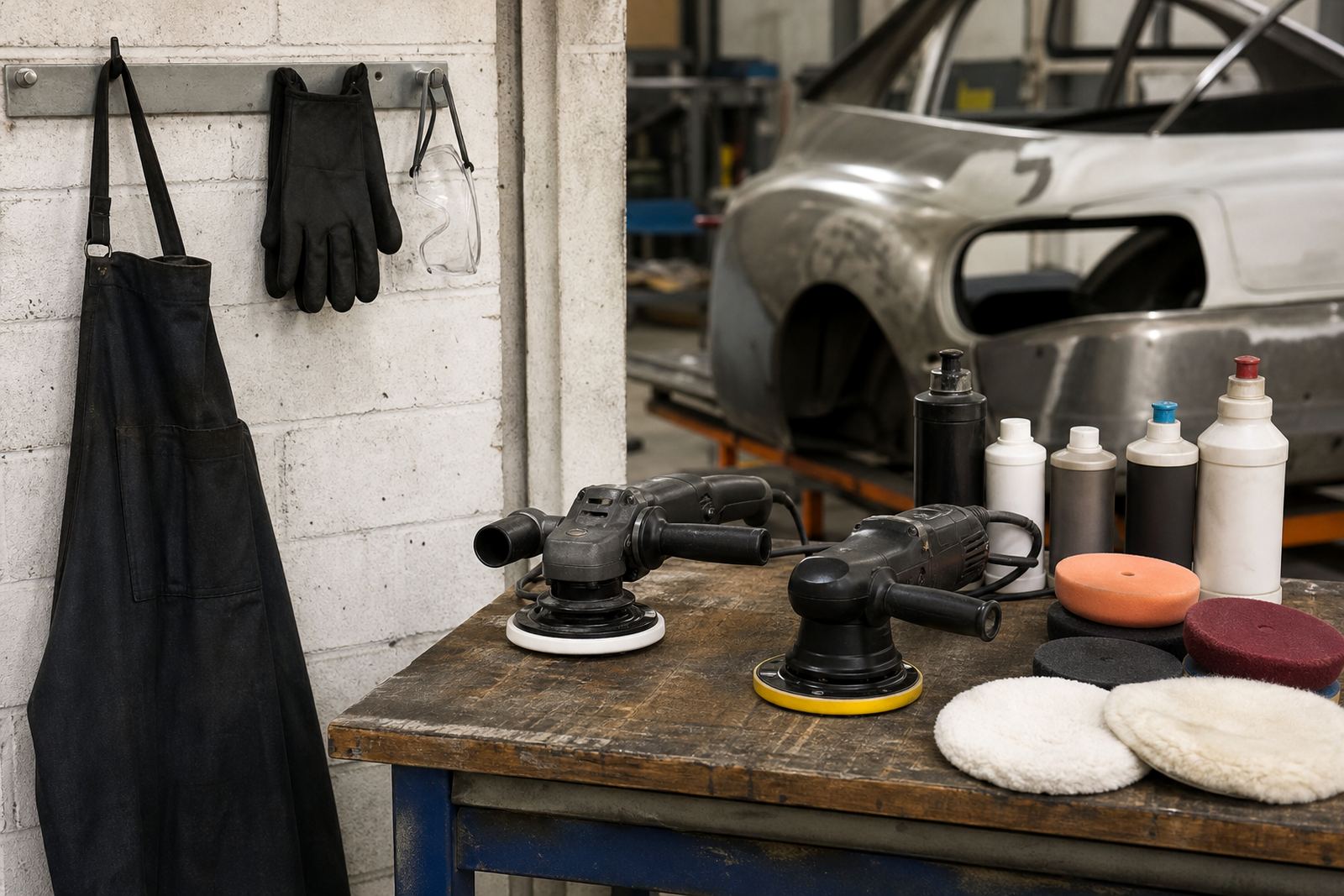
Polishing starts with matching the machine to the surface and the result you want. Rotary polishers give direct cutting action and are common for heavier correction on metal, oxidised paint and workshop jobs where an experienced hand is needed. Dual-action polishers move in a random orbit, which makes them easier to control and better suited to paint refinement, lighter defect removal and finishing work on panels that need a safer learning curve.
For small areas, curved parts and detailed finishing, a lighter machine can save time and reduce the risk of heat build-up. On larger panels, a balanced body and good pad control matter just as much as motor power. If you are working in Germiston, Johannesburg or Pretoria where workshop turnaround is tight, the right machine helps you move from cutting to finishing without extra rework.
- Rotary for more direct correction and metal polishing
- Dual-action for safer paint finishing and finer control
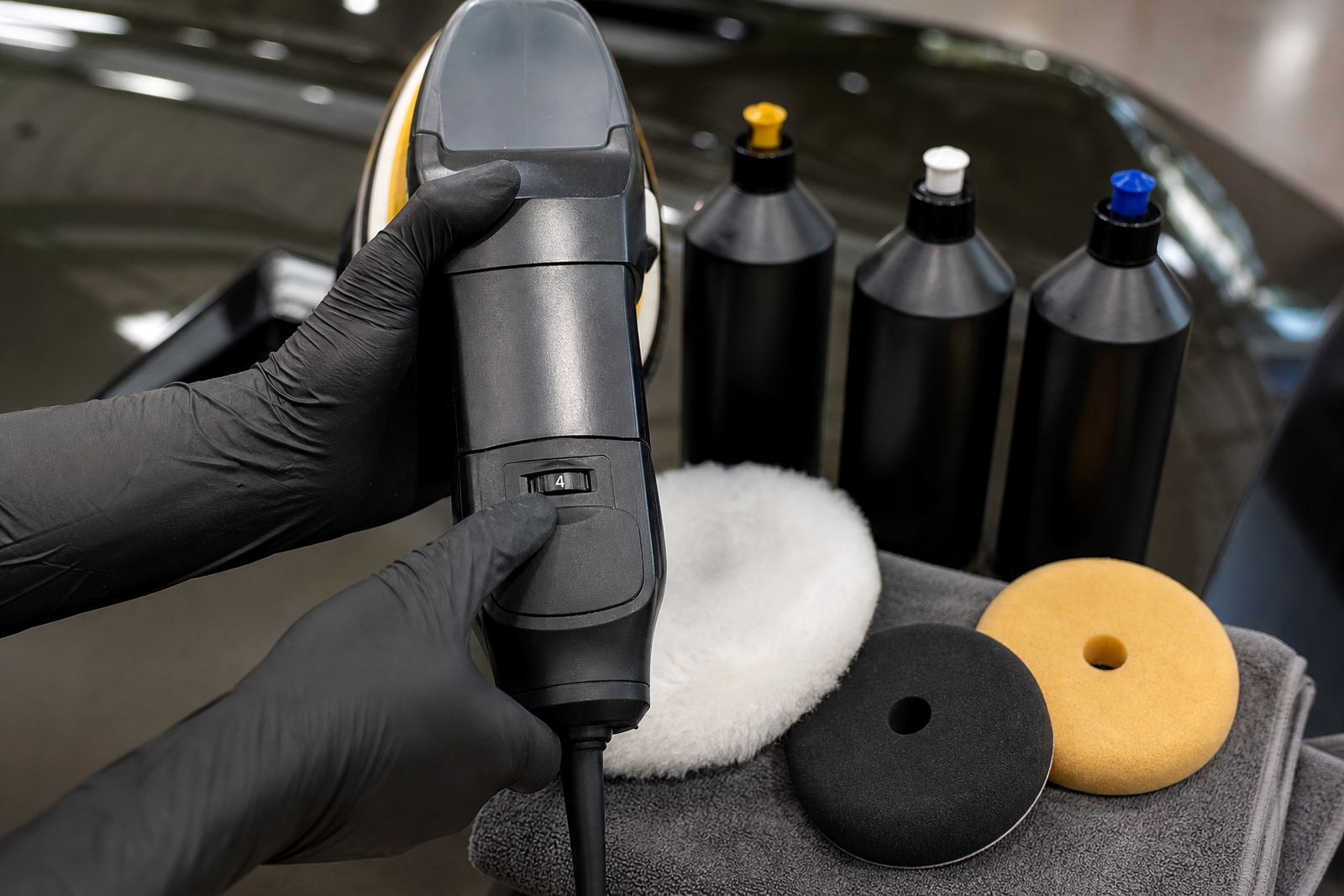
- Variable speed for better control on edges and curves
- Comfortable grip for longer sessions in the workshop
Buffs, Pads And Compounds That Match The Surface
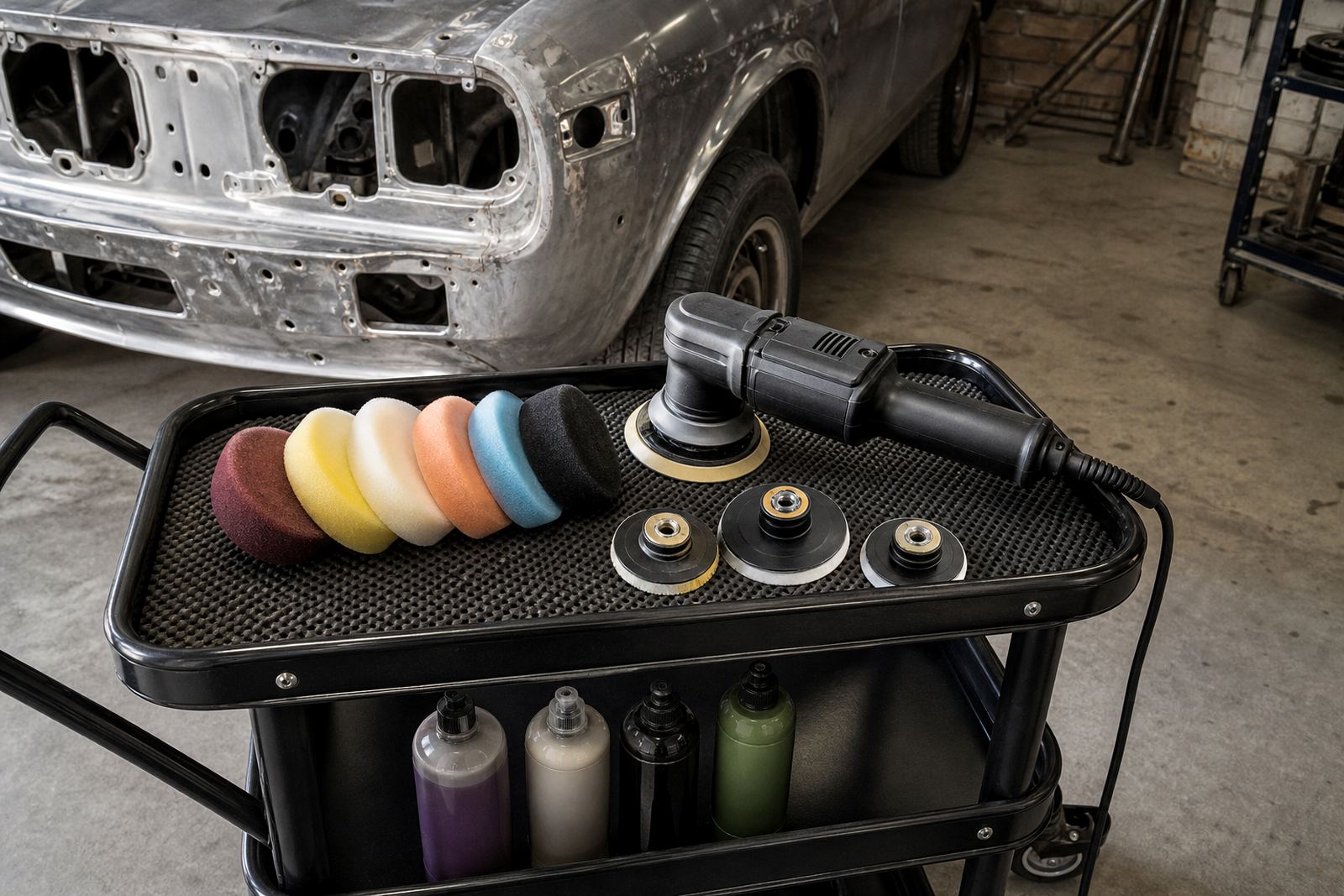
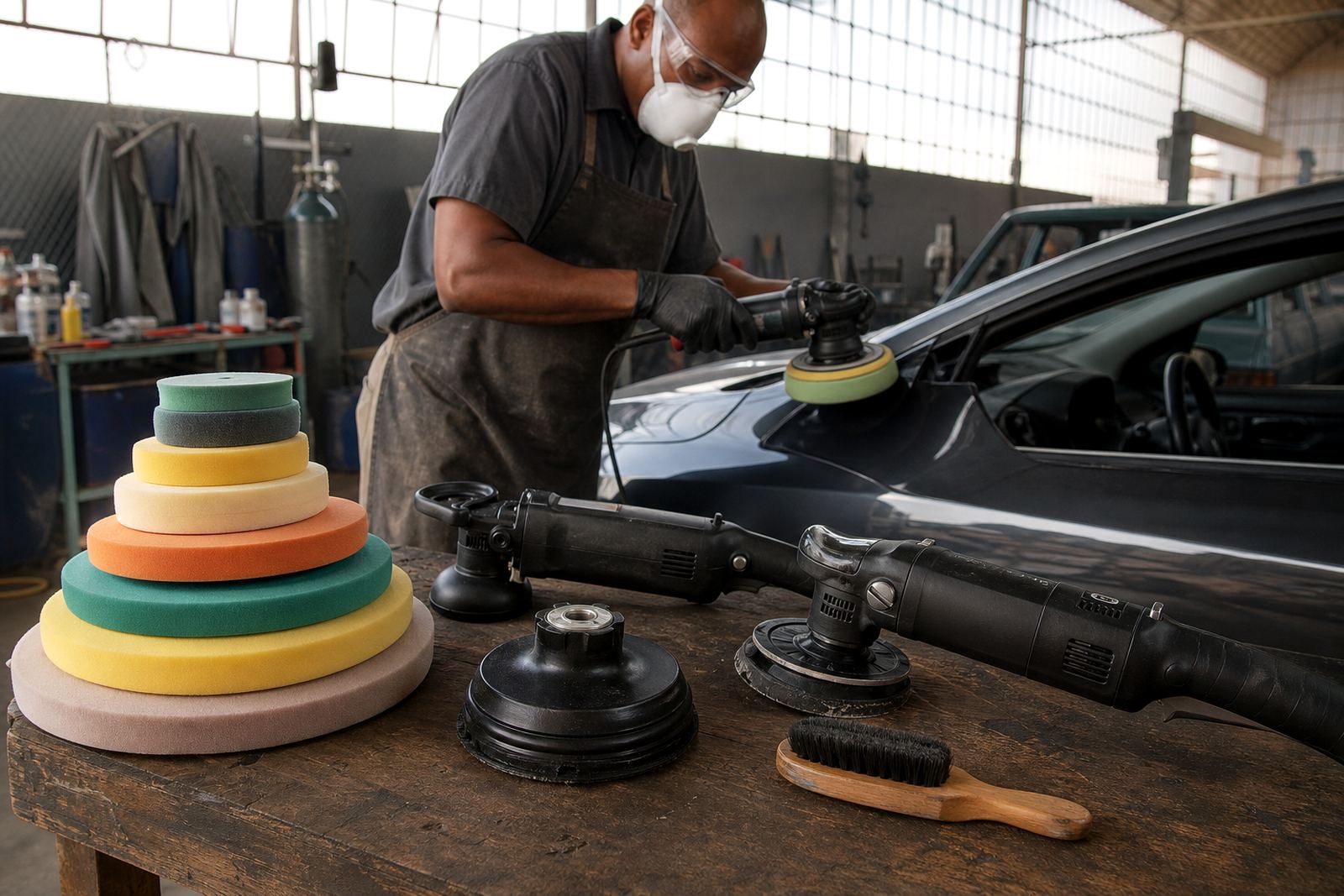
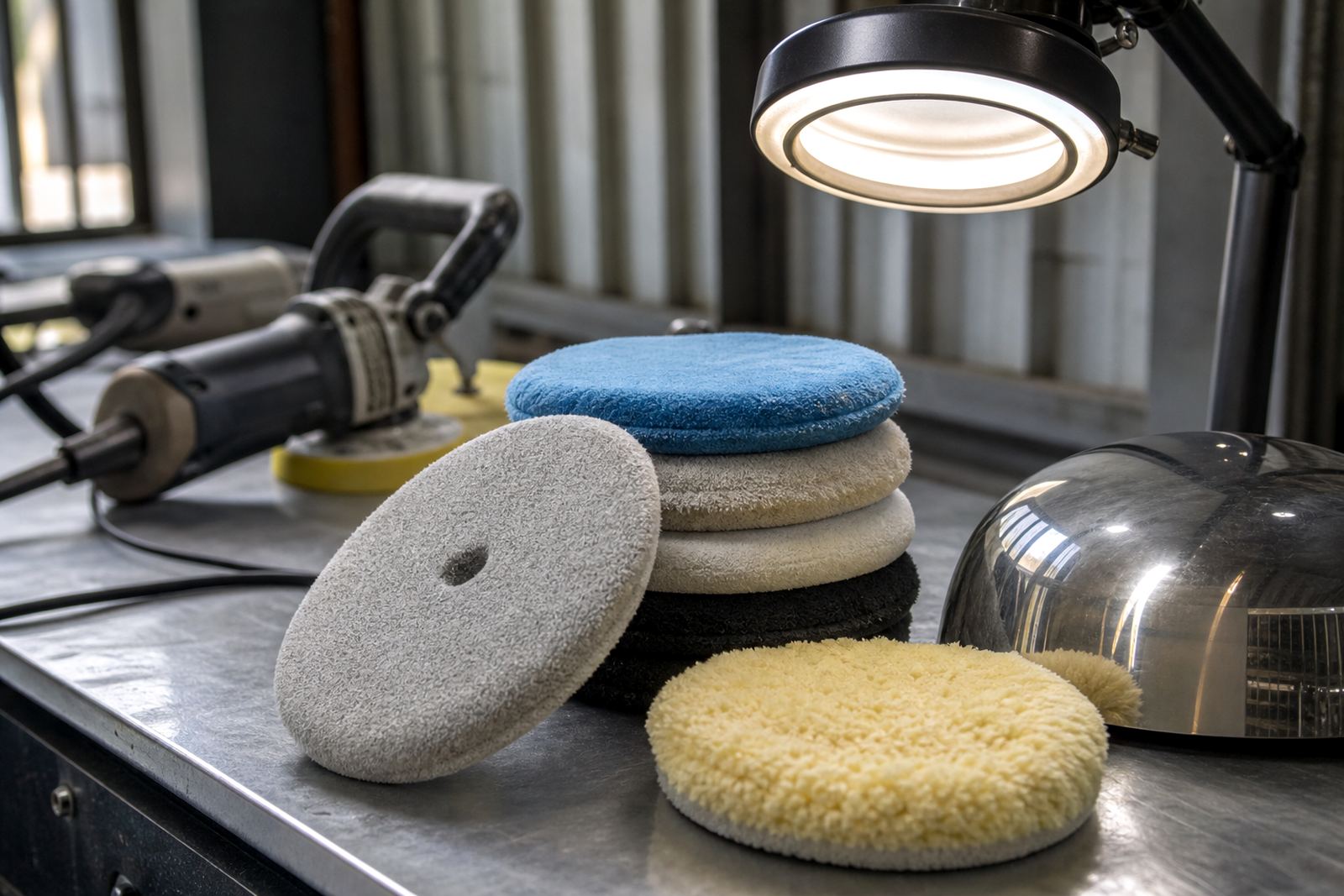
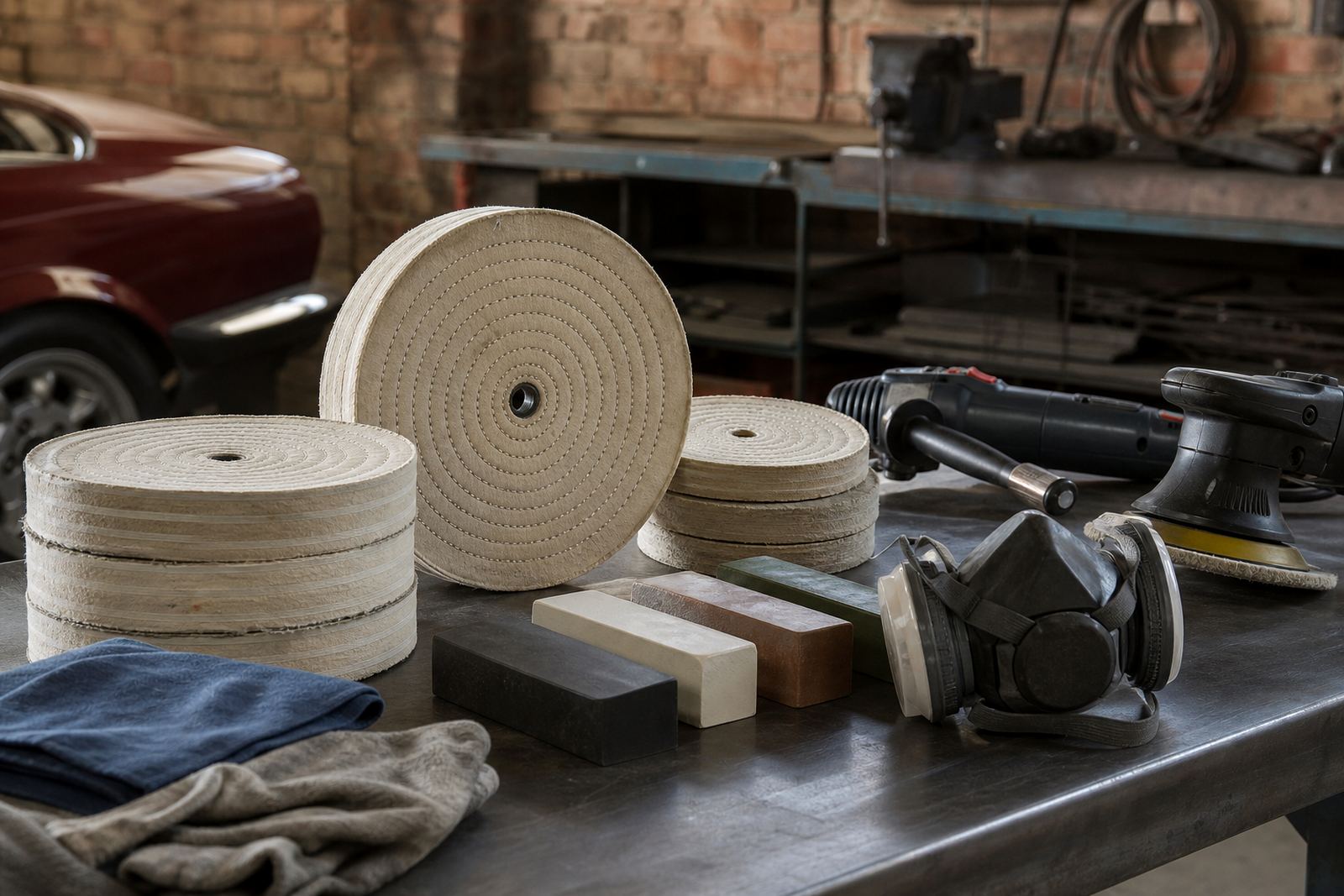
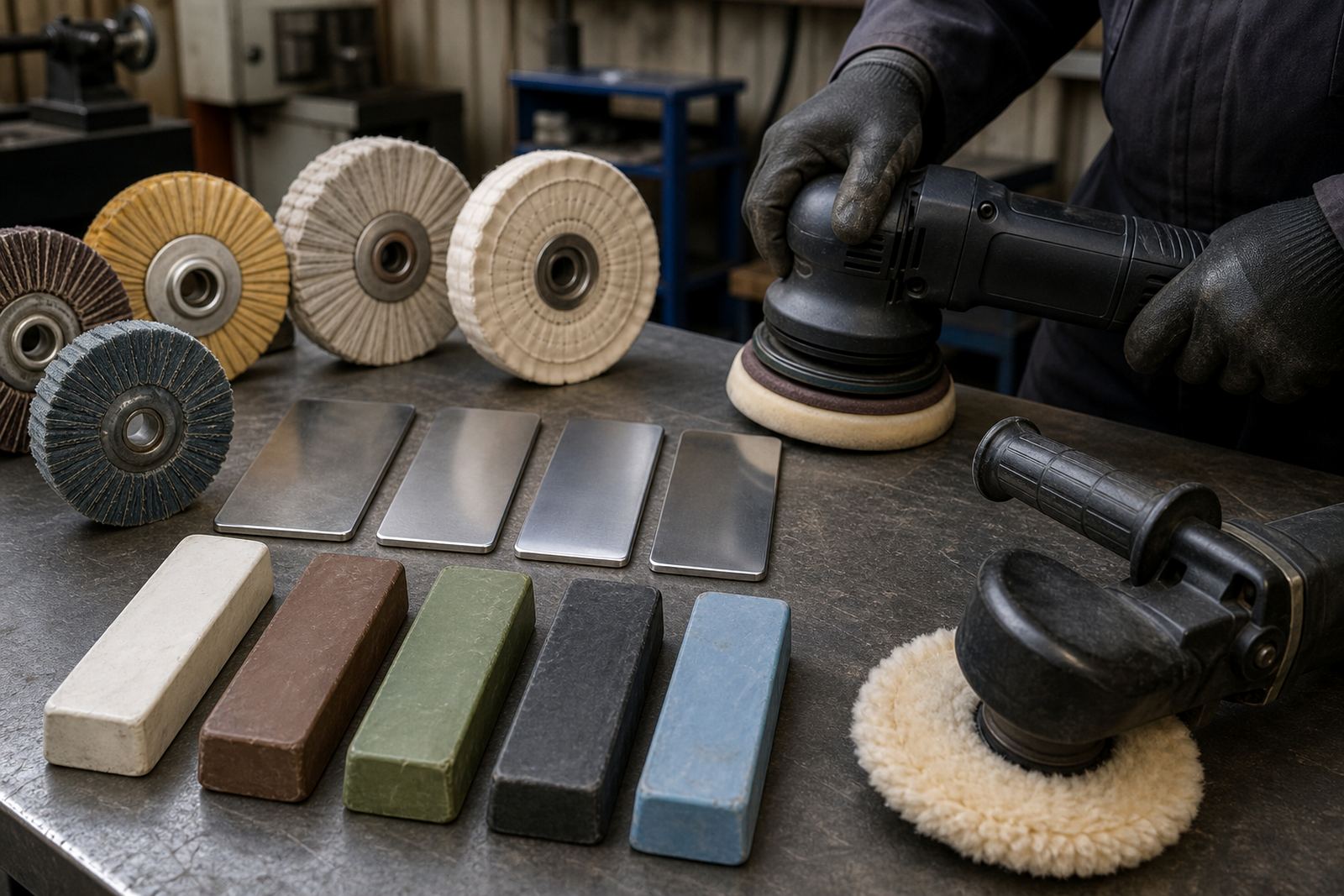
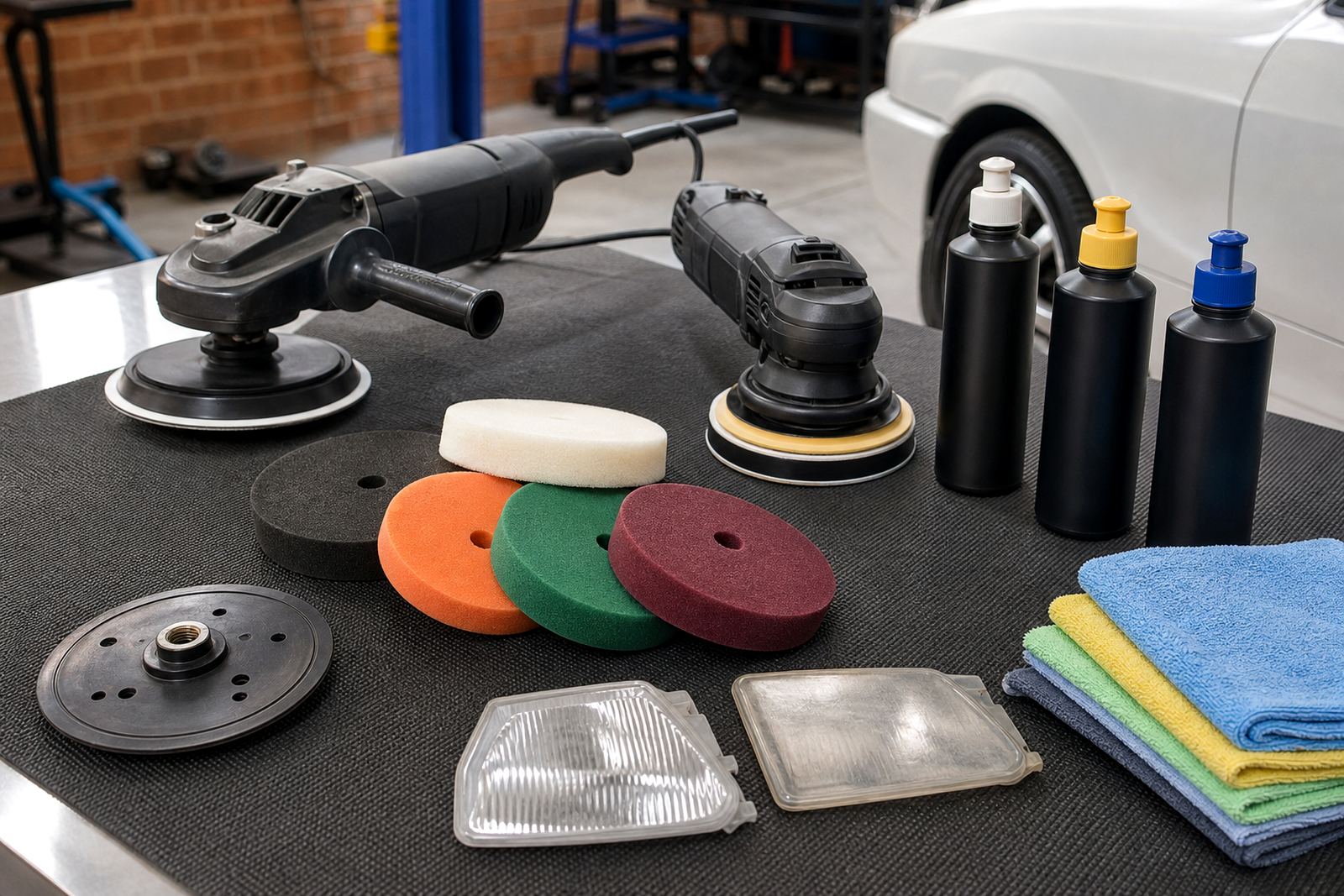
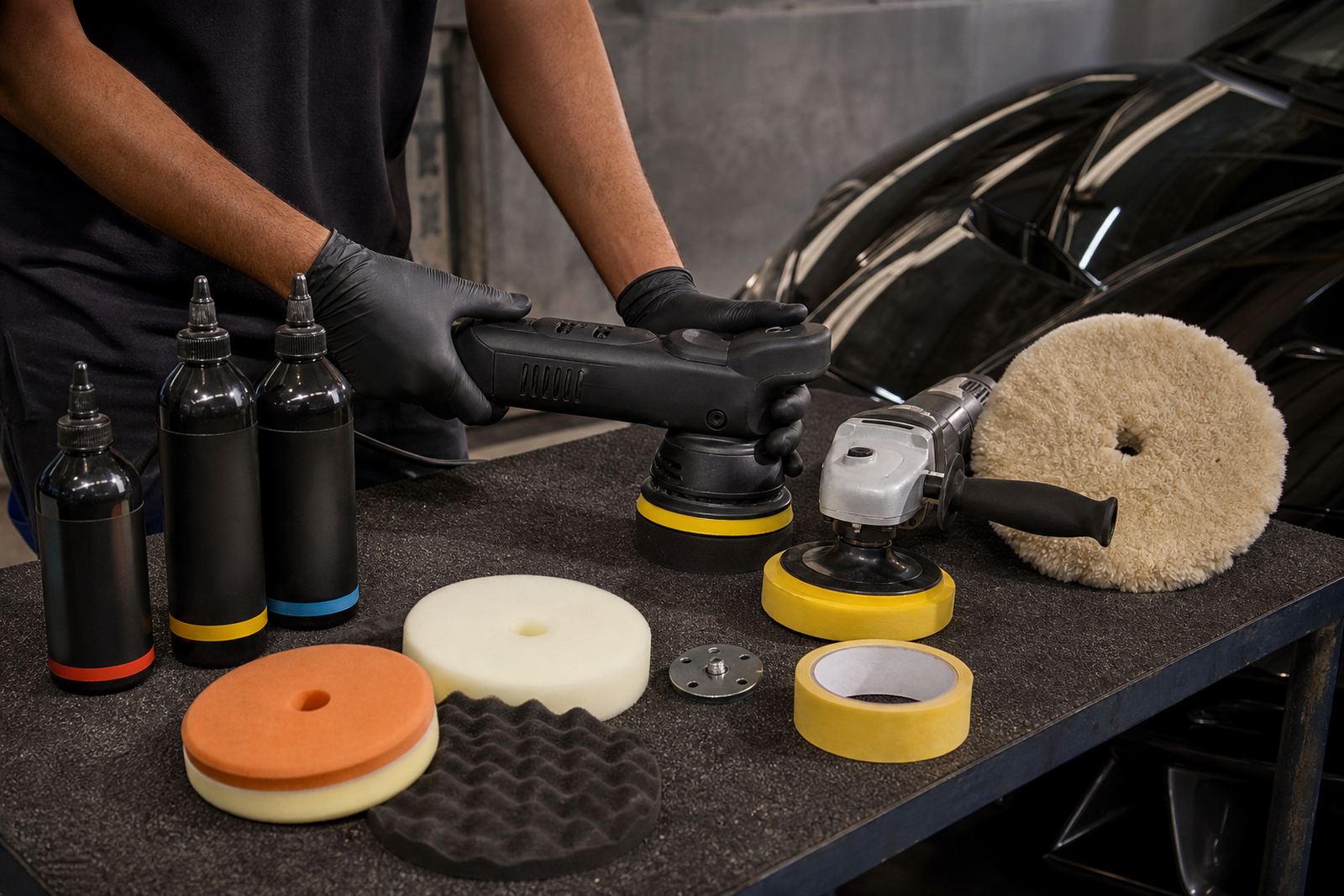
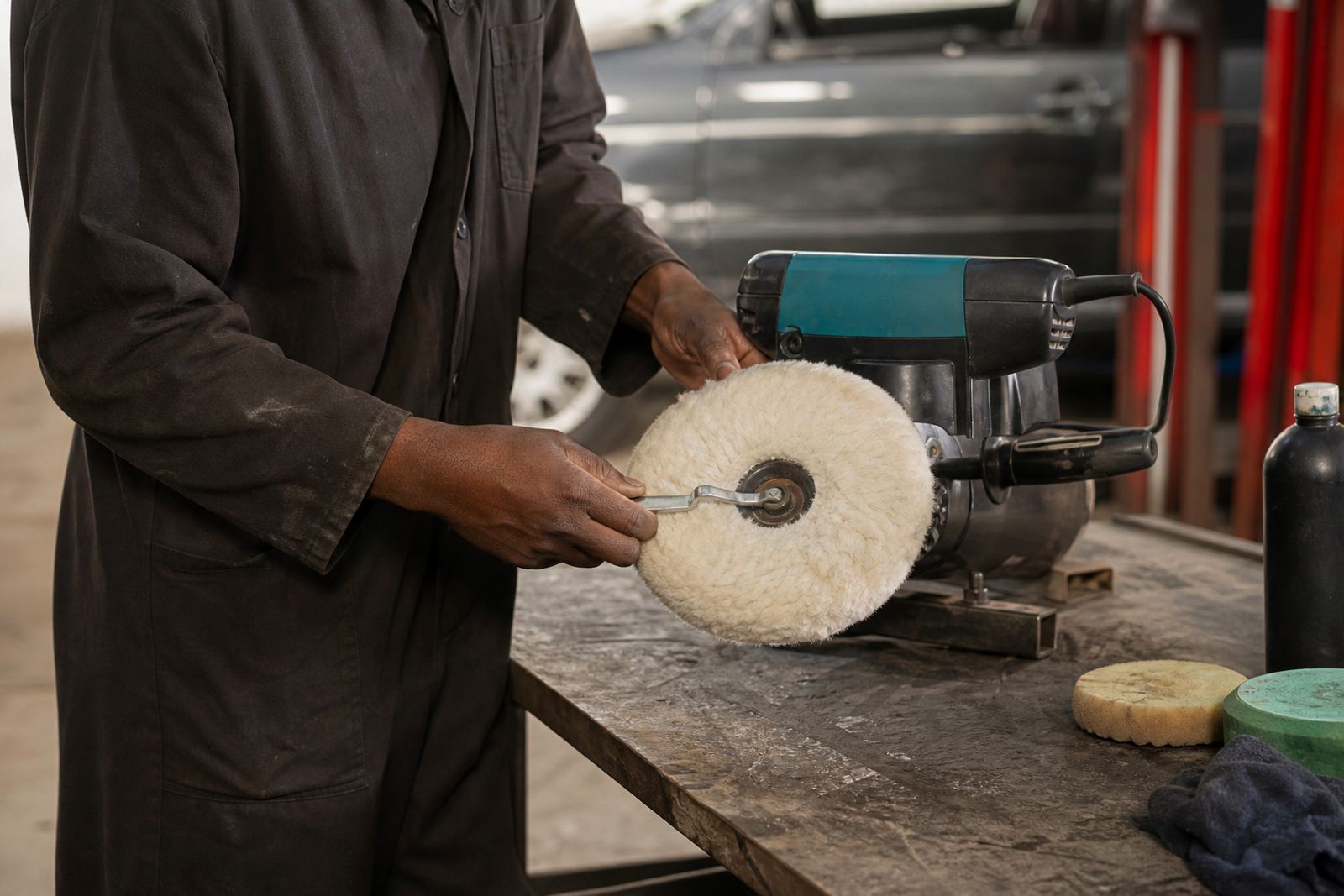
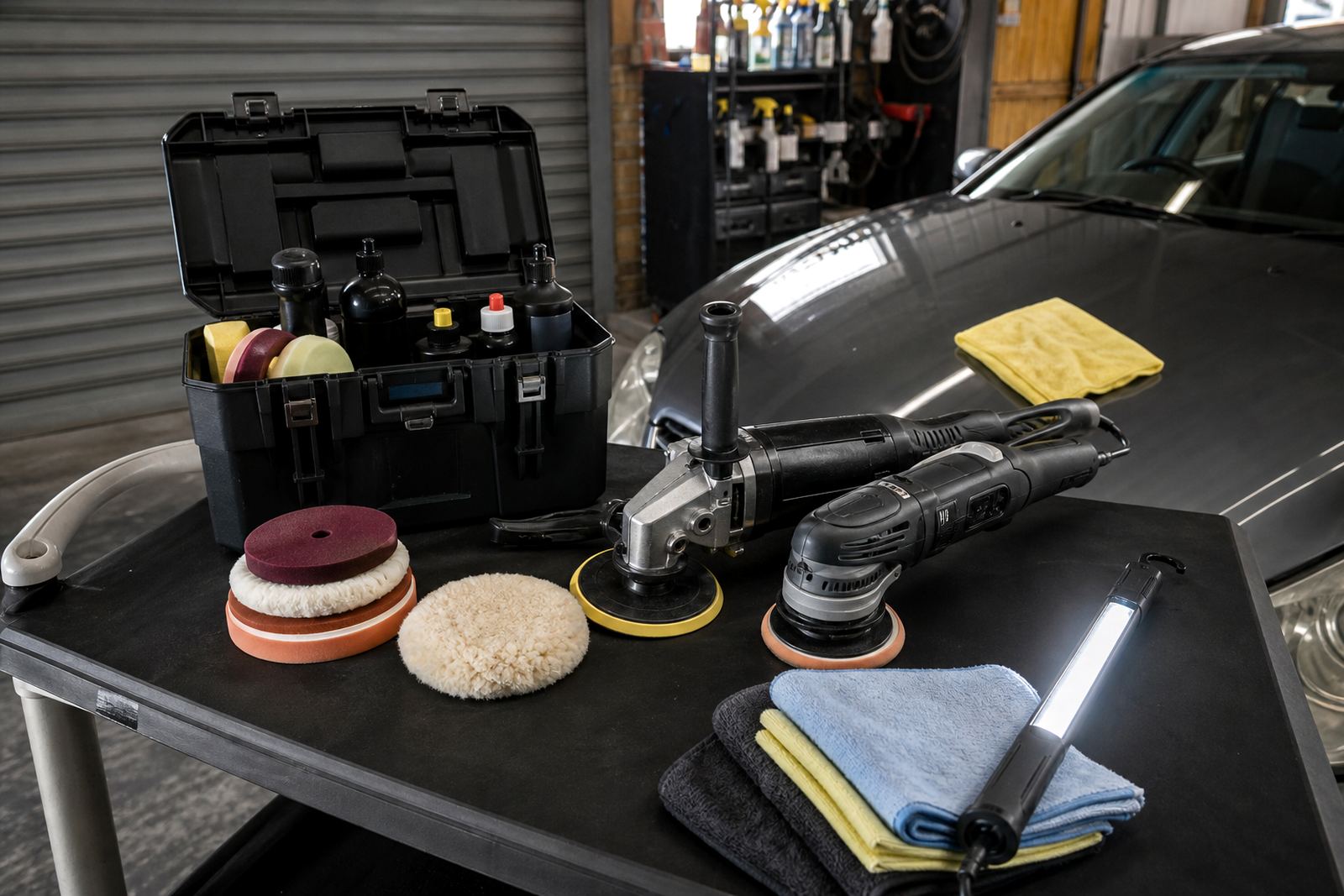
Buffs, pads and compounds work together, so the finish depends on the full combination not one item alone. A firmer buff or pad helps with cutting and removing heavier marks, while softer options are better for refining gloss and reducing haze. Compounds vary from coarse cutting products to lighter finishing types, and the correct match depends on whether you are polishing bare metal, clear coat or a painted panel.
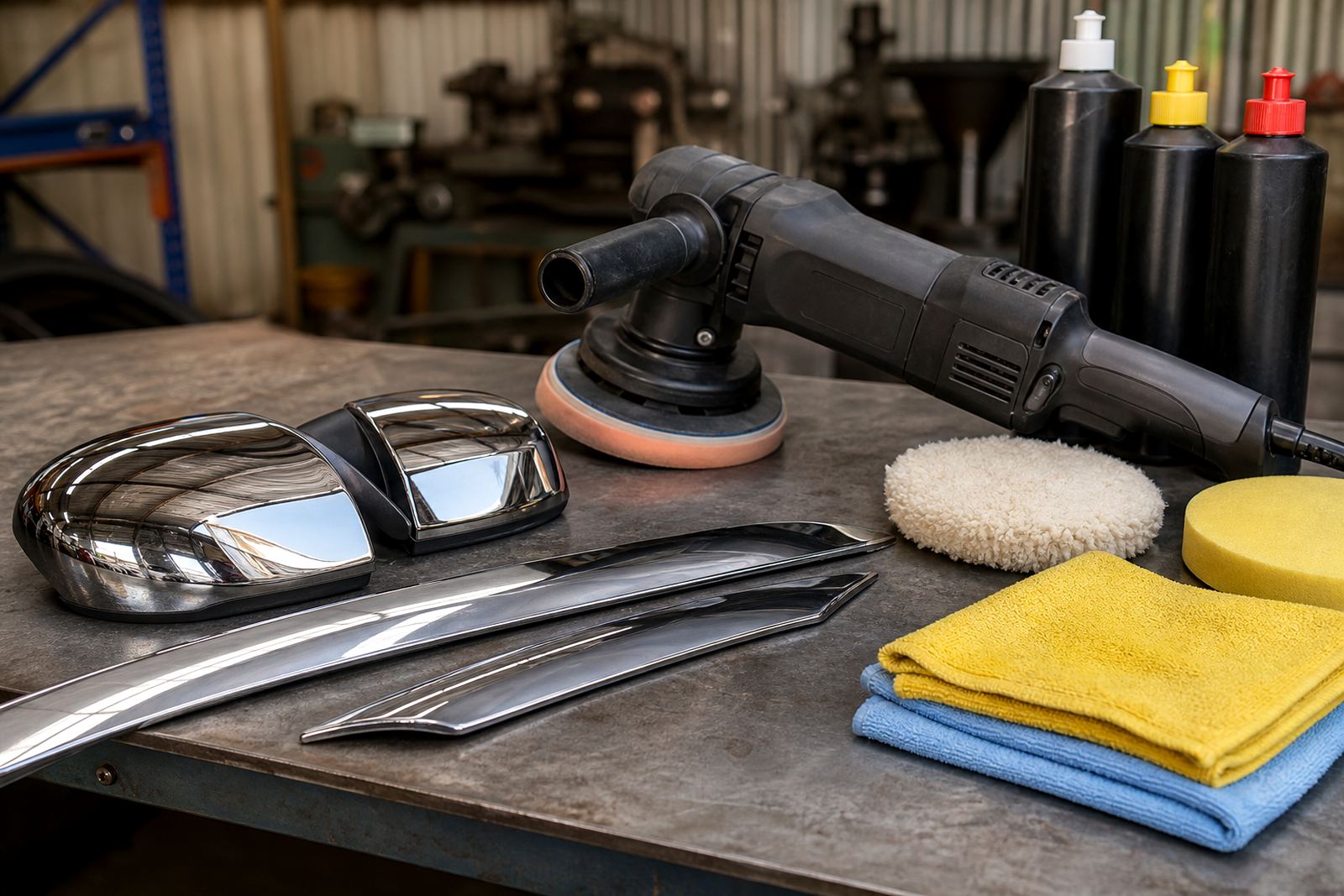
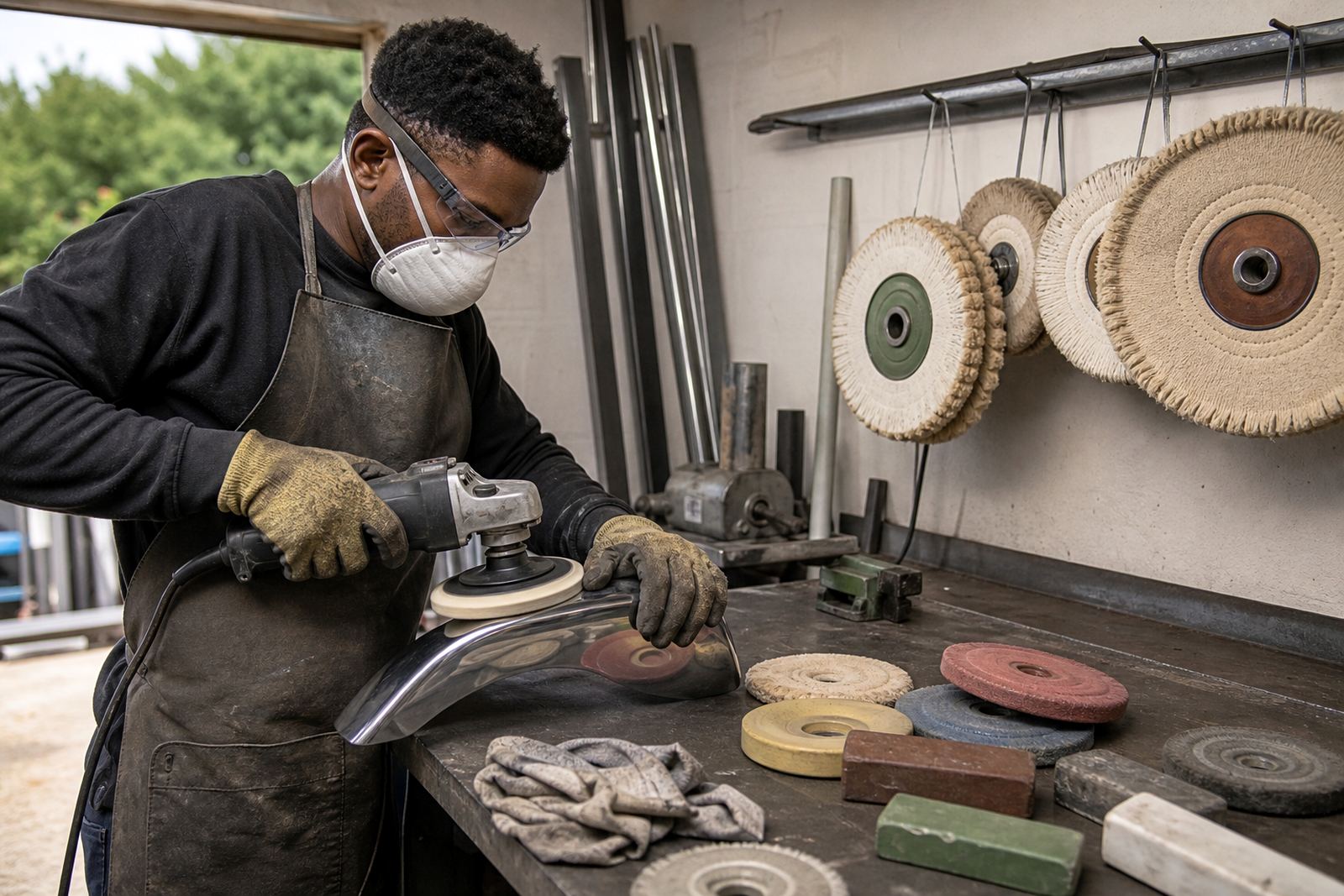
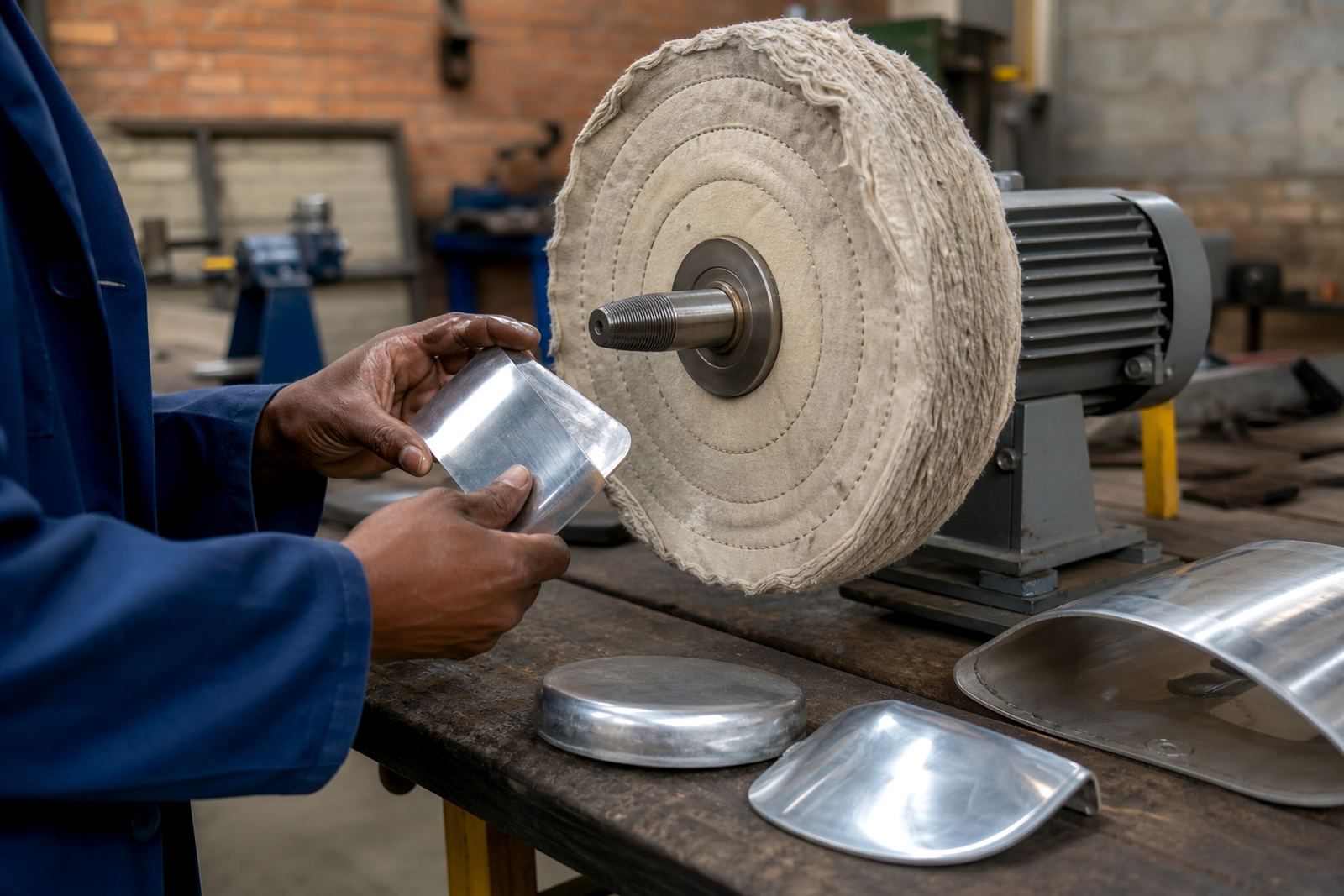
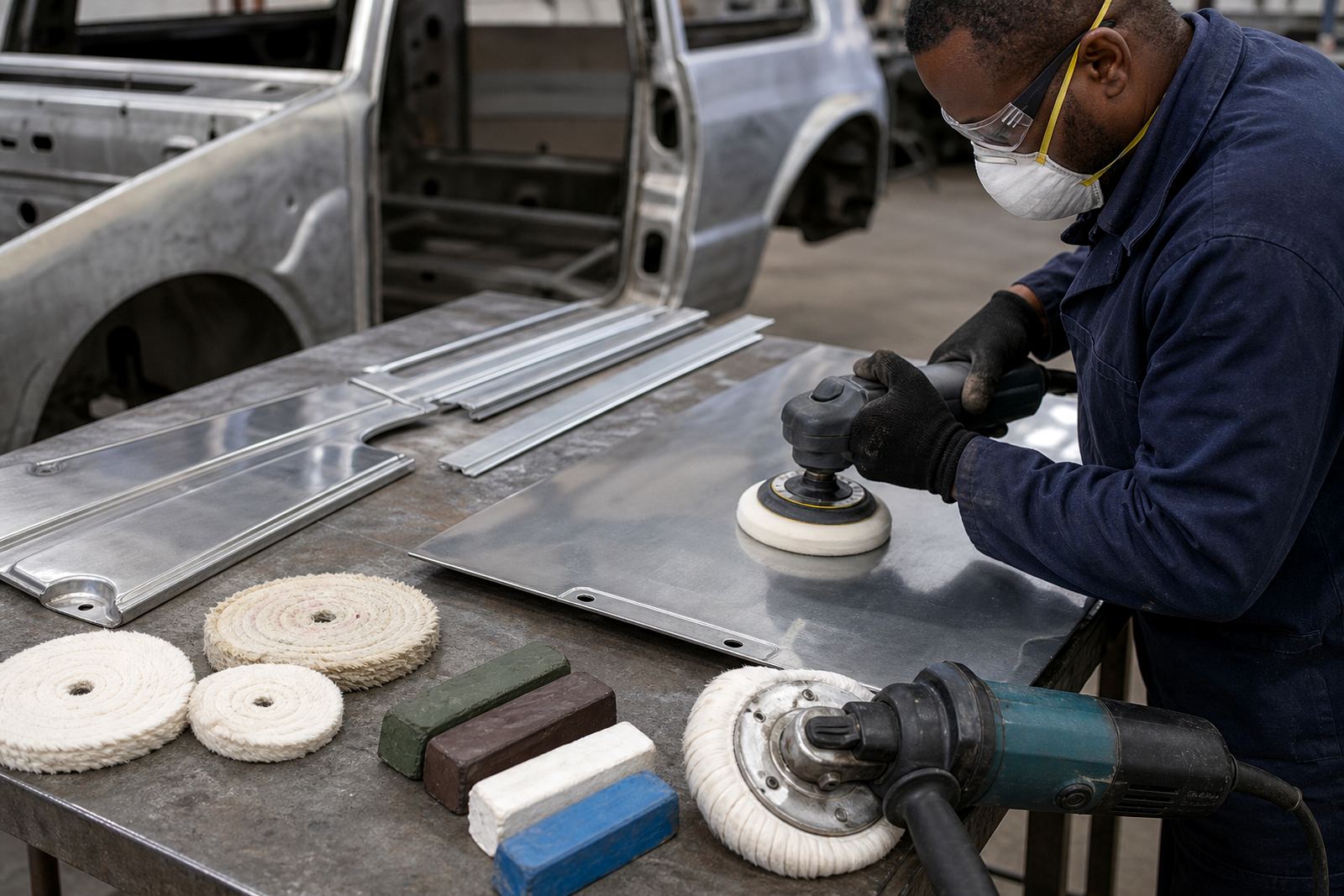
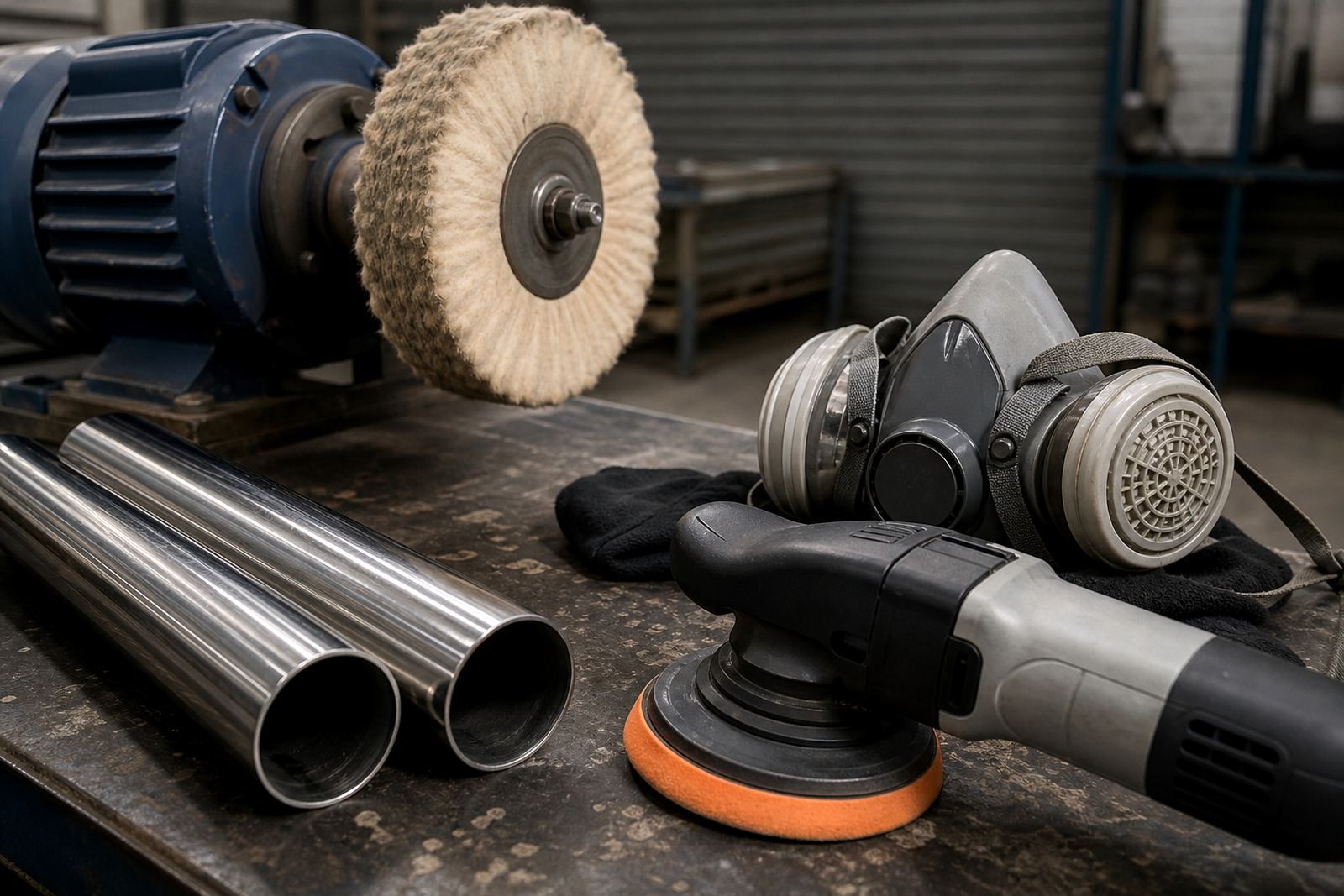
For stainless steel, aluminium and mild steel, the choice of buff material and compound can affect how fast the surface comes up and how much residue is left behind. On car paint, you need to work carefully with pad pressure and heat, especially in warmer Gauteng conditions or in coastal humidity where product behaviour can change. Keep pads clean, avoid loading too much compound, and change out worn consumables before they start scratching instead of polishing.
- Cutting compounds for oxidation, light scratches and dull surfaces
- Finishing compounds for gloss, clarity and reduced haze
- Firm, medium and soft buffs for different stages
- Regular cleaning to stop residue and spent product from marking the finish
Metal Finishing And Paint Correction Techniques
Metal polishing and paint correction use similar principles but different pressure, speed and product choices. On metal, the aim may be to remove dullness, handling marks and surface contamination before bringing up a bright even finish. On paint, the focus is usually correction and clarity, with careful passes that avoid burning edges or marking trim. The best results come from test spots, slow passes and clean pad changes between stages.
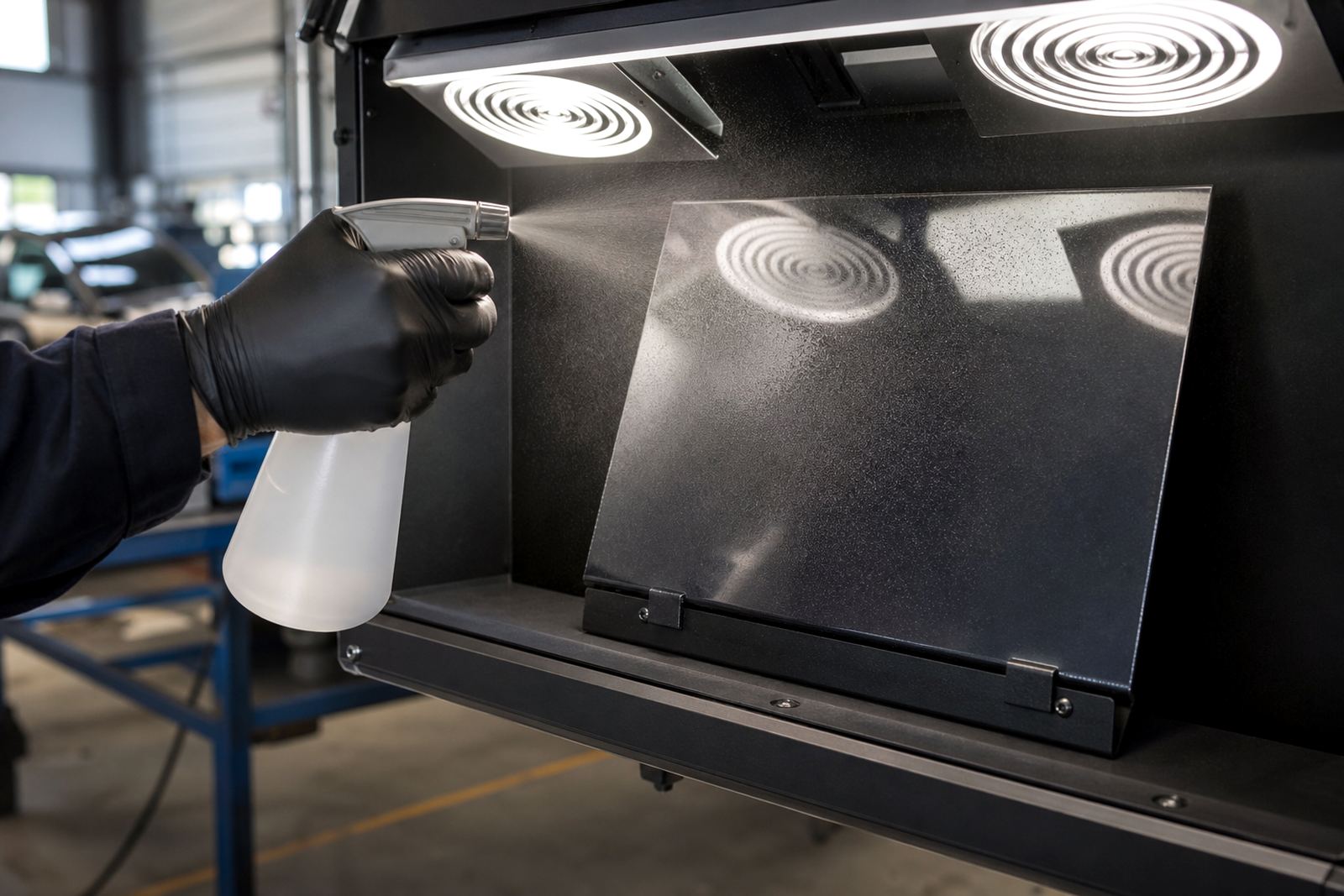
Before starting, wash and decontaminate the surface, then dry it fully. Mark off sensitive areas, check seams and edges, and work in good light so you can see the defect pattern. If the panel is hot from sun or a previous pass, let it cool first. In busy workshops around the East Rand, a steady process beats rushing, especially when you need consistency across multiple cars or metal components.
- Start with a test spot before committing to the full job
- Work in overlapping passes and keep the pad moving
- Reduce pressure as the compound breaks down
- Inspect under proper light before moving to the next stage
Safety, Dust Control And PPE On The Shop Floor
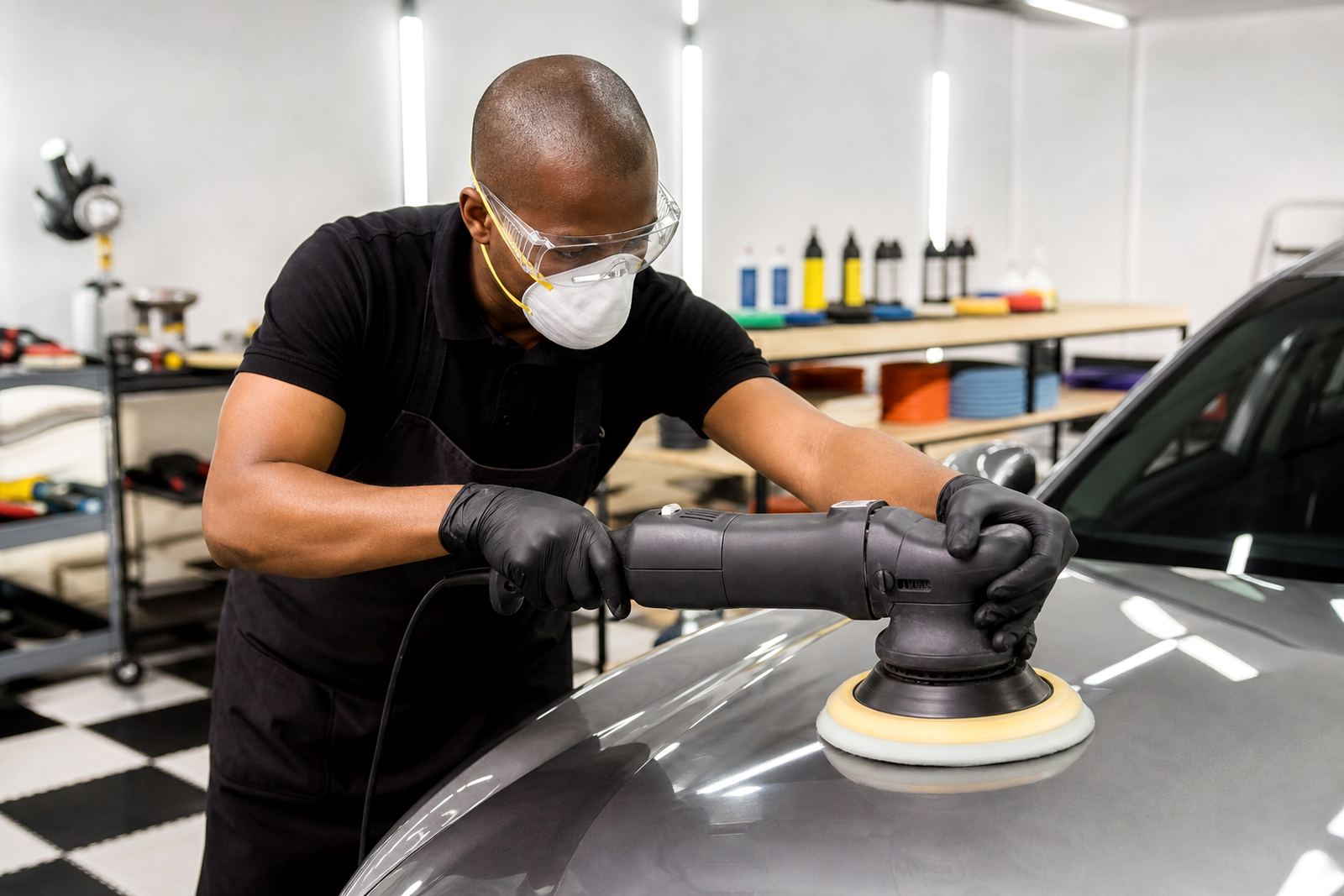
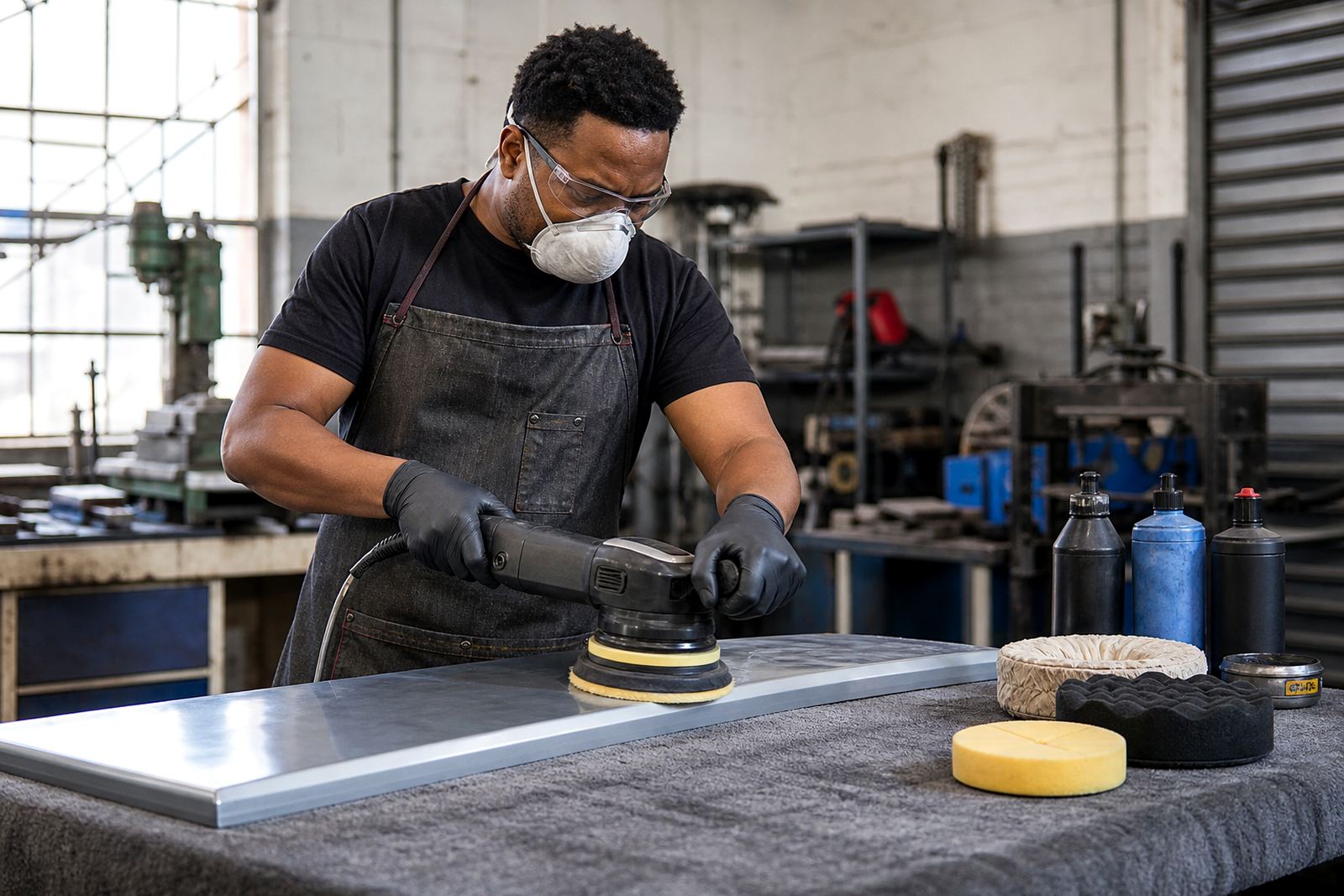
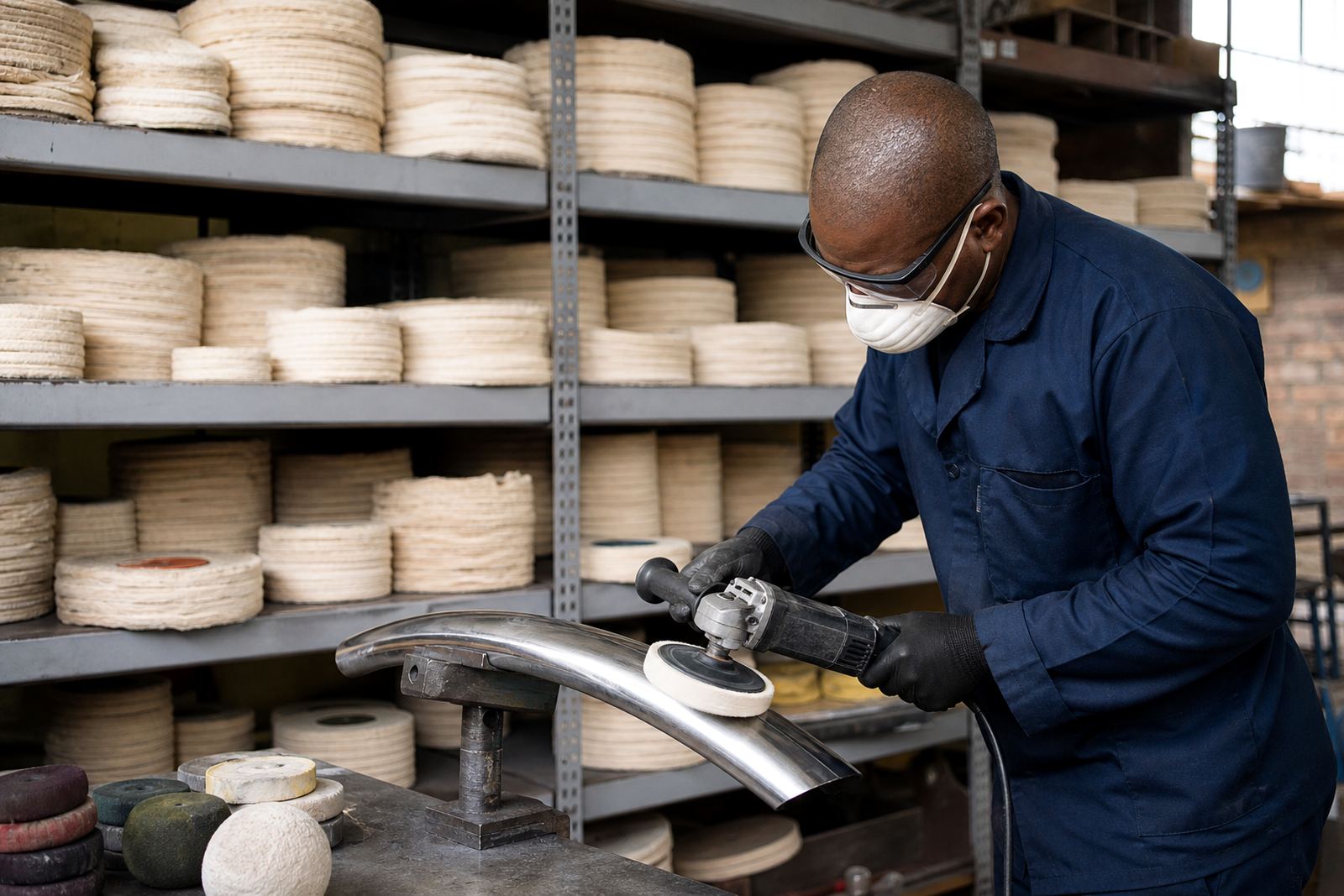
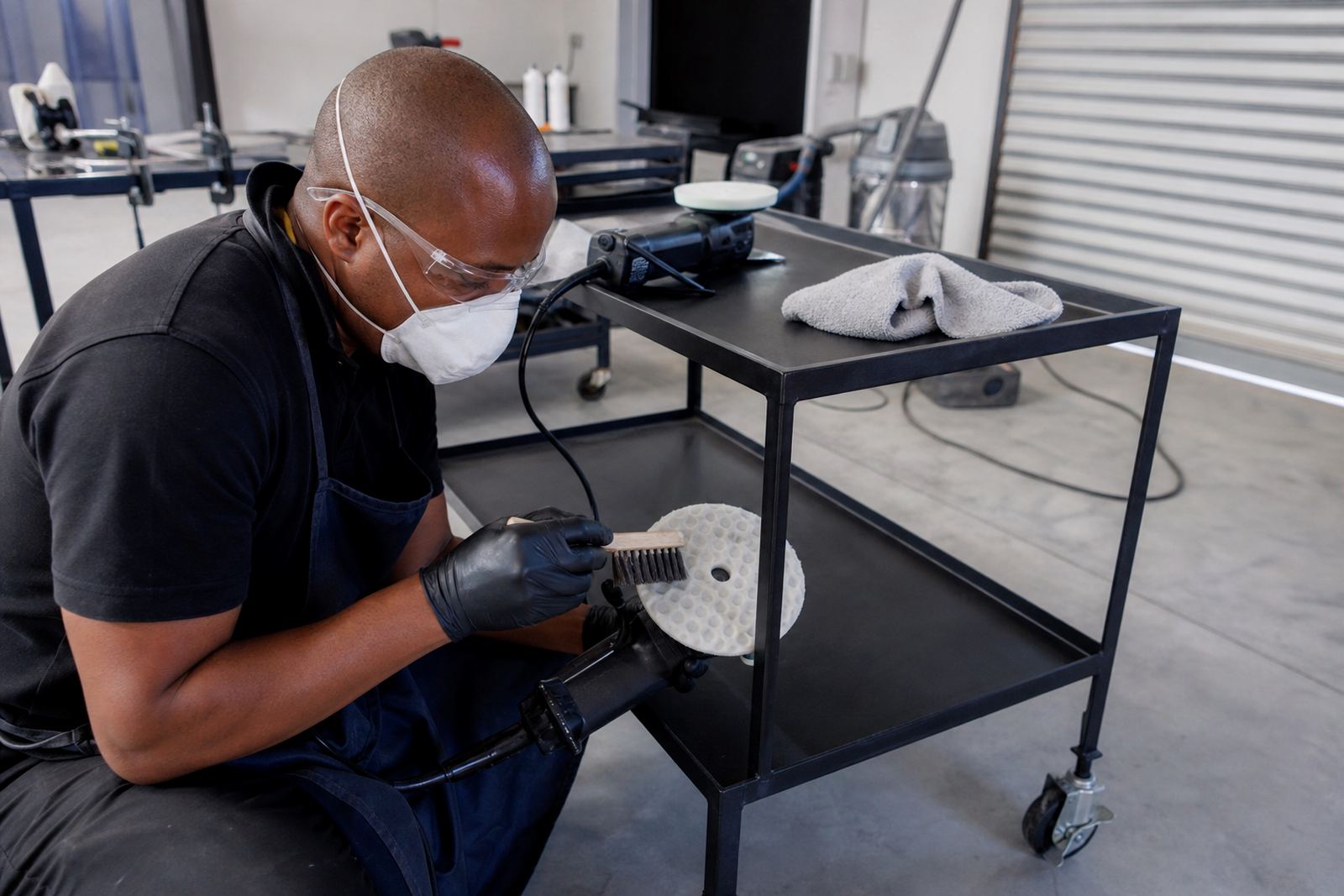
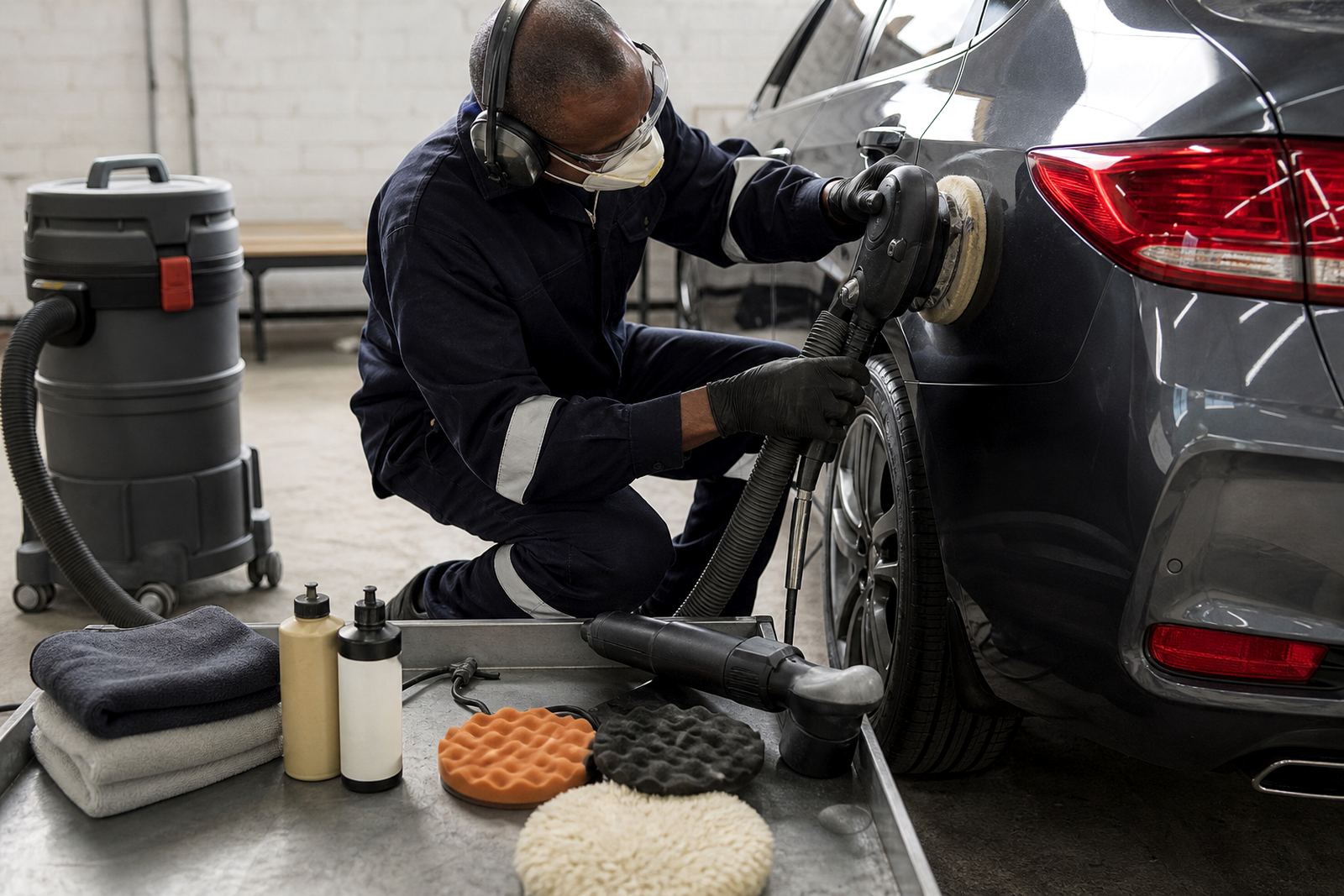
Polishing creates fine residue, flying lint and airborne dust from dried compound or metal contamination, so PPE matters. Use eye protection, suitable gloves where needed, and a dust mask or respirator when conditions call for it. Long sleeves can help on busy benches, and hearing protection may be useful during extended machine use. Keep loose clothing, cords and polishing cloths out of the rotating path.
Good housekeeping is part of the job. Wipe down surfaces, keep compounds sealed, and remove spent pad fibres before they build up. In enclosed workshops, use extraction or at least fresh air movement. If you are working near a municipal boundary or inside a body shop with strict rules, keep dust from migrating into neighbouring bays, because that is where complaints usually start. Small habits make the job safer and the finish cleaner.
Starter Kits And Consumable Restocking
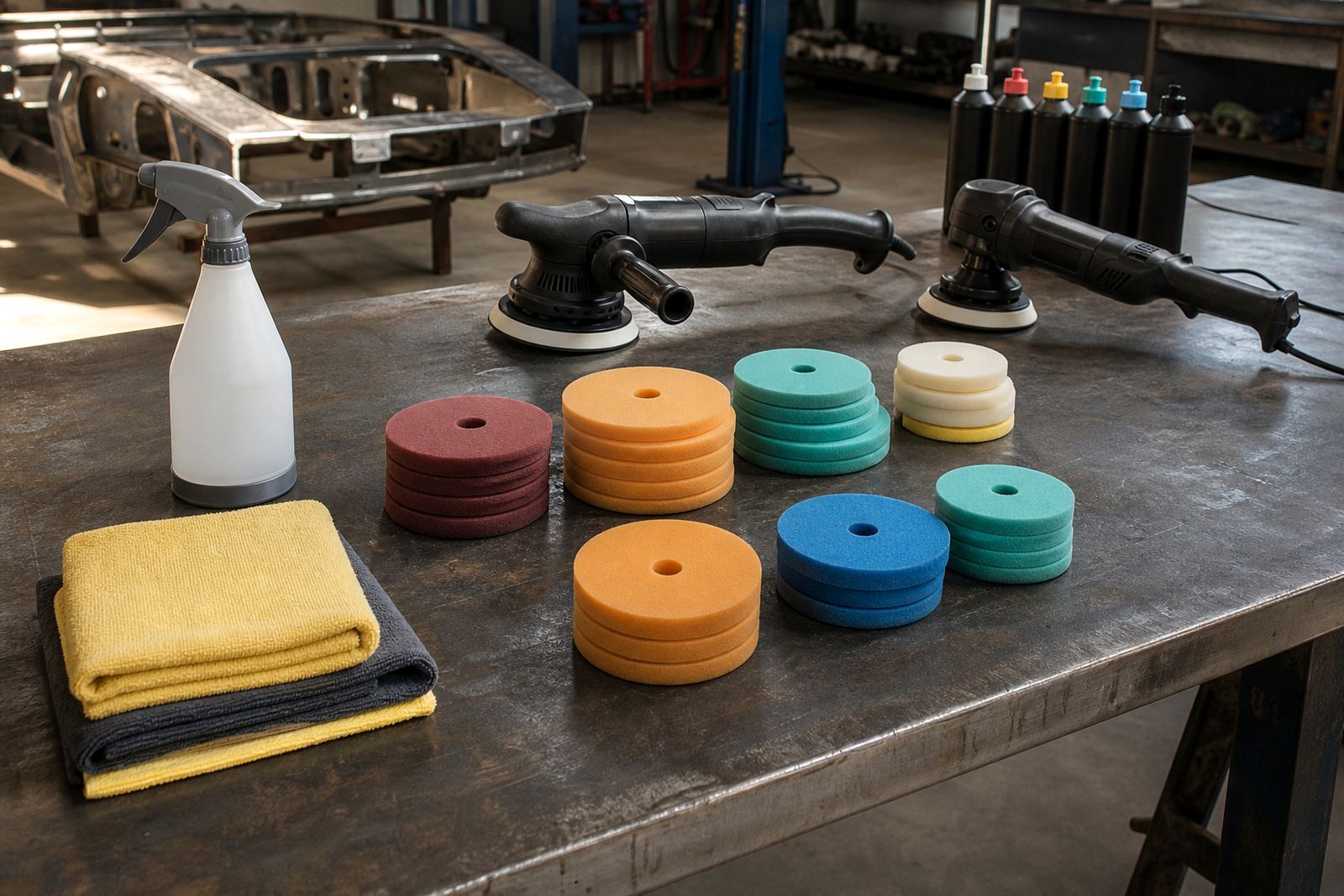
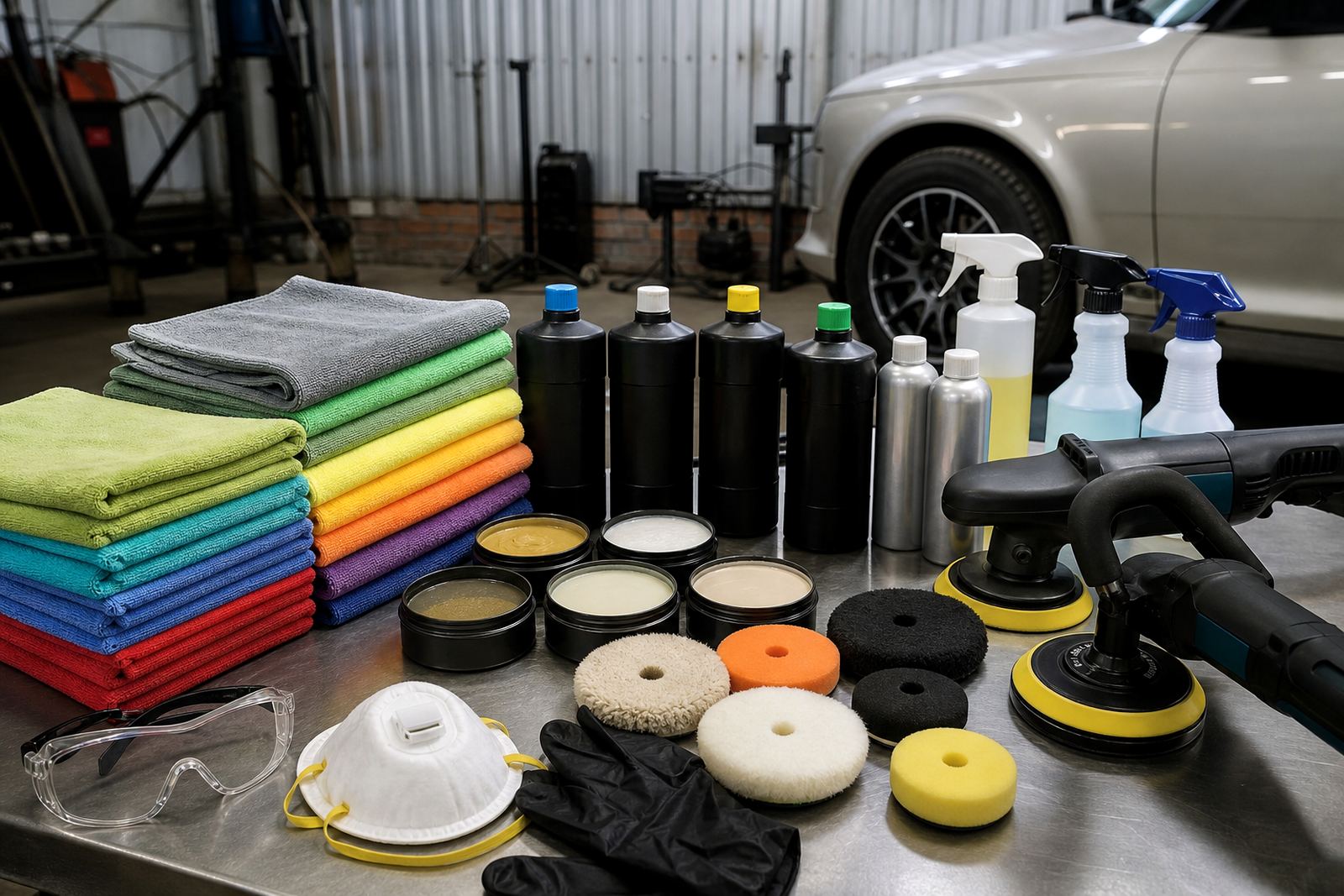
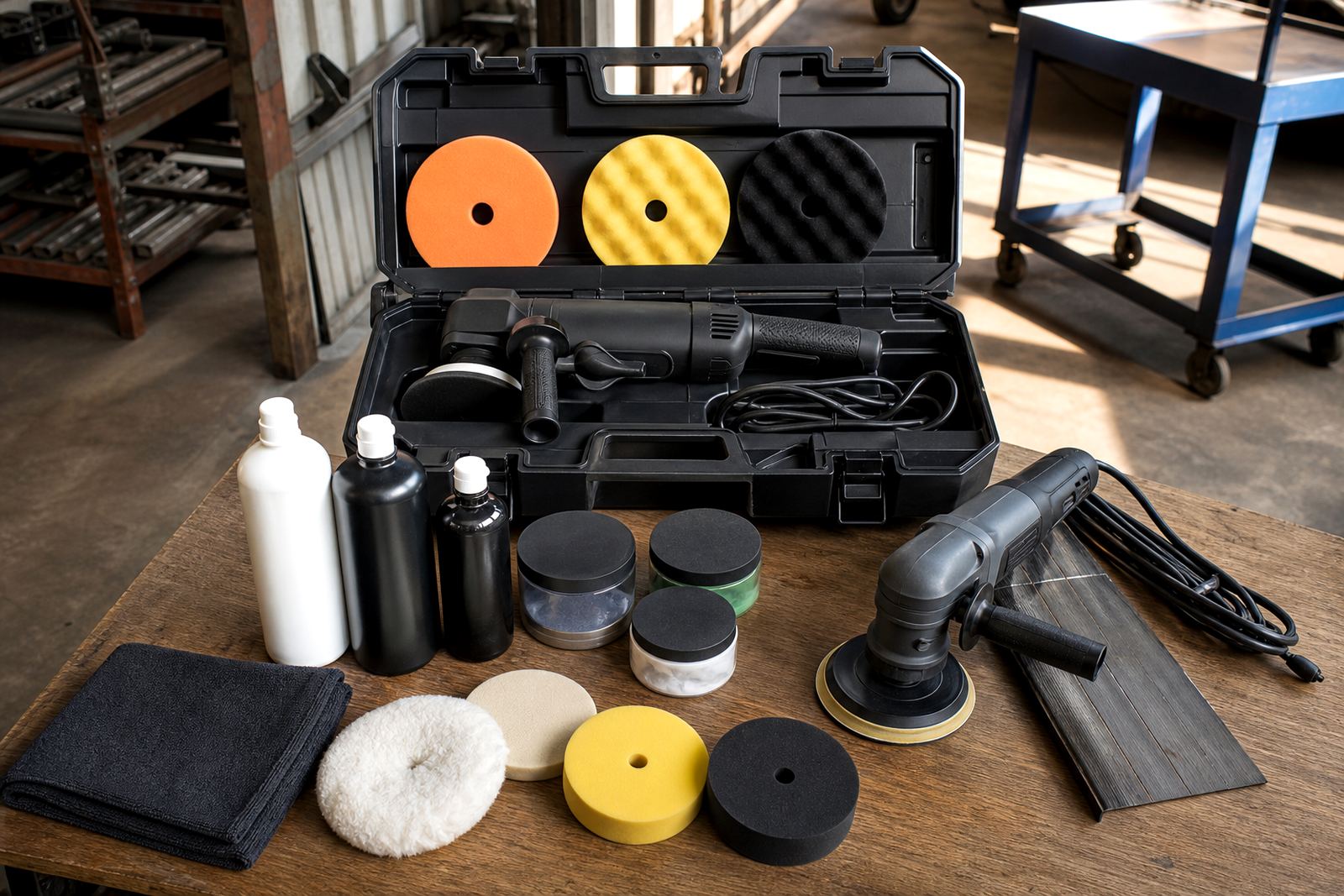
Starter kits are useful when someone is setting up a new polishing bench or learning the basics with a controlled set of items. A sensible kit usually includes a machine, a few pad or buff options, a small selection of compounds, applicators, microfibre cloths and basic safety items. That keeps the first few jobs manageable and helps learners understand how each part affects the result.
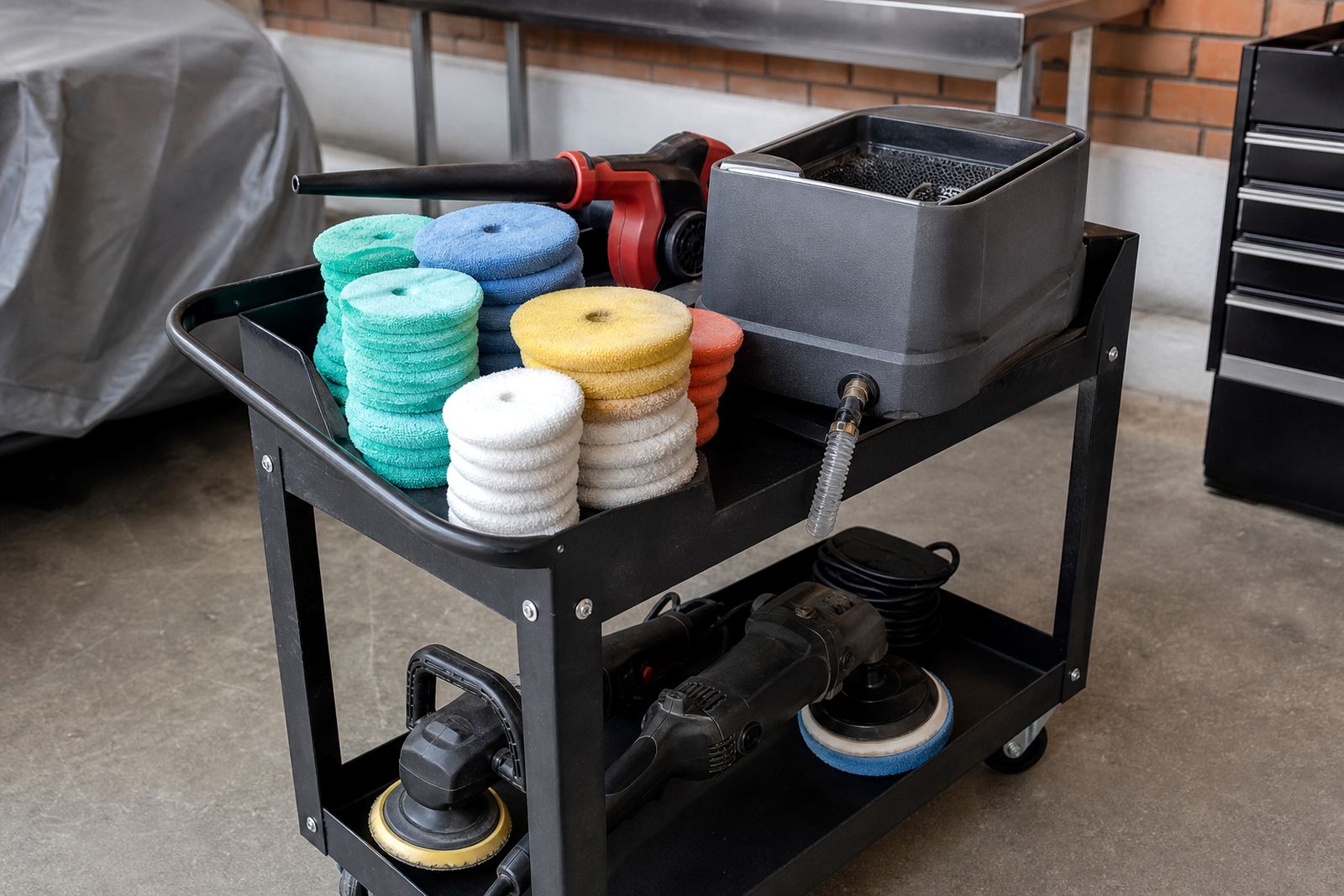
For workshops that already have machines, restocking consumables is often the bigger issue. Pads wear, compounds finish, backing plates need checking and cloths get contaminated if they are not sorted properly. Keeping a simple stock list avoids delays when a job comes in unexpectedly, especially if you serve Germiston, the Vaal Triangle or further afield and need to keep turnaround tight.
- Starter kit consultation for new users and small workshops
- Consumables restocking for pads, buffs, compounds and cloths
- Machine care guidance to help equipment last longer
- Pad and compound matching for specific surfaces
Training For Beginners And Working Teams
Good polishing comes from technique, not guesswork. Beginner Polishing Training introduces safe handling, surface prep, machine control and simple product selection. Rotary Skills Session and DA Skills Session focus on machine movement, speed control and how to avoid common marks. Metal Buffing Training and Paint Correction Coaching give more detail for workshop teams that already know the basics and want better consistency.
We also support onsite team demos, workshop setup advice and safety briefings so your staff can work more confidently from day one. Mandla Sipho Dlamini leads the business from Germiston, with support from Karen van Wyk, Thabo Ngwenya, Ayesha Mokgatle, Johan Liebenberg and Lerato Hartnick. Clients across Johannesburg, Pretoria, Cape Town, Durban and Bloemfontein use the enquiry form on our contact page when they need practical advice before placing an order or starting a new job.