What the 75mm backing plate is used for
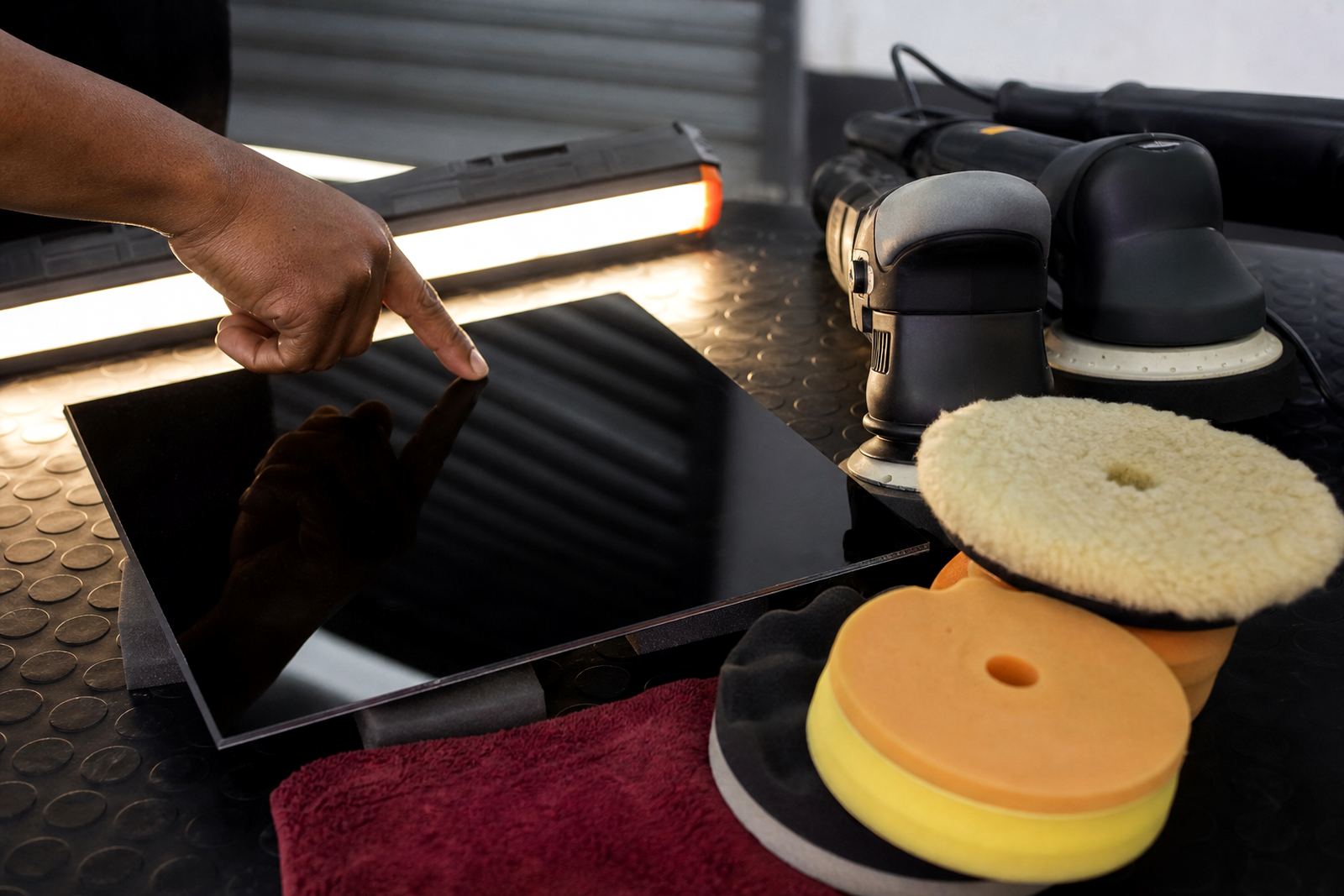
A 75mm backing plate is the support disc that holds a matching 75mm pad on a polishing machine. It is smaller than the common 125mm and 150mm options, so it suits detail work where precision matters more than coverage. On body panels, polished alloy, stainless trim and small machine parts, the smaller face helps keep the pad centred and reduces the chance of hitting edges.
This size is often chosen for narrow door pillars, mirrors, headlamp surrounds, wheel faces, fuel caps and other awkward spots. It is also useful when working close to rubber seals or decorative trim, where a bigger pad can mark nearby surfaces. If you are correcting paint on a small section, the 75mm plate gives more control, though it will take longer to cover large flat panels.
Sizes, fitment and machine options
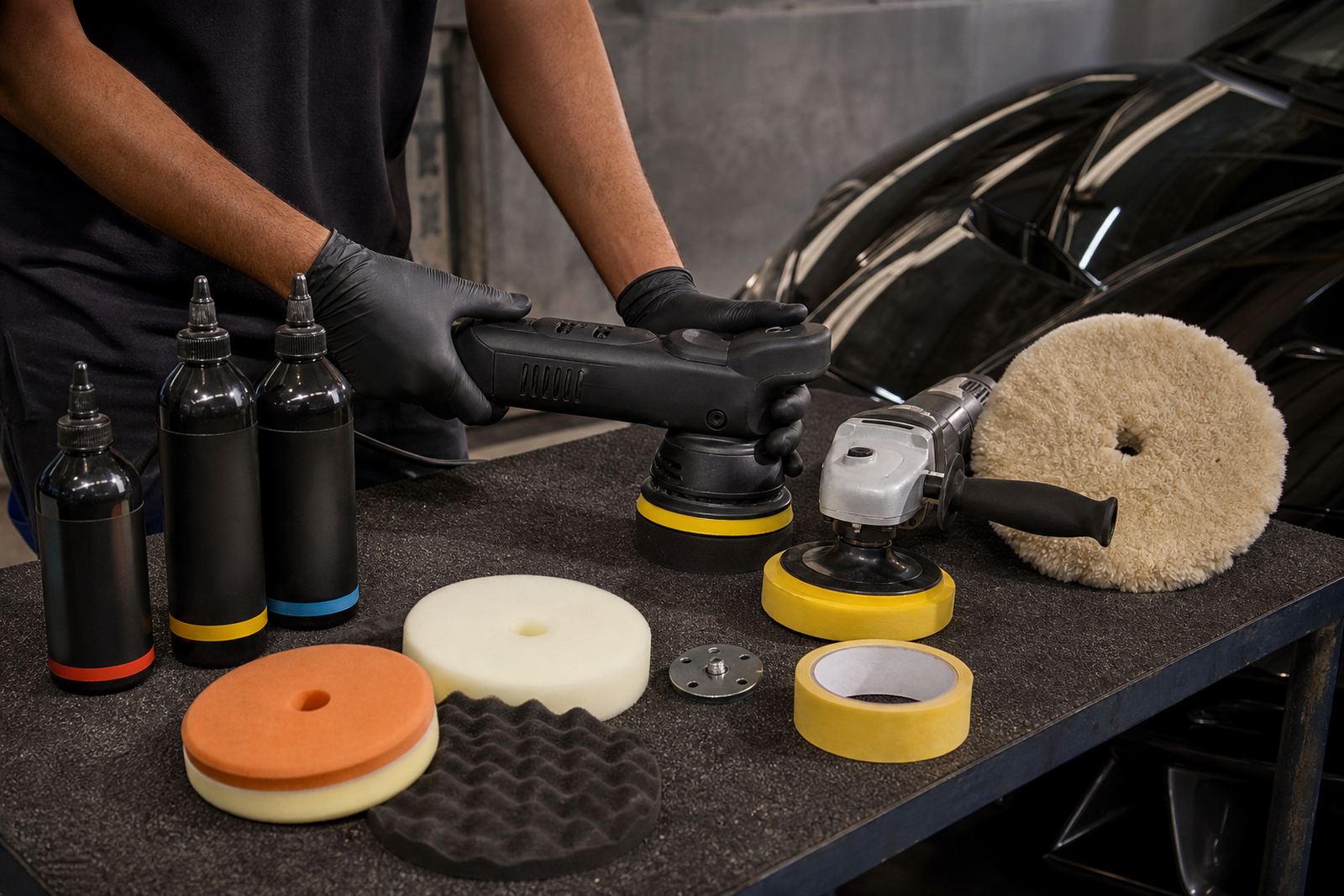
The plate itself is normally supplied in a 75mm face size and fixed to a machine with the correct thread or mounting system. It is used with small foam, microfibre or wool pads made for that diameter. Some users prefer a firmer plate for controlled cutting, while others want a slightly softer backing for curved surfaces. The right option depends on how the machine transfers pressure and how the pad sits on the workpiece.
- 75mm pad compatibility for tight sections and spot correction
- Works with rotary polishers for direct cut and metal finishing
- Works with dual-action machines for safer paint correction on smaller areas
- Useful with foam, microfibre or wool pads matched to the same diameter
- Best on machines with stable speed control and low vibration
For South African workshops in Germiston, Johannesburg and Pretoria, this size is a practical add-on when a full-size machine is already on hand. It helps with detail work instead of replacing a larger plate completely.
Where it suits on paint and metal
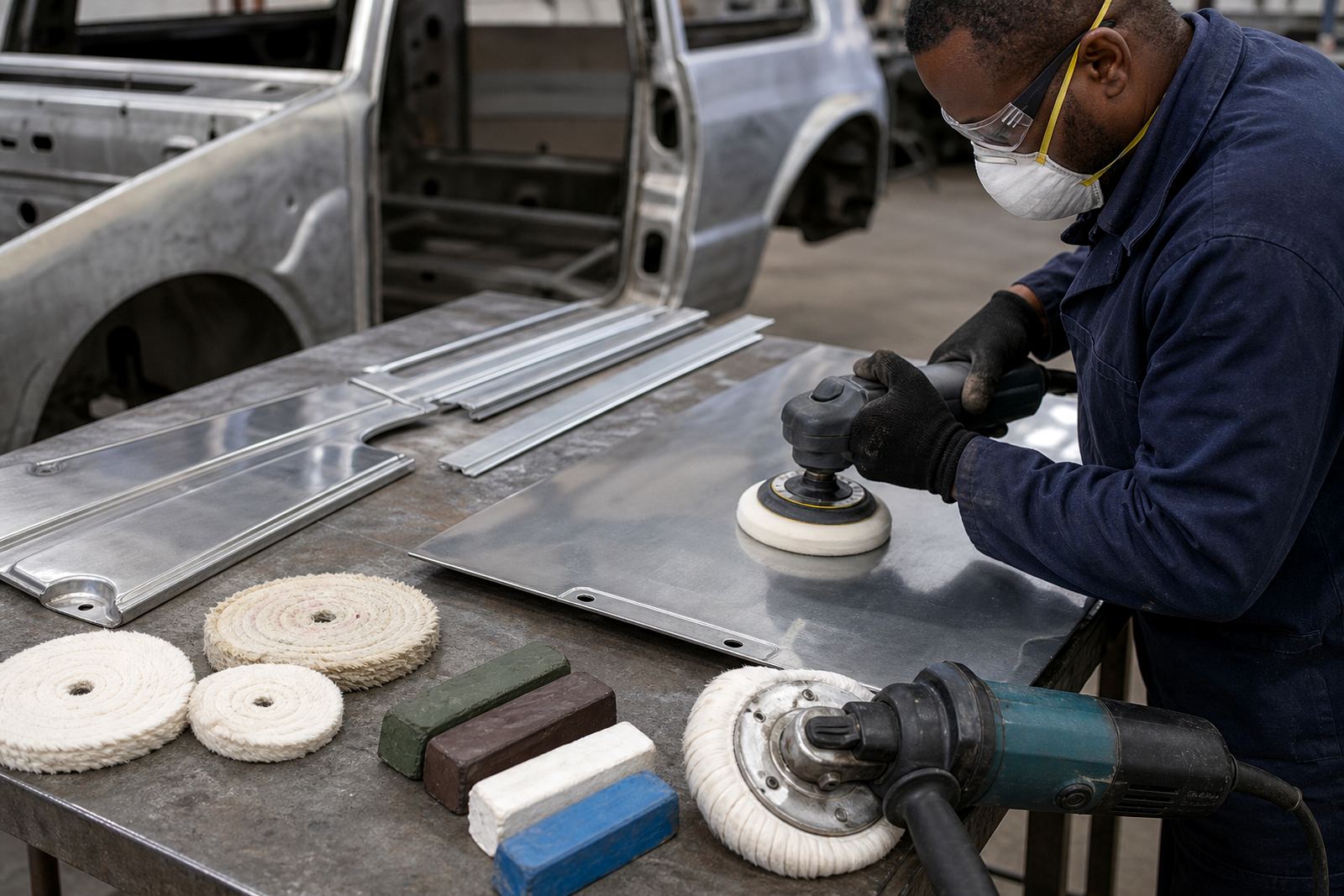
This backing plate suits finishing work on both paint and metal, provided the pad and compound match the surface. On paint, it is useful for spot correction, refining sanding marks and cleaning up isolated dull patches. On metal, it can help polish stainless, aluminium and coated parts where access is limited. Because the contact area is small, heat can build up quickly, so the operator must keep the machine moving and check the surface often.
It is especially handy for detailers, panel shops, motorbike owners and metal finishers working on smaller components. In coastal cities like Cape Town and Durban, humidity can affect how compounds behave, while inland dust can load pads quickly. That means the smaller pad should be cleaned often and inspected before each pass.
- Body trim and small body panels
- Polished metal fittings and brackets
- Headlight and lamp surrounds
- Wheel faces and narrow spokes
- Curved surfaces and tight corners
How to install and use it safely
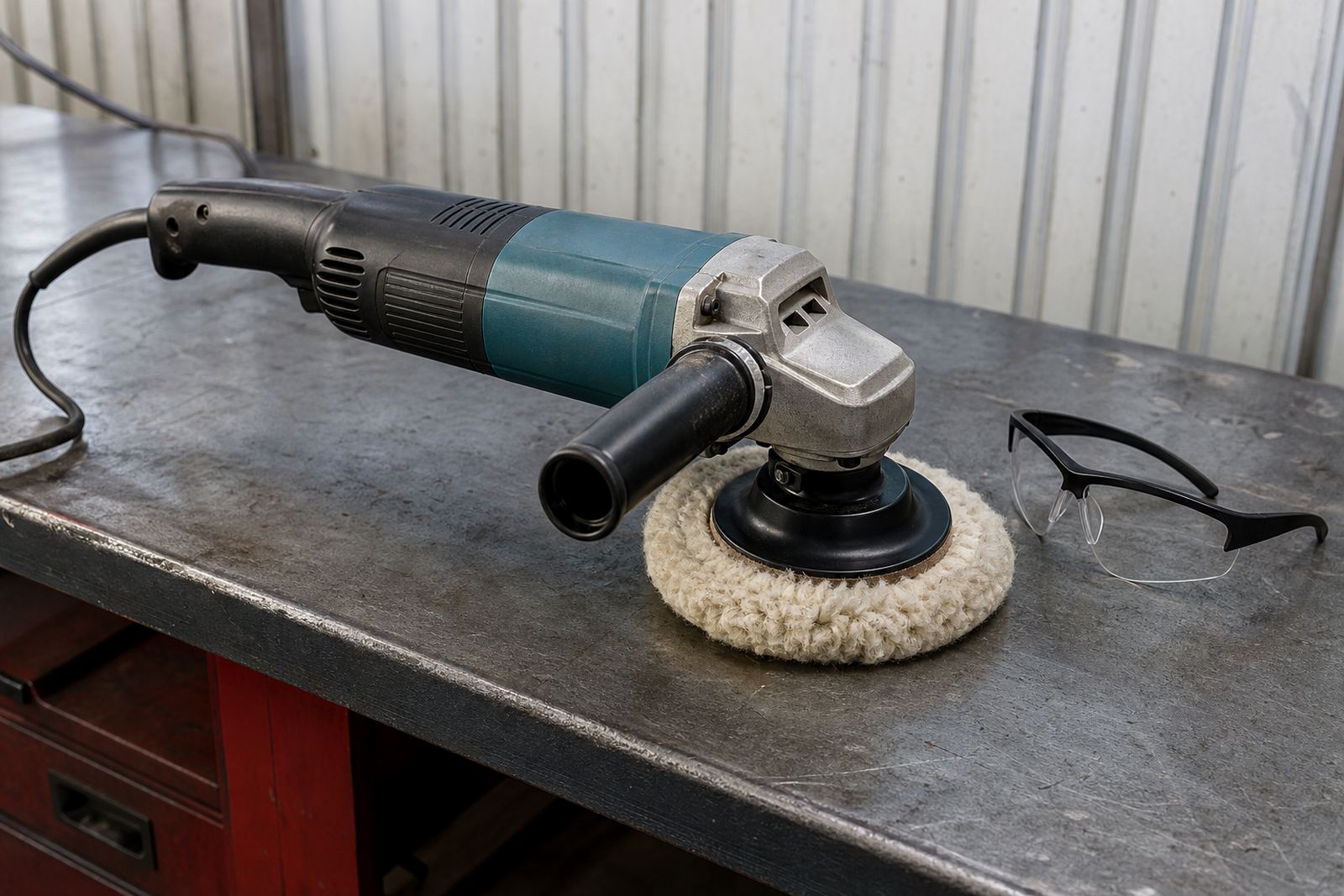
Before fitting the plate, switch off and unplug the machine. Check that the spindle or mounting system is clean, then tighten the plate firmly but not over-tight. After fitting, make sure the pad runs true and does not wobble. A poor fit can cause vibration, uneven cutting or edge damage. On a rotary machine, keep the plate flat where possible and use moderate speed. On a dual-action machine, let the machine do the work and avoid forcing pressure into the edge of the pad.
Always use PPE when polishing, including eye protection, a dust mask where dry residue is present, and gloves when handling hot or sharp parts. If the job creates dust from old paint, oxidised metal or sanding residue, clean the area first so you are not working in a cloud of fine particles. Good lighting matters too, especially when checking finish near curved panels or chrome edges.
- Inspect the backing plate for cracks, torn foam or thread wear
- Match the plate to the correct pad diameter, 75mm in this case
- Do a short test run before touching the surface
- Keep cables clear and manage power leads away from the polishing path
- Work in a dry, well lit area with enough ventilation
Care, cleaning and servicing
After use, remove the pad and brush off residue from the face and Velcro surface. Compound build-up can stop the pad sitting flat and cause uneven contact. Wipe the plate clean with a dry cloth and check the edge for cuts or distortion. If compound has hardened on the face, remove it before storage so it does not transfer grit into the next job.
For regular workshop use, inspect the plate each time you change pads. A plate that has been dropped on a concrete floor can run out of balance even if it still looks fine. If the machine starts to vibrate more than usual, check the plate first before moving to bearings or other parts. Keep spares on hand if your team is doing training, correction work or production polishing on a busy schedule.
What to check before you order
When ordering a 75mm backing plate, confirm the machine type, thread size, pad compatibility and whether you need a firm or flexible plate. It also helps to know the surface you are working on most often. A workshop focused on paint correction may prefer a different feel from one polishing aluminium, stainless or mixed metal parts. If you are setting up a starter kit or training team members, ask for advice on pairing the plate with the correct pad and compound.
Customers across South Africa can use the enquiry form on our contact page for guidance on the right fit, whether they are in Germiston, the East Rand, Vaal Triangle, or further afield in Cape Town, Durban, Bloemfontein, Johannesburg and Pretoria. Our team can also help with starter kit consultation, pad and compound matching, workshop setup advice and safety and PPE briefing so the setup is practical from day one.
Key facts
| Product type | Backing plate for small polishing pads |
|---|---|
| Face diameter | 75mm |
| Typical pad match | 75mm foam, microfibre or wool pads |
| Machine use | Rotary and dual-action polishers |
| Best application | Detail work, curves and tight sections |
| Electric or motor needs | Use with a suitable electric polisher |