Controlled Cutting For Paint And Metal Finishing
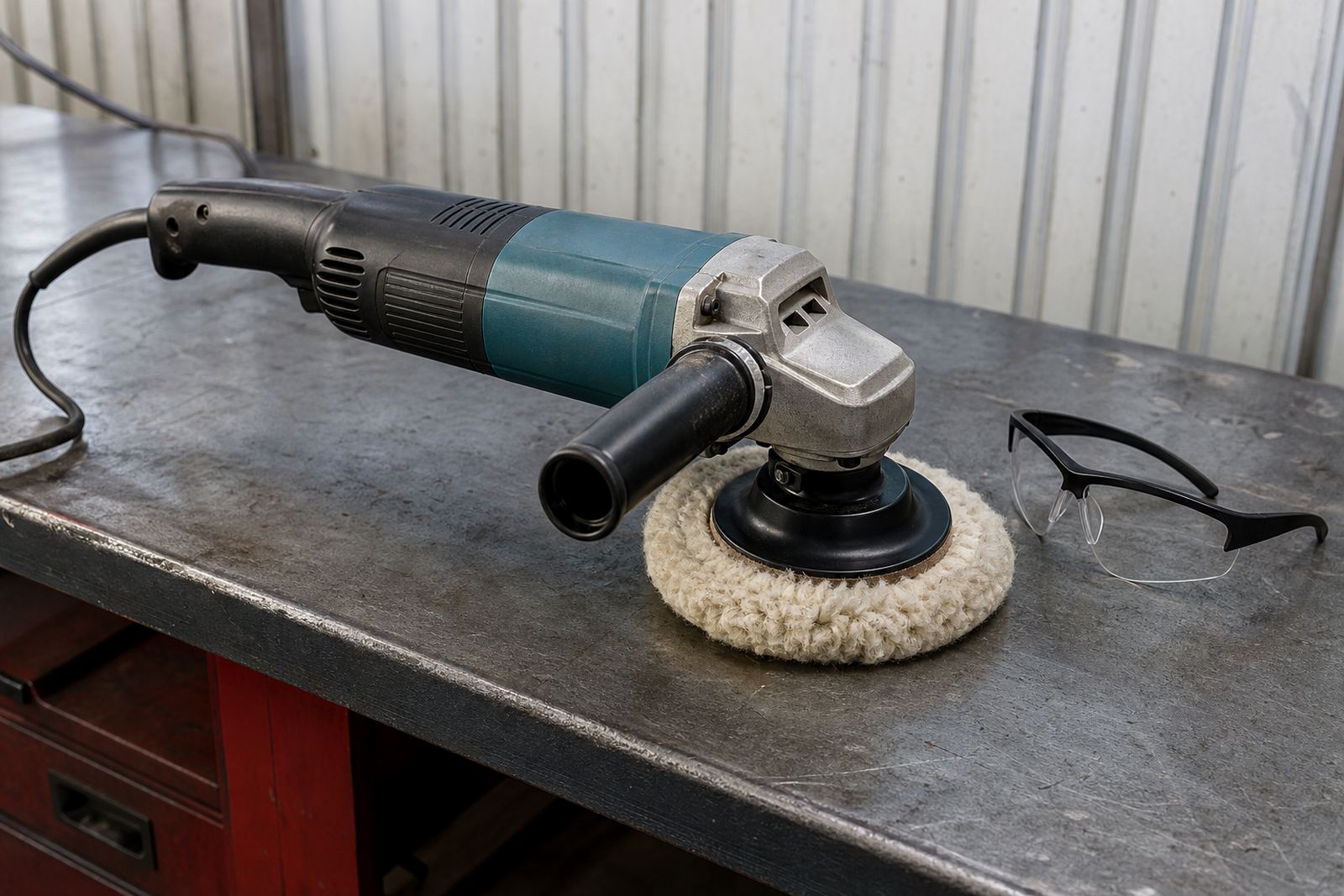
A rotary polisher turns on a single axis, so the pad keeps a direct bite on the surface. That makes it useful when you need controlled cutting on automotive paint, stainless steel, aluminium, brass and other metal surfaces where a more direct action helps remove haze, light sanding marks or surface oxidation. It is not the same as a dual-action machine, which has a more forgiving motion for finishing and light correction.
The 1200W rating gives enough power for steady work on body panels, bumpers, tanks, trims and fabricated parts. In practical terms, this type of machine is often used by experienced users who want control over pad pressure, speed and product choice. On thinner paint or heat-sensitive panels, use lighter pressure and shorter passes, especially in warm Gauteng conditions where surfaces can heat up quickly.
Typical Sizes, Pad Choices And Working Setups
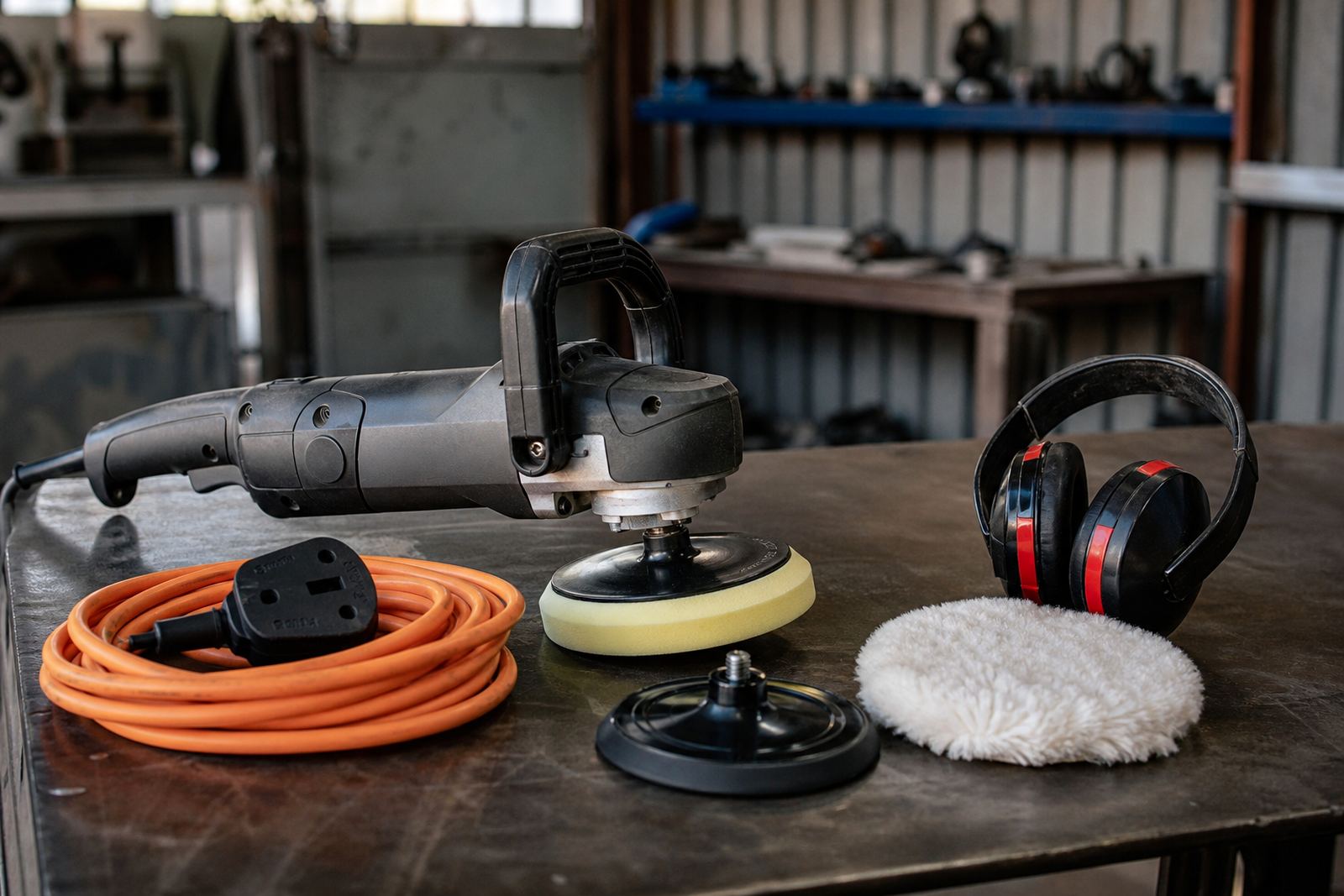
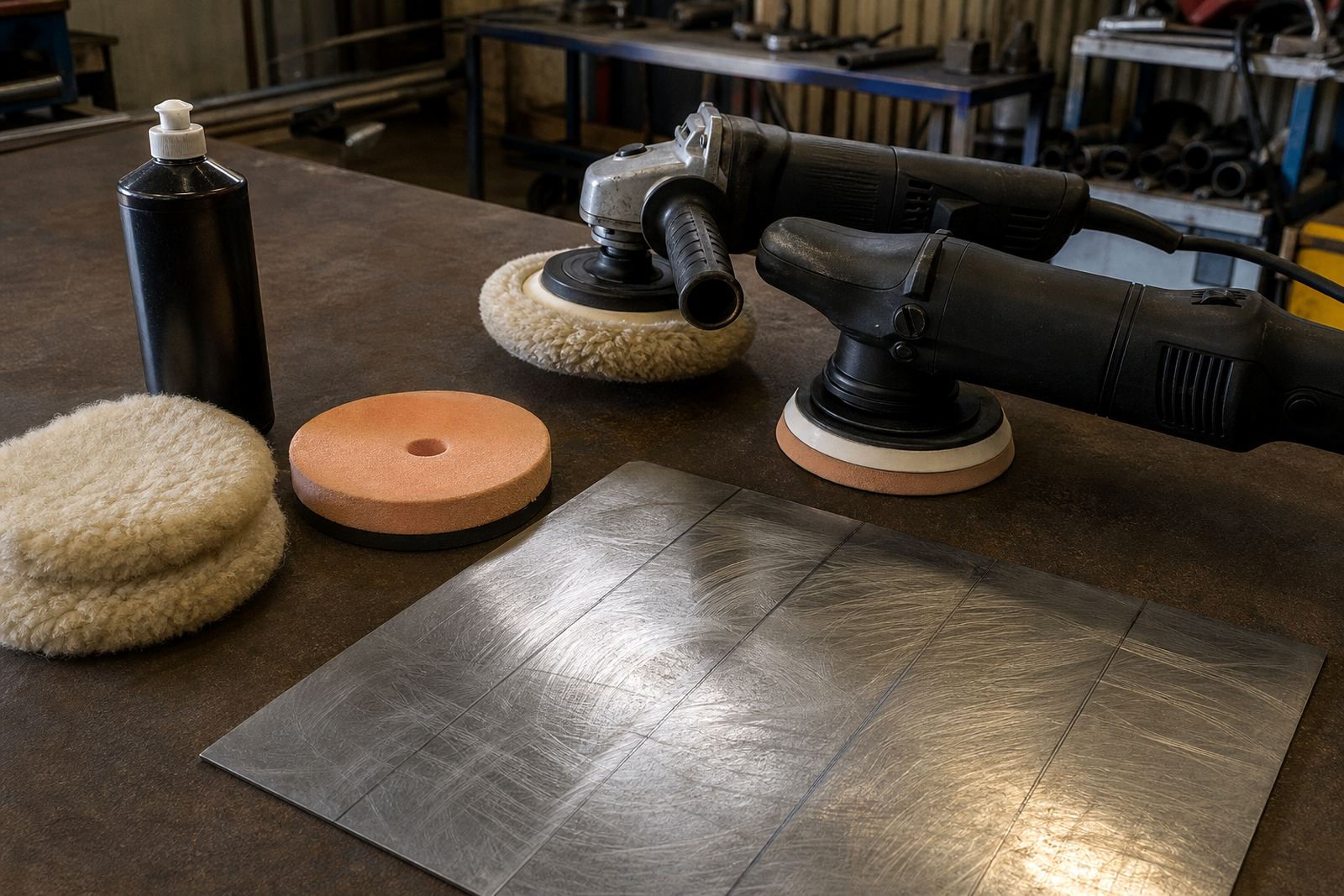
Rotary polishers are generally paired with hook-and-loop backing pads and foam, wool or microfiber buffs depending on the job. Smaller pads are easier around mirrors, door shuts and curved edges, while larger pads are better for broad bonnet, roof and panel work. When polishing metal, the pad and compound choice should match the finish you want, from cut and correction through to a cleaner final gloss.
- Backing pad size for panel work and general correction
- Foam cutting pads for defect removal on paint
- Foam finishing pads for final gloss and refinement
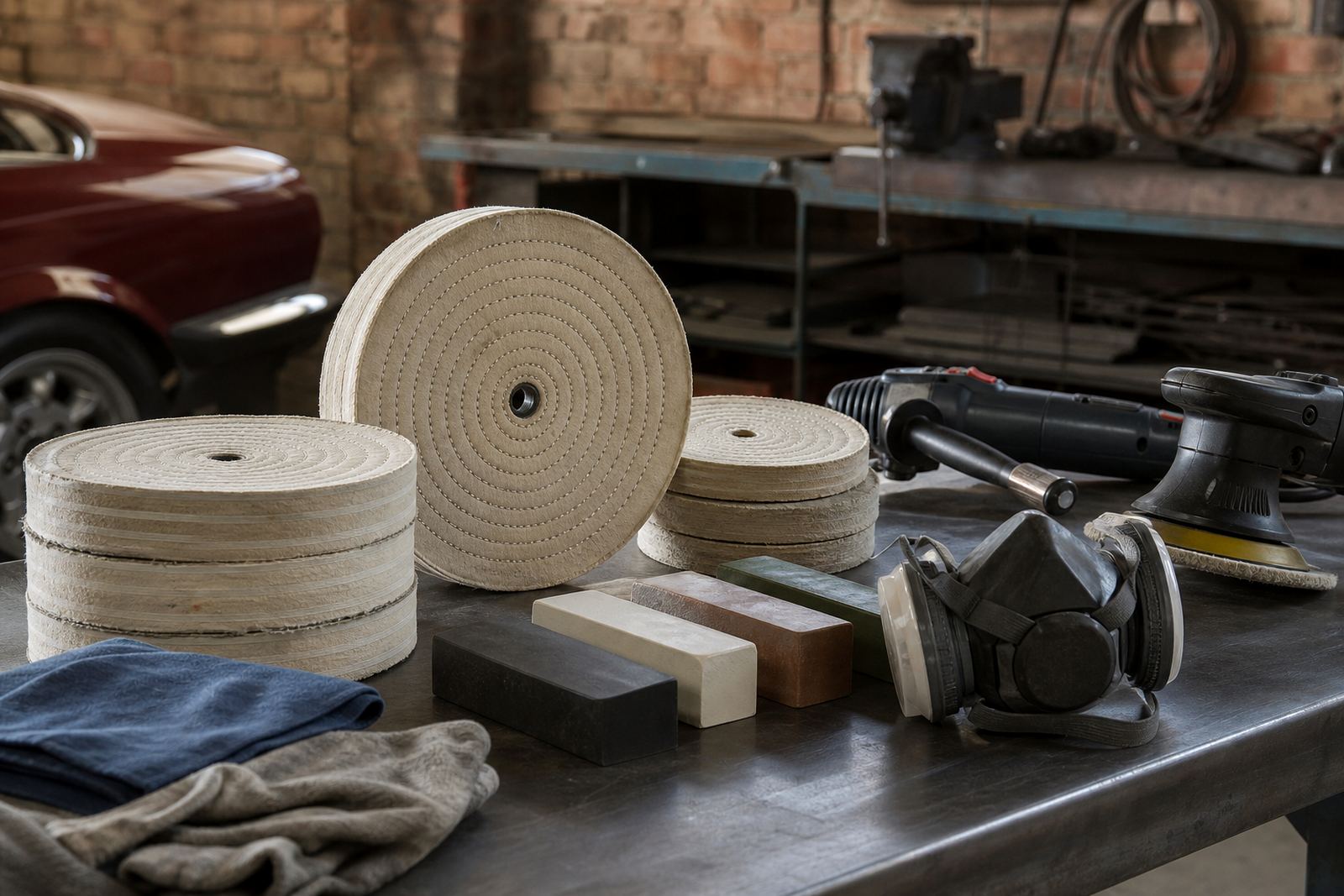
- Wool or fibre buffs for metal cutting and heavier oxidation
- Microfibre options for more efficient correction on some paints
For workshop use in Germiston or the East Rand, many customers keep more than one pad size on hand. That makes it easier to move from a wide flat panel to tighter sections without overworking the edge of a panel or trim.
Where This 1200W Rotary Suits Best
This machine suits paint correction on vehicles, polishing on fabricated metal parts, and restoration work where a direct cut is preferred. It is a practical choice for body shops, detailers, signage fabricators, stainless steel installers and metalworkers who need repeatable results. It also suits experienced hobbyists who want more control than a basic entry-level machine can offer.
For coastal areas such as Cape Town and Durban, keep the machine and pads dry between jobs so moisture does not sit in the backing plate, bearings or compound containers. In dusty workshop areas, close containers properly and brush pads out after use. If you work outdoors, avoid polishing in direct sun for long periods because heat can dry compounds too fast and make finishing harder.
- Auto body correction and gloss restoration
- Oxidised metal cleaning and bright finishing
- Restoration of trim, rims and fabricated parts
- Workshop and onsite polishing demonstrations
- Training sessions for rotary technique and product matching
Power Needs, Setup And Safe Operation
The Rotary Polisher 1200W runs on standard mains electricity and does not need gas. Before first use, check the cable, plug, trigger lock and speed control. If you are working on site, make sure the supply is stable before you start a polishing pass.
Always wear suitable PPE. At minimum, use eye protection, a dust mask or respirator where dry residue is present, hearing protection for longer sessions and gloves if the surface or compounds can irritate the skin. Secure loose clothing and keep the cable away from the pad. On painted panels, keep the machine moving so heat does not build up in one spot and risk burning through edges or creating swirl marks.
- Use clean pads only, never a pad with hard debris in it
- Start at a low speed and step up gradually
- Keep pressure even and let the compound do the work
- Mask sharp edges, trims and badges before correction
- Wipe down residue between passes so you can inspect the finish
Care, Cleaning And Servicing Between Jobs
Good care makes a big difference to machine life. After each job, remove spent compound from the pad, wipe the body of the machine clean and inspect the backing plate for wear. If the machine has been used on metal, check that fine dust has not built up in the vents or around the spindle. A quick clean after each session helps prevent overheating and keeps the tool running smoothly.
Replace worn pads before they harden or go out of shape. Check cables regularly for cuts and kinks, and do not use the machine if the trigger or speed control feels inconsistent. In busy workshops around Johannesburg or Pretoria, set a simple maintenance routine so each unit is checked before it goes back into service. That saves time and helps avoid avoidable downtime.
What to check before ordering
When ordering, check the type of work you plan to do, the pad sizes you need, and whether you want a machine for paint correction, metal finishing or both. If you are new to rotary work, ask about a starter kit or training session so you can match the pad and compound correctly. The wrong combination can leave haze, heavy swirl marks or a patchy finish that needs extra work to remove.
- Power rating and speed control range
- Backing pad size and thread or mount type
- Compatibility with foam, wool or microfiber buffs
- Surface type: paint, stainless steel, aluminium or mixed use
- Need for training, workshop setup advice or onsite team demo
- Consumables required for ongoing use and restocking
Clients in South Africa can reach us through the enquiry form on our contact page for help with the right setup, whether the job is in Germiston, the Vaal Triangle or further afield. We also assist with pad and compound matching, beginner polishing training, rotary skills sessions and safety and PPE briefings.
Key facts
| Power | 1200W mains-powered rotary machine |
|---|---|
| Action | Single-axis rotary cutting action |
| Speed control | Variable speed control for correction and finishing |
| Use | Paint correction and metal surface polishing |
| Pad compatibility | Foam, wool and microfiber buffs with backing pad |
| Power requirement | Standard AC supply required |