
What Cutting Compound Does In The First Polishing Stage
Cutting compound is an abrasive paste or liquid made for the early stage of polishing, when a surface still has visible defects that a light polish cannot fix. On metal it is often used to reduce dullness, heat staining, fine grinding marks and corrosion bloom. On painted panels it can help remove oxidation, sanding marks and heavier swirl patterns before a finer finishing compound is used.
It works by controlled abrasion. The goal is to level the peaks of the surface, not to scrub it. That means pressure, pad choice, machine speed and working time all matter. Too much heat or too aggressive a pad can leave haze, edge burn or micro-marring, especially on soft clear coats and aluminium. In Germiston workshops and mobile jobs across Gauteng, we often remind users that correction is a process, not a single pass.
- Used for initial defect removal
- Suitable for oxidised metal and tired paint
- Best followed by a medium or fine finishing step
- Works with rotary and dual-action polishers
Choosing The Right Grade, Pad And Machine
Not every cutting compound behaves the same. Some are heavy-cut products for stubborn defects, while others are medium-cut formulas that leave a cleaner finish and reduce follow-up work. The right choice depends on the surface hardness, the defect depth and the final gloss you need. For example, a soft bonnet on a car in Durban may mark differently to powder-coated steel in Bloemfontein, because humidity, heat and surface type all play a part.
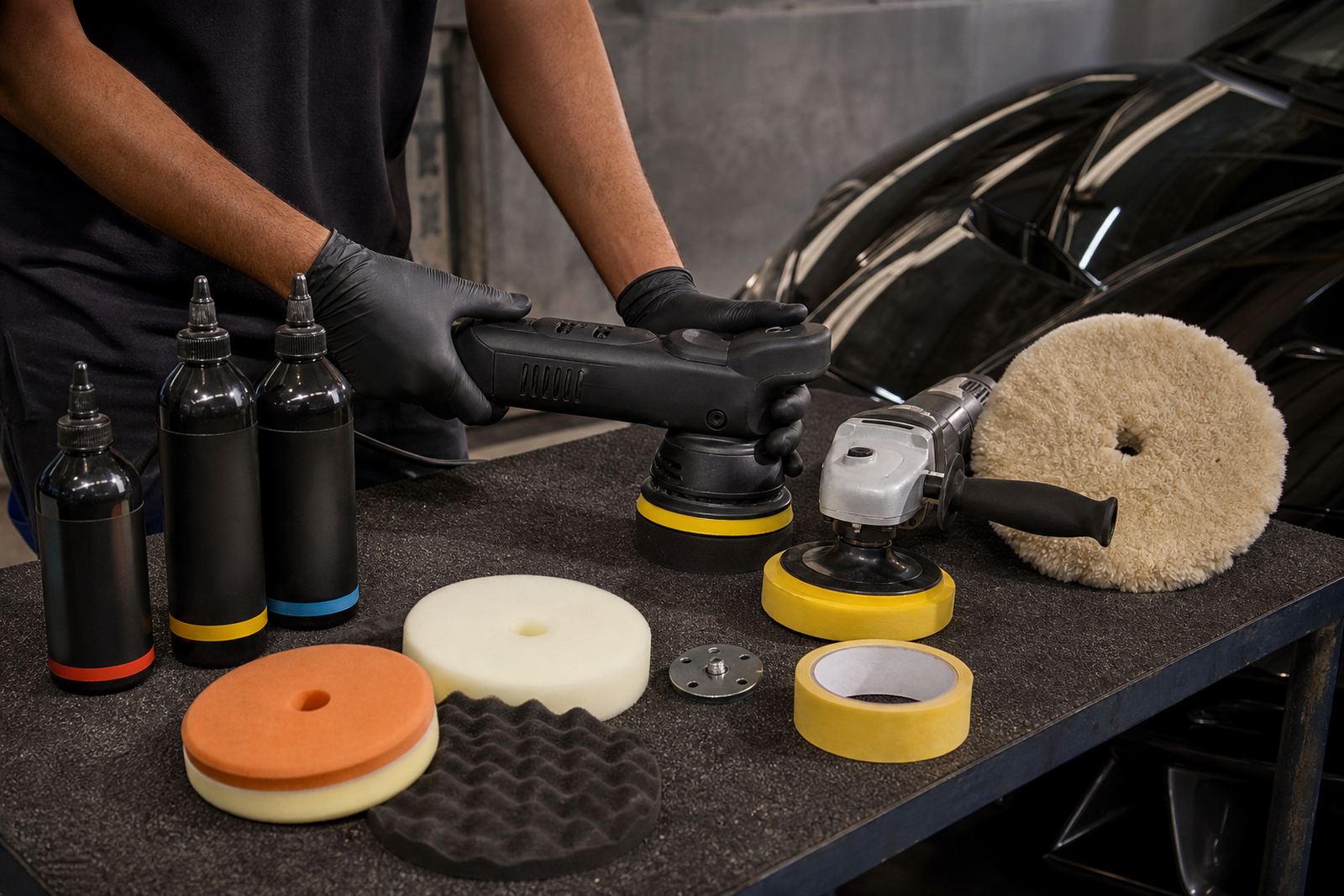
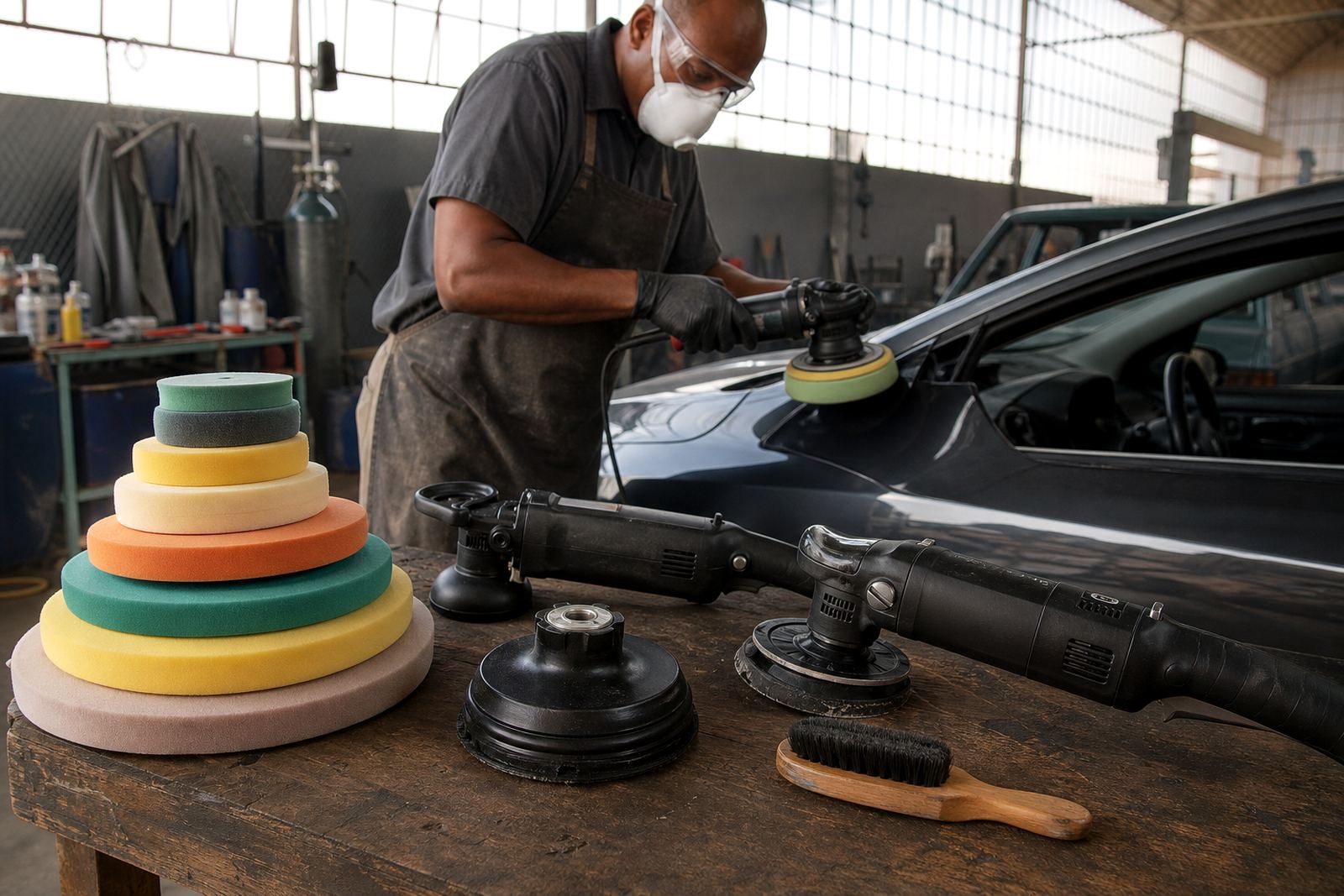
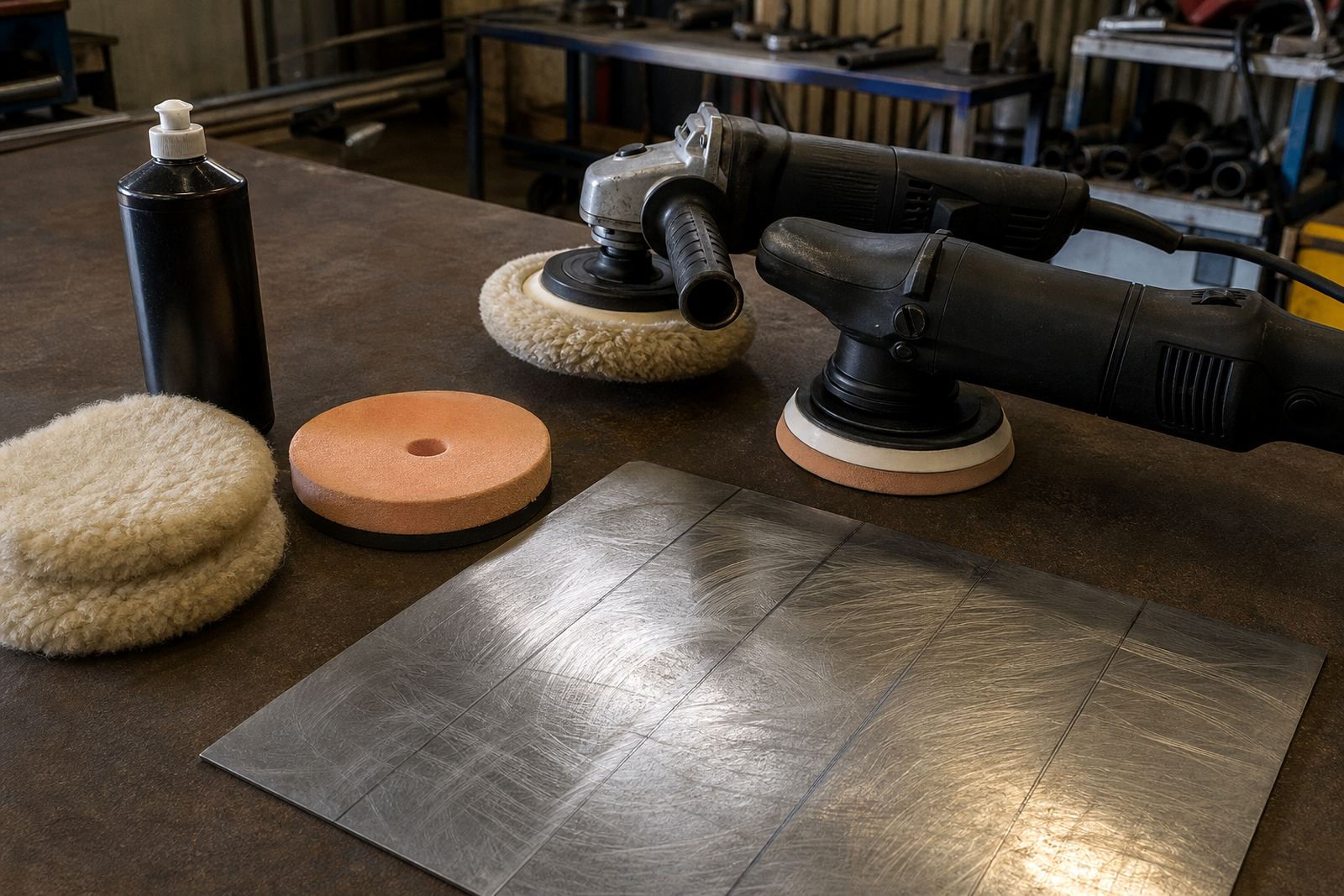
A rotary polisher gives stronger direct cut and is often used where correction speed is needed. A dual-action polisher is more forgiving and is a good choice for training, maintenance work and safer paint correction on daily drivers. On metal, a stitched or treated buff may be used for faster cut, while foam pads are more common for paint. The key is matching the pad and compound so you remove defects without overworking the panel.
- Heavy-cut compounds for deeper oxidation or sanding marks
- Medium-cut compounds for balanced correction and easier finishing
- Foam pads for controlled paint work
- Buffs for metal finishing and faster material removal
Where This Compound Suits Best
This product suits workshops, body repair bays, metal fabricators, detailing setups and serious hobby users who need a dependable first-cut product. It is useful on stainless steel, aluminium, mild steel, painted panels, clear coat, alloy wheels and some coated surfaces, provided the surface can take mechanical polishing. It is also handy for restoring older items where the finish has faded from sun, dust, coastal air or storage in a damp shed.
For South African users, one practical point is dust control. Sanding residue, paint dust and metal particles should be removed before compounding, and the work area should be kept clean so grit does not get dragged across the panel. On site work in places like Pretoria, the East Rand and the Vaal Triangle, good prep saves time and reduces rework.
- Automotive paint correction
- Metal restoration and buffing
- Alloy wheel refinishing support
- Workshop and mobile polishing work
How To Use It Safely And Get A Cleaner Result
Start by washing and drying the surface properly, then inspect it in good light. Use a small amount of compound, prime the pad if needed, and work a small section at a time. Keep the machine moving so the product breaks down evenly. If the pad loads up with residue, clean it before continuing. This is where many users lose cut and add unnecessary heat.
PPE matters. Wear eye protection, gloves if required for the job, and a dust mask when working around dry residue or heavy correction dust.Never rush edges, badges, sharp folds or thin paint on repaired panels.
- Use proper lighting to inspect defects before and after polishing
- Keep the pad flat where possible
- Clean residue from the pad during the job
- Use PPE and manage dust around the work area
Sizes, Options And What To Check Before Ordering
Cutting compound is commonly supplied in smaller trial sizes for training and test panels, and larger containers for workshop use. When ordering, check the intended surface, the machine type, the pad style you already use and whether you want a fast-cut product or a more controlled medium-cut option. If you are setting up a starter kit, it helps to choose a compound that can be used on both metal and paint where suitable, so the team can learn one clear process first.
Also check the viscosity, working time and cleanup. Some products break down quickly and suit fast correction, while others stay active longer for larger panels and bonnet work. In humid coastal conditions like Cape Town or Durban, storage should be closed tightly and kept away from moisture and direct sun. For workshop stock, a clean shelf and clearly marked containers reduce waste and mix-ups, which saves time on busy jobs.
- Available in trial and workshop sizes
- Check whether it is heavy-cut or medium-cut
- Match it to rotary or dual-action use
- Confirm compatibility with metal or paint work
Care, Storage And Workshop Support
Keep the container sealed, store it upright and wipe the cap and neck after use. Contamination from water, sanding dust or old residue can shorten shelf life and cause inconsistent results. If the compound dries on a pad, clean the pad before it hardens because dried product can mark the surface and reduce cutting efficiency.
We also advise regular machine care. Check backing plates, bearings, cords and pad condition before each session. A machine that runs unevenly can create chatter marks or uneven cut, especially on curved panels. If you are unsure how to pair the compound with your pad or whether a rotary or DA machine is best for the job, our team can assist with pad and compound matching, starter kit consultation, machine care guidance and practical training for beginners or crew members.
From Germiston, we support users across Johannesburg, Pretoria, Cape Town, Durban and Bloemfontein with product guidance and polishing training through the enquiry form on our contact page. That makes it easier to order the right item the first time and avoid costly trial and error.
Key facts
| Product type | Cutting compound for initial polishing and defect removal |
|---|---|
| Primary use | Oxidation reduction, sanding mark reduction and early-stage correction |
| Suitable surfaces | Automotive paint, clear coat, stainless steel, aluminium and similar finished surfaces |
| Machine compatibility | Rotary polisher and dual-action polisher, with matched pad or buff |
| Typical format | Liquid or paste compound, depending on the selected option |
| Safety | Use eye protection, dust control and suitable PPE during polishing |