What a 1600W rotary polisher does
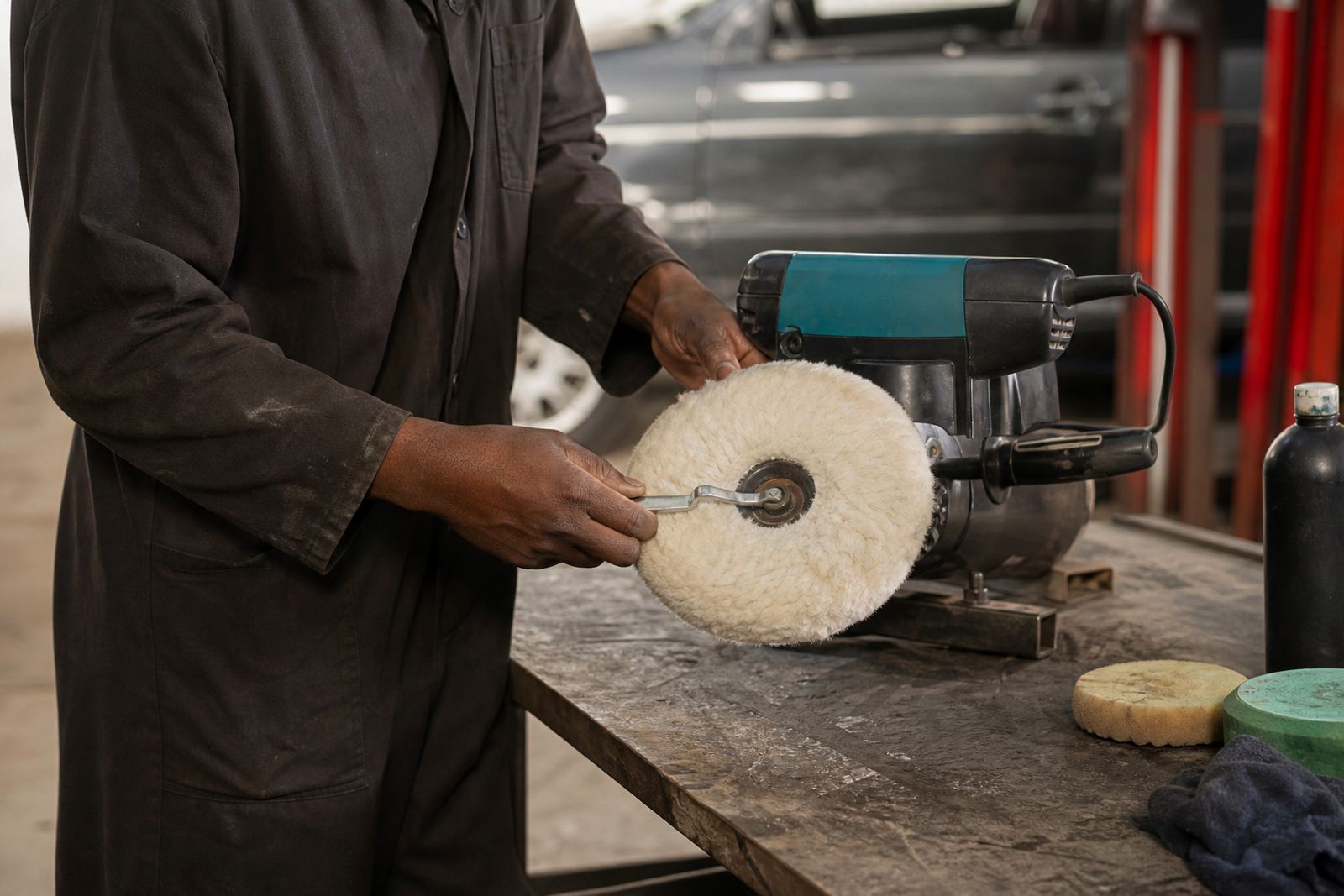
A rotary polisher spins the backing plate on a single axis, which gives direct cutting action and fast correction on paint and metal. A 1600W unit has enough power for heavier polishing work, so it can handle larger panels, oxidation, sanding marks and compound breakdown without slowing down too quickly under load.
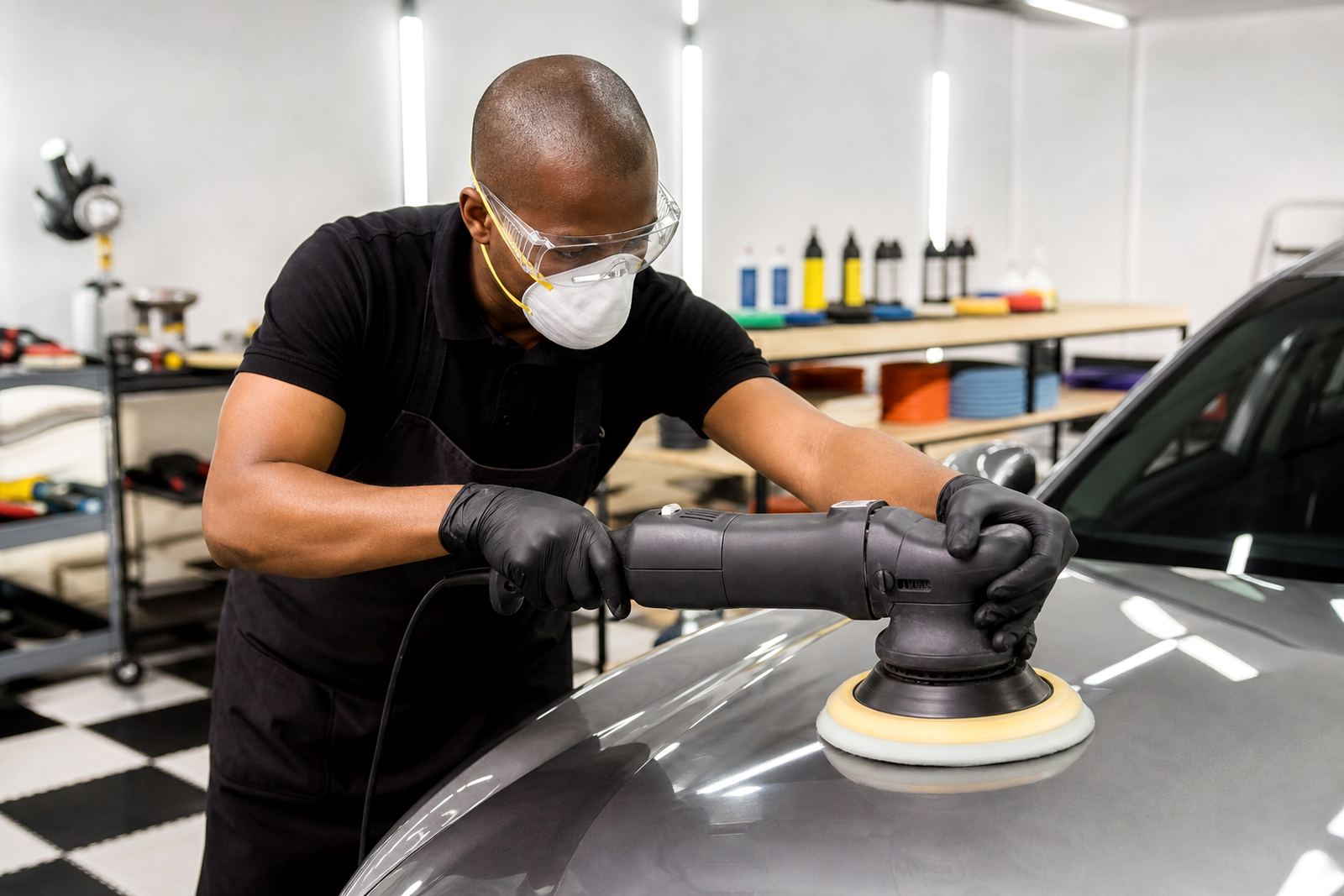
This type of machine is commonly used on vehicle bodywork, chrome, aluminium, mild steel and stainless steel when the surface has been prepared correctly. It suits operators who already understand pad choice, compound selection and heat control, because a rotary can mark paint if it is held in one place too long. Good technique matters, and so does a clean work area with dust control and the right PPE.
Sizes, speed range and useful options
Most 1600W rotary polishers are supplied with a 180 mm or 150 mm backing plate setup, although 125 mm systems are also used when the job calls for tighter control around edges and curves. Variable speed control is important, because slower settings help spread compound and faster settings help break down scratches and restore gloss. Soft start is useful too, as it reduces the kick when the trigger is pulled.
- Backing plate size: 125 mm, 150 mm or 180 mm depending on the type of panel and pad.
- Speed control: variable dial for low-speed spreading and higher-speed correction.
- Handle options: side handle or D-handle style for better grip during long sessions.
- Spindle lock: helps with pad changes and general setup.
For most South African workshops, a mid-size plate is the most practical because it balances coverage and control. Smaller pads are better for tight sections, while larger pads cover bonnet, door and gate panels more quickly.
Where this machine suits best
This rotary polisher is suited to panel beaters, detailers, metal finishers, stainless fabricators and home users who want a stronger machine for larger jobs. It is a good fit for bonnet repairs, oxidised clear coat, tank panels, machine housings, railings and decorative metal surfaces. In Gauteng, where dust and dry conditions are common, a rotary can be very effective after washing and decontamination, provided the surface is kept clean during work.
It also works well for training sessions because the operator can feel the change in pad drag and see how compound breaks down. That helps with teaching pressure control, pad movement and section size. For coastal work in places like Durban or Cape Town, it is especially important to keep pads dry, clean and free from salt contamination between uses.
- Best for: larger flat or gently curved panels.
- Also suitable for: machine housings, tanks, gates and polished metal furniture parts.
- Less suitable for: very soft paint, delicate edges and inexperienced users without supervision.
Power supply and workshop setup
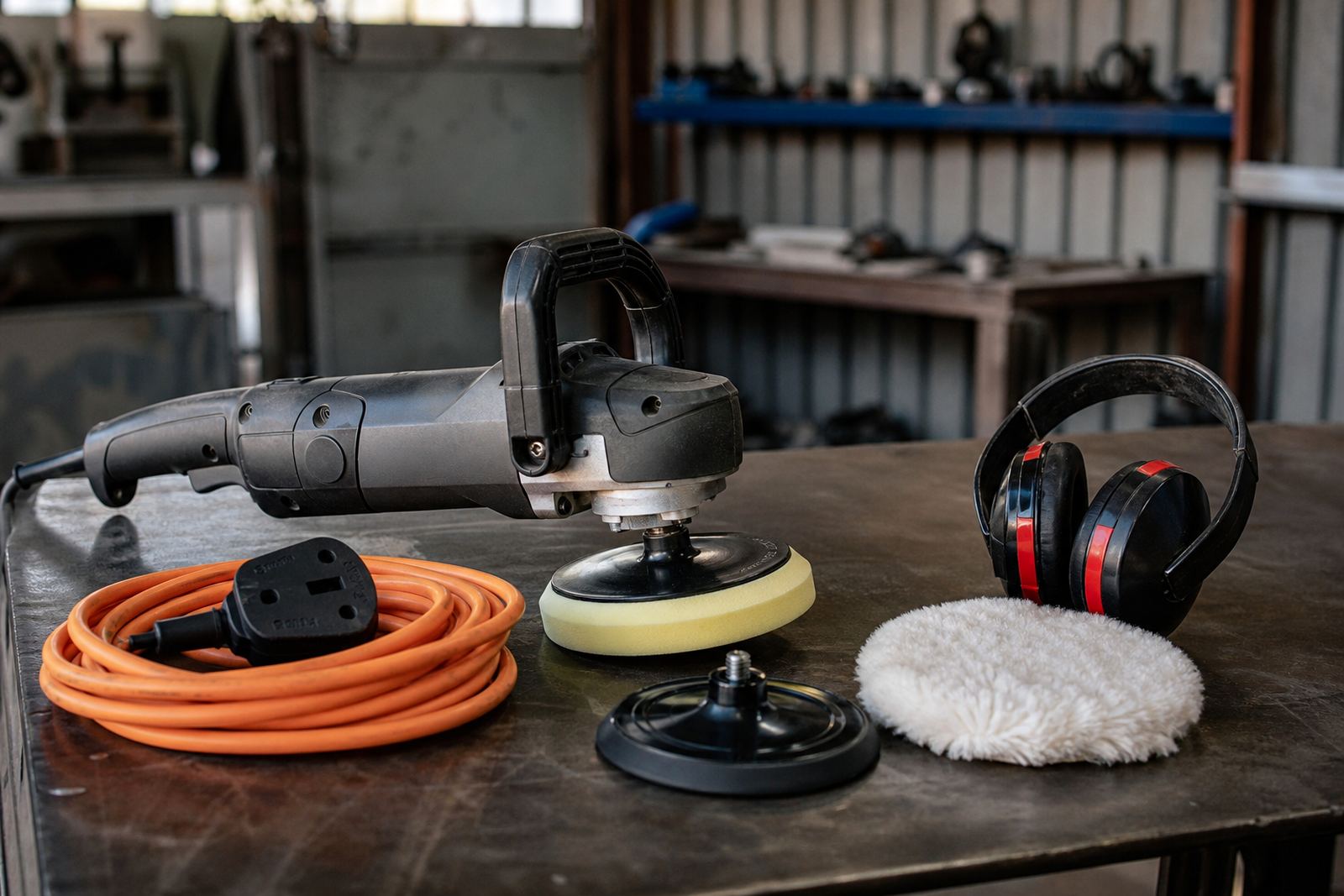
The Rotary Polisher 1600W runs on standard single-phase mains power, so no special supply or compressor connection is needed. For workshop use, make sure the plug point is in good condition and the extension lead is heavy enough for the load. Long, thin leads can cause voltage drop, which affects performance and can make the machine run hotter than it should.
Keep charged backup lighting nearby and do not leave a machine unattended when power returns unexpectedly. If the work is done in a spray area or near solvent vapours, keep the space well ventilated and clear of ignition risks. Use a clean bench or stand for pads, compounds and cloths so there is less chance of cross contamination.
- Use a sound socket and plug top before starting.
- Keep leads clear of the pad and moving sections.
- Work in a well lit area with enough airflow.
- Do not use the machine in wet conditions or with damaged cables.
How to care for the machine and pads
After each job, brush compound residue from the housing, vents and backing plate area. Let the motor cool before packing it away, then check the cable for cuts, twists or flattened sections. Pads should be washed or blown out regularly, because loaded pads generate heat and can leave uneven finish marks on paint and metal.
Keep the gearbox and bearings under watch for unusual noise, vibration or smell. If the machine starts to feel rough or loses speed under normal pressure, it may need inspection before the next job. A common mistake is using too much product, which clogs the pad and puts extra strain on the motor. A little product used correctly goes a long way, that part is easy to forget.
- Clean air vents after every heavy session.
- Store pads flat or hung so they keep shape.
- Check pad face and backing plate for wear.
- Replace damaged cables and worn brushes as needed.
What to check before ordering
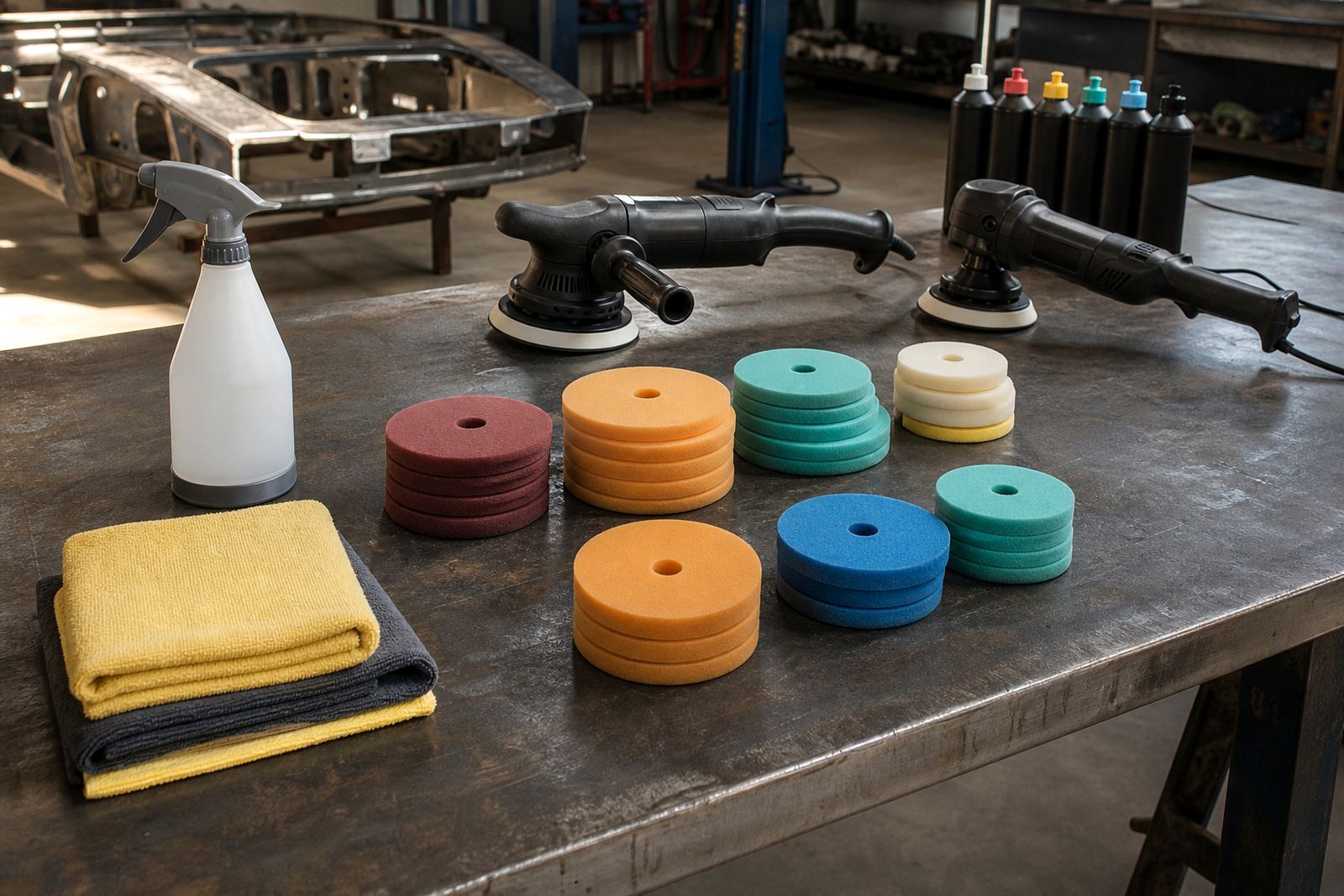
Before placing an order, check what surface you are polishing, the pad sizes you already use and whether you need a machine for paint correction or metal finishing. If you work on both, it helps to match the rotary with the right backing plate, foam pads, wool pads and compounds. A beginner may also want starter kit advice so the first setup is practical rather than overcomplicated.
It is worth confirming grip style, speed control and the type of work you plan to do in Johannesburg, Pretoria, Cape Town, Durban or Bloemfontein. If the machine is for training, ask about safe hand positioning, sectioning and PPE. You should also make sure your dust mask, eye protection and gloves are suitable for the environment and the products being used. If you are unsure, send the details through the enquiry form on the contact page and the team can help match the machine to the job.
Support from Germiston for workshops and users
From Germiston, Gauteng, we supply polishers, buffs, compounds and polishing training across South Africa, including Johannesburg, Pretoria, Cape Town, Durban and Bloemfontein. Support covers rotary skills sessions, DA skills sessions, metal buffing training, paint correction coaching, pad and compound matching, machine care guidance and safety and PPE briefing. We also help with workshop setup advice, consumables restocking and onsite team demo work where needed.
For businesses in the East Rand or Vaal Triangle, the focus is usually on practical setup and repeatable results. For hobbyists, the focus is often on safe handling and getting a clean finish without burning the surface. Either way, the aim is simple: use the right machine, the right pad and the right compound for the job, and keep the operator safe while doing it.
Key facts
| Product type | Rotary polisher |
|---|---|
| Motor power | 1600W |
| Power supply | 220V to 240V single-phase mains |
| Speed control | Variable speed rotary control |
| Typical pad sizes | 125 mm, 150 mm or 180 mm backing plate options |
| Use case | Paint correction and metal polishing on larger panels |