What a Long Throw DA Does on Paint and Clear Coat
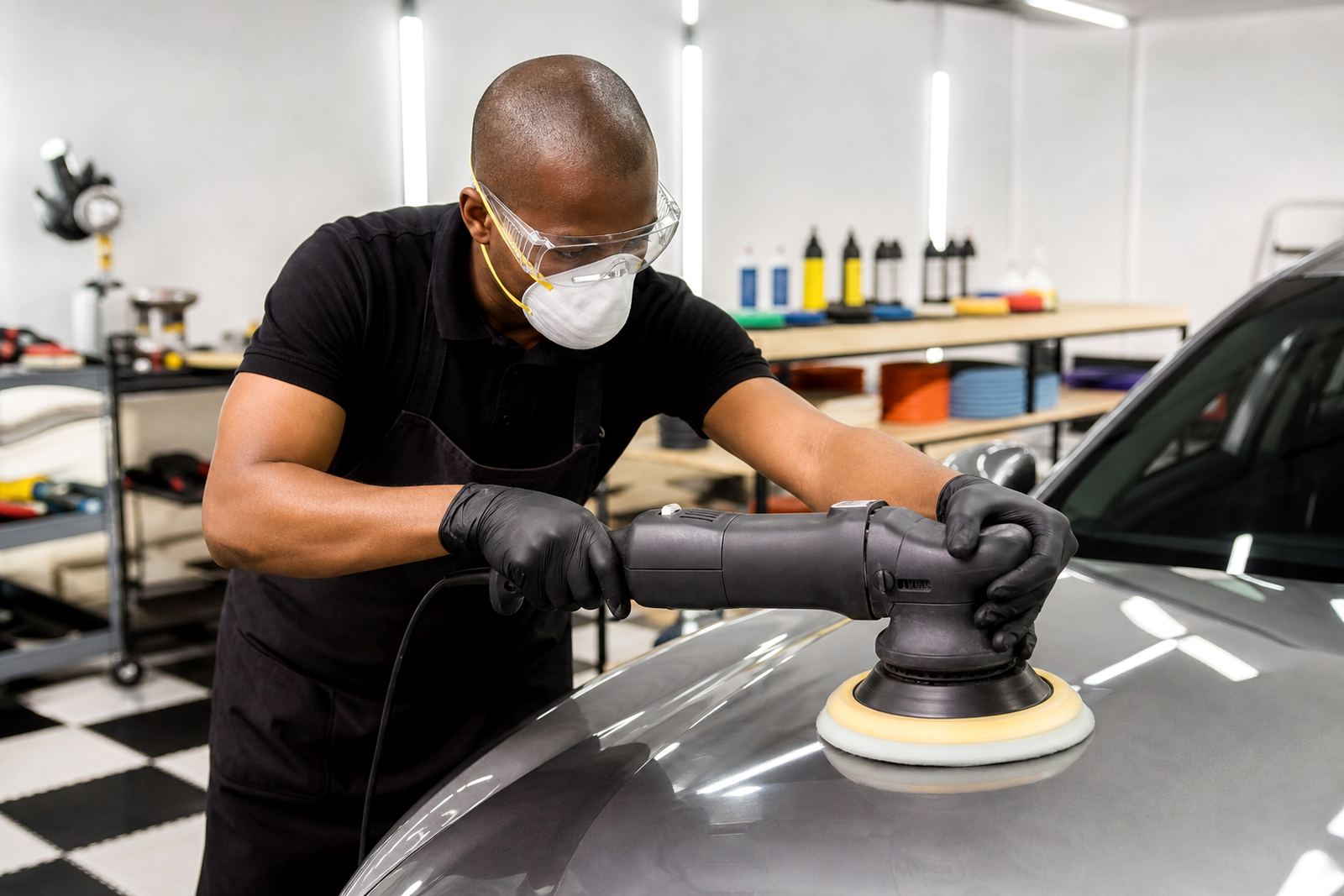
A long-throw dual-action polisher combines rotation with an orbit that moves the pad across the panel in a broader pattern than a short-throw machine. That wider throw helps spread compound more evenly and makes it easier to work large areas such as bonnets, roofs, doors and load bin covers without leaving heavy machine marks. On modern clear coat, it is a useful middle ground for correction and finishing, especially when you want control and a lower chance of overworking an edge.
In practical use, a DA is popular for paint correction, final polishing and refining haze after heavier compounding. It is also easier for newer users to handle than a rotary because the pad movement is less aggressive. That said, technique still matters. Keep the pad flat, use the right product amount and work clean, because dry buffing can quickly leave swirl marks or dust on the panel.
- Useful for single-stage paint, clear coat and freshly painted panels that have cured properly
- Better panel coverage on large bonnet and roof sections
- Suitable for hobby users and workshop staff who need repeatable results
Machine Sizes, Pad Backing and Speed Control Options
Long throw DA polishers are usually supplied in 5 mm to 21 mm throw ranges, with 8 mm, 15 mm and 21 mm being common working options for different levels of correction and finish control. Smaller throws are easier to manage in tighter spaces, while larger throws cover broad panels faster and can improve finish consistency when used with the correct pad and compound. Many users choose 125 mm backing plates for general work, while 75 mm backing plates help around pillars, bumpers and tight curves.
Speed control is important. A good machine should have variable speed settings for spreading product at low speed, then working the polish at a steady rate without stalling under light pressure. Soft-start motors are useful because they reduce product sling at startup.In humid coastal towns like Durban, keep an eye on pad condition because damp pads can change cut and finish very quickly.
- Typical backing plate sizes: 75 mm and 125 mm
- Common orbit throws: 8 mm, 15 mm and 21 mm
- Variable speed control for spreading, correction and finishing
Where This Polisher Fits in a South African Workshop
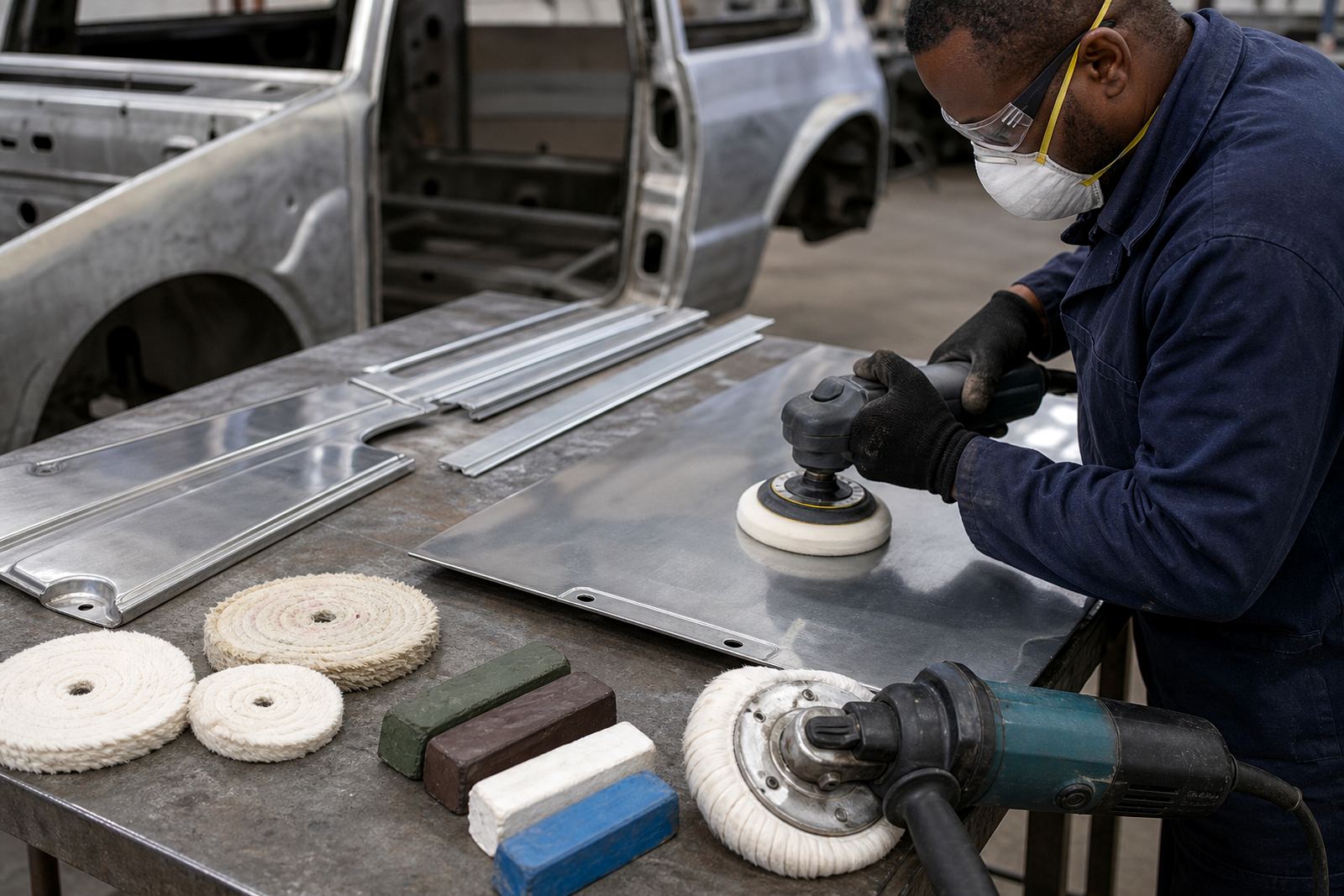
This type of machine suits panel beaters, detailers, body repair shops, used vehicle reconditioning teams and serious hobby users who work on cars, bakkies and light commercial vehicles. It is especially useful where paint condition varies from one panel to the next and you need a machine that can refine oxidation, light defects and sanding haze without jumping straight to aggressive rotary work. On metal finishing jobs, it can help with final polish stages on painted metal parts, provided the compound and pad are matched correctly.
For Gauteng workshops in Germiston, Johannesburg, Pretoria and the East Rand, the long-throw DA is a good everyday finishing tool because it balances speed and control. In Cape Town and coastal areas, it also works well on paint that has picked up fine contamination from sea air and road grime. For Bloemfontein and the Vaal Triangle, it is handy for dustier conditions where regular pad cleaning is needed. The key is not to chase defects too fast. Let the pad and compound do the work, and check your finish under proper lighting before moving on.
- Best on medium to large painted panels
- Works well after initial compounding or for one-step polishing
- Useful for paint correction coaching and starter kit setups
Power Connection, Workshop Setup and Safe Working Practice
Most long-throw DA polishers run on standard mains electricity and do not need compressed air. In the workshop, make sure the supply matches the machine rating and that extension leads are heavy duty enough for the load. Keep cables clear of water, sharp edges and moving panels.
Before polishing, wash the vehicle properly, decontaminate the surface and tape off sensitive edges, trims and badges where needed. Use PPE, including eye protection, a dust mask when dealing with dry residue, and gloves where suitable. Dust from dried compound and old paint residue should not be inhaled. Work in a well-ventilated area and clean the pad often with a pad brush or compressed air used carefully, because clogged pads cut poorly and build heat. On painted surfaces, keep pressure light and watch panel temperature with your hand, especially on thinner panels and repaired areas.
- Standard mains power for workshop and mobile use
- No gas line needed
- Use clean power, safe leads and proper ventilation
Choosing the Right Pad and Compound Combination
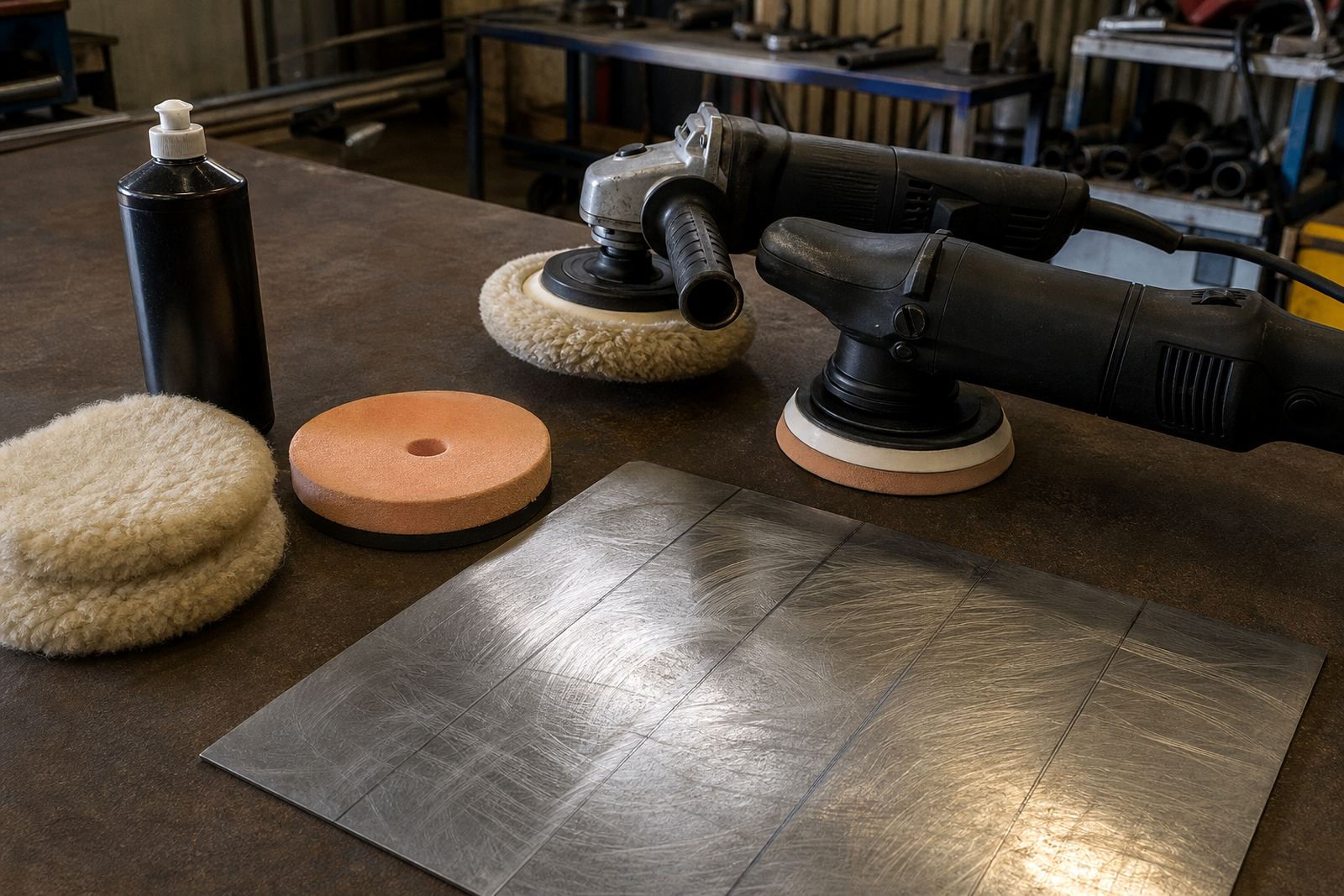
A long-throw DA performs best when the pad and compound suit the paint condition. Foam cutting pads are used for heavier defects, polishing pads for refining, and finishing pads for final gloss. Microfibre pads can give stronger initial cut on harder paint, but they need proper technique to avoid haze. The compound must match the pad and the paint hardness, because a pad that is too aggressive can leave marks that then need extra finishing work.
For softer paint, start with a milder polish and finish pad first. For harder clear coat or oxidation, begin with a cutting pad and a medium compound, then step down to a finer polish. Always test a small area before moving across the full panel. That helps prevent unnecessary work and gives you a clear idea of the finish you can achieve. If you are working on polished metal rather than paint, choose products made for the metal grade and keep the surface cool. Heat can discolour some finishes very quickly.
- Foam cutting, polishing and finishing pads
- Compounds for correction, refining and final gloss
- Pad and compound matching advice available for beginners and workshops
Care, Servicing and Ordering Checks
Look after the machine and it will keep working properly. After each use, unplug it, remove dust from vents and clean the backing plate and pad interface. Inspect the cord, switches and plate for wear, because a damaged cord or loose plate can affect balance and safety. Replace worn pads before they become flat or glazed, since poor pad condition will reduce correction and can mark the paint. Keep the machine in a dry place, especially in humid coastal conditions, and avoid storing it with product residue on the plate or housing.
When ordering, check the throw size, backing plate size, voltage, speed range, weight and the type of work you plan to do. Also confirm if you need a complete starter kit with pads and compounds, or if you are only replacing a machine in an existing setup. For workshops, it helps to know how many operators will use the polisher and whether you need training in rotary skills, DA skills, paint correction coaching or machine care guidance. If you are unsure, ask for advice before buying so the setup suits the work instead of forcing the work to suit the machine.
- Check throw, plate size, voltage and speed control
- Ask about pad and compound match before ordering
- Consider training if your team is new to DA work
Key facts
| Type | Long-throw dual-action polisher |
|---|---|
| Throw options | Commonly 8 mm, 15 mm or 21 mm |
| Backing plate sizes | 75 mm and 125 mm options |
| Power | Mains powered workshop tool |
| Use | Paint correction, polishing and finishing |
| Best suited for | Large painted panels, clear coat and final refinement |