
Gentle Start-Up For Better Control
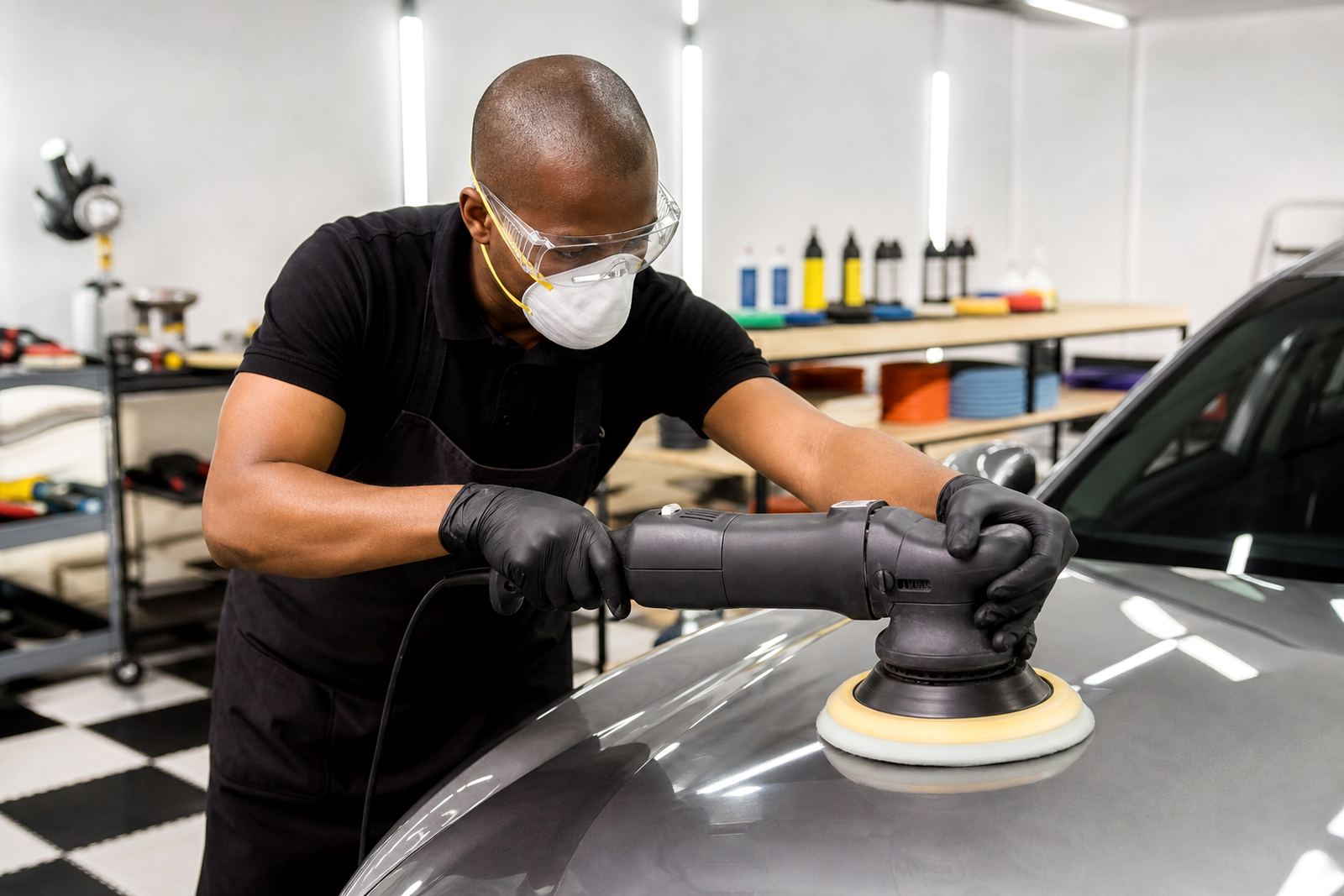
A soft start polisher is built to come up to speed in a controlled way instead of hitting full rpm the moment the trigger is pulled. That slower rise gives you time to settle the pad on the panel, spread compound cleanly and keep product from flicking onto trims, glass or nearby bodywork. For many users in Germiston, Johannesburg and Pretoria, that is the difference between a neat first pass and a messy clean-up.
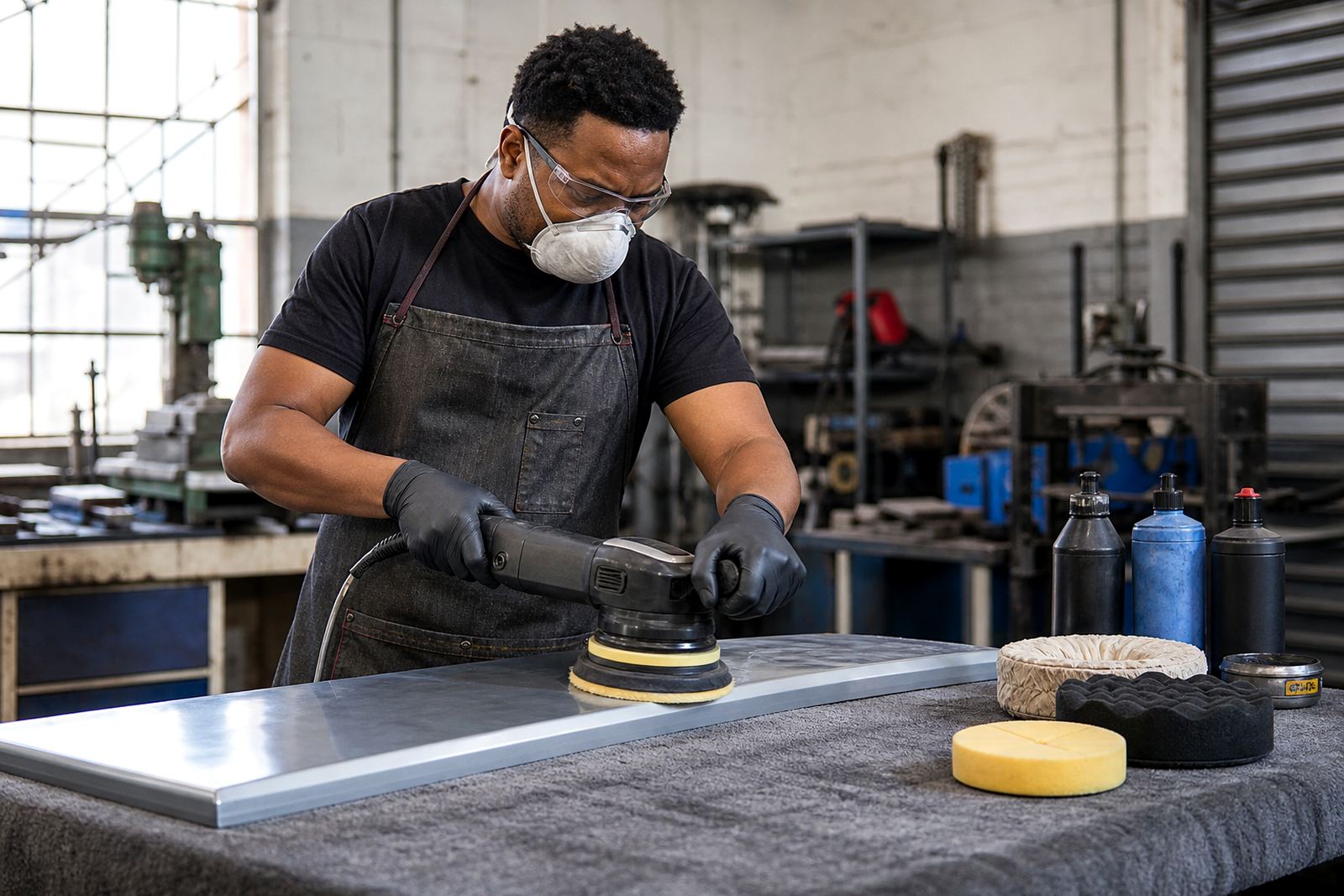
On paint, the soft start helps when working around edges, swage lines and tighter panels where a sudden grab can make the machine pull. On metal, it gives more control when dressing stainless, aluminium or mild steel before final finishing. It is useful for hobbyists and workshop teams alike, especially where a steady hand is needed on curved surfaces, tanks, rims, guards or small restoration pieces. Mandla Sipho Dlamini and the team often recommend this style to customers who want a more manageable machine for day to day finishing work.
The controlled start is not only about comfort. It also supports cleaner product use, less wastage and a more predictable polish pattern. If you are training new staff, or refining your own technique, the softer start makes it easier to teach pad placement, trigger control and pressure management from the first use.
Where A Soft Start Polisher Fits Best
This machine suits rotary polishing, light correction and general finishing where you need a balanced mix of speed and control. It is often chosen for paint correction coaching, pad and compound matching, and starter kits for people learning the basics of finishing. In Cape Town, Durban and Bloemfontein it is also a practical choice for workshop use where different operators may share one machine during the day.
Soft start polishers are common in applications such as:
- Automotive paint polishing after washing, decontamination and masking
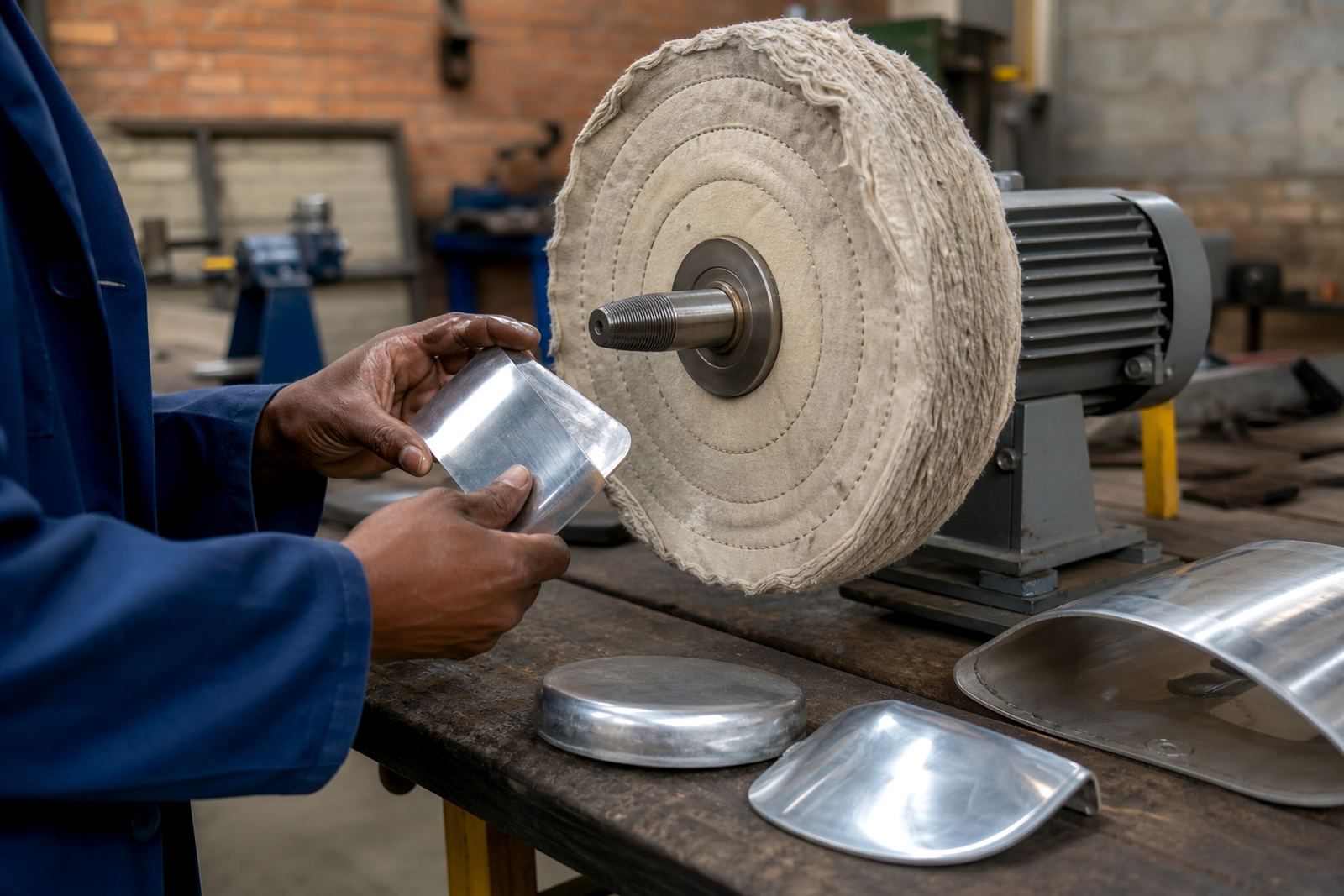
- Metal buffing on stainless, mild steel, brass and alloy components
- Refinishing motorcycle parts, fitments and custom fabrication work
- Cleaning and brightening already prepared surfaces before final hand finishing
- Training environments where new users need a bit more time to control the pad
For heavy correction on rough paint, deep scratches or badly oxidised metal, the machine must still be matched to the right pad and compound. A soft start helps at the beginning, but the final result depends on technique, surface condition and how well the machine is paired with the job. That is why practical guidance matters just as much as the tool itself.
Sizes, Drive Types And Power Choices
Soft start polishers are usually supplied in a few common sizes, with 125 mm pad systems being the most popular for general vehicle work and smaller metal jobs. Some users prefer larger pad support for broader panels, while others want a compact body for tighter spaces and trim work. A good supplier should help you choose the right spindle size, backing plate diameter and handle setup for the type of work you do most often.
Most units in this category are electric, so the main power need is a stable mains supply and a proper extension lead where required.For fixed workshop use, check the plug rating, cable length and whether the machine is suitable for continuous duty or shorter finishing cycles.
- Typical pad size options: 75 mm, 125 mm and 180 mm systems depending on the job
- Speed control: variable speed for spreading, polishing and finishing stages
- Grip options: side handle, D-handle or rear body grip depending on comfort
- Mounting: standard backing plate fitting with secure spindle engagement
For metal work, the machine should also suit the buff type you plan to use, since a soft cotton buff, stitched wheel or foam pad each loads and cuts differently. Matching the drive speed to the consumable prevents burning, haze and uneven finishing. That matters just as much on a restored bonnet as it does on a stainless gate fitting.
Installation, Setup And Workshop Readiness
There is no complex installation on a hand-held soft start polisher, but setup still matters. Fit the backing plate correctly, check that the pad is centred and make sure the compound is chosen for the surface and level of correction required. Before the first use, inspect the cable, switch and body for damage, then run the machine briefly at low speed to check for wobble or unusual vibration.
A proper workshop setup should include clear space around the panel, good lighting and clean storage for pads and compounds. Dust and grit can ruin a finish very quickly, so keep consumables covered and avoid placing pads on dirty benches. In humid coastal areas such as Durban or Cape Town, store metal polishing items dry to avoid contamination and rust spots, especially on fine buffing wheels and open compounds.
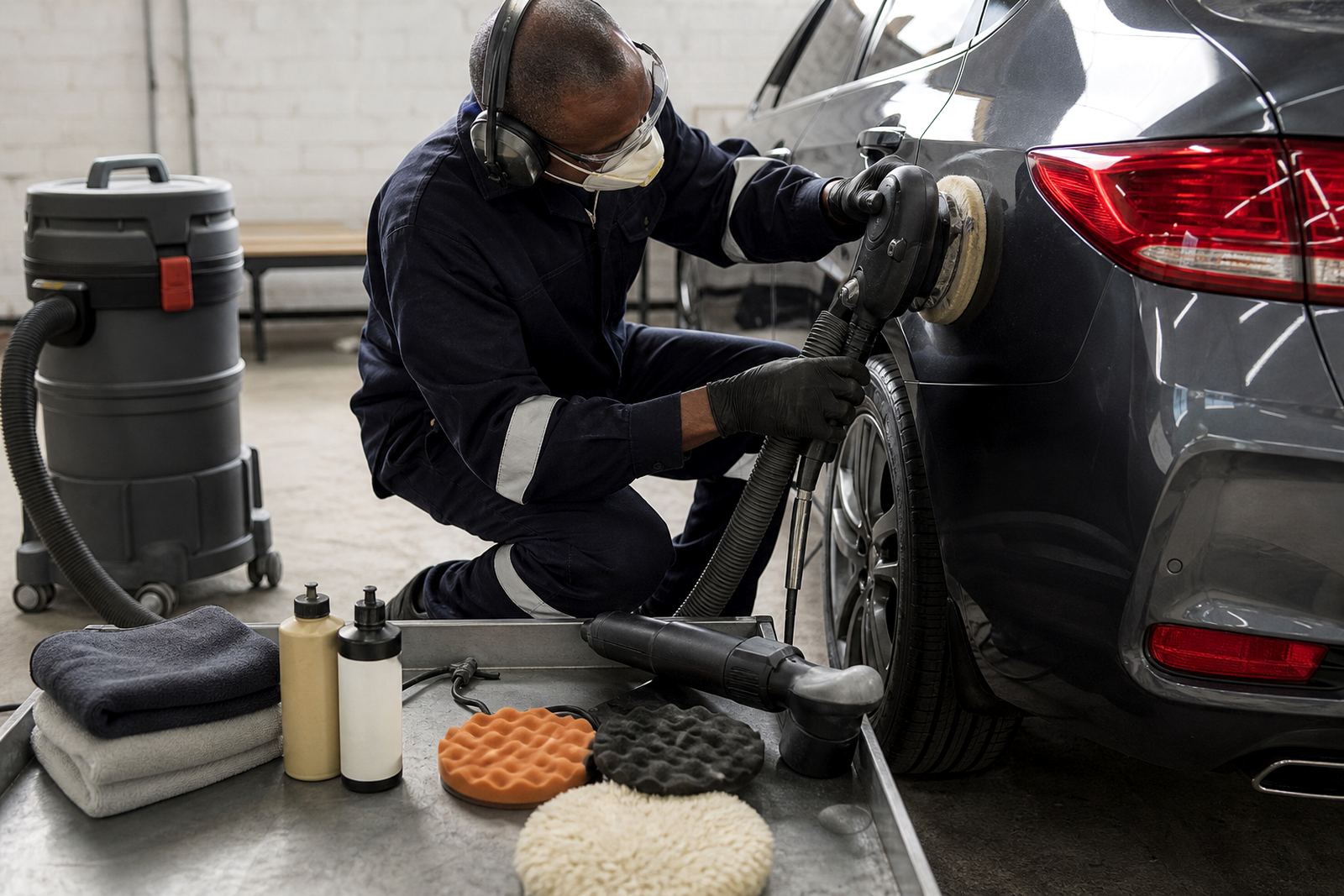
For safety, use PPE at all times. Eye protection, a dust mask where dry residue is present, hearing protection in enclosed spaces and gloves when handling metal parts all help reduce risk. If you are polishing old paint, body filler or oxidised metal, treat the dust seriously and avoid breathing fine particles. Good extraction and regular cleaning are part of the job, not an afterthought.
Care, Servicing And Common Wear Points
A soft start polisher lasts longer when it is cleaned after each use and checked regularly for wear. Wipe compound residue off the body, clear vents and inspect the backing plate, cable strain relief and switch action. If the machine starts to vibrate, loses speed under light pressure or runs hotter than usual, it may need attention before the next job.
Pad care is just as important. Keep foam pads clean, dress buffs correctly and replace damaged or frayed consumables promptly. On metal finishing jobs, contaminated compound can scratch the surface, so do not mix coarse and fine products on the same pad. The same applies to paint work where one dirty pad can spoil a panel that was nearly done.
- Check the backing plate for cracks, distortion or loose threads
- Inspect brushes or motor wear points where applicable
- Keep air vents clear to reduce overheating during long sessions
- Store the machine off the floor and away from moisture and grinding dust
For workshops in the East Rand and Vaal Triangle, regular machine care helps reduce downtime and keeps training sessions consistent. If staff members use the machine across different jobs, a simple log of pad condition, compound used and service notes can prevent confusion and keep output neater.
What To Confirm Before Ordering
Before ordering, check the job type, the surface size and the operator experience level. A soft start polisher can be a good all-round choice, but only if the pad system, speed range and grip style suit the work. If you are finishing cars, ask whether the machine is better suited to paint correction, final gloss work or heavier compounding. If you are working on metal, confirm the type of buffing wheel and compound that will be used with it.
It also helps to confirm these details:
- Pad diameter and spindle size required for your normal work
- Speed range and whether low speed spreading is important
- Power supply, plug type and cable length for your workshop
- Whether you need starter kit support, training or setup guidance
- Spare parts and consumable availability for ongoing use
- Delivery destination, whether Germiston, Johannesburg, Pretoria, Cape Town, Durban or Bloemfontein
Customers can reach us through the enquiry form on our contact page for help choosing the right machine, consumables and training path. Polisher supplies products and practical guidance from Germiston, Gauteng to customers across South Africa, with support for beginners, workshops and trade users who want a cleaner finish and more control on every pass.
Key facts
| Machine type | Soft start hand-held polisher for paint and metal finishing |
|---|---|
| Drive action | Rotary polishing action with controlled start-up |
| Common pad sizes | 75 mm, 125 mm and 180 mm options depending on job |
| Speed control | Variable speed for spreading, polishing and final finishing |
| Power requirement | Mains electric supply with suitable extension lead where needed |
| Typical use | Compound spreading, light correction, buffing and final gloss work |