What a dust extraction shroud does in the workshop
A dust extraction shroud fits around the working head of a compatible machine so dust can be drawn away at the point where it is created. In practice, that means less loose material hanging in the air, less settling on nearby panels and benches, and less clean-up after the job. It is not a replacement for proper technique, but it is a useful accessory when dry sanding, edge prep, de-nibbing or related finishing tasks need tighter dust control.
In Germiston, Johannesburg, Pretoria, Cape Town, Durban and Bloemfontein, many workshops deal with a mix of metal finishing, paint correction and general surface prep. A shroud is useful where dust control matters, especially in enclosed bays or shared work areas. It is also helpful in coastal towns where fine dust can cling to panels when humidity is high, and in busy workshops where people are moving between jobs.
Where this shroud suits and what it is used with
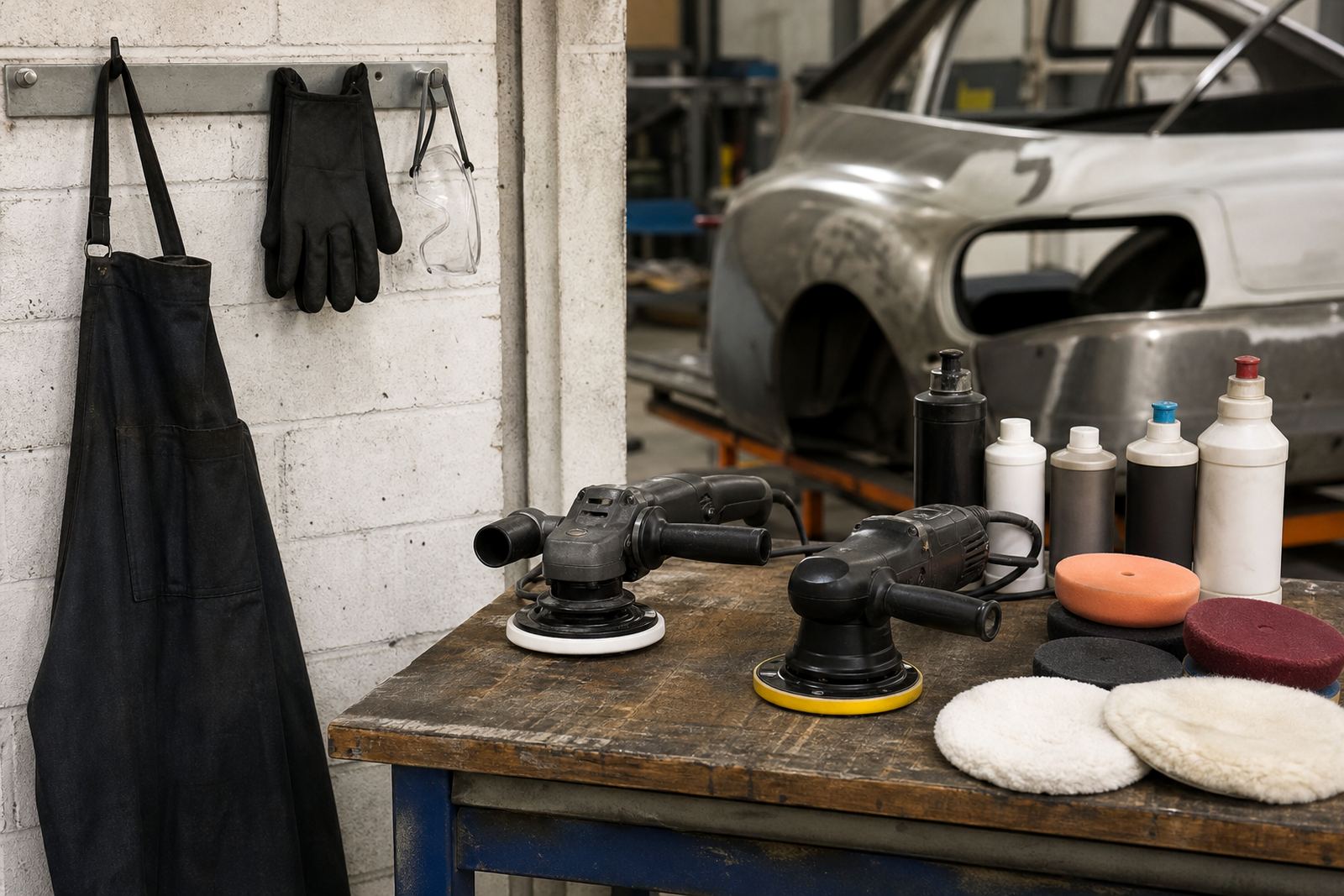
This accessory suits certain rotary and dual-action polishers, angle-style prep machines, and other compatible surface finishing tools where a dust port can be connected. It is commonly used for dry preparation rather than wet polishing. On paint, it may be used before correction work or before refinishing. On metal, it can help control residue when preparing a surface for compound work or when levelling light marks before final finish. It is important to match the shroud to the machine body, backing plate size and dust outlet position.
- Dry sanding and prep on panels, trims and repaired areas
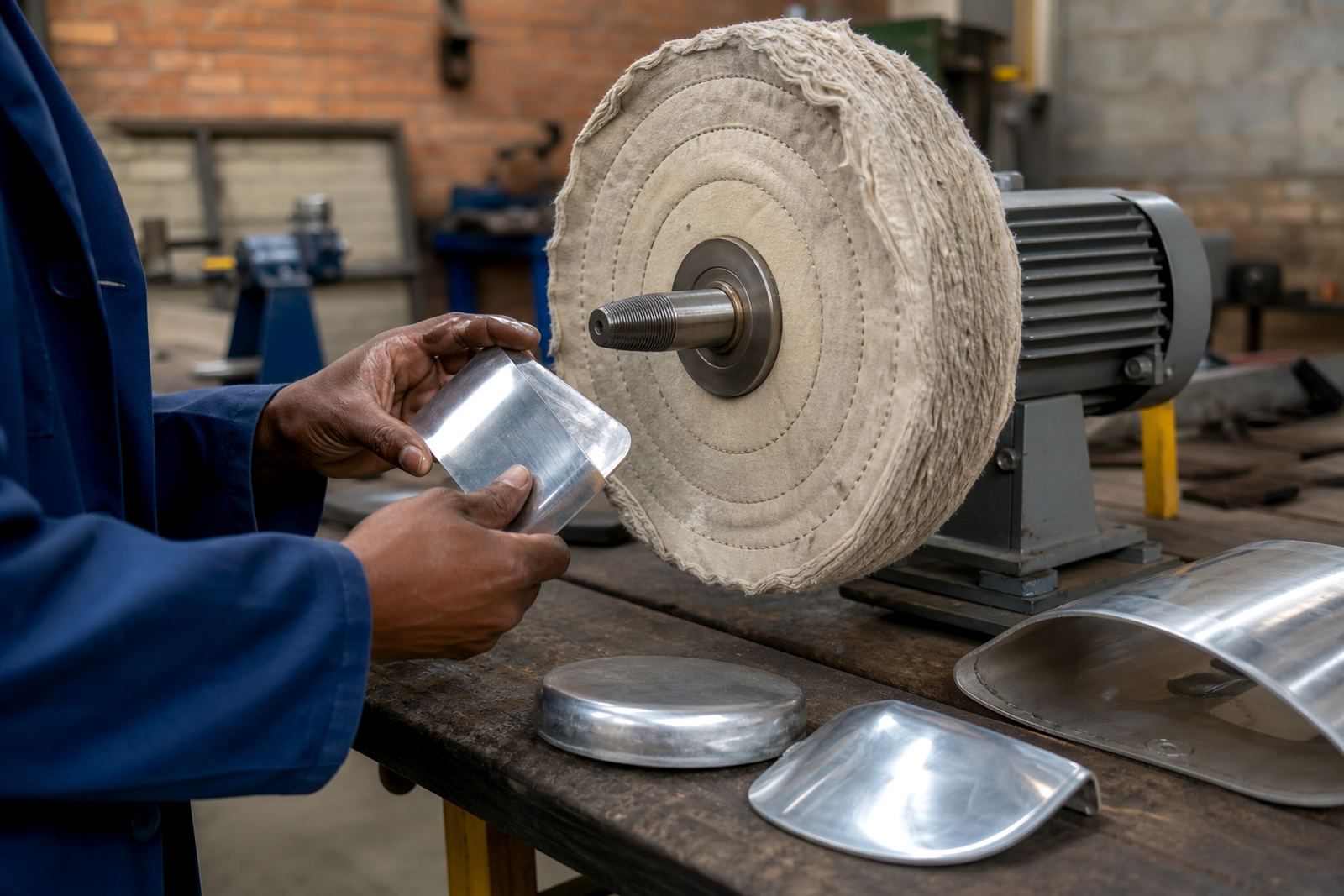
- Metal surface preparation before polishing or buffing
- Paint correction related prep where dust capture is needed
- Workshop use on jobs where cleaner air and better visibility help
For vehicle work, always confirm that the pad, plate and shroud leave enough clearance so the machine can move freely. A tight fit can cause drag or rubbing, while a loose fit can reduce dust capture and feel unstable in the hand.
Sizes, fittings and setup details to check before ordering
Dust extraction shrouds are not one-size-fits-all. The main points are diameter, neck style, mounting method and hose connection. Some shrouds are made for smaller backing plates while others suit larger working heads. The cut-out and skirt shape must match the machine so the tool can track correctly without forcing the edge into the surface.
- Machine type: rotary or dual-action, and whether the head is fixed or free-spinning
- Backing plate size: confirm the pad diameter and the clearance needed around it
- Dust port size: check hose fitment for the extractor or vacuum line being used
- Mounting style: clamp, screw-on, clip-on or wraparound design depending on the machine
- Working height: enough skirt depth to control dust without dragging on the panel
If you are ordering for a fleet workshop or a team in more than one branch, standardising the machine size makes life easier. It simplifies consumables, reduces fitting mistakes and helps when stock needs to be shared between Germiston Supply, East Rand Supply and other service areas.
Installation, power and extractor connection
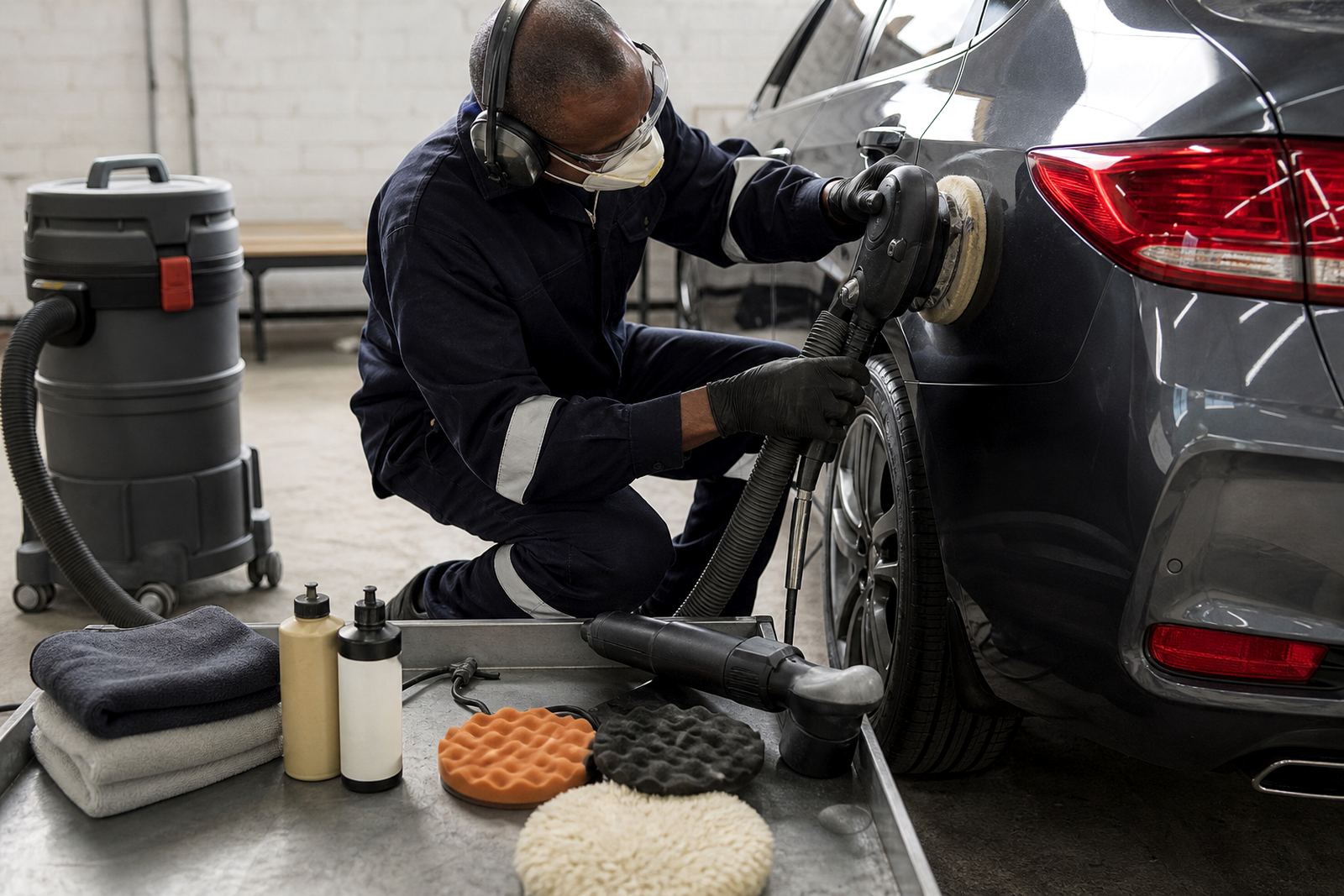
Most dust extraction shrouds are fitted mechanically and do not need power on their own. The power requirement comes from the compatible polishing or prep machine, while the dust is drawn away by a separate extractor or vacuum unit. That means the shroud itself is a passive accessory, but the total setup must be planned properly. Use a hose that seals well and does not pull the machine off line when it moves.
When setting up, check that the hose route does not create a trip hazard and that it can move with the operator without kinking.If the extractor is on a different circuit, make sure the plug points, extensions and leads are safe and suitable for the bay. For any site near municipal spray areas or shared industrial premises, keep dust discharge and waste handling within local rules and workshop housekeeping standards.
A proper fit should allow the operator to hold the machine naturally, keep the pad flat where needed and avoid overloading the motor. If the shroud feels like it is forcing the tool to sit unevenly, stop and recheck the size match.
Care, cleaning and service life
A shroud lasts longer when it is cleaned after each shift and checked for wear. Dust build-up around the skirt and ports can reduce airflow, so wipe it down regularly and clear any packed residue before the next job. If the workshop uses it on metal work, take care with fine particles as they can become abrasive and clog the edges faster than ordinary dust. Keep it away from solvent soak and do not leave it lying on a hot panel or near sparks.
- Inspect the skirt or brush edge for splitting, warping or missing sections
- Check hose clamps and locking points for looseness
- Clear the dust port and air path after use
- Store it flat or hung where it will not be crushed
- Replace any part that no longer seals properly or sits square on the machine
Good care is part of safe workshop practice. PPE still matters, including eye protection, a suitable dust mask or respirator, hearing protection where needed, and gloves where the task allows. A shroud helps reduce airborne dust, but it does not remove the need for safe technique and proper extraction.
What to check when ordering
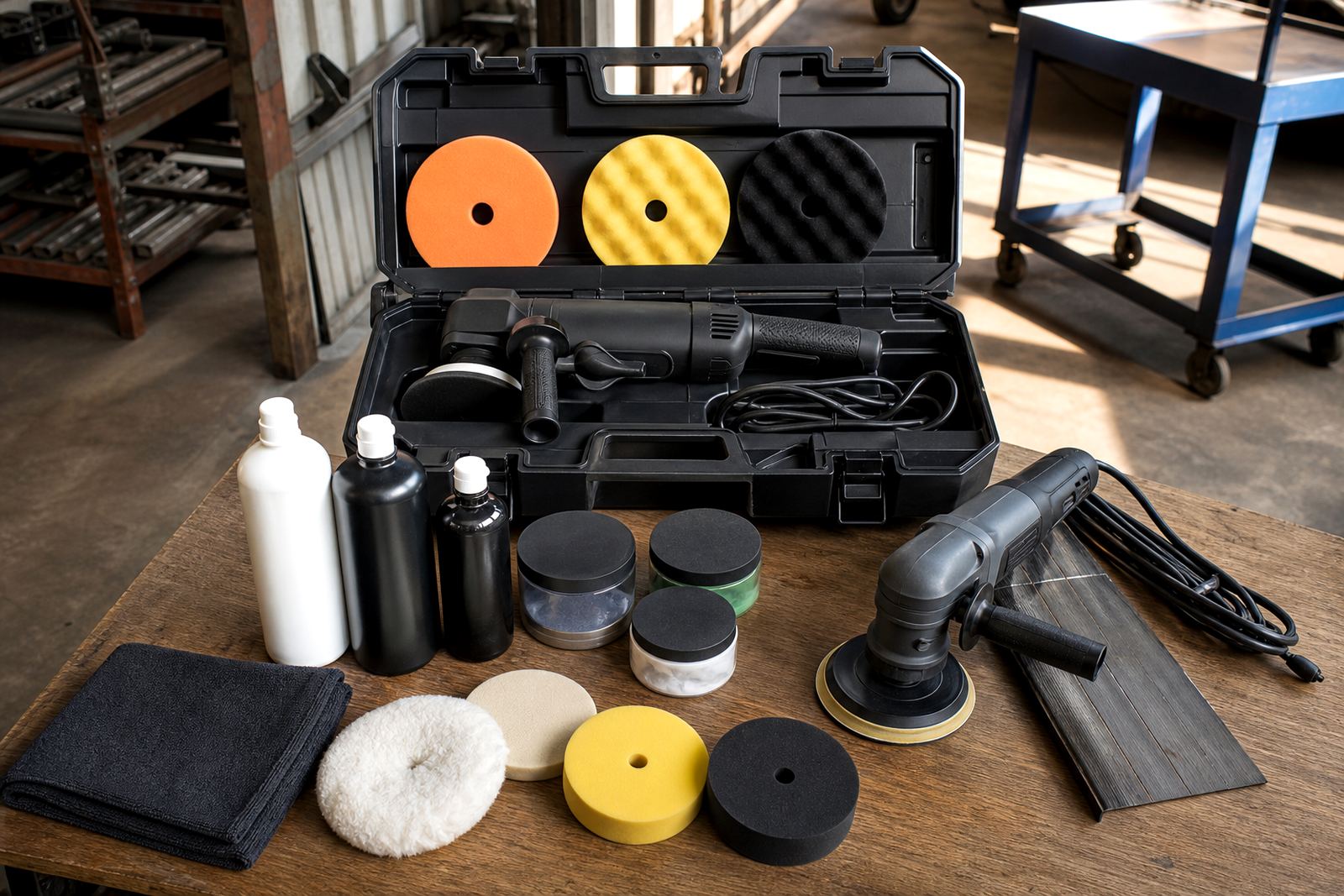
Before ordering, confirm the machine model family, backing plate diameter, dust port size and whether the work will be on paint, metal or both. It also helps to know whether the team uses a rotary machine for heavier correction or a dual-action machine for finer prep work. If the job involves workshop training, starter kit planning or team demos, the shroud should be matched to the way the machine is actually used, not just the size printed on the box.
For customers across South Africa, this is especially useful when equipment is shared between branches or used on different jobs each week. A correct order avoids delay, keeps the setup practical and reduces the chance of returns caused by a mismatch. If you are unsure, use the enquiry form on the contact page and ask for advice on fitment, hose connection and safe use in your specific workshop setup.
- Machine type and head style
- Backing plate or pad size
- Dust hose or extractor connection size
- Task type, such as dry prep, paint correction related prep or metal finishing
- Need for training, setup advice or consumables matching
Workshop support for teams, trainees and everyday users
Polisher supplies dust control accessories alongside polishers, buffs, compounds and practical training for metal and car finishing. Our Germiston base supports hobby users, apprentices and working teams who need direct guidance on setup, pad choice and safe working methods. If the shroud is part of a wider plan, we can help with machine care guidance, starter kit consultation and workshop setup advice so the equipment suits the job from the start.
For larger teams, an onsite demo or safety and PPE briefing can help staff understand how to use the shroud properly with the rest of the finishing process. That matters when different operators are handling the same equipment across Johannesburg, Pretoria, Cape Town, Durban and Bloemfontein, because consistency keeps the work cleaner and easier to manage. A shroud is a small accessory, but in the right setup it makes a clear difference to the working environment.
Key facts
| Product type | Dust extraction shroud accessory |
|---|---|
| Use | Dust control for certain dry preparation and polishing related tasks |
| Compatible machines | Selected rotary and dual-action polishers, and other compatible prep tools |
| Typical connection | Dust hose or vacuum line to a workshop extractor system |
| Power requirement | No power on the shroud itself; depends on the machine and extractor used |
| Key checks | Machine fit, backing plate size, dust port size, clearance and seal quality |