
What Metal Polishing Compound Does On Real Workshop Jobs
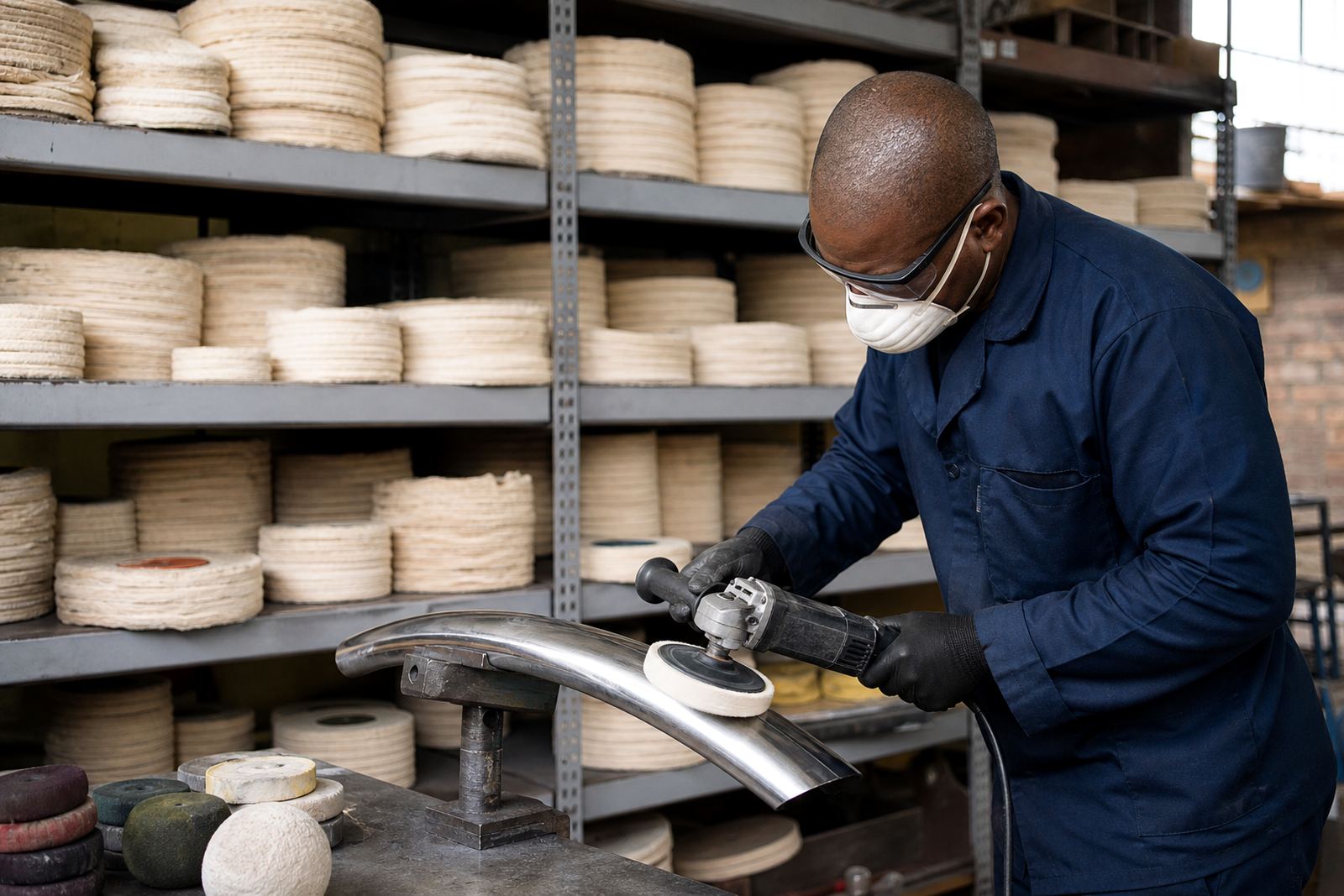
Metal polishing compound is a fine abrasive cake or paste used with a buffing wheel, cloth wheel or foam pad to refine a surface after cutting or sanding. It helps remove light oxidation, haze, swirl marks and the dull film that often appears on polished metal after handling, weather exposure or poor storage. Used correctly, it changes a rough or matte finish into a brighter, cleaner one without taking off more material than needed.
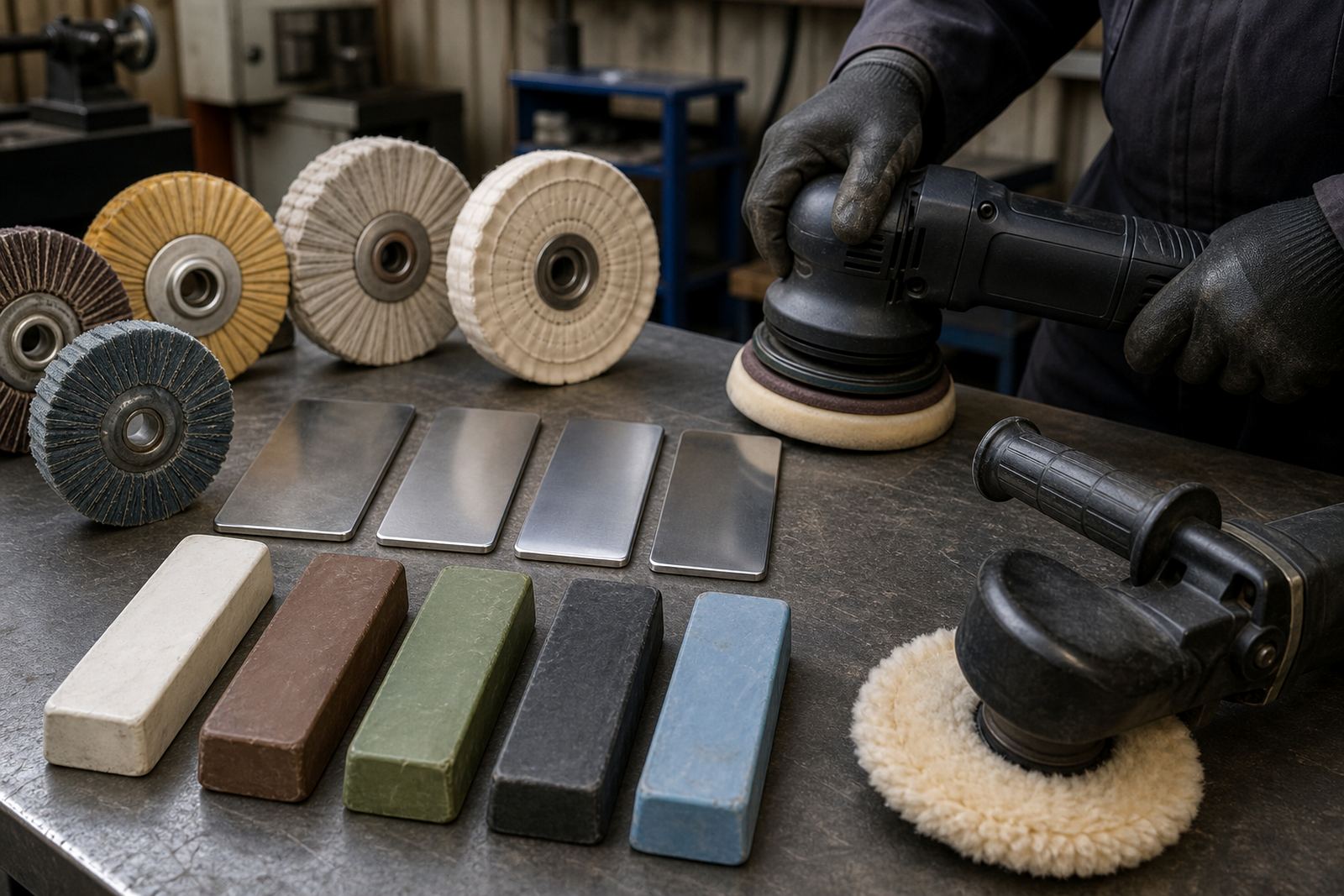
In practice, compound choice matters. A cutting compound is firmer and more aggressive for heavy dulling or sanding marks, while a finishing compound is finer and better for final gloss. On softer metals like aluminium, the wrong compound can load up the wheel quickly and leave streaking, so matching the product to the job saves time and reduces rework.
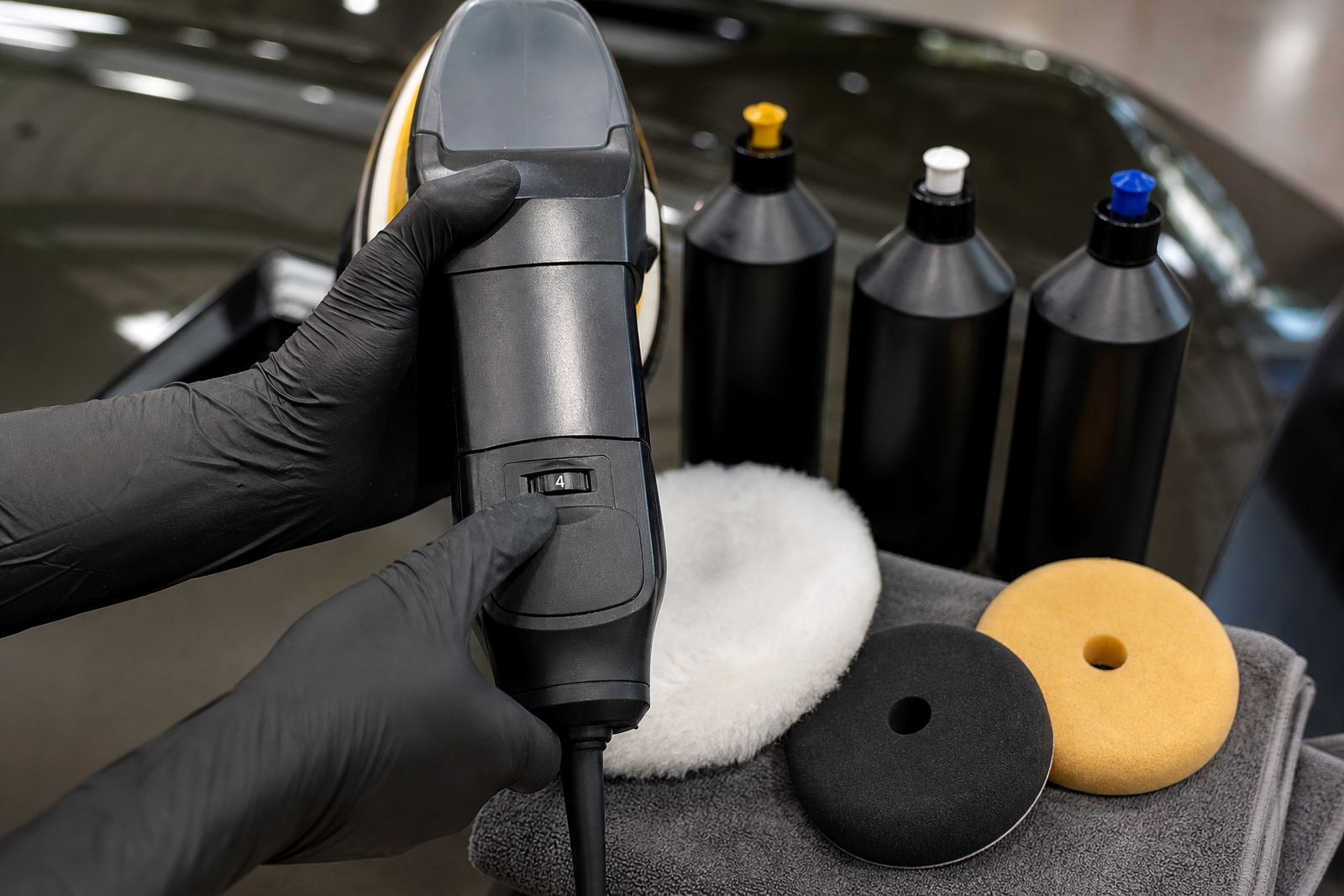
For car panels, trims and decorative pieces, polishing compound also supports paint correction when matched with the right pad and machine speed. For hand finishing on small parts, it can be used with a cloth mop or manual applicator. The goal is to lift clarity and gloss without scorching the surface or leaving smeared residue.
Sizes, Forms And The Options We Supply
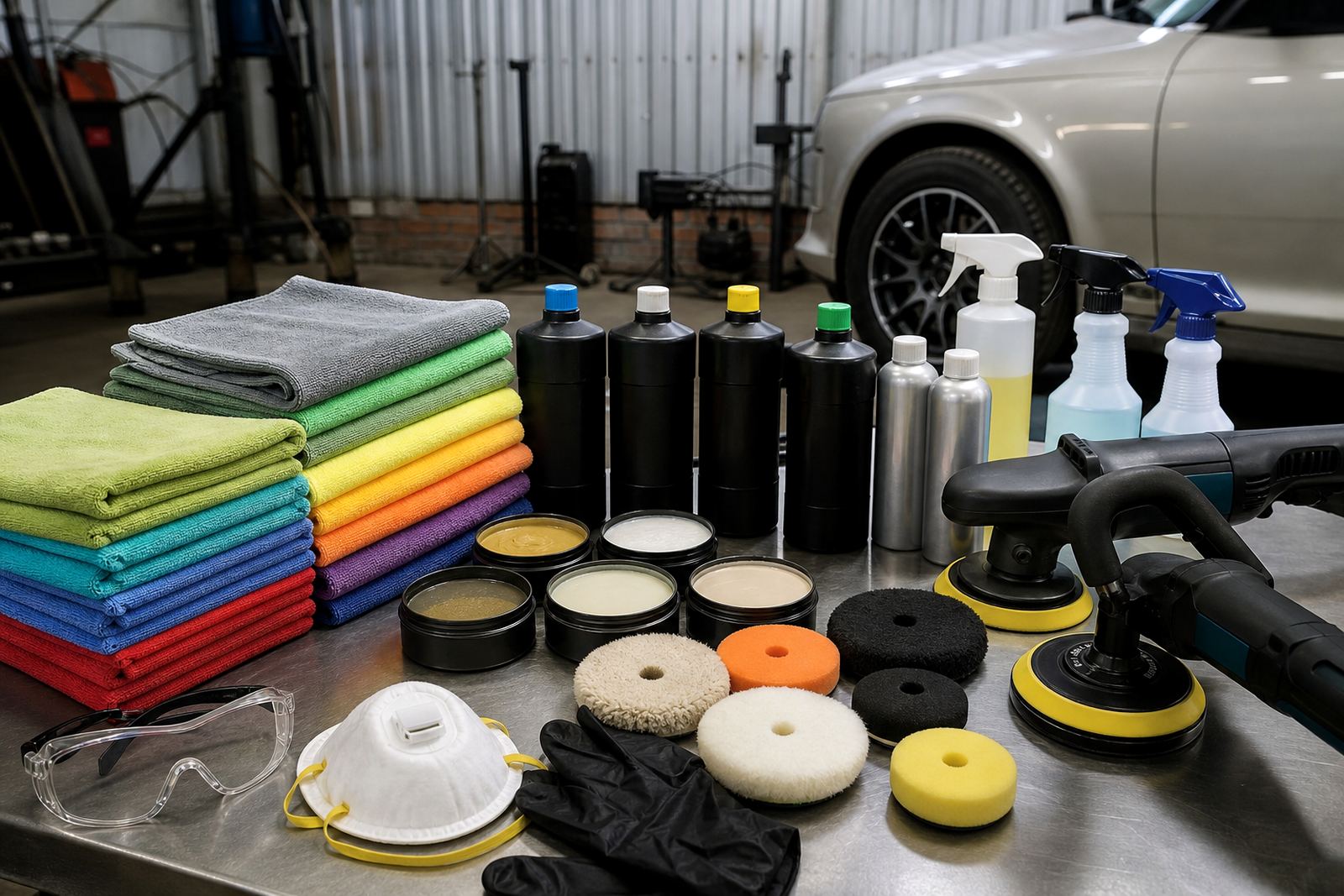
We supply compound in practical workshop formats so you can buy for one job or for regular use. The most common options are small trial pieces, medium workshop sizes and bulk supply for busy repair or fabrication work. Some compounds are intended for metal only, while others are suited to both metal and automotive paint stages, depending on the cut level and residue.
- Solid bar compound for buff wheels and mop stations
- Paste compound for controlled application on smaller areas
- Coarser cut compound for oxidised or marked metal
- Medium compound for general refining and shine work
- Fine finishing compound for final clarity and brightness
When you are working on a site in Johannesburg, Pretoria or Germiston, the right size depends on how often the compound is used and how many operators will share it. A small job with a few brackets or trim pieces may only need a compact size. A workshop polishing stainless railings, decorative fittings or vehicle parts may prefer a larger quantity to reduce stops and keep the job moving.
Because coastal humidity in Durban and Cape Town can affect stored consumables, it helps to keep compound sealed and out of direct sun. In hotter inland areas, storage in a dry cupboard or cabinet prevents softening and waste. Simple care makes the product last longer and keeps the working edge consistent.
Where This Compound Suits Metal, Paint And Trim Work
This product suits common metal finishing stages on items that need a brighter surface and better visual quality. It is commonly used on aluminium, stainless steel, mild steel after preparation, brass, chrome-like decorative trims and similar components found in workshop, transport and custom fabrication jobs. It can also form part of a vehicle paint polishing process when paired with the correct pad, machine and working speed.
It is a good fit for handrails, decorative gates, exhaust surrounds, alloy parts, motorcycle components, restored fittings and panel edges where a cleaner finish is needed. For painted surfaces, the compound should only be used where the paint system allows machine polishing and where the operator understands the risk of heat build-up and edge thinning. On thin panels, keep the machine moving and avoid sitting on one point too long.
For mixed jobs across South Africa, many customers use one compound for the main cut stage and another finer product for the final pass. That approach is often better than trying to do everything with one product. It also gives more control when working on different metals in the same workshop, which is common in repair yards and fabrication shops.
Machine Use, Power Needs And Site Setup
Metal polishing compound is used with rotary polishers, dual-action polishers, buffing machines and bench-mounted wheel setups. Rotary machines are useful where stronger cutting is needed and the operator has enough skill to manage heat and pressure. Dual-action polishers are easier to control on paint and lighter finishing work, especially for users still learning pad movement and surface reaction.
Keep extension leads tidy, check plugs before starting and do not run damaged cords across wet floors. Use a cordless polisher for mobile work away from plug points. For long polishing sessions, a corded machine is usually the better fit.
- Use clean pads or buffs to avoid contamination
- Work in a ventilated area to reduce dust and compound build-up
- Wear eye protection, gloves and a suitable dust mask or respirator where needed
- Keep rags, loose clothing and cables clear of rotating parts
- Test a small area first before committing to the full surface
For dry buffing or heavy oxidation, collect residue regularly and avoid letting compound dust settle on nearby surfaces. Good setup matters as much as the product itself, especially on tight job sites or in shared workshop spaces.
How To Care For The Product And Keep Results Consistent
Compound care starts with clean storage and clear labelling. Keep lids closed after use, do not mix old residue back into fresh stock, and store bars or paste away from moisture and direct heat. If a compound becomes gritty from contamination, it can scratch rather than polish, which means more work and a poorer finish.
Tool care matters too. Buffs, pads and cloth wheels should be kept in separate boxes if you use different cut levels. A wheel loaded with coarse residue can spoil a finishing pass. Machine heads and backing plates should be checked for wear, wobble and loose fittings before each use. If a pad has gone hard or torn, replace it before it causes marks on the job.
Regular users in Germiston, the East Rand and the Vaal Triangle often ask about servicing routines. A simple weekly check usually covers the basics: cable condition, switch function, brush wear where applicable, and the tightness of any fixing nuts or wheel guards. If the machine starts running hot, vibrating more than usual or leaving inconsistent results, stop and inspect it before continuing.
What To Check Before You Order
Before ordering, match the compound to the metal, the finish stage and the machine you plan to use. The wrong cut level can waste time or leave the surface too dull, while an overly aggressive product can mark soft metals. It also helps to know whether you need a product for rotary work, DA work or manual buffing, because each method behaves differently on the surface.
- Material type such as aluminium, stainless steel, brass or painted surface
- Stage needed: cutting, refining or final shine
- Machine type: rotary, dual-action or bench buffing wheel
- Pad or buff material you will use with the compound
- Quantity needed for one-off work or workshop supply
- Storage in damp or dusty spaces
If you are unsure, use our enquiry form and ask for pad and compound matching, starter kit consultation or workshop setup advice. Our team in Germiston supports customers across Johannesburg, Pretoria, Cape Town, Durban and Bloemfontein, and we also assist with beginner polishing training, rotary skills sessions, DA skills sessions and onsite team demos. For metal finishing jobs, good advice at the start often prevents wasted material and a lot of unnecessary sanding later.
Key facts
| Product type | Metal polishing compound for cutting, refining and shine work |
|---|---|
| Suitable materials | Aluminium, stainless steel, brass, mild steel after preparation, decorative metal trims |
| Application methods | Rotary polisher, dual-action polisher, buff wheel, cloth mop or manual applicator |
| Finish stages | Heavy cut, medium refinement, final gloss |
| Power needs | No power required for the compound itself; used with standard mains-powered polishing machines or bench systems |
| Care guidance | Store sealed in a dry place, keep free of grit and match to clean pads or buffs |