
What a microfibre cloth pack is used for in polishing work
A microfibre cloth pack gives you the right cloths for the stages that come after compounding or machine polishing. It is used for wiping off polish residue, removing light oils and checking the finish under good light before moving on to the next step. In metal finishing, it helps you see swirl marks, haze and leftover compound. On painted panels, it is useful for final wipe-downs after correction work and before handing the vehicle back.
Microfibre works well because the fibres grab loose residue instead of just pushing it around. That matters when you are trying to inspect a bonnet, bumper, tank, stainless panel or aluminium surface properly. A clean cloth also reduces the chance of dragging grit back over the panel, which can cause fresh marks. For workshops in Germiston, Johannesburg, Pretoria and coastal areas like Durban, this is especially useful because dust and humidity can both affect the finish.
The pack is suitable for hobby users, mobile detailers and workshop teams who need a practical wipe cloth that can handle repeated use. It is not a powered item, so there are no electrical needs. Just keep the cloths clean, dry and stored away from workshop dust, overspray and grinding debris.
Cloth sizes, pile styles and pack options to choose from
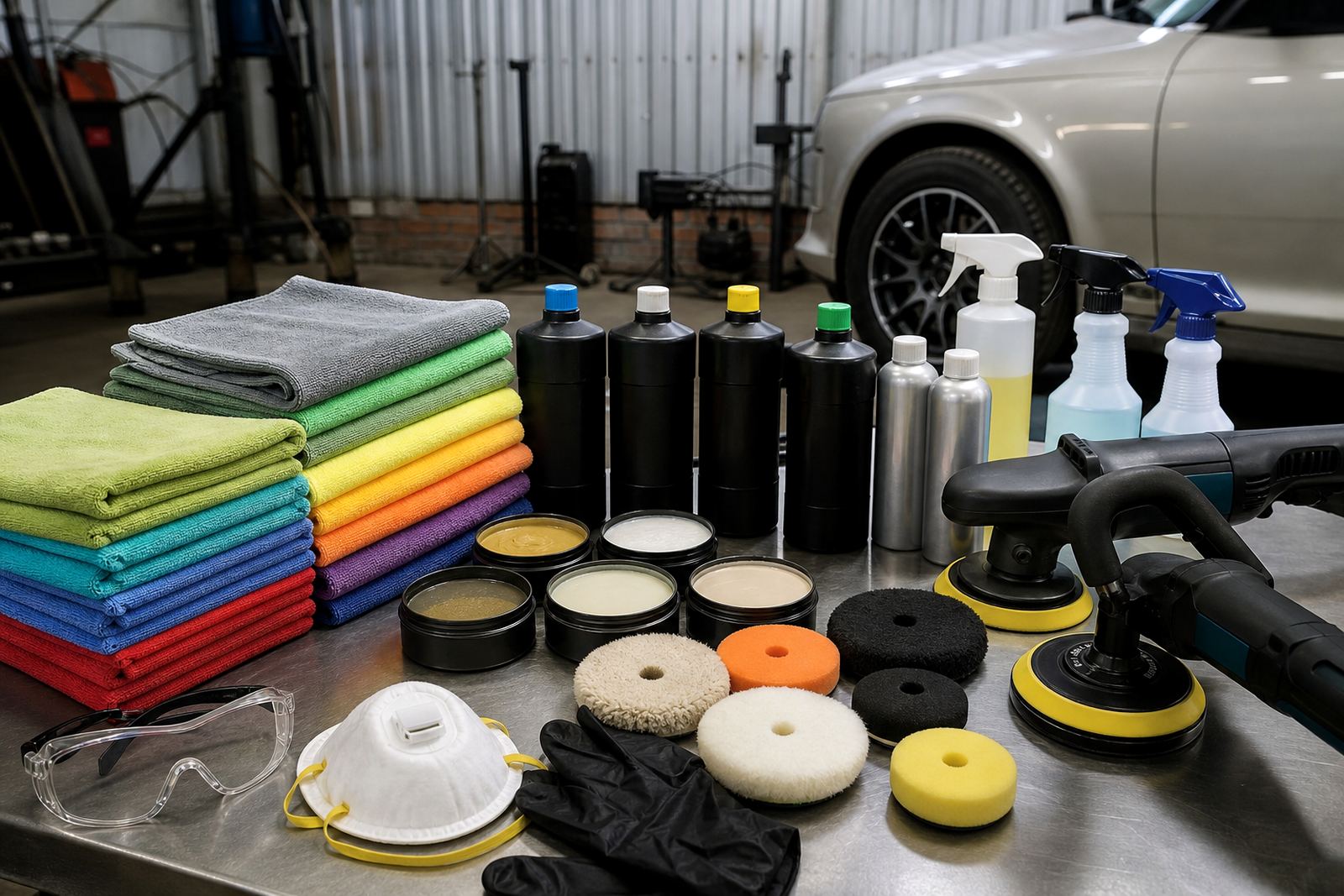
Microfibre cloth packs are usually supplied in mixed sizes so you can use one cloth for heavy wipe-down work and another for final finishing. Smaller cloths are handy around mirror housings, trims, badges and tighter edges, while larger cloths work better on bonnets, doors and machine panels. If you do a lot of metal work, it helps to keep separate cloths for cutting residue and final finishing so you do not cross-contaminate the surface.
Common options include:
- Small cloths for tight areas, edges and trim work
- Medium cloths for general wipe-down and residue removal
- Larger cloths for final inspection and broad panel wiping
- Soft, low-lint cloths for paint and clear coat checking
- More absorbent cloths for compound removal and heavier polish residue
On some jobs, one cloth may be used for initial residue removal and another for the final clean pass. That helps when you are working on darker paint, polished aluminium or stainless steel where any smear shows quickly under workshop lighting. A mixed pack is often the best choice for a small business or starter kit because it gives you options without needing a large stock holding.
Where this pack suits best in metal and car finishing
This cloth pack suits polishing work on vehicle paint, motorbike parts, stainless steel, aluminium, brass and decorative metal surfaces. It is useful after rotary polishing, dual-action polishing, hand finishing and buffing with compounds. If you are restoring alloys, finishing stainless rails, cleaning up a classic car panel or checking a corrected paint surface, the cloths form part of the last stages of the job.
For body shops, panel beaters and detailing teams, the cloth pack is ideal for these tasks:
- Final wipe after compound removal
- Inspection of paint correction under direct light
- Cleaning residue from trims, handles and badges
- Removing light dust before presentation
- Checking metal surfaces for haze or missed areas
In South African conditions, the cloths are also handy where dust settles quickly during dry inland afternoons or where coastal moisture can leave a panel looking cloudy if it is not wiped correctly. A good microfibre cloth helps you see the true finish, not just the residue sitting on top. For workshops doing customer vehicles in Johannesburg, Cape Town, Durban or Bloemfontein, that matters when the final handover must look clean and even.
Using microfibre cloths correctly after polishing
For best results, use a clean cloth with the right fold and light hand pressure. Fold it into quarters so you can turn to a fresh face as it loads up with residue. Wipe in straight passes rather than rubbing in circles, especially on sensitive paint or freshly polished metal. If the cloth starts dragging, stop and change to a clean side or a fresh cloth.
Do not use a microfibre cloth that has been dropped on the floor, because grit trapped in the fibres can scratch the surface. Keep a separate cloth for wheels, engine bay work or heavily soiled metal pieces. In the workshop, this simple habit saves time and prevents rework. It also helps when you are doing a final inspection before vehicle collection, when even small marks can still be visible under daylight.
No installation is needed and there are no power requirements. The only setup is organisation: keep the pack stored in a sealed container or clean drawer, separate from sanding dust, polishing pads and contaminated rags. If you use them near grinding or buffing stations, make sure the cloths are not left where sparks, swarf or compound residue can settle on them.
Care, washing and replacement advice for longer use
Microfibre cloths last longer if they are washed properly and kept away from fabric softeners, heavy lint and rough workshop contamination. Wash them after use when possible, especially if they have compound, wax or metal polish on them. A gentle wash with mild detergent is usually enough. Dry them fully before storage so they do not smell musty or pick up moisture in humid areas.
Good care practice includes:
- Shake out loose dust before washing
- Keep paint cloths separate from wheel and engine cloths
- Do not use bleach or fabric softener
- Air dry or tumble dry on low heat only
- Replace cloths when they become stiff, matted or heavily stained
If a cloth starts leaving lint, dragging on the surface or has picked up grit that will not wash out, retire it from final finishing work. It may still be useful for rougher tasks, but not for inspection or last-pass wipe-downs. Proper care keeps your cloth pack working well and helps maintain consistent finish quality across both metal and paint jobs.
What to check when ordering your cloth pack
When ordering, check the cloth size, pile type, edge finish and how many cloths are in the pack. If you do a mix of paint correction and metal work, ask for a pack that suits both residue removal and final inspection. The wrong cloth can leave lint or smear compound, so it helps to match the cloth to the job rather than buy only on quantity.
Check these points before you order:
- Intended use: paint, metal, trim or general polishing
- Cloth size for your hand and panel work
- Softness and lint level for final inspection
- Pack quantity for your workshop volume
- Whether you need separate cloths for compound and final wipe
- Storage space and wash routine in your team
If you are building a starter kit, it is worth pairing the cloth pack with the right polishing machine, buffing pads and compound choice. That way your wipe-down stage matches the cutting stage properly. Our Germiston team can help you decide what suits your work, whether you are a beginner handling your first restoration or a workshop that needs reliable consumables for day to day use. Use the enquiry form on our contact page to ask for guidance on cloth selection, kit setup or restocking for your area.
Key facts
| Product type | Microfibre cloth pack for polishing and finishing work |
|---|---|
| Typical use | Residue removal, wipe-down stages and final inspection |
| Suitable surfaces | Paint, clear coat, stainless steel, aluminium and decorative metal |
| Pack options | Mixed sizes and cloth styles for general and final finishing use |
| Electric or motor needs | None required |
| Care | Machine wash gently, no fabric softener, dry fully before storage |