
What Medium Compound Does in a Polishing System
Medium compound is a mid-stage abrasive polish used after heavier correction or as a first pass on moderate defects. It helps remove sanding marks, light oxidation, water spotting, swirl marks and the dulling that builds up on painted panels, aluminium, stainless steel and other polished metal surfaces. In practice, it gives you enough bite to correct the surface, but not so much that you leave a rough finish behind.
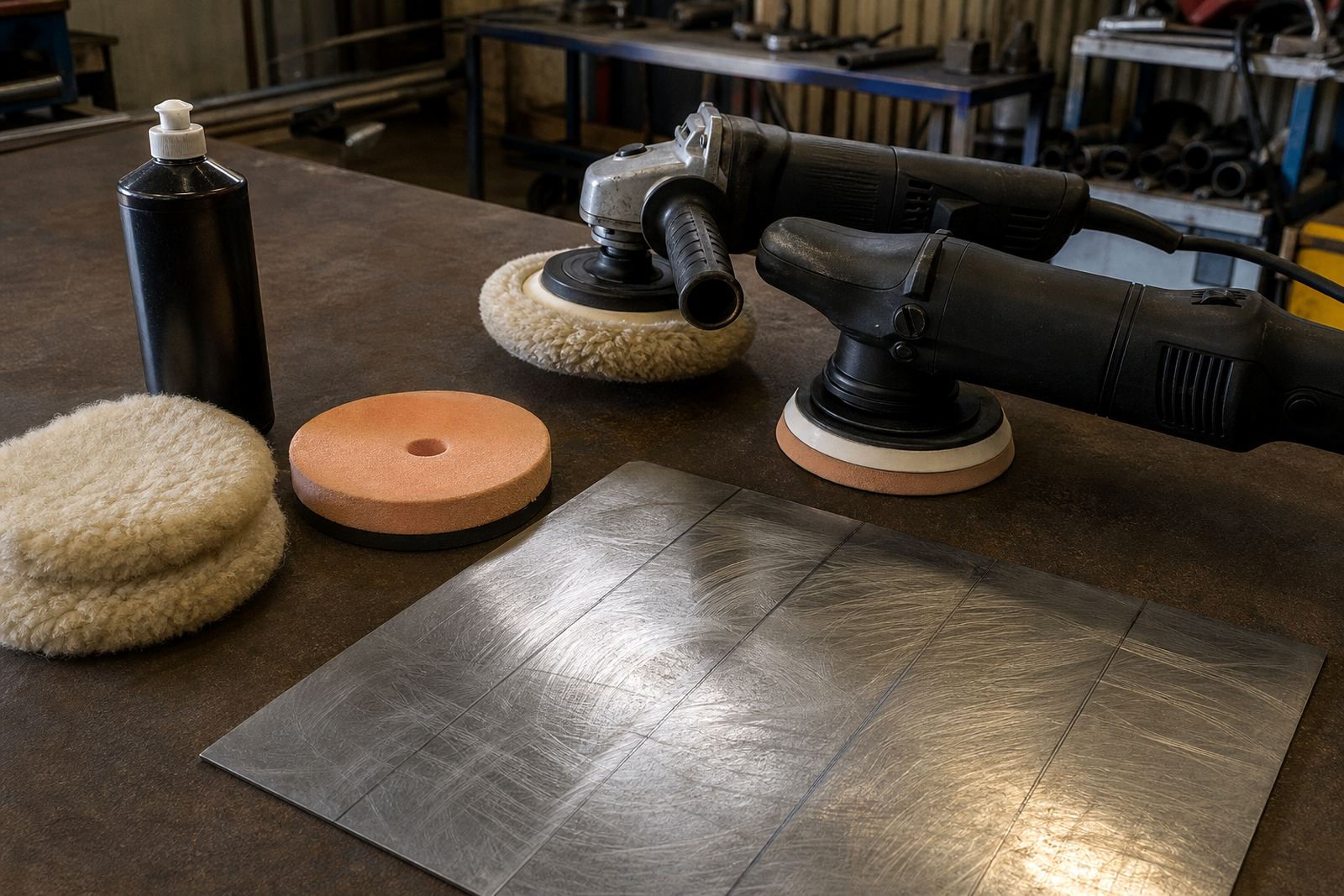
On bodywork, a medium compound is often used with a foam or microfibre pad on a rotary or dual-action machine. On metal, it can be used to bring back brightness on gates, trims, fittings and decorative surfaces. The exact result depends on pad choice, machine speed, pressure, panel temperature and how many passes you make. If you rush the job or overload the pad, the finish can haze over and the panel may need another step.
For customers in Germiston, Johannesburg, Pretoria, Cape Town, Durban and Bloemfontein, the product is useful in workshops handling mixed work, from daily-driver paint correction to stainless steel finishing. It is a practical choice when you need a controlled cut and a cleaner surface before moving to a finer polish or finishing glaze.
Sizes, Formats and Working Options
Medium compound is usually supplied in bottles or tubs for workshop use, with smaller starter pack sizes also available for training, trial work and mobile jobs. The right size depends on how often you polish, the size of the panels you work on and whether you are servicing private vehicles, fleet work or metal fabrication. For busy shops in Gauteng or coastal areas where humidity can affect surface behaviour, having enough product on hand matters more than buying a single container and hoping it lasts.
Common working options include paste or liquid formats, depending on how the compound is designed to spread and break down. A liquid is often easier for larger painted panels and quicker machine work, while a paste can suit slower metal polishing applications or targeted correction. Some users prefer a thinner consistency for DA machines because it lays down more evenly, while others like a slightly firmer body for controlled hand application on smaller parts.
When you order, check that the product matches the type of work you do. Medium compound for painted surfaces is not always identical to a compound intended for bare metal. If you are working on older vehicles, commercial panels or metal components with a rougher surface, ask about the level of cut and how the residue wipes off. That saves time and reduces the chance of chasing marks over and over again.
Where Medium Compound Suits Best
This product suits work where the surface is not badly damaged, but still needs more correction than a finishing polish can provide. That includes fresh swirl marks from poor washing, light oxidation on exposed metal, transport scuffs, and paint that has lost clarity. It is also a sound choice for multi-step correction where you want to level the finish before final refining.
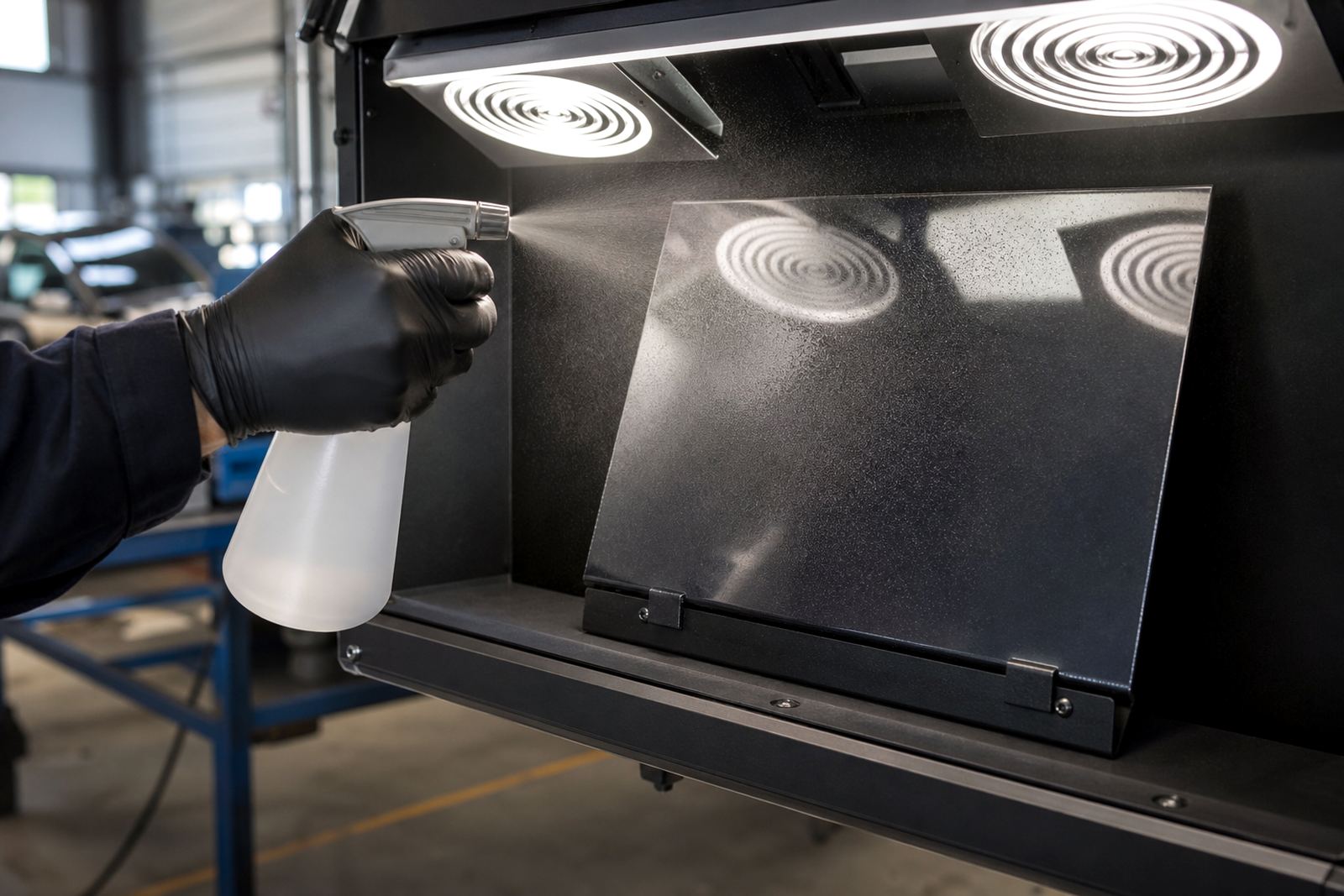
On metal, medium compound can help restore sheen on polished aluminium, stainless parts and decorative accessories. On paint, it is commonly used before a finishing compound or jewelling step. The technician should inspect the panel under good light, because poor lighting hides defects and makes it easy to overwork the same area. On darker colours especially, a medium compound may leave fine haze that only shows after the panel has dried down fully.
If you are polishing in Durban or other coastal areas, salt air and moisture can leave a film on untreated metal and increase the amount of cleaning needed before polishing. In Gauteng, dust and workshop grit can cause fresh scratches if the panel is not washed, clayed or wiped correctly. Good preparation is part of the result, not an extra step.
Machine Setup and Power Considerations
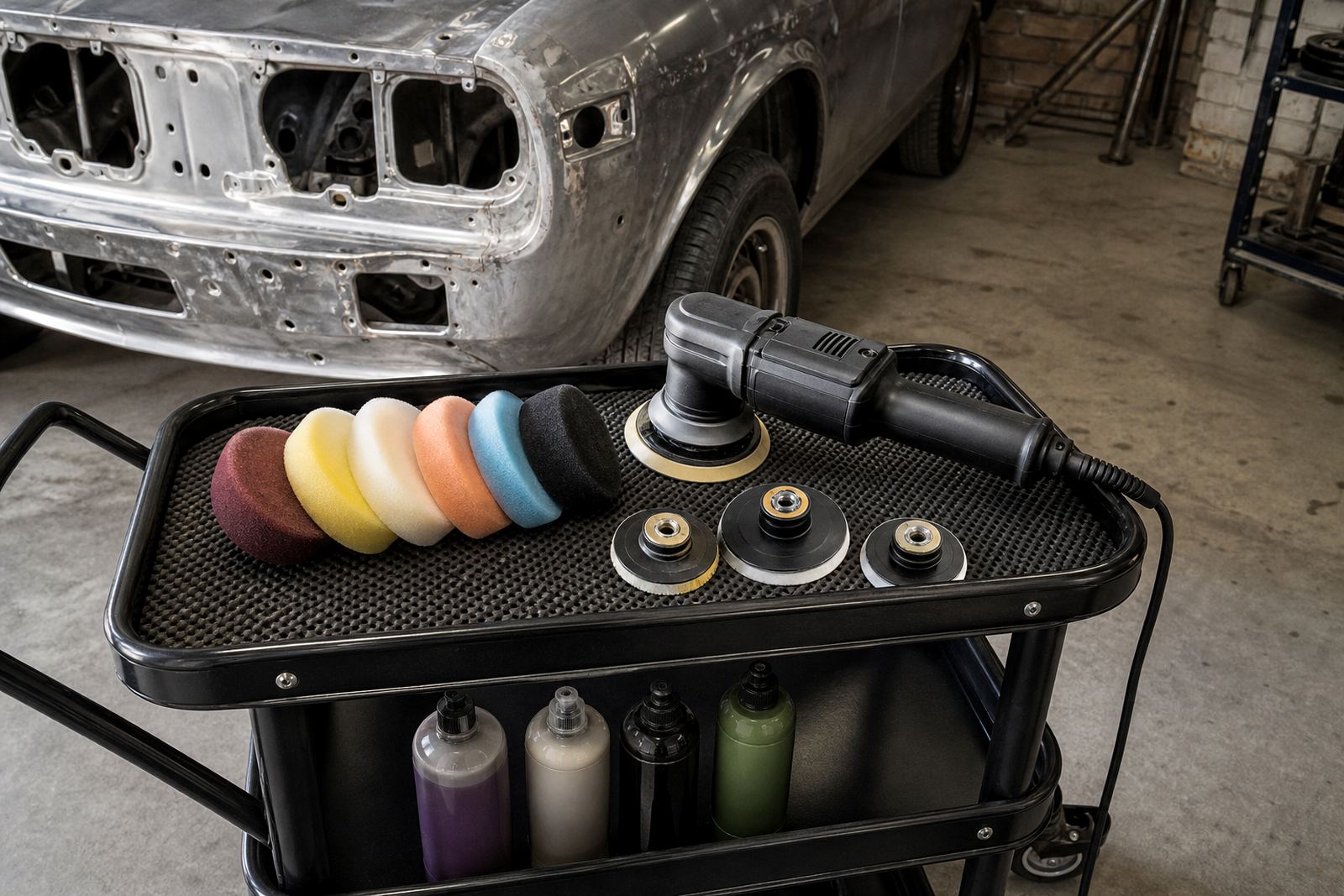
Medium compound does not need special power supplies, but the machine you use must suit the job. Rotary polishers give more direct cutting action and are often preferred for metal and heavier correction. Dual-action machines are safer for learners and are often used for paint work where heat control matters. Both machine types can work well if the pad, product and speed are matched properly.
A machine that flickers under unstable power can create inconsistent speed and poor results. If you are running a generator or inverter in a workshop, check that the output is steady enough for polishing equipment. A machine that hunts or drops speed can cause the compound to behave unevenly on the panel.
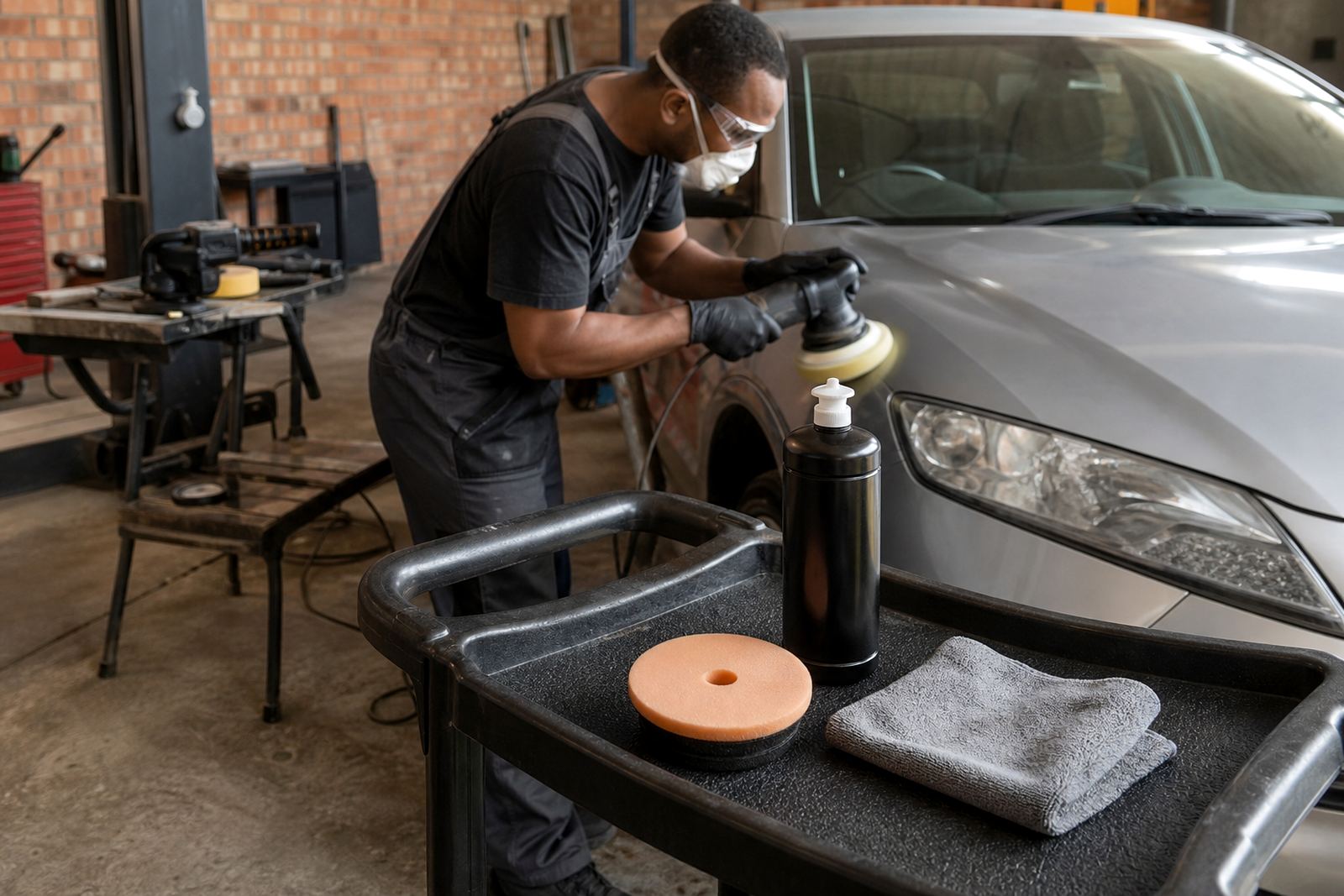
This product does not use gas, though compressed air can still help with pad cleaning or shifting dust from tight corners. Dust control remains important. Use eye protection, a suitable mask and gloves where needed, and do not dry sand or leave open dust in the same workspace if you are moving straight on to polishing. On-site demos and staff training should cover safe cable handling, pad control and a neat bay setup.
Technique, Pad Choice and Working Method
Medium compound performs best when used with the right pad and a methodical hand. A medium-cut foam pad is a common starting point on paint, while a firmer foam or microfibre pad may be used where more bite is needed. On metal, users often move between foam and wool or fibre style pads depending on the surface, but the key is to start conservatively and increase only if the panel needs it.
Work a small section at a time. Spread the compound at a low speed, then increase to the working speed and make controlled passes with overlapping movement. Do not tilt the machine or hold it on one spot. Heat build-up can soften paint, mark edges and make residue harder to remove. If the product begins to dry out too quickly, use less product and check the pad. A clogged pad reduces cut and can drag grit back over the surface.
A clean towel and proper wipe-down between stages will show whether the medium compound has done its job. If swirls remain, you may need a second pass or a different pad. If the finish is already clear, move to a finer polish. The aim is not to force one product to do everything, but to use it at the correct point in the process.
Care, Storage and What to Check When Ordering
Store medium compound in a cool, dry place with the lid closed properly. Keep it away from direct sun, workshop dust and contamination from water or solvents. If the product thickens, separates or picks up grit, do not use it on a final finish. A contaminated compound can create more marking than correction.
When ordering, check the intended surface, the working cut and the cleanup characteristics. Ask whether the product is more suited to rotary work, DA work or both. Confirm the size you need for workshop volume, and if you are setting up a new polishing bay, consider a starter kit consultation so your pad and compound choices line up. For teams working across South Africa, this avoids stock mismatches and wasted labour.
If you are buying for training or first-time use, also check that you have the right support items: pads, applicators, microfiber cloths, masking tape and PPE. The right compound is only part of the job. Good technique, correct machine care and sensible safety habits make the difference between a quick shine and a proper finish that holds up in real workshop conditions.
Key facts
| Product type | Medium-stage polishing compound for paint and metal |
|---|---|
| Application | Machine or controlled hand use on suitable surfaces |
| Best paired with | Foam, microfibre or fibre pads matched to the job |
| Machines | Rotary and dual-action polishers |
| Pack sizes | Trade and starter sizes, subject to stock |
| Support use | Suitable for training, correction work and workshop setup advice |