What a microfibre finishing pad does on paint and metal
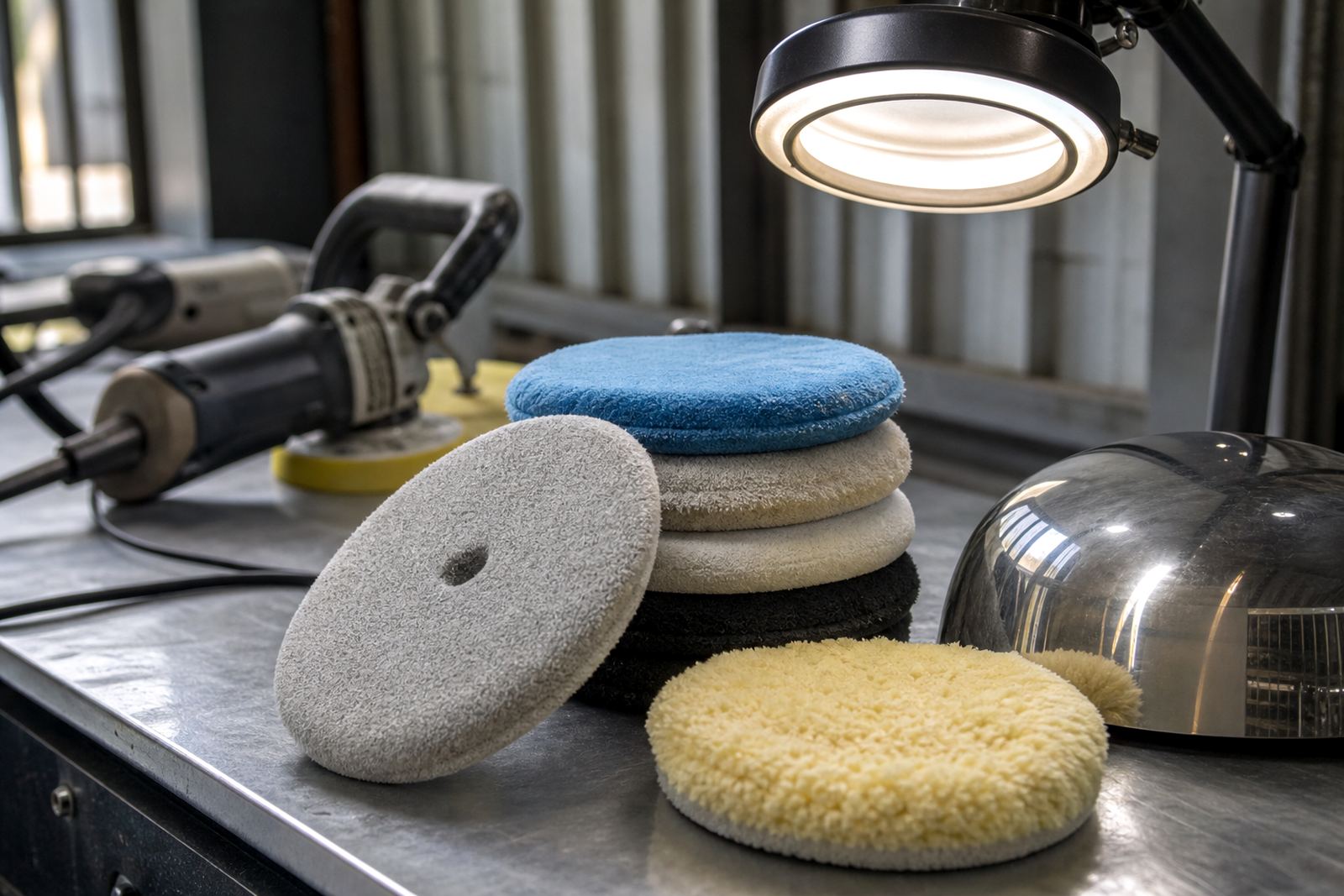
A microfibre finishing pad is used at the final stages of polishing when the aim is to lift fine haze, soften light machine marks and improve gloss without taking off more material than needed. On darker painted finishes, small swirls and residue show up quickly in direct sun, so the pad has to finish cleanly and leave a clear reflection rather than a cloudy one.
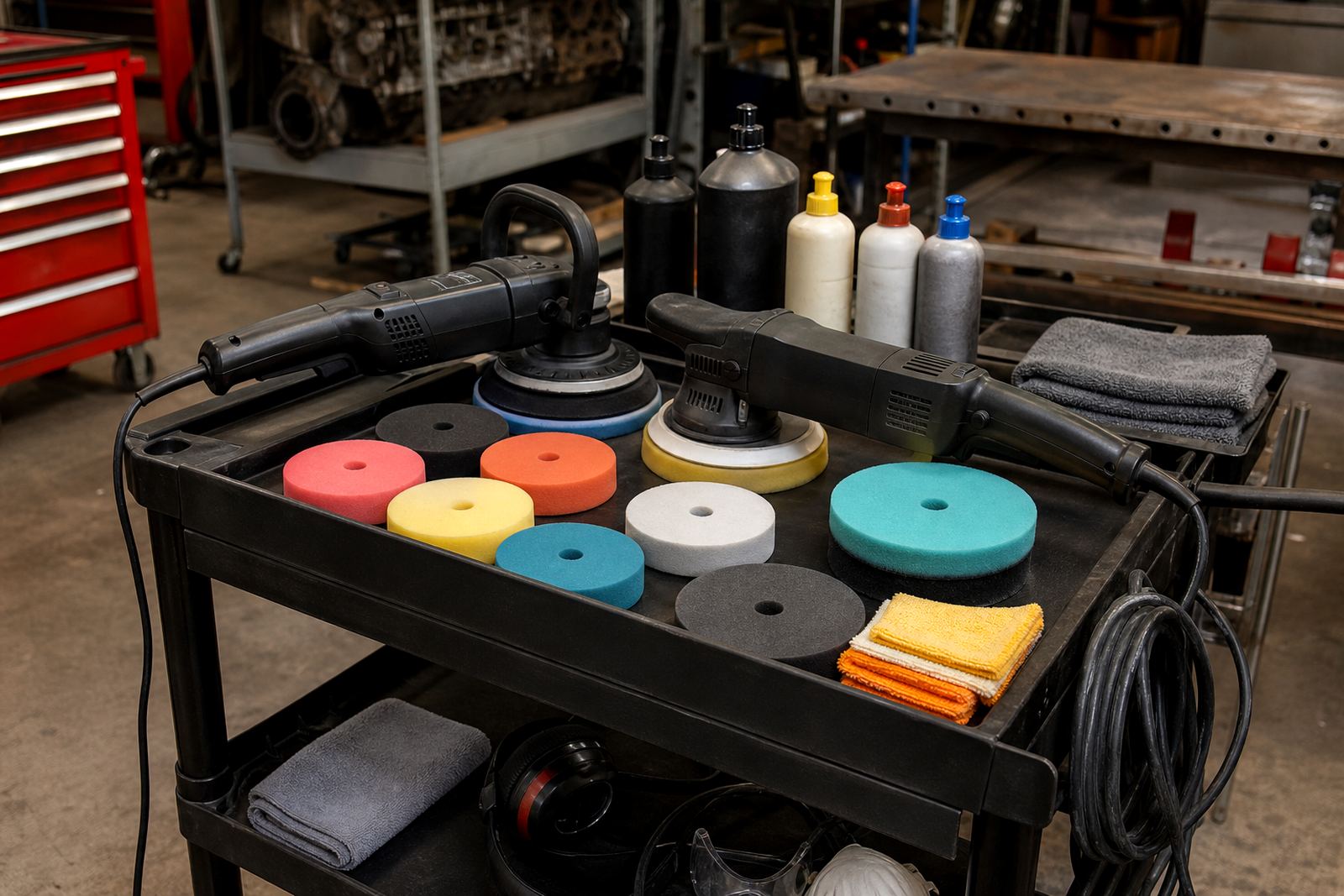
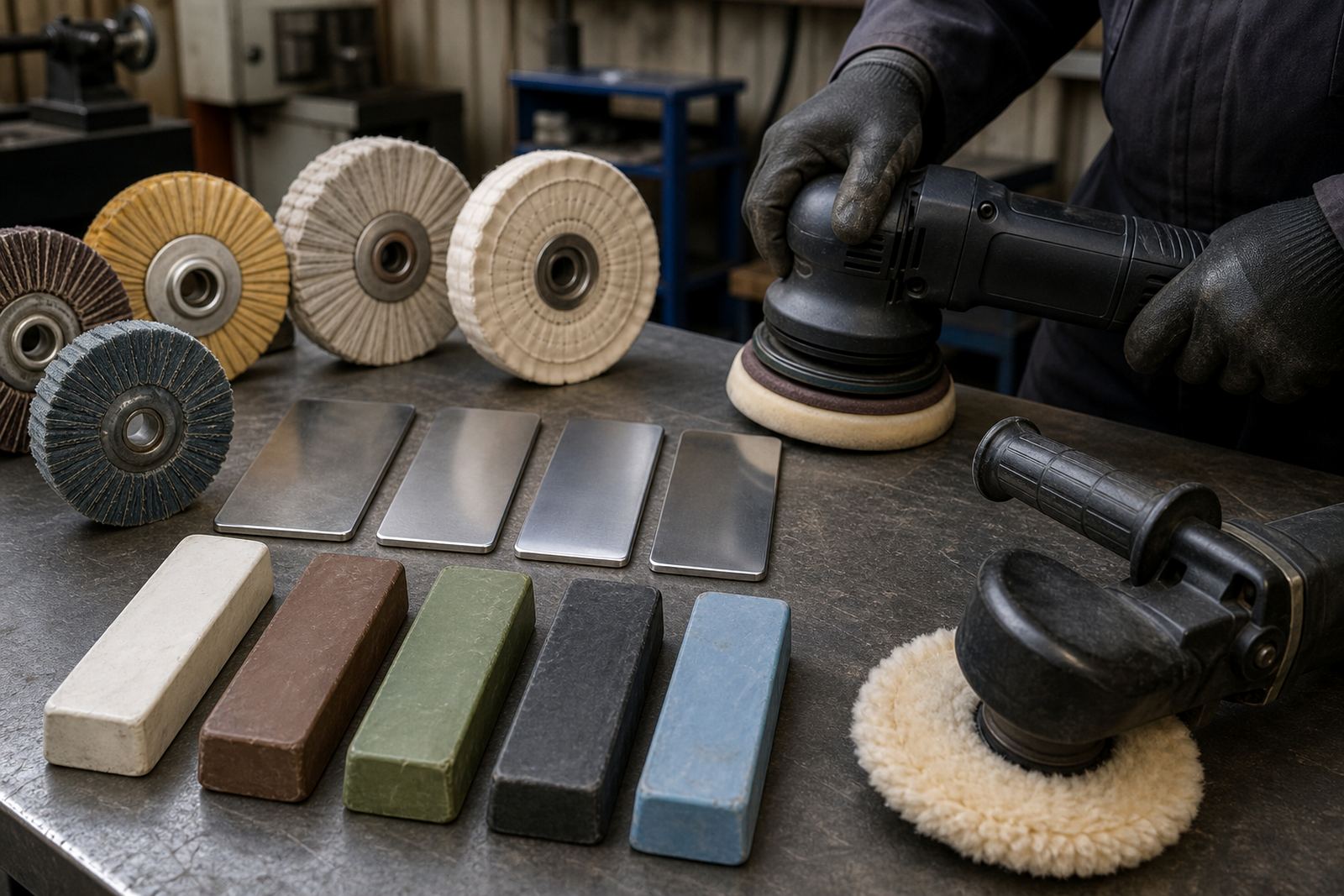
Compared with a firmer cutting pad, this pad has a softer face that helps refine the finish after compounding or after a medium polish. It is commonly used with a light finishing polish or a fine compound on cured clear coat, cured paint, and selected metal finishing jobs where a smooth final pass is needed. On stainless steel, aluminium and decorative trim, the same idea applies: use controlled pressure, short working passes, and keep the surface cool.
For operators in Germiston, Johannesburg, Pretoria and the wider East Rand, this type of pad is useful where time is tight and dust control matters. A good finish depends on matching the pad to the paint condition, the machine speed and the compound, not just leaning harder on the panel.
Sizes, fitment and machine options
This pad is generally supplied in common hook and loop sizes for rotary and dual-action polishers, with workshop-friendly options for different panel sizes. Smaller pads are easier for mirrors, pillars and tight areas, while larger pads cover bonnets, doors and roofs faster on full vehicles. Choosing the correct size makes a difference to balance, heat build-up and edge control.
Typical fitment choices are based on backing plate diameter and the working face of the pad. A pad that overhangs too much can fold on curves and leave uneven contact, while a pad that is too small may not cover enough area and can slow the job down. For local work in humid coastal areas like Durban or Cape Town, good pad breathability also helps because product residue can load the fibres faster in damp conditions.
- Small pad for spot work, badges and tighter body lines
- Medium pad for door skins, quarter panels and curved sections
- Large pad for bonnets, roofs and broad flat panels
- Hook and loop backing for quick changeover on the machine
- Use with rotary or DA machines, depending on the finish required
Where this pad suits in a polishing process
This is a finishing pad, so it suits the last stage after defect removal has already been done. If the paint has sanding marks, oxidation or deeper swirls, start with the correct cutting pad and compound first, then move to the microfibre finishing pad for the final clarity pass. On softer clear coat, the finishing step can make the difference between a clean gloss and a dull, draggy look.
It is a useful option for cars, panel beating shops, detailing bays and light metal finishing work where the panel must look even under bright light. For silver and white paint, the change may be subtle. On black, blue and other dark colours, the improvement is easier to see and any remaining haze stands out quickly. That is why technique matters, especially around heat-sensitive edges and resprayed panels.
- Final haze removal after compounding
- Gloss refining on dark paint and clear coat
- Light finishing on painted panels before hand wax or sealant
- Fine polishing on selected metal surfaces
- Touch-up work where a soft finishing step is needed
How to use it safely with rotary and DA polishers
The pad itself needs no power. It is used with a machine polisher that runs on mains electricity or battery power depending on the tool being used. For most workshop jobs, an electric rotary or dual-action polisher is standard, and the choice depends on the paint condition and the operator’s experience. Rotary machines remove material faster, while DA machines are generally more forgiving for finishing and for less experienced users.
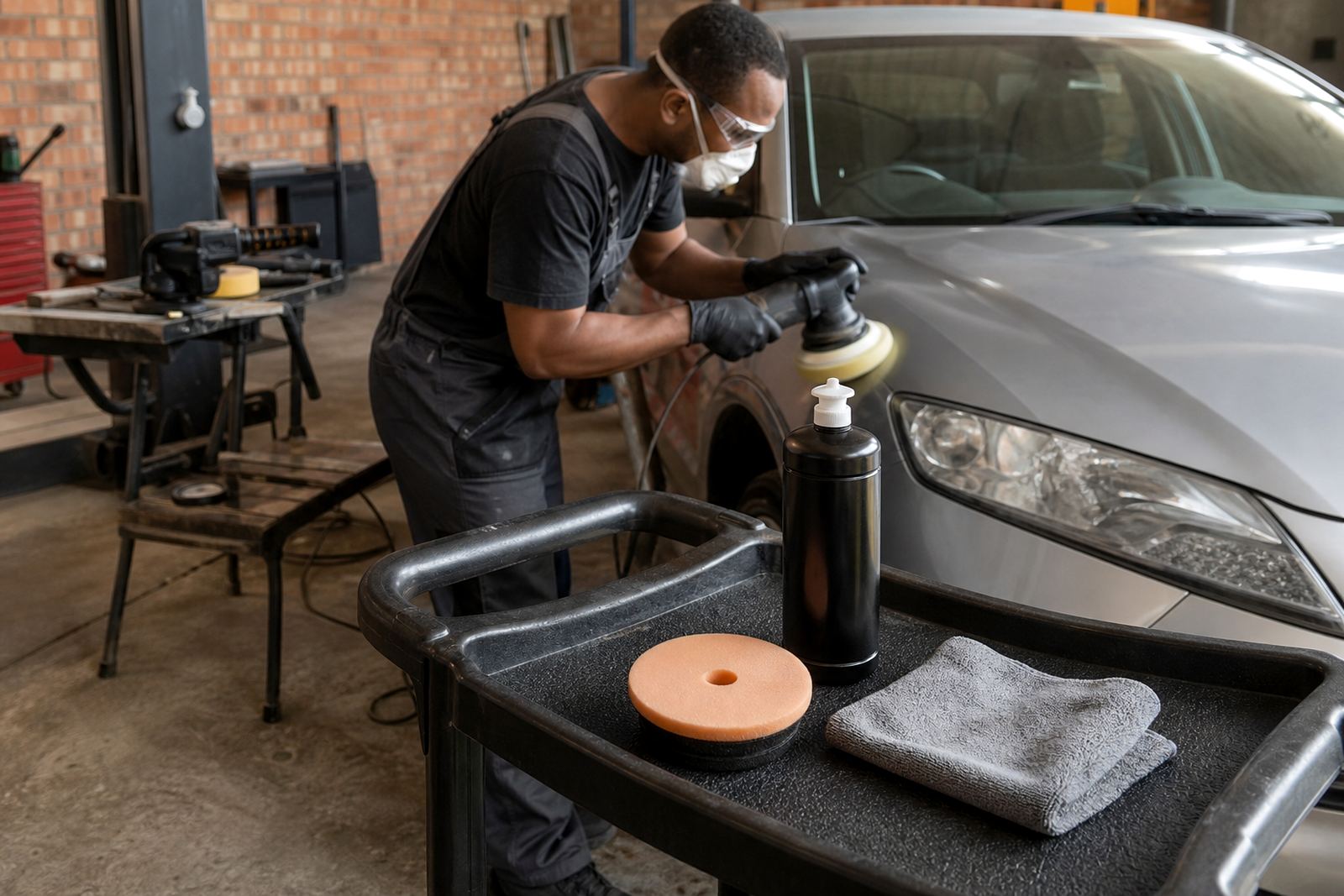
Before use, make sure the backing plate matches the pad size and the machine is switched off before fitting. Keep the pad flat on the panel, start at low speed, then increase only as needed. Too much speed or pressure can create extra heat, pad loading and sling. On panels near plastic trim or sharp edges, reduce pressure and work in smaller sections. Good lighting helps you spot haze, missed sections and residue before the car leaves the bay.
Use PPE and dust safety as standard practice. Wear eye protection, a dust mask where dry residue is present, and suitable gloves when handling compounds and cleaning products. If the work area is dusty, keep the panel and pad clean so grit does not scratch the finish. This is especially important in busy Gauteng workshops where open doors, road dust and traffic grime can settle quickly.
Pad care, cleaning and workshop life
Microfibre pads last longer when they are cleaned after use and not allowed to harden with dried compound. Tap out loose residue between panels, brush the face lightly if needed, and wash according to the cleaning method used in your workshop. Do not store a damp pad in a sealed bag, because moisture can cause smell and shorten the life of the fibres. In coastal towns, the damp air can make this worse if pads are left on benches overnight.
Check the pad for matting, torn edges and uneven wear. If the working face becomes flat and clogged, it will stop finishing cleanly and may start to smear instead of refine. A small amount of wear is normal, but once the pad starts dragging or vibrating it should be replaced. Good workshop habits reduce waste and keep the finish more consistent across multiple vehicles. It also helps to keep one pad for heavy residue and another for final finishing, rather than mixing everything together.
- Clean after each vehicle where possible
- Let pads dry fully before storage
- Inspect for edge fray and fibre clumping
- Keep spare pads for high volume work
- Store away from dust and direct sun
What to check before ordering from Germiston Supply
When ordering, check the backing plate size, the machine type and the finish you want to achieve. A pad that suits a DA machine may not behave the same on a rotary, and the polish or compound must match the task. If you are working on a fleet, a classic car or a freshly sprayed panel, tell us the substrate and the condition so the right pad can be supplied. That saves time on site and reduces the chance of chasing marks back and forth.
It is also worth checking how many panels or vehicles will be done in one session. For ongoing work in Johannesburg, Pretoria, Cape Town, Durban or Bloemfontein, many buyers keep a few sizes in stock so there is no delay when one pad becomes saturated or worn. If you are setting up a small bay or adding polishing to an existing workshop, ask for guidance on starter kit contents, consumables restocking and safe operating steps. Our team in Germiston can help with pad and compound matching, machine care guidance and workshop setup advice through the enquiry form on our contact page.
- Machine type: rotary or dual-action
- Backing plate size and pad diameter
- Paint condition or metal finish condition
- Whether you need one pad or a full kit
- Training support for safe use and finish consistency
Key facts
| Pad type | Softer microfibre finishing pad |
|---|---|
| Primary use | Refining haze and improving gloss |
| Suitable machines | Rotary polisher, dual-action polisher |
| Common sizes | 80 mm, 125 mm, 150 mm |
| Backing | Hook and loop fastening |
| Typical use area | Clear coat, painted panels, selected metal surfaces |