Start With the Finish You Want
The first question is simple: are you removing marks, refining a surface, or chasing a final gloss. A firmer buff wheel gives more control when you need to work a compound into stainless steel, mild steel or an edge that still has fine scratches. A softer wheel is better when the surface is already close and you want a smoother final pass on paint or a polished metal panel.
In Germiston and across Gauteng, many users work on gates, spares, trims, rims and body panels, so the buff wheel must match the job not just the machine. Rotary polishers usually suit firmer wheels for faster cut, while dual-action polishers are more forgiving on paint because they spread heat and pressure more evenly.
Common Buff Wheel Types and Where They Fit
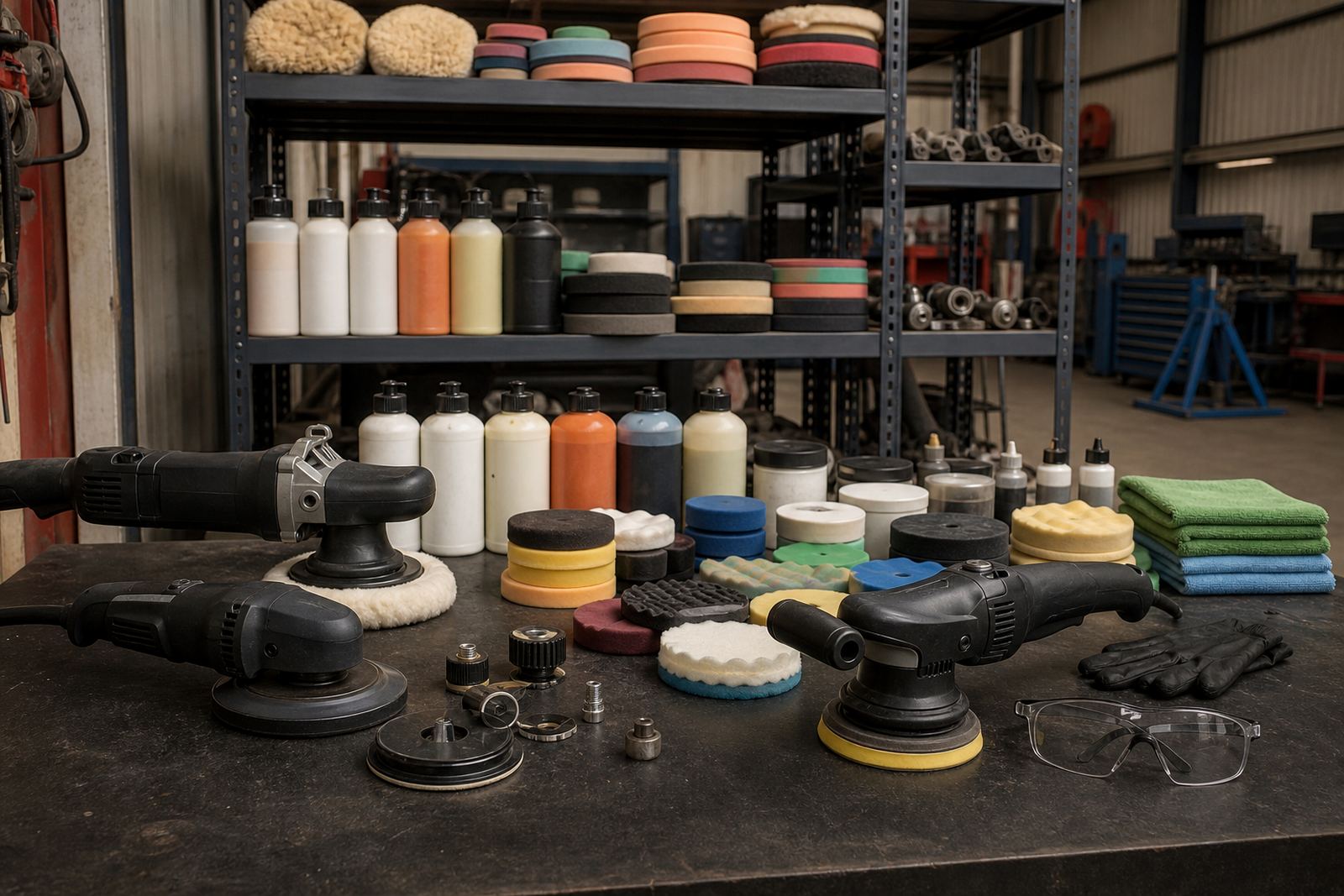
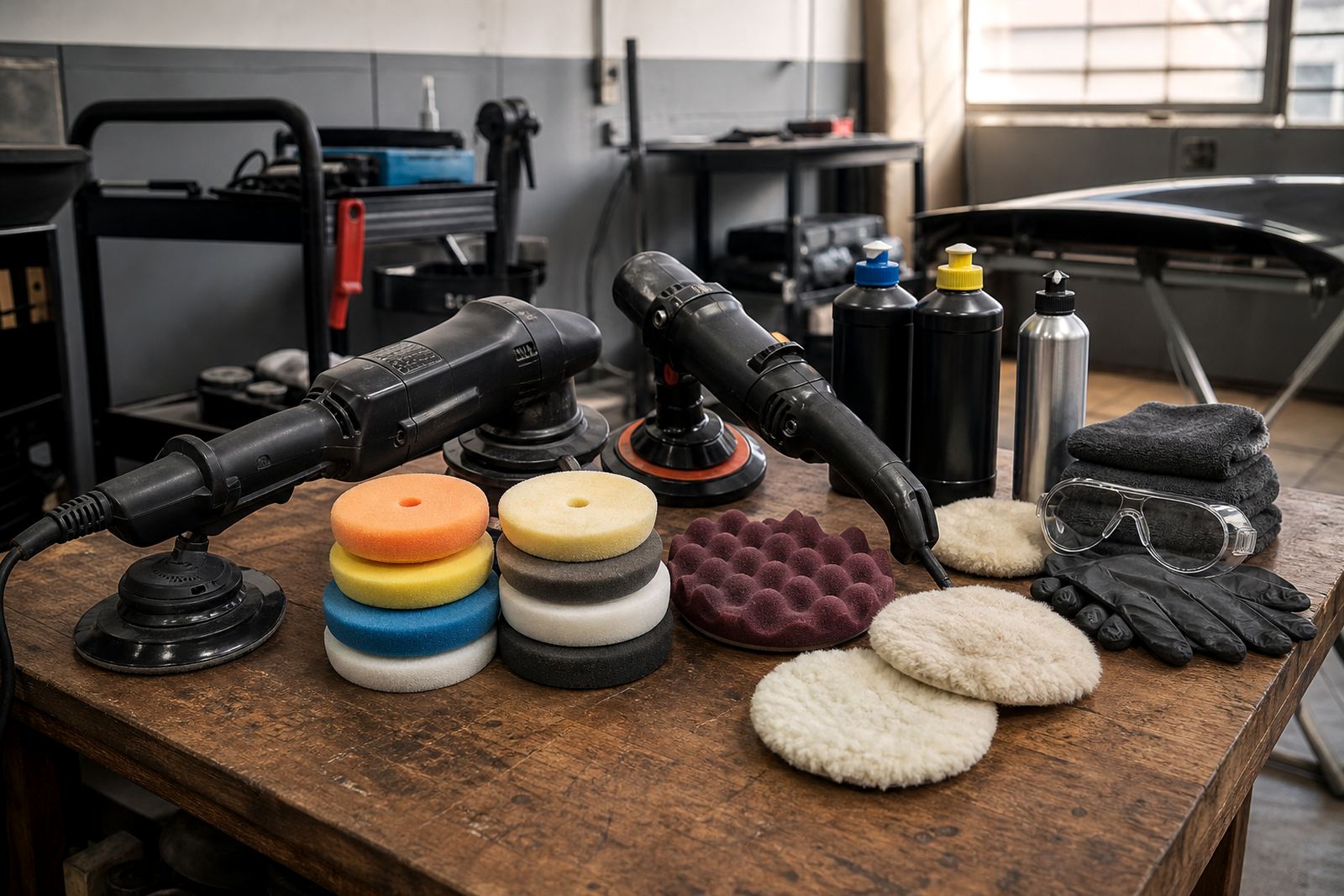
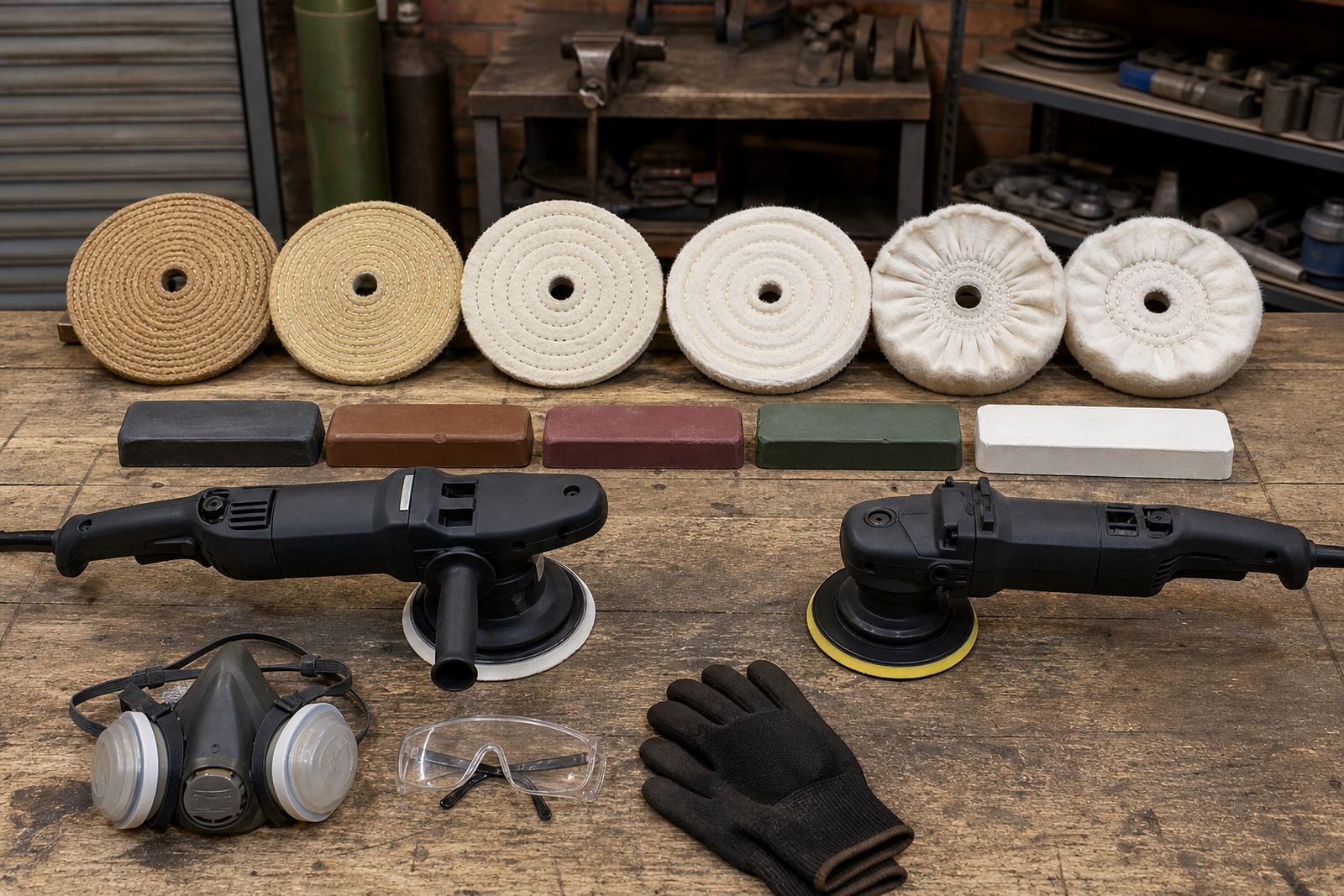
Buff wheels can be made from stitched cloth, loose cloth, sisal, felt, foam or microfiber. Each type behaves differently on metal and paint. For heavy oxidation or cutting back a rougher metal finish, a firmer wheel with more bite can help. For final colour and shine on softer metals or painted panels, a softer wheel gives a cleaner result with less risk of marking.
- Sisal or hard stitched cloth: good for initial cut on metal, weld marks and heavier oxidation.
- Loose cloth: useful for general polishing and a smoother pass on metal.
- Felt: suited to fine finishing, small parts and detailed work.
- Foam or microfiber: often used on paint correction and final gloss work.
If you are unsure, match the wheel to the least aggressive method that still gets the job done. That saves time later and reduces rework.
How Firmness Affects Heat, Cut and Control
Firmer wheels hold their shape better under pressure. That helps on flat metal sections and on stubborn marks, but too much pressure can build heat quickly.
Softer wheels conform more easily to curves and contours. They are useful on body lines, rounded trims and panels where you want less aggression. The trade-off is that a soft wheel may load up faster and may not cut as quickly, so you need to keep it clean and pair it with the right compound.
As a rule, use firmer construction for correction, softer construction for finishing. If the wheel is bouncing, grabbing or leaving uneven marks, the firmness or size may be wrong for the surface.
Step-by-Step: Choosing the Right Buff Wheel
Before you fit a wheel, look at the surface, the machine and the compound. A quick check can prevent wasted product and poor finish quality. The same wheel can behave very differently on stainless steel compared with a fresh clear coat, so take a minute to assess the job first.
- Inspect the surface for deep marks, oxidation, old polish, or paint defects.
- Confirm whether you are cutting, refining or finishing.
- Check wheel firmness, diameter and mounting style.
- Match the wheel to the compound type and the speed of the polisher.
- Test on a small area before doing the full panel or part.
If the finish improves but shows haze or fine swirl marks, move to a softer wheel and a finer compound. If the wheel is not cutting enough, step up in firmness rather than forcing the machine harder.
Technique Matters as Much as the Wheel
Good technique makes a buff wheel last longer and gives a better finish. Keep the pad moving, use light to medium pressure and work in small sections. On paint, overlapping passes help avoid streaks. On metal, consistent passes help prevent hot spots and uneven shine.
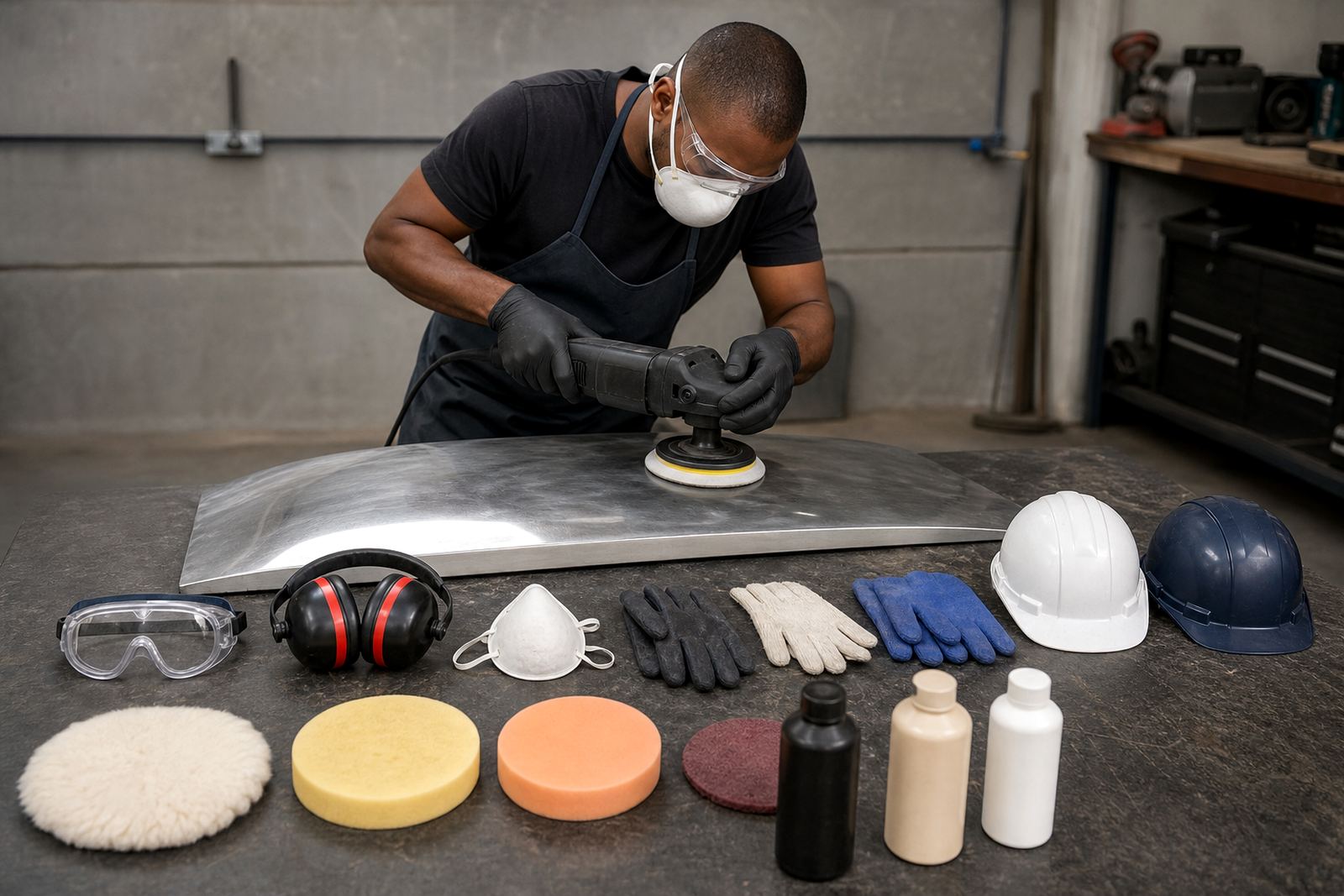
Use PPE every time. Eye protection, gloves and a dust mask or respirator are important when working with dried compound, metal dust and older surfaces that may shed residue. In coastal areas like Durban, humidity can make compounds load up faster, while in dry inland towns dust control becomes more important. Keep the area clean, and never buff over loose contamination.
For rotary work, start slow and increase only as needed. For DA work, let the machine do the work rather than forcing it. If the wheel starts to chatter or drag, stop and clean it before continuing.
Care, Cleaning and Workshop Checks
A clean buff wheel works better and is safer. Loaded wheels can throw residue, run hotter and spoil a finish. After use, comb or clean the fibres, store wheels dry, and keep them away from oil, water and grinding dust. In a busy workshop in Johannesburg or Pretoria, it helps to keep wheels sorted by job so metal work and paint work do not contaminate each other.
- Label wheels for metal, paint and final finishing.
- Replace any wheel that is frayed, out of shape or clogged beyond cleaning.
- Check mounting hardware before each session.
- Keep compounds sealed and tools free of grit.
- Use separate cloths and applicators for different stages.
If you are setting up a small shop or training new staff, a simple wheel and compound system is easier to teach and easier to maintain. That is often the difference between a clean finish and a second round of correction.