
Why Speed Matters On Paint And Metal
With rotary and dual-action polishers, speed is not just about how fast the pad spins. It affects cutting power, finish clarity, residue spread and how much pressure the operator can safely use. On car paint, too much speed can overheat the panel and haze the surface. On metal, poor speed control can leave compound drying out before it does the job.
In practical terms, lower speeds suit spreading product and working tight edges. Mid range speeds are often best for correction and refining. Higher speeds can help when you need more cut on harder materials, but they also raise the risk of sling, dust and heat. A machine that feels smooth in the hand at 2 000 rpm can behave very differently at 4 000 rpm, so listen to the tool and watch the surface as you go.
Rotary Speed And Dual-Action Speed Are Not The Same
A rotary machine spins the pad in one direction. That gives strong cutting action and makes speed selection more sensitive, especially on edges, body lines and older paint. A dual-action machine combines rotation with an orbit, so it usually runs cooler and is kinder on fresh paint or softer clear coats. That does not mean it cannot mark a panel if you rush it.
- Use rotary speed for correction when you need direct cutting control
- Use dual-action speed for safer refinement and lighter defect removal
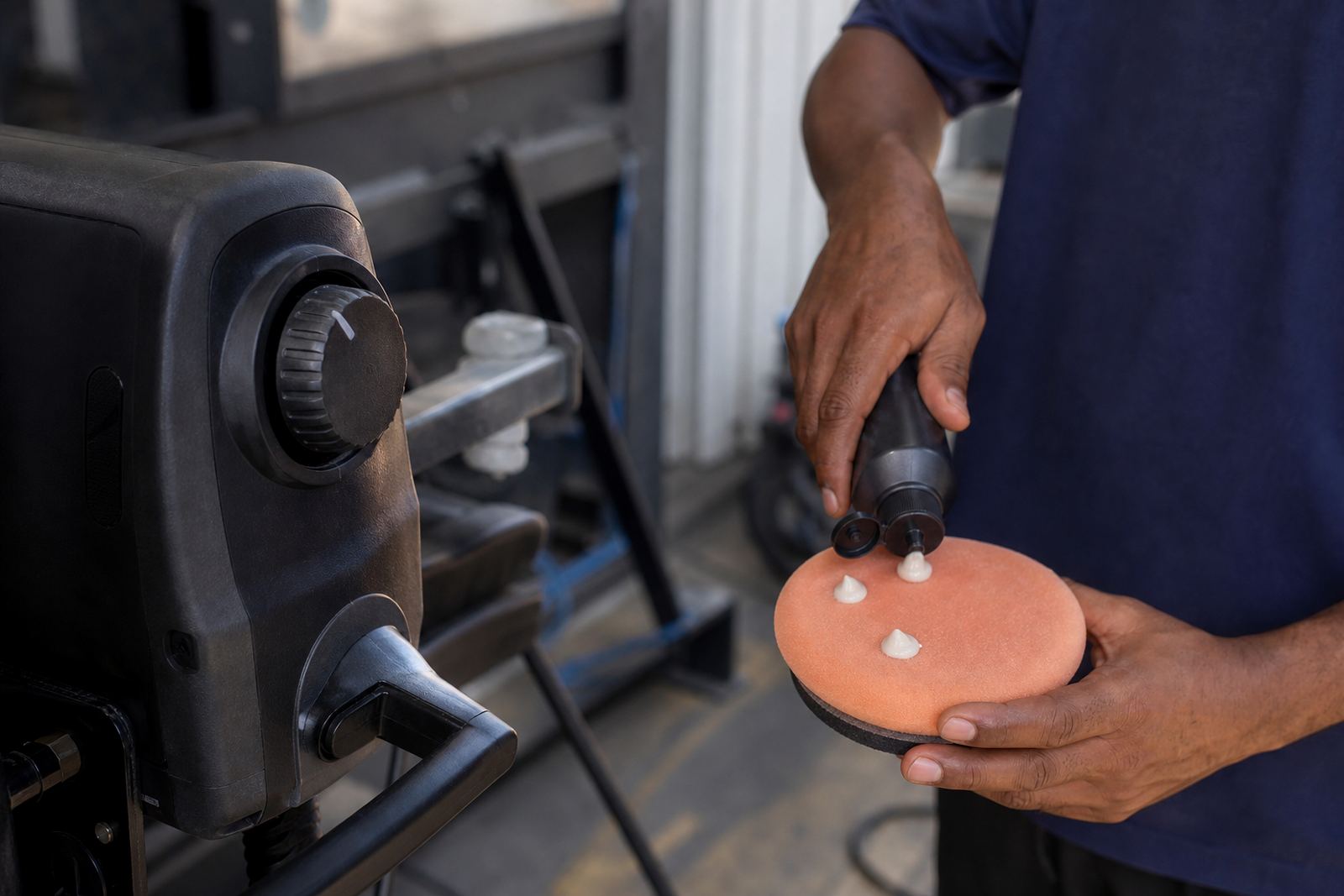
- Start low to spread compound, then step up only as needed
- Keep the pad flat where possible to avoid hot spots
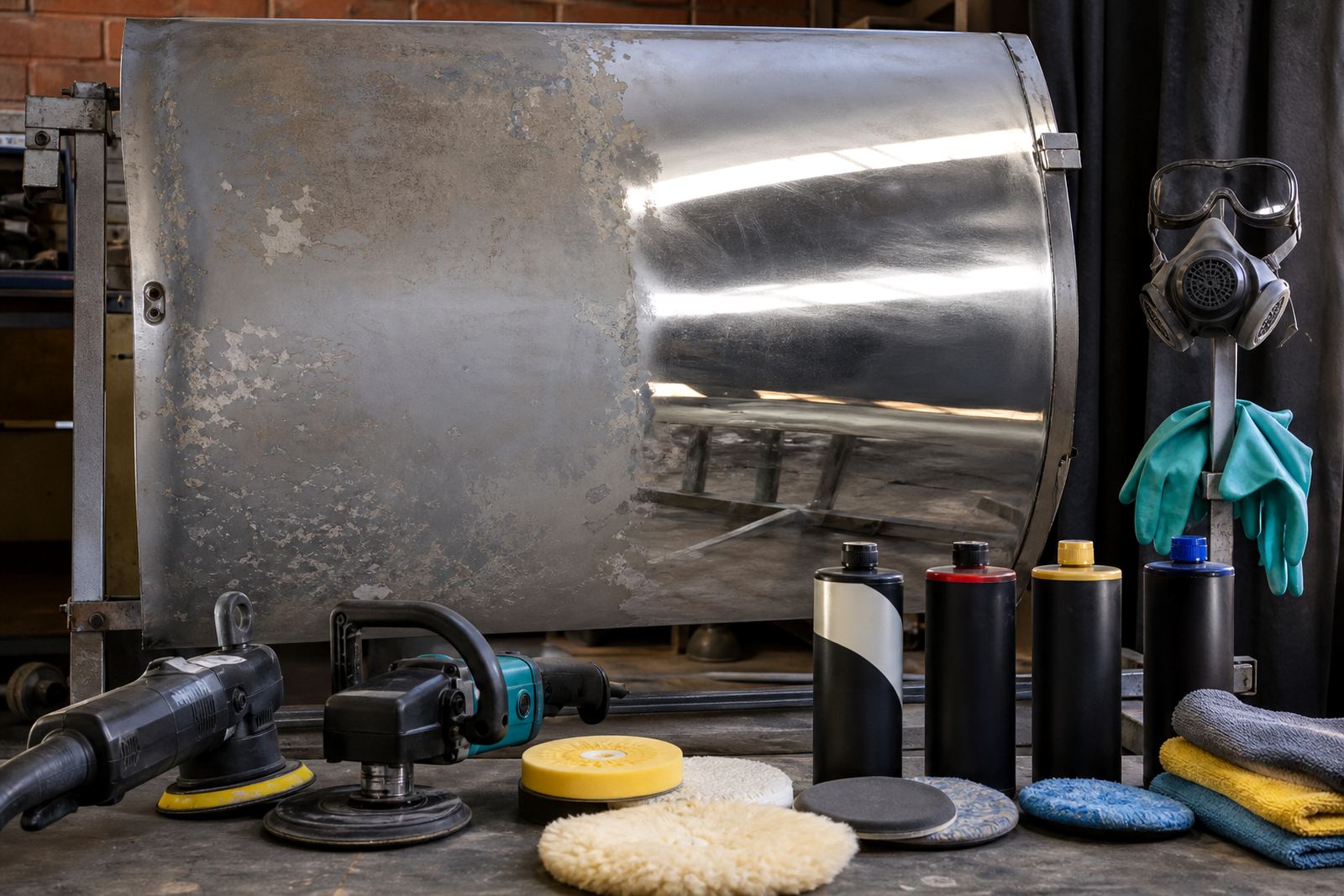
For beginner work, a DA machine is often easier to learn on because the motion is more forgiving. For metal finishing, a rotary can be useful on stainless steel, aluminium and painted panels where you understand the heat and pressure needed. The machine is only half the story, the pad and compound combination matters just as much.
How Speed Changes Correction Rate And Residue
Correction rate is how quickly defects like oxidation, light scratches and sanding marks are reduced. As speed rises, the pad moves more aggressively and the compound works harder. That can improve cut, but it can also dry the product too quickly, leaving dusty residue or sticky build-up on the pad. On a windy day in Germiston or a hot panel in Pretoria, that drying can happen faster than expected.
Watch for three signs that speed is too high: the pad starts hopping, the compound flashes too fast, or the surface temperature climbs before the defects are fully removed. If that happens, slow down, reduce pressure and refresh the pad. A little restraint saves time later because you spend less effort removing haze and marring.
- Fast speed can increase cut but also increase residue
- Slow speed helps spread compound evenly at the start
- Mid speed often gives the best balance for most correction work
- Always check your work under strong light before moving on
Matching Speed To The Material You Are Working On
Different materials ask for different machine behaviour. Fresh clear coat may only need a controlled medium speed with a finishing pad. Harder factory paint can cope with more correction speed, while softer paint may haze if you push too hard. On bare metal, especially after sanding, speed should be chosen to suit the compound and the heat tolerance of the part.
For aluminium trims, stainless fittings and polished metal parts, a steady pace with the right compound is usually better than chasing speed. The goal is not to force the machine, but to let the abrasive do its work evenly. On painted car panels, always test a small area first, because paint systems vary from vehicle to vehicle and from body shop to body shop.
In humid coastal air such as Durban, residue can behave differently to the drier Highveld climate. A compound that breaks down neatly inland may stay wetter near the coast, so the same machine setting can feel a bit different from town to town.
Practical Speed Settings For Common Jobs
There is no single number that suits every tool and every product, but a practical starting point helps. Most operators begin low, then increase speed only when the pad is loaded correctly and the surface is reacting as expected. If you are training a new hand, teach them to work in stages rather than staying at one high setting from start to finish.
- Spreading compound: low speed to keep sling under control
- Initial cut: moderate speed with light to medium pressure
- Refining: moderate to slightly lower speed, cleaner pad
- Finishing: lower speed with a soft pad and minimal pressure
On a job in Bloemfontein, where dust can settle quickly, a cleaner pad and sensible speed matter as much as product choice.
Safety, Dust Control And Operator Discipline
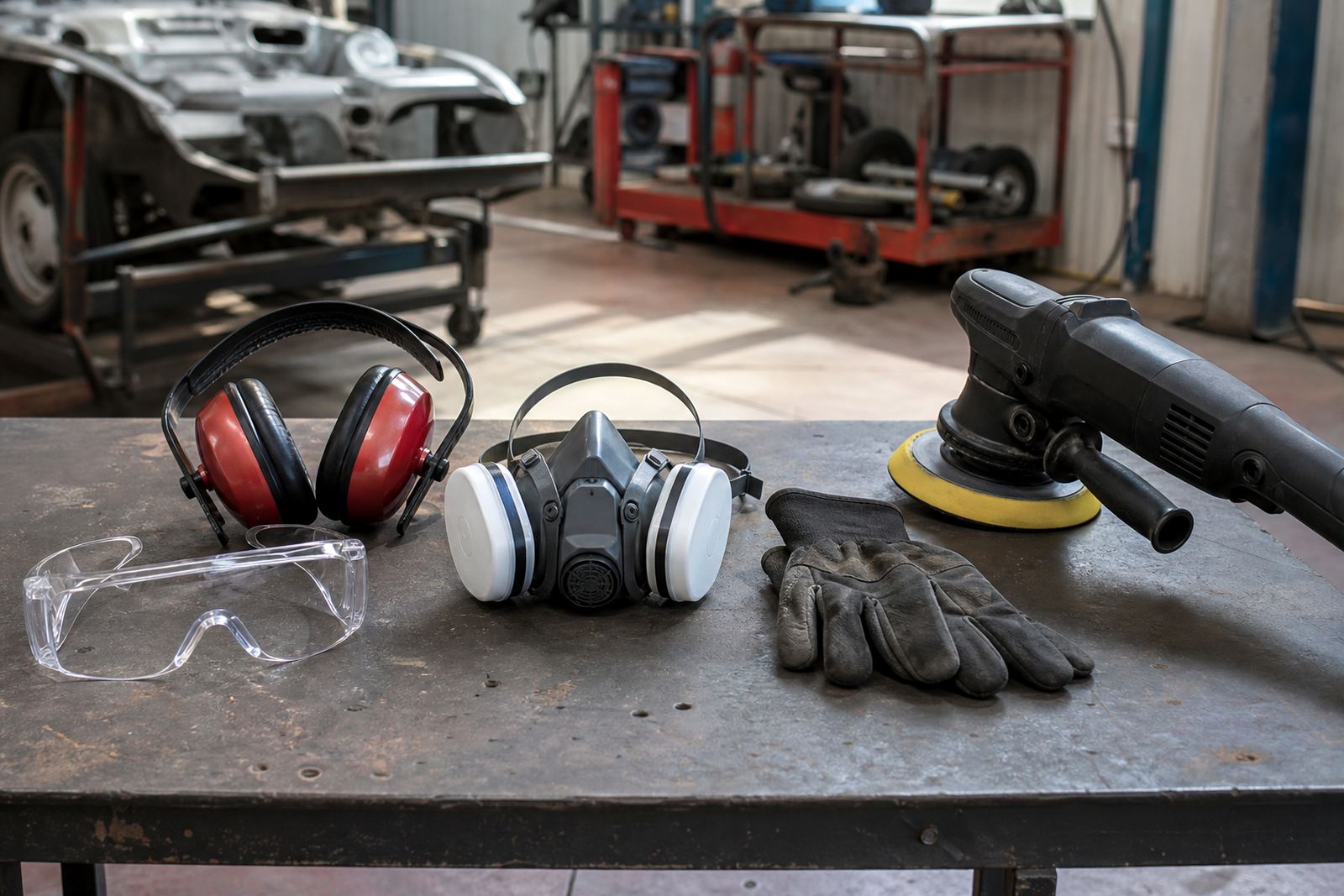
Speed affects safety as much as finish quality. Higher speed can throw compound into the air, heat up edges and increase the chance of the pad catching on trim. Proper PPE should be part of every session: eye protection, a dust mask or respirator where needed, snug clothing and hearing protection if the work is long or noisy. Keep loose sleeves, jewellery and cloths away from the machine.
For polishing work that creates dust, clean the area first and do not dry buff in a way that sends old residue back into the air. Wipe panels down between stages, and if you are doing metal work make sure the work area has decent ventilation. Onsite demos and workshop sessions should always include a safety and PPE briefing before the machine is switched on.
- Inspect pads for grit before use
- Keep cords clear of the pad path
- Do not chase speed on edges or raised lines
- Let the machine do the work, do not force it
A Germiston Example: Choosing Speed For A Mixed Fleet Job
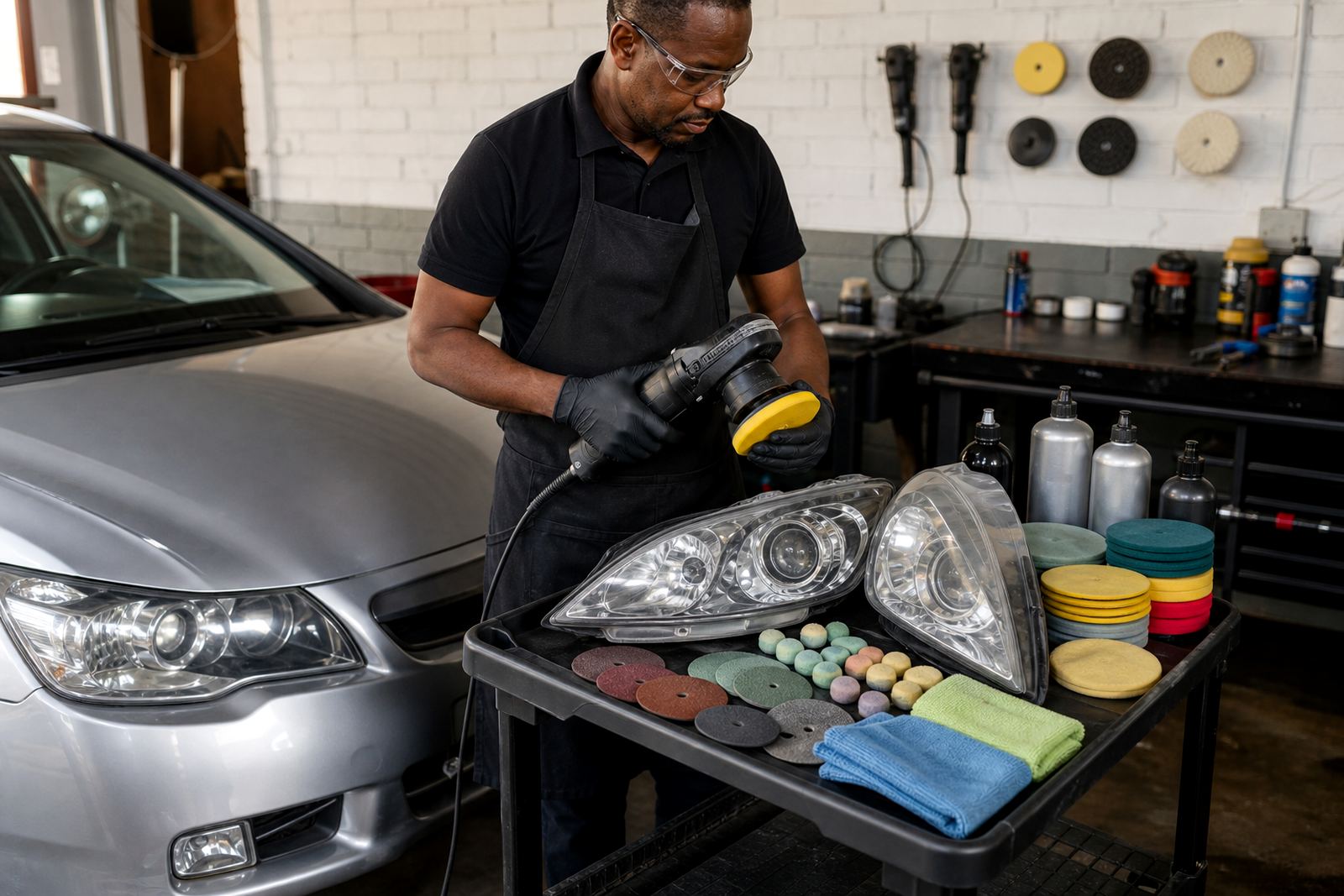
A local workshop in Germiston might receive a mix of painted bakkies, alloy wheels and a stainless steel canopy trim in the same week. The sensible approach is not to use one speed setting for everything. Instead, the operator would start low to spread compound, then move to a controlled mid range for correction on the painted panels. For the metal parts, the speed may be adjusted again to suit the compound and the finish target.
That is where training helps. When a team learns how speed changes cut, residue and heat, they waste less product and spend less time chasing swirls. They also become better at identifying when a pad needs cleaning, when a compound has broken down properly and when it is time to stop and inspect the work under light. Small discipline on the machine makes a big difference to the final result.
Polisher supplies polishers, buffs, compounds and practical training for people who want better control over their finishing work across Johannesburg, Pretoria, Cape Town, Durban, Bloemfontein and the wider Gauteng area. Whether you are setting up a workshop, improving a team or starting out, the same rule applies: choose the right speed for the job and stay in control from the first pass to the last.