What Paint Correction Coaching Covers
This service is for hobby users, detailers, panel shop staff and workshop teams who already know the basics and want better results on paint. The goal is to remove swirl marks, light scratches, sanding haze and oxidation without chasing through the clear coat or leaving uneven gloss patches. We work through the full correction process so you understand what the machine is doing and why the finish changes from panel to panel.
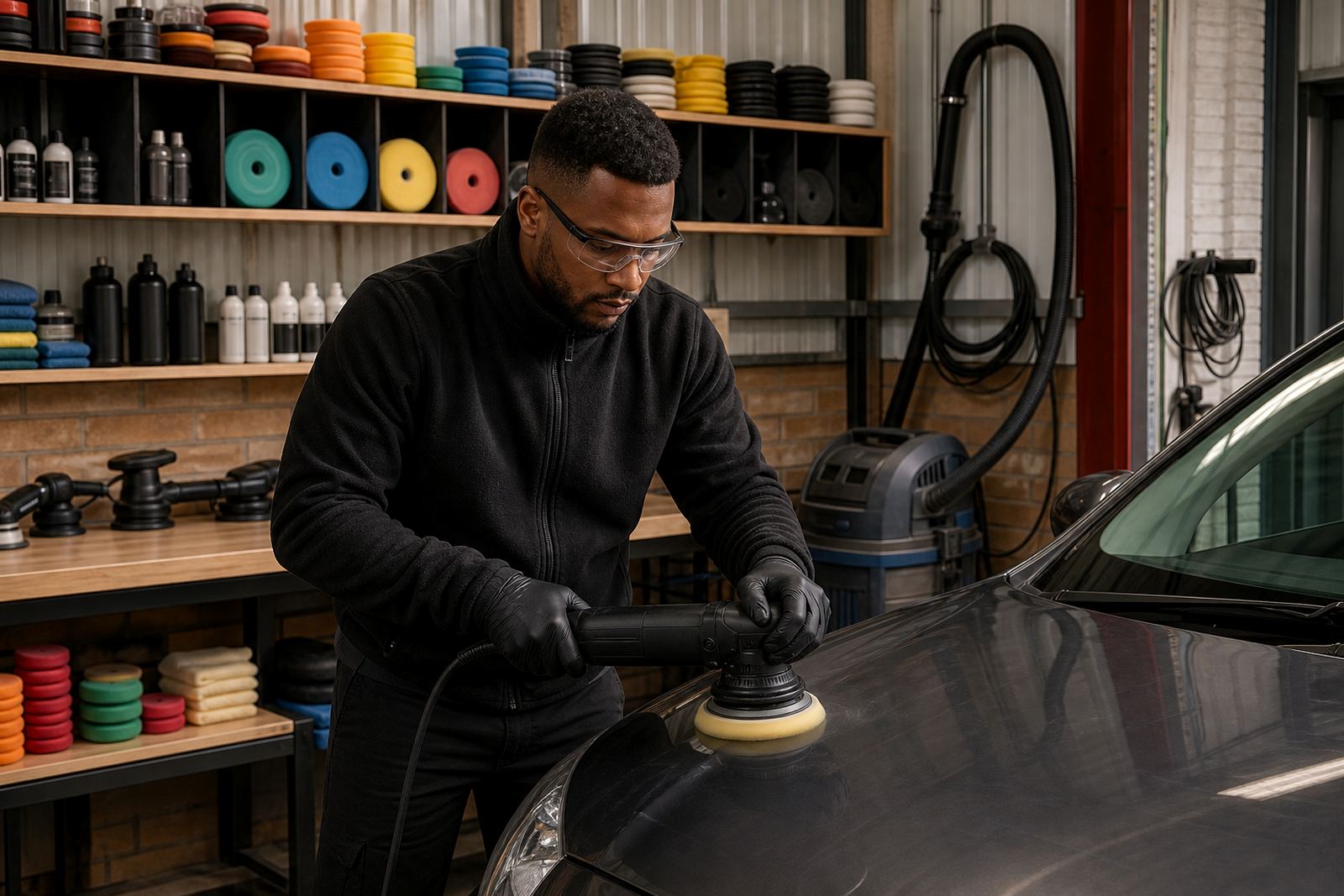
Coaching is practical and hands-on. You get guidance on machine speed, pad pressure, panel temperature, product working time, wipe-down checks and how to read the surface under proper light. We also show where a rotary machine is useful, when a dual-action machine is safer, and how to avoid common mistakes such as overworking a dry pad or using too much compound on soft paint.
- Assessment of paint condition before any polishing starts
- Rotary and DA technique for controlled defect removal
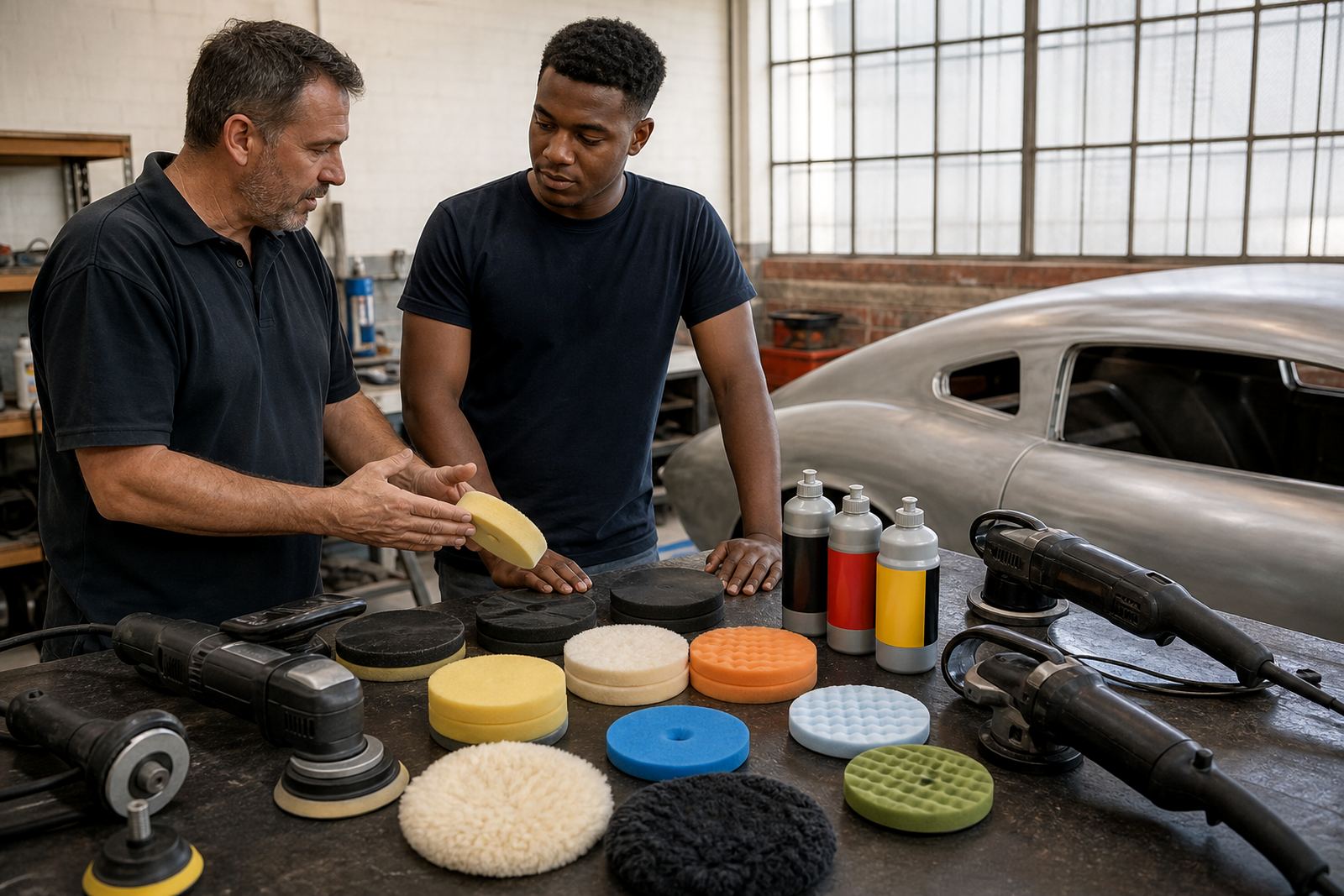
- Pad and compound matching for soft, medium and harder finishes
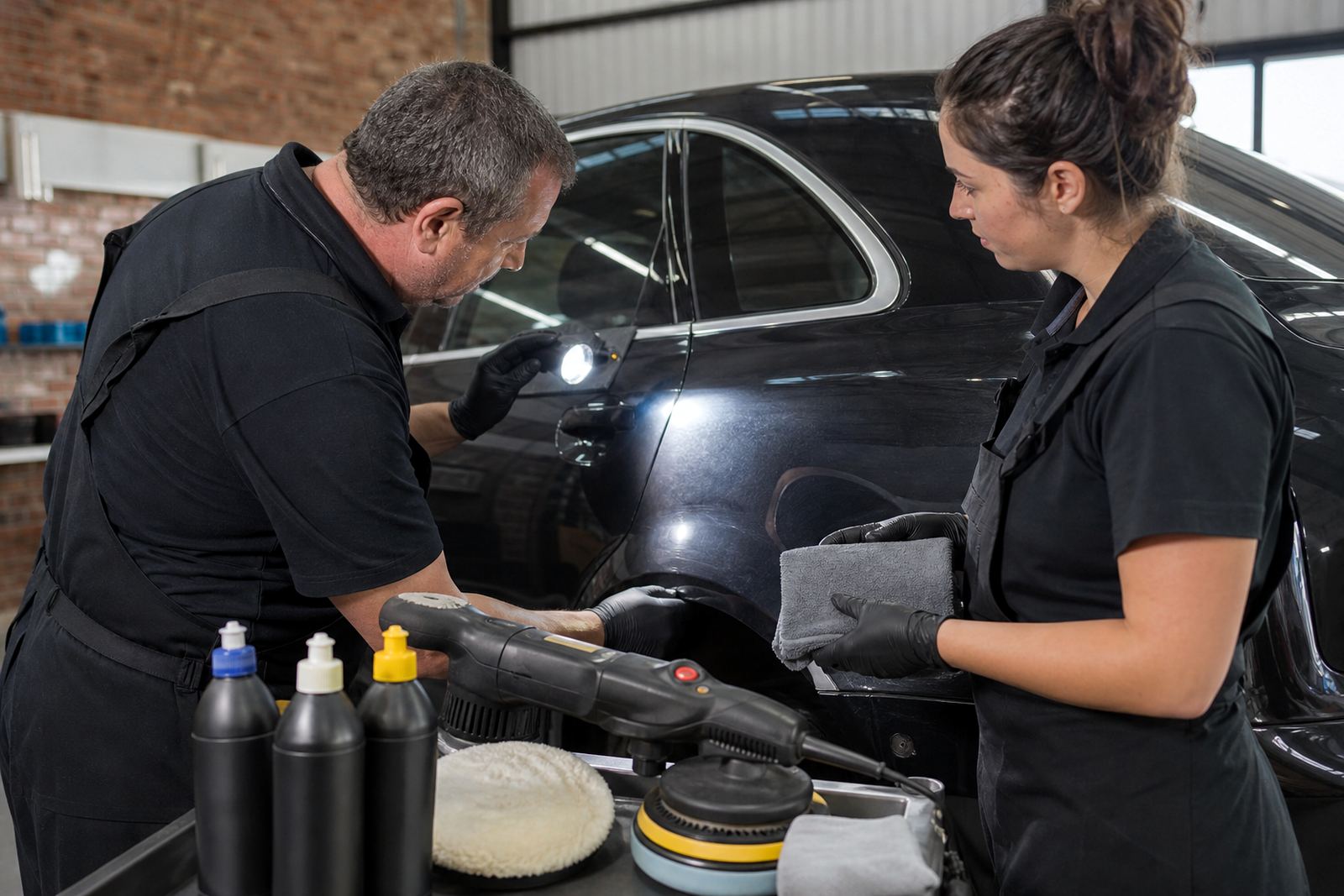
- Inspection with lighting to spot haze, trails and missed areas
- Advice on finishing steps for higher gloss and cleaner reflections
How The Session Is Run From First Check To Final Wipe
Each session starts with a surface check so we can identify the paint type, defect level and any previous machine marks. From there we set a simple process: wash or clean the area, decontaminate if needed, select the test spot, then trial a pad and compound combination before moving to the rest of the panel. This keeps the work controlled and avoids unnecessary material removal.
For rotary users, we focus on pad flatness, arm speed, edge control and heat management. For dual-action users, we cover pad priming, machine speed, pressure control and how to keep the pad moving without dragging. Where needed, we explain when to step down to a finer polish or finishing pad to reduce haze. In dusty Gauteng conditions or coastal humidity in places like Durban and Cape Town, we also discuss how environment affects polishing residue and wipe-off.
- Initial paint inspection and defect mapping
- Test spot selection with a small working area
- Compound choice based on cut, finish and dust level
- Refinement pass to reduce haze and improve clarity
- Final inspection and aftercare advice for the surface
Equipment, Materials And Safety Guidance
We use generic polishing methods and tools commonly used in metal and automotive finishing. Depending on the task, that may include rotary polishers, dual-action machines, foam cutting pads, foam finishing pads, microfibre cutting pads, wool buffs and liquid compounds with different cutting levels. You will also get guidance on machine backing plate size, pad diameter and working on curved panels, badges, handles and sharp body lines.
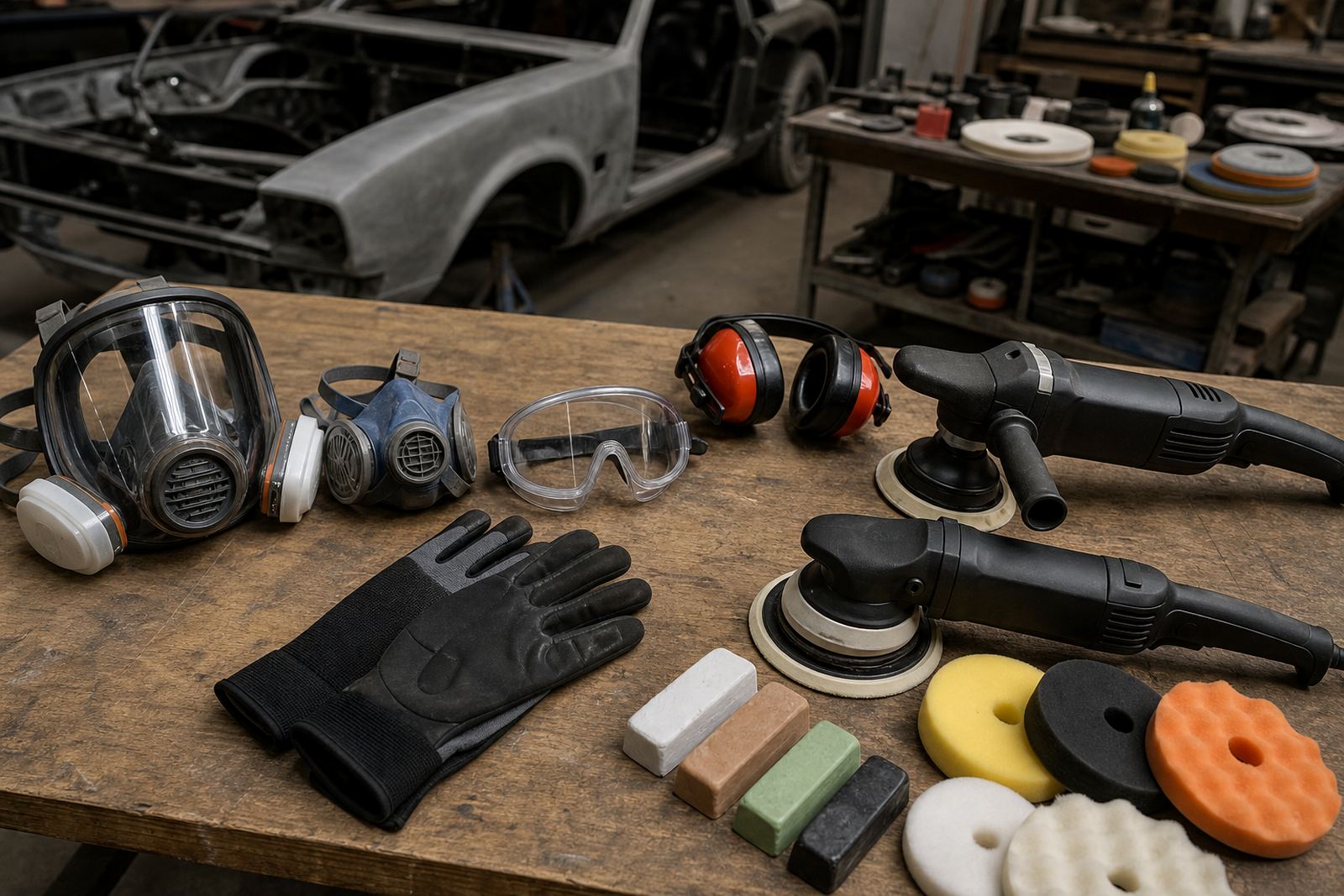
Safety is part of the coaching, not an add-on. Polishing creates residue and fine dust, especially where old paint, oxidation or dried compound is present. We cover PPE, panel masking, eye protection, gloves where suitable and the need for good ventilation. On site or in a workshop, dust control matters, and so does cleaning pads often enough to stop grit from scratching the surface back into the finish.
- Rotary machines for heavier correction and controlled finishing
- Dual-action machines for safer removal and reduced risk on softer paint
- Foam, microfibre and wool options matched to the task
- Masking, PPE and dust control for safer working conditions
- Pad cleaning and storage to prevent contamination
Typical Turnaround And Session Length
Turnaround depends on the level of correction support you need and whether the coaching is for one person or a small workshop team. A focused coaching session can usually be completed in a single day, while more detailed training with setup advice or multiple test panels may take longer. We keep the process practical so you can apply the method again the same week, not after a long delay.
For customers coming from Johannesburg, Pretoria, the Vaal Triangle or farther afield, we plan the session around the tasks you want to solve first. If you are working through a fleet, a classic car, or a modern vehicle with soft clear coat, we will prioritise that type of finish. Workshop teams often book refresher support after machine changes, new compounds, or when staff need better consistency on final gloss.
- Single focus session for one paint correction problem
- Half day or full day options depending on the brief
- Team sessions for workshop consistency and standard methods
- Practical follow-up advice after the main coaching block
Pricing Approach And What Influences The Quote
Pricing is based on the scope of coaching, the number of people attending, the time needed for test panels and the amount of technical setup required. A simple one-on-one session is priced differently from a team training day with pad and compound matching, machine care guidance and on-site demo work. We keep the quote clear so you know what is included before the booking is confirmed.
Things that affect the rate include the level of defect removal required, whether the work is for paint, metal, or both, the size of the area being worked on, and whether consumables or starter kits are needed. If you only need guidance on reducing haze after correction, the scope will be narrower than a full coaching session that covers machine selection, finishing practice and safety briefing.
- Number of attendees or operators to be coached
- Length of the session and depth of practical work
- Need for starter kits, consumables or setup advice
- Whether the focus is paint correction only or mixed finishing work
Service Intervals For Better Long-Term Results
Once your technique improves, maintenance becomes simpler. For most vehicles, light polishing should only be done when needed, not on a fixed weekly cycle. A proper wash routine, safe drying and regular inspection under good light will reduce the need for repeated correction. If the paint is in good condition, maintenance can often be limited to gentle finishing steps and careful cleaning rather than heavy cutting.
We also show how to look after pads, compounds and machine parts between jobs. Pads should be cleaned during use and stored dry. Machines need regular inspection for backing plate wear, cable damage and abnormal vibration. On busy workshop floors in Germiston, Johannesburg or Pretoria, a simple maintenance routine prevents downtime and helps keep the finish consistent. For teams, refresher coaching is useful whenever staff change or results start becoming uneven.
- Inspect paint condition before each polish cycle
- Use light finishing only when the surface actually needs it
- Clean and dry pads after every session
- Check machine wear, vibration and cable condition regularly
- Book refresher training when results start drifting
Key facts
| Service Type | Paint correction coaching for car paint finishing |
|---|---|
| Methods Covered | Rotary and dual-action polishing techniques |
| Surface Focus | Automotive clear coat, refinishing work and gloss refinement |
| Safety Focus | PPE, ventilation, dust control and masking guidance |
| Session Format | One-on-one coaching, small team training, on-site demo |
| Service Area | Germiston, Gauteng and support across South Africa |