What Metal Buffing Training Covers
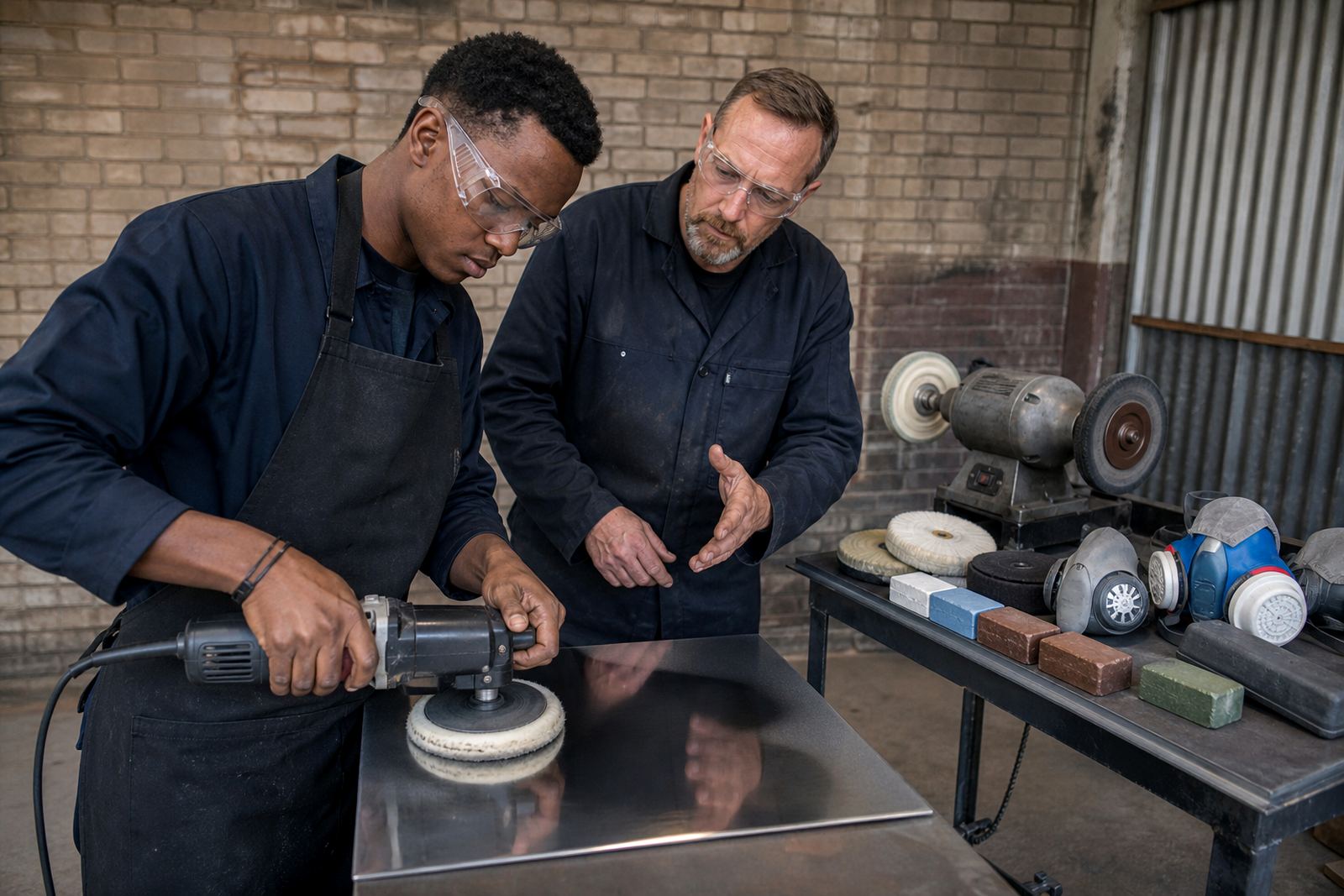
Our metal buffing training is set up for people who need a clean, even finish on parts that already have shape, weld work or light surface marks. We cover buff wheel selection, compound stages, machine speed control and the practical differences between rotary polishers and slower finishing methods used on metal. The session also explains how heat builds up on edges and corners, because that is where scorch marks and drag lines usually start.
Work is done on common items found in workshops, panel shops and fabrication spaces, including stainless trim, aluminium parts, brass fittings, mild steel pieces and decorative fixtures. You learn how to prep the surface first, because buffing over grit or grinding residue will pull scratches through the finish. We also show how to check for contamination in wheels and compounds, and how to keep your work area cleaner when using dry buffing compounds that create fine dust.
- Buff wheel types and when to use sewn, loose or spiral stitched wheels
- Compound stages for cutting, refining and final colour
- Safe machine handling, body position and edge control
- Surface prep before the first pass
- Dust control and PPE for workshop use
How The Session Is Run In Germiston
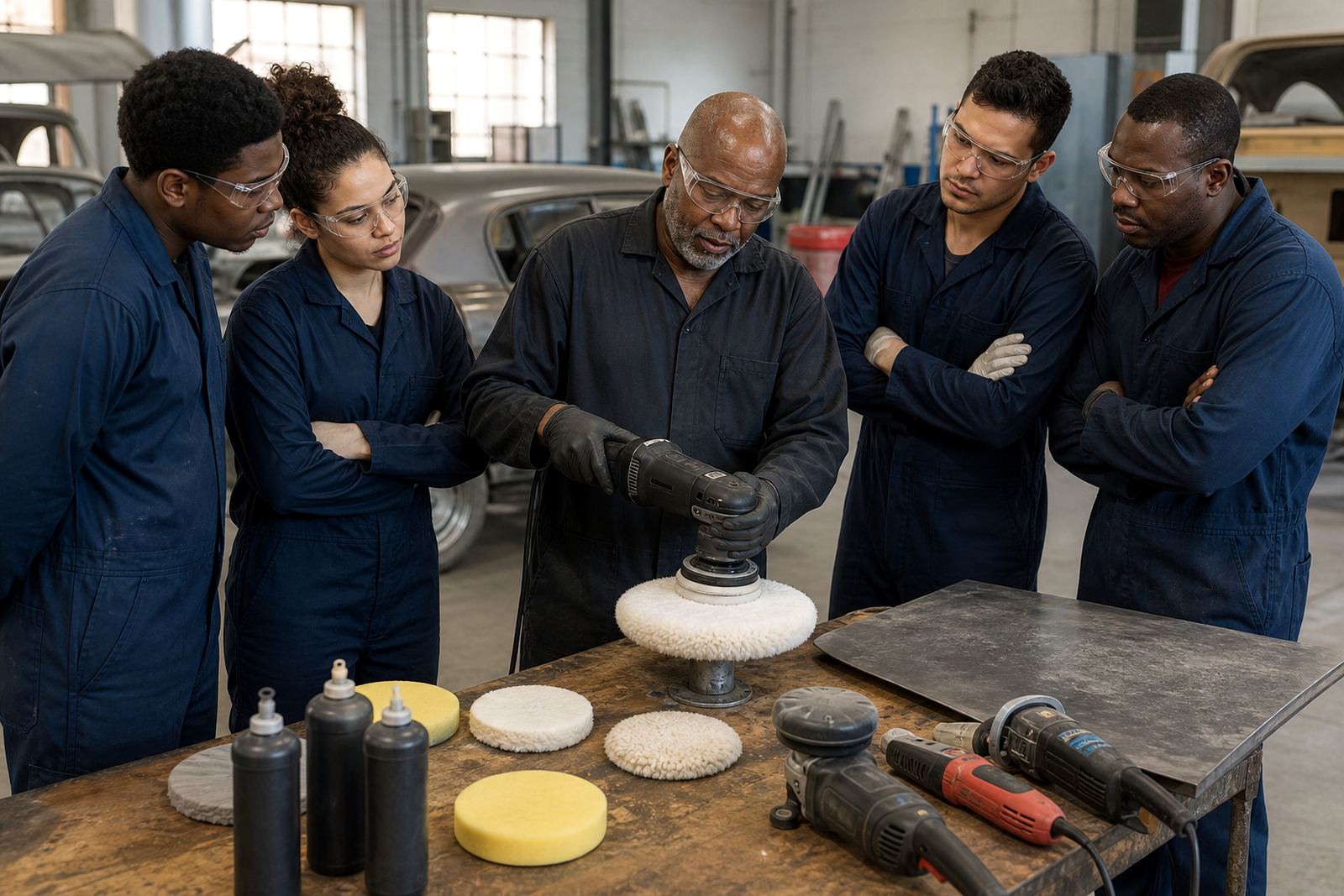
Training is based in Germiston, Gauteng, with support for customers travelling in from Johannesburg, Pretoria, the East Rand and the Vaal Triangle. Sessions are arranged by booking and are normally run as practical workshop appointments, so there is enough time to set up the machine, test compounds and work through real examples. If your team is coming from a fabrication floor or detailing bay, we can shape the session around the parts you actually finish every week.
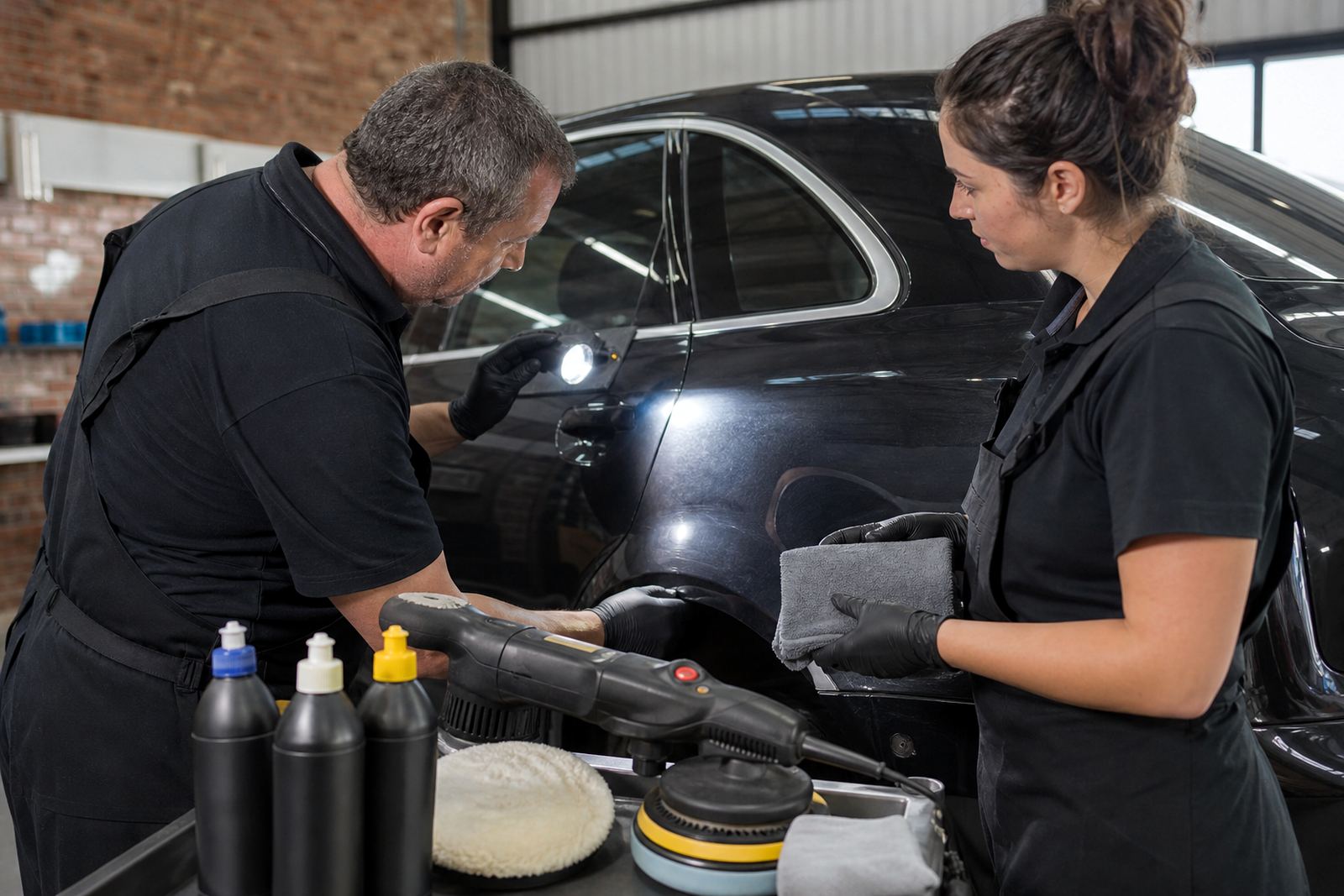
The process starts with a short review of the job and the metal type, because different finishes need different wheel density and compound choice. We then move into machine setup, pad loading, first cut, follow-up passes and inspection under good light. You will also learn how to stop a part from overheating and when to clean or change a wheel before it starts leaving residue. Where needed, we include guidance on polishing around welded seams, curves and narrow sections where a full-size wheel can catch.
- Job review and metal identification
- Machine setup and speed selection
- Buff wheel and compound matching
- Hands-on polishing and inspection
- Clean-down, wheel care and storage advice
Tools, Speeds And Safety Standards
We work through the equipment used in everyday metal finishing, including rotary polishers, dual-action polishers for lighter correction and bench-style setups where a fixed wheel is safer for smaller items. For buffing, the main focus is on rotary control, since the wheel must stay moving and level to avoid digging in. We explain how to use lower speeds for heat sensitive pieces and when a firmer cut is needed on a rougher surface. A careful operator can get a better finish with a moderate machine speed than with extra pressure, which usually only creates haze.
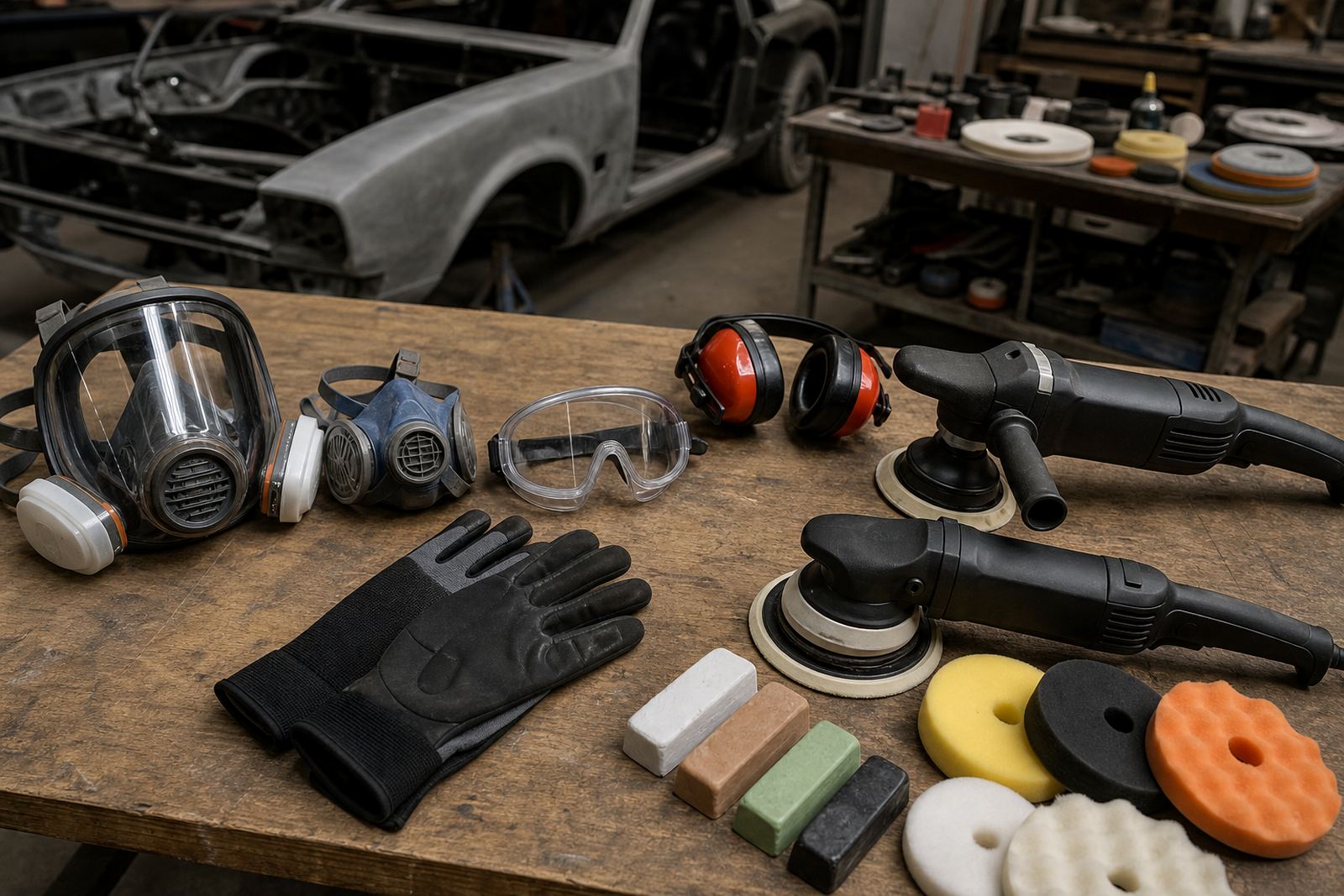
Safety is part of the lesson, not an add-on. Metal buffing throws off fine residue and can catch loose clothing, gloves or jewellery, so PPE and disciplined working habits matter. Eye protection, dust masks where needed, fitted clothing and secure workholding are covered in detail.In coastal areas like Durban and Cape Town, humidity can affect compound behaviour and storage, so we include simple storage advice for pads and consumables.
- Eye protection and dust control basics
- Gloves only where they do not increase entanglement risk
- Machine guarding and wheel condition checks
- Workholding for small or awkward parts
- Storage for compounds, wheels and cloths in damp conditions
What You Take Away From The Training
The aim is that you leave with a practical routine you can repeat without wasting time or consumables. You will know how to choose a wheel for the job, how much compound to load, how long to stay on one area and when to stop and inspect the finish. We also cover common faults such as black smear, orange tint on soft metal, uneven shine and swirl marks left by poor follow-through. These issues are easier to prevent than to remove later.
For teams, the training can be used to align a basic workshop method so that different operators get similar results. That matters in shops doing repeat jobs for gates, rails, decorative frames, motorcycle parts or car trim pieces. We also offer starter kit consultation and consumables restocking advice, so your team does not buy the wrong grades or too many unnecessary items. If you need help setting up a finishing corner, we can talk through bench layout, storage and cleaning routines without overcomplicating the space.
- Step-by-step buffing routine for repeat work
- Fault spotting and correction before final handover
- Consumable selection for ongoing work
- Workshop layout tips for better flow
Turnaround, Booking And Pricing Approach
Turnaround depends on the session type and whether you want a single operator, a small team or a more detailed workshop demo. Simple one-on-one sessions can usually be arranged quickly once the enquiry is received through the contact page form. Group bookings and onsite team demos need more planning because we need to match the session to your parts, your space and your working hours. For customers outside Gauteng, we can discuss travel timing and how to make the visit efficient.
Pricing is quoted according to the training format, the number of attendees, the time required and any onsite setup needs. If you need extra guidance on pad and compound matching, machine care or workshop setup advice, that can be built into the session rather than booked separately. We keep the pricing approach straightforward, with no hidden extras for basic guidance. If your business is in Johannesburg, Pretoria, Cape Town, Durban or Bloemfontein, the enquiry form is the best starting point so we can confirm the right scope before the booking is locked in.
- One-on-one, small group or onsite team format
- Quoted to suit session length and location
- Can include setup and consumable advice
- Booking starts through the contact page enquiry form
Ongoing Care And Refresher Intervals
Metal buffing tools and consumables wear with use, so maintenance is part of getting a stable finish. We show how often to check wheel edges, how to clean loaded pads and when a compound has broken down enough to change. A machine that starts to run rough, wobble or throw uneven residue should be checked before the next job. For busy workshops, a quick inspection every few weeks is usually better than waiting for a fault to become a major issue. In humid or dusty conditions, storage and cleaning need a bit more care, otherwise the wheels pick up grit and moisture.
Refresher training is useful whenever a new operator joins, a new machine is introduced or the team starts handling a different material.We can guide you on how to keep compounds separated, how to label wheels for coarse or fine stages, and how to avoid cross-contamination between metal jobs and paint work. That small discipline saves time and helps the finish stay consistent from one job to the next.
- Wheel checks and cleaning after regular use
- Machine inspection if vibration or heat changes
- Refresher sessions for new staff or new materials
- Better storage for damp, dusty or shared workshop spaces
Key facts
| Training focus | Buff wheel selection, compound stages, rotary handling, surface prep and finish inspection |
|---|---|
| Suitable materials | Stainless steel, aluminium, brass, mild steel and plated metal parts |
| Format | Practical workshop session, one-on-one, small group or onsite team demo |
| Area served | Germiston, Johannesburg, Pretoria, Cape Town, Durban, Bloemfontein and wider South Africa |
| Safety covered | PPE, dust control, workholding, wheel checks and heat management |
| Booking method | Enquiry form on the contact page |