
What machine care guidance covers
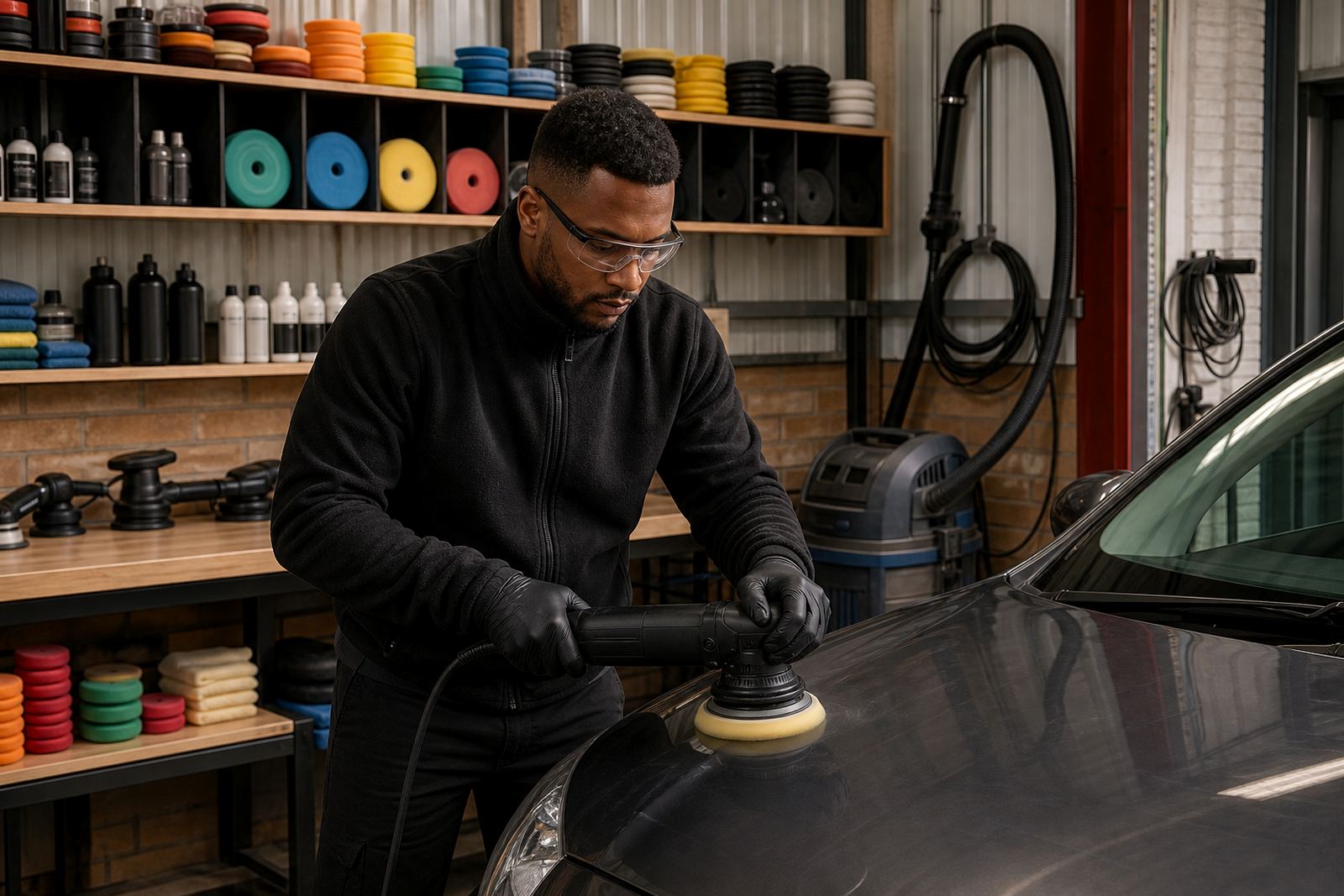
Our machine care guidance is for hobbyists, workshops and mobile teams who want their polishers to stay dependable in regular use. We cover rotary and dual-action polishers, backing plates, foam and wool pads, cables, vents, triggers, handles and the small habits that prevent avoidable wear. The aim is simple: keep the machine running safely, keep the finish consistent and reduce time lost to faults that could have been caught early.
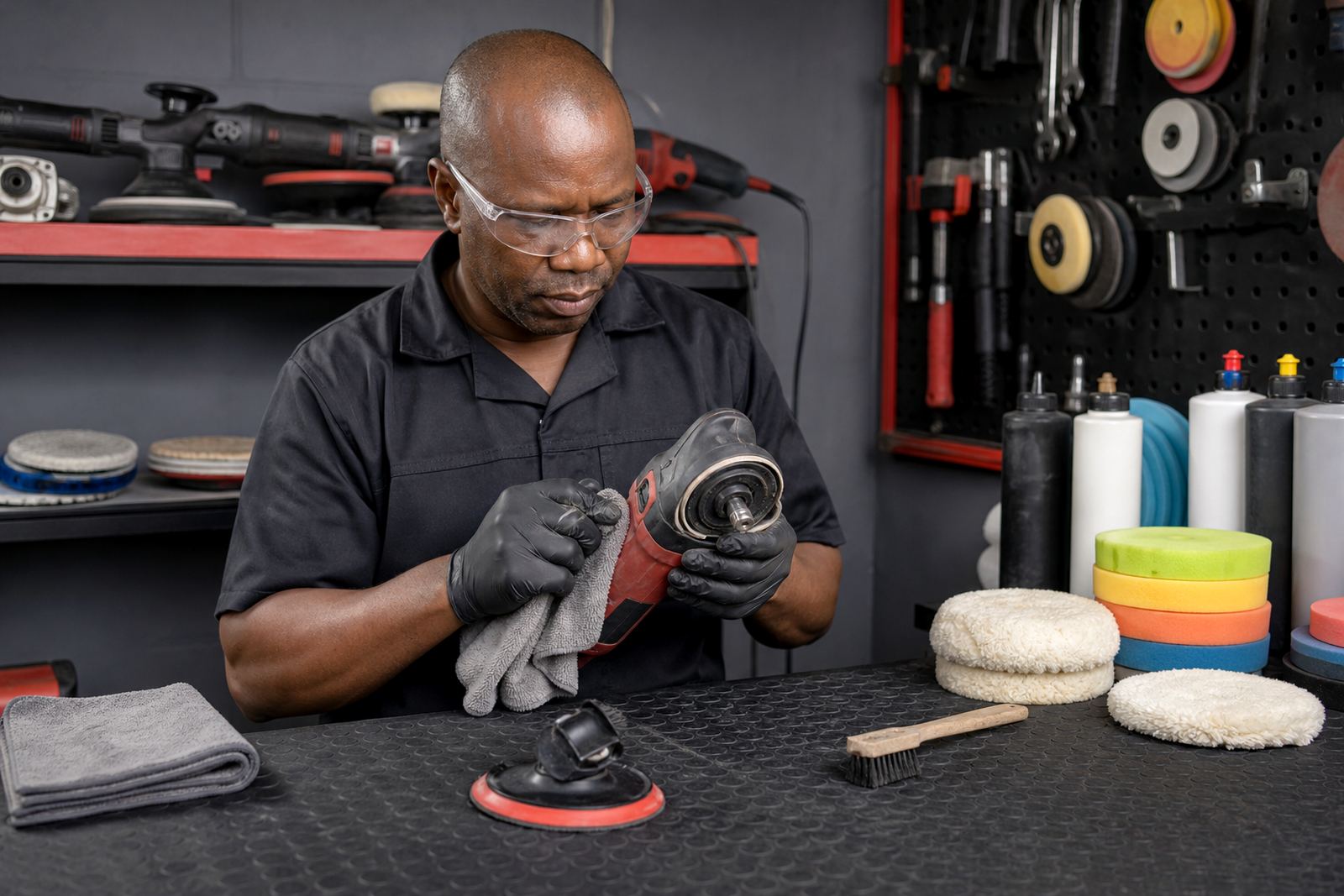
This service is practical rather than theoretical. We show how to wipe down housings after use, how to remove compound build-up from pad faces, how to store machines in a dry place and how to check that pads, hook-and-loop surfaces and guards are still serviceable. We also explain what different noises, heat levels and vibration patterns usually mean, so users can spot trouble before it becomes a workshop problem.
- Rotary and dual-action machine basics
- Pad cleaning and storage routines
- Vent, cable and switch inspection
- Safe cleaning of housings and controls
- Signs of wear that need attention
How the service is handled
Most clients start with an enquiry through the contact page, then we discuss the machine type, the work being done and the conditions it is used in. A unit that works on car paint in Johannesburg dust will need different day to day care from one used on stainless steel near the coast. We look at the make-up of the kit, the type of pads used, the compound range and whether the machine is being used for light finishing or heavier correction.
The process usually follows a clear sequence. First we identify the machine and the common use case. Next we go through cleaning points, storage habits and any visible wear. Then we give a care routine matched to the work, whether that is a small detailing kit, a metal finishing setup or a workshop machine that sees daily use.
- Step 1: Review the machine and accessories
- Step 2: Check wear points and build-up
- Step 3: Set a cleaning and storage routine
- Step 4: Note follow-up actions for the next service cycle
Pad cleaning and compound care
Pad care has a big effect on finish quality and machine strain. When a pad becomes clogged with spent compound, paint residue or metal polishing debris, it can run hotter, cut unevenly and make the machine work harder than necessary. We show practical cleaning methods for foam, microfibre and wool pads, including how to remove product during the job and how to clean pads fully after use.
We also talk through compound handling. Containers should be closed properly, kept out of direct sun and protected from dust. In Gauteng, where workshop dust can settle quickly, keeping lids clean matters more than many users think. Near coastal areas such as Cape Town and Durban, moisture management becomes part of the routine too, because damp storage can affect both pads and machine metal parts. The advice is straightforward and based on what actually happens in workshops, not on guesswork.
- Clear pads during use to reduce heat
- Wash and dry pads fully before storage
- Keep compounds sealed and free from dirt
- Separate pads by use: paint, metal or finishing stages
- Replace pads that have collapsed, torn or lost grip
Service intervals for regular users
Care intervals depend on how often the machine is used, but most users benefit from a simple routine after every job, a weekly check and a more detailed monthly inspection. After each session, remove residue from the pad, wipe the machine body and check the cable for nicks or tight bends. Once a week, inspect vents, switches, grip areas and backing plate condition. Once a month, take a closer look at bearings, hook-and-loop wear and any loose fasteners.
For busy workshops in Germiston, Pretoria, Johannesburg or the Vaal Triangle, a more frequent check may be needed if the machine runs for several hours a day. For lighter users, the machine may stay in good condition with less frequent attention, but only if cleaning is done properly each time. A few minutes of care can save a lot of downtime, especially when jobs are booked back to back and there is no spare unit ready to step in.
- After each use: clean, wipe and store
- Weekly: inspect vents, cable and pad interface
- Monthly: check for looseness, wear and heat issues
- As needed: replace damaged accessories before further use
Safety steps and workshop habits
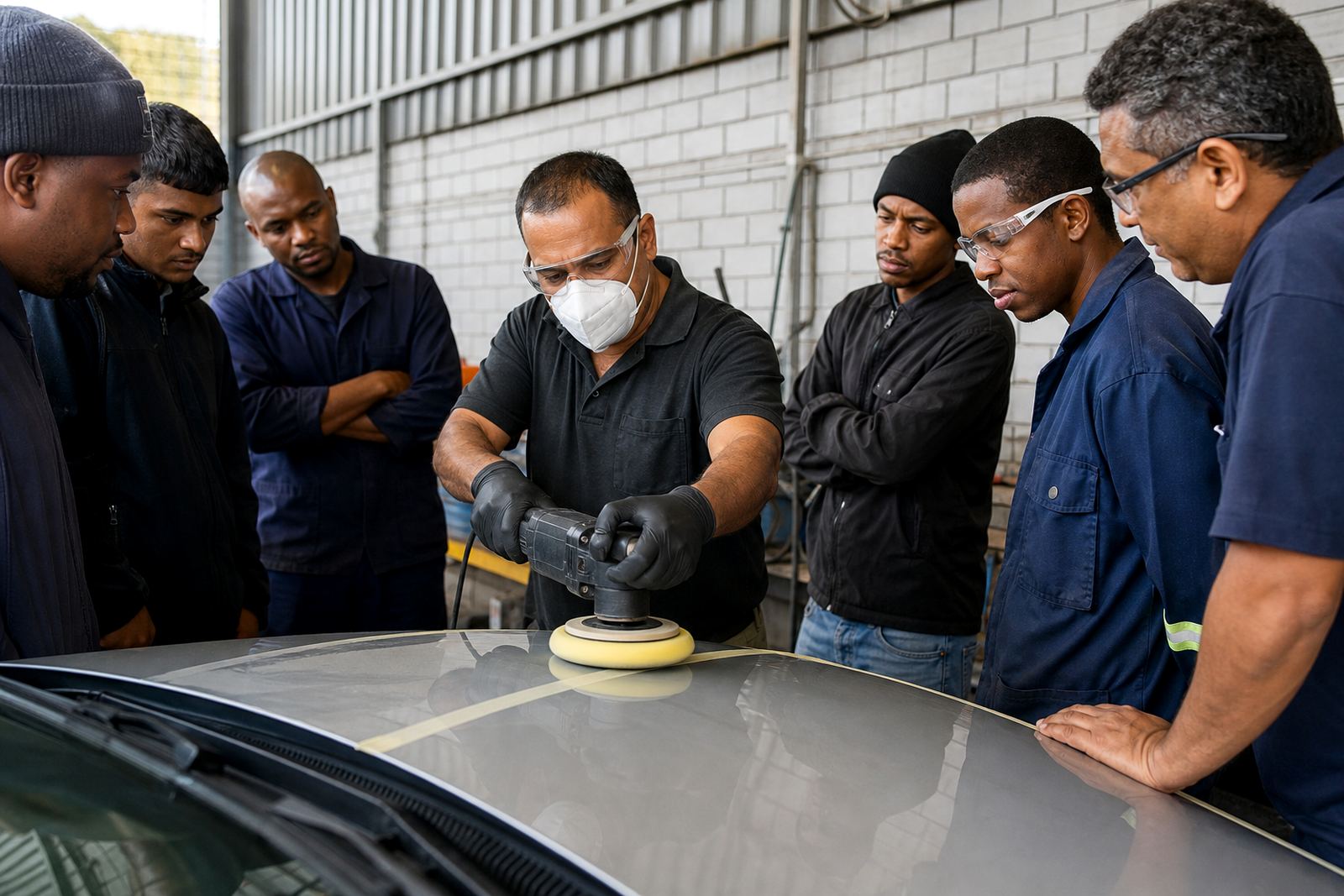
Good machine care includes safety. We always encourage PPE, proper eye protection and dust control, especially when working on metal where fine particles can move easily into the air. A respirator suitable for polishing dust, close-fitting gloves where appropriate and a tidy work area all help reduce risk. Machines should never be cleaned while plugged in, and any inspection around the spindle, backing plate or pad holder must be done with the unit switched off and unplugged.
We also cover practical workshop habits that support safe use. Keep cables away from wet floors, do not store machines where they can pick up moisture overnight and avoid running a machine with a damaged pad or a loose accessory. If a unit has been dropped or overheats quickly, stop using it and have it checked before the next job. In a busy South African workshop, small shortcuts often become bigger repairs later on, so the aim is to build habits that protect both the machine and the operator.
- Use suitable PPE for dust and residue
- Unplug before cleaning or inspection
- Keep machines dry and off the floor
- Stop use if vibration, noise or heat changes suddenly
- Replace unsafe accessories without delay
Pricing approach and what affects the quote
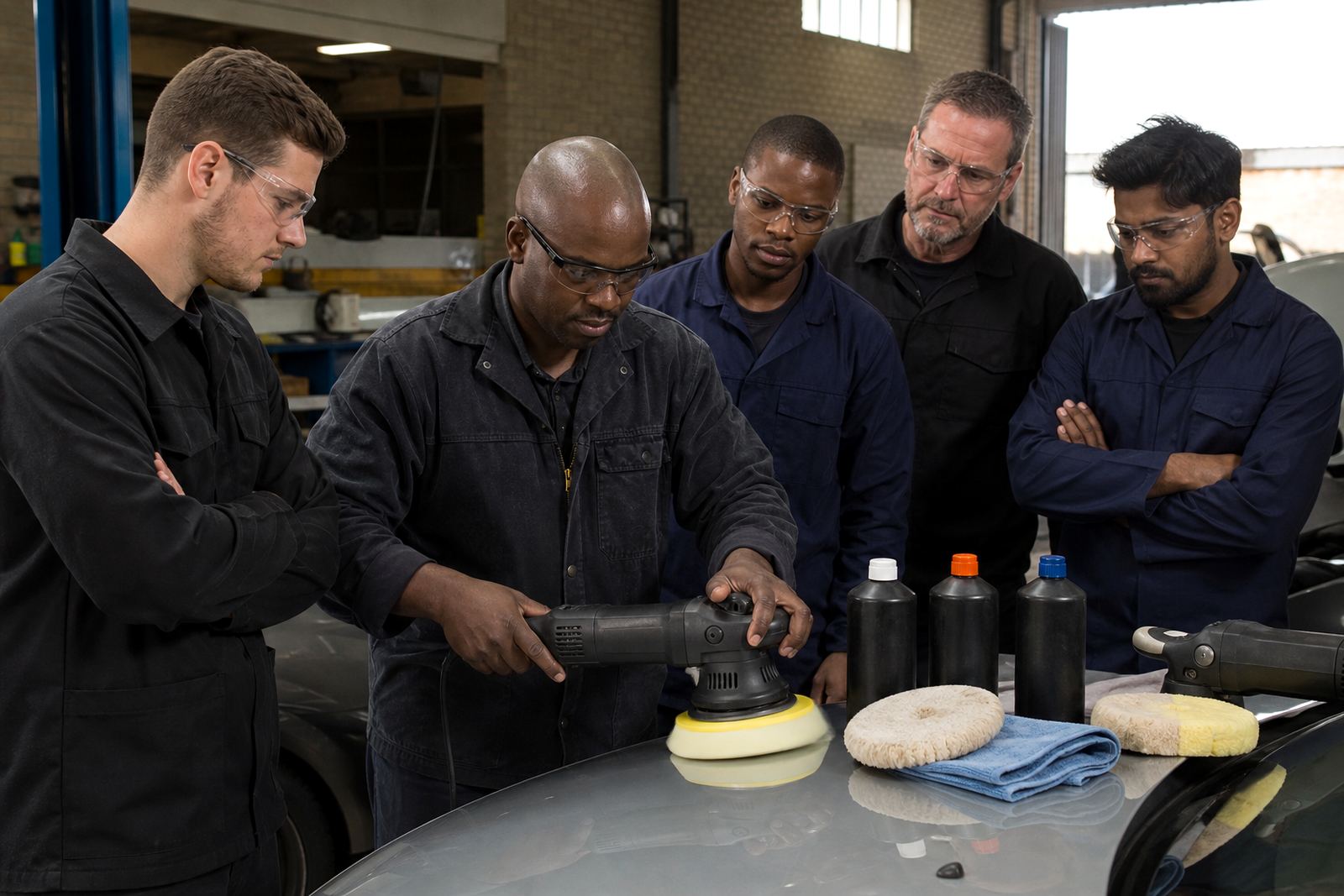
Pricing for machine care guidance is based on the support needed, not on a one-size-fits-all fee. A simple care walk-through for one machine is different from a full workshop review covering several polishers, pads and compounds. The final quote depends on the number of machines, whether the work is done in person or as part of a broader training session and how much technical guidance is required for the team.
We keep our pricing approach practical and clear. If the need is limited to basic maintenance guidance, the scope stays focused. If the brief includes starter kit advice, consumable planning or team demonstration, the service is adjusted to suit. Clients can ask about support for Germiston supply, East Rand supply, Johannesburg supply, Pretoria supply, Cape Town supply, Durban supply, Bloemfontein supply and the Vaal Triangle. The same careful approach applies across all areas, with advice matched to the local environment and workload.
Founded in 1996, Polisher supports users who want their equipment to last longer and perform consistently. From a single machine in a home garage to a small fleet in a workshop, the focus stays on sensible care, clean working habits and equipment that is ready when needed.
Key facts
| Service type | Machine care guidance for rotary and dual-action polishers |
|---|---|
| Covered equipment | Polishers, backing plates, pads, compound containers and accessories |
| Core topics | Cleaning routines, wear checks, storage, careful handling and service intervals |
| Recommended intervals | After each use, weekly checks and monthly inspection for regular users |
| Support areas | Germiston, Johannesburg, Pretoria, Cape Town, Durban, Bloemfontein, East Rand and Vaal Triangle |
| Safety focus | PPE, dust control, unplug before cleaning, moisture control and safe storage |