What the workshop needed in Boksburg
The brief came from a busy panel shop in Boksburg working on passenger vehicles and light commercial units. The repair work was sound, but the final finish needed more refinement on repaired doors, bumpers and quarter panels where sanding marks, slight haze and compound trails were still showing in certain light.
The team also wanted a process that could be repeated by different operators without chasing swirl marks all afternoon. With municipal water restrictions and dust in the area, they needed a method that kept residue under control and did not rely on excessive product use.
- Vehicle type: repaired passenger vehicles and bakkies
- Work area: panel shop finishing bay in Boksburg
- Main issue: gloss inconsistency after sanding and repainting
- Extra concern: dust control and repeatable finish quality
Machines, pads and compounds selected
For this job we set up a mix of rotary and dual-action polishers because each machine has a different purpose. Rotary polishers are useful for heavier correction on cured paint, tougher oxidation and mark removal on metal or painted panels, while dual-action polishers are better for refining gloss and reducing the risk of fresh holograms on flatter paintwork. The workshop needed both, not just one or the other.
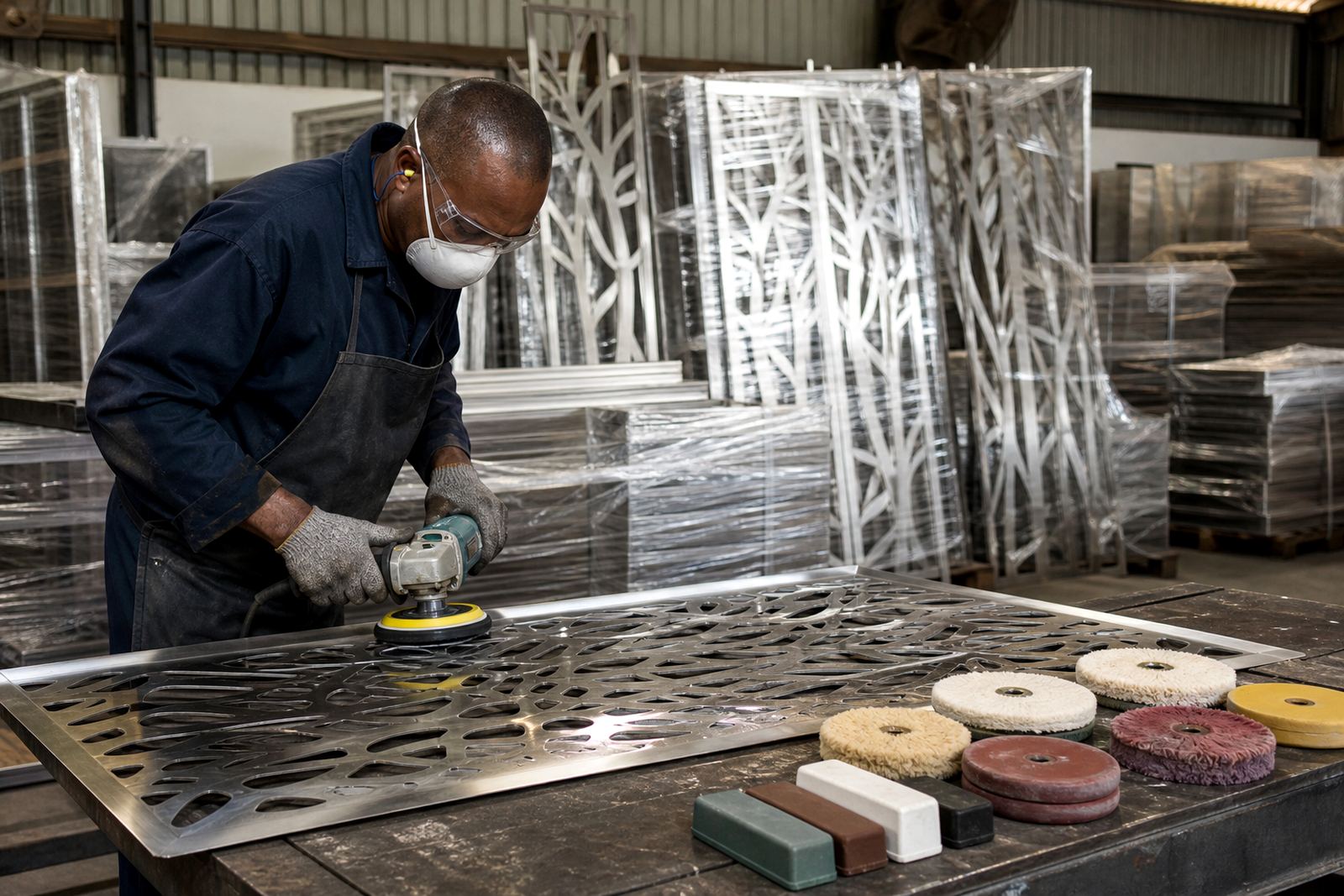
We supplied foam finishing pads, medium-cut pads and wool or microfibre options for the more marked sections. Compounds were matched to the condition of the surface, starting with a stronger cut on test spots and moving down to a finer finishing polish once the defects were reduced. On edges and curves, we kept speeds lower and used careful pressure to avoid burning through edges or generating too much heat.
- Rotary machine for correction on harder sections
- Dual-action machine for final refinement and safer finishing
- Cutting pad for defect removal on cured paint
- Finishing pad for gloss and clarity
- Compound progression from medium cut to fine finish
How we approached the finish
We started with a lighting check in the bay so the team could see swirl marks, sanding lines and patchy gloss before polishing began. The first step was a small test area on one repaired panel to confirm pad, compound and machine speed. That let us set a process before the team moved across the rest of the vehicle.
The polishing sequence was kept practical. First we cleaned the panel, then marked sensitive edges, then did a controlled correction pass. After that, the surface was wiped down so the team could inspect the gloss under workshop lights and in daylight near the bay entrance. A second-stage finishing pass was done where needed, especially on blend areas and curved body lines. We also covered dust-safe habits, using clean towels, panel wipes and PPE so no one was breathing unnecessary residue during the session.
- Panel wash and decontamination before polishing
- Test spot to confirm the working combination
- Controlled machine movement, keeping overlap consistent
- Edge awareness on sharp lines and badges
- Final wipe-down and inspection under strong light
Training the repair team during the job
This was not just a supply run. The workshop asked for practical training so the staff could repeat the process without wasting pads or overworking one section. We ran a short skills session on rotary handling, DA movement, pad cleaning and compound choice. The aim was to help the team understand when to use each tool, and when to stop polishing instead of pushing too hard.
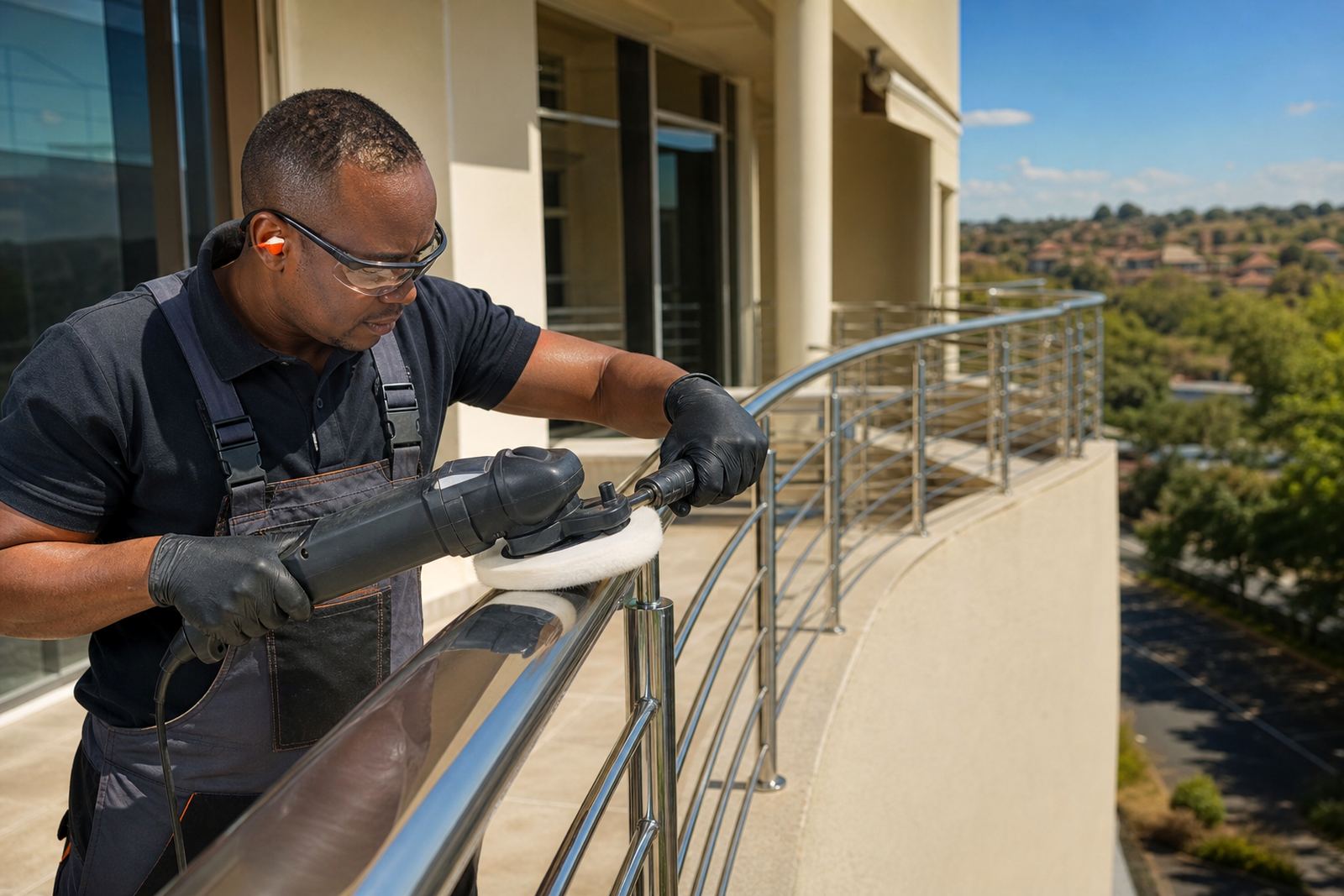
We also covered safety and PPE. Good practice includes gloves where needed, eye protection, a dust mask or respirator suitable for fine particles, and keeping loose clothing away from moving pads. Pads can grab on sharp edges, and a heavy hand can create heat fast, especially on freshly painted surfaces that have not fully cured. The team appreciated the reminders because a clean finish is not only about gloss, it is also about control and patience.
- Rotary technique for controlled correction
- DA technique for finishing and reducing haze
- Pad cleaning between sections to limit caking
- Safe working habits around edges, trims and body lines
- PPE briefing for dust, splatter and machine handling
Timeline, support and supply details
The project ran over two weeks from initial enquiry to follow-up support. In the first week we confirmed the finish problem, selected the polishing setup and supplied the starter mix of machines, pads and compounds. The second week covered hands-on use, fine tuning and restocking guidance so the workshop could finish the current work and keep enough consumables on hand for the next vehicle.
Because the workshop handles a steady stream of jobs, we kept the advice practical for stock control and workshop rhythm. That included how to store pads cleanly, when to replace worn backing plates, and how to keep compounds sealed in a hot Gauteng workshop. We also discussed simple machine care after use, since dust and residue build-up shortens machine life if it is ignored.
- Week 1: assessment, product selection and supply
- Week 2: training, finishing support and follow-up
- Consumables advice for pads, compounds and wipe-down cloths
- Machine care guidance for daily workshop use
Result on the repaired panels
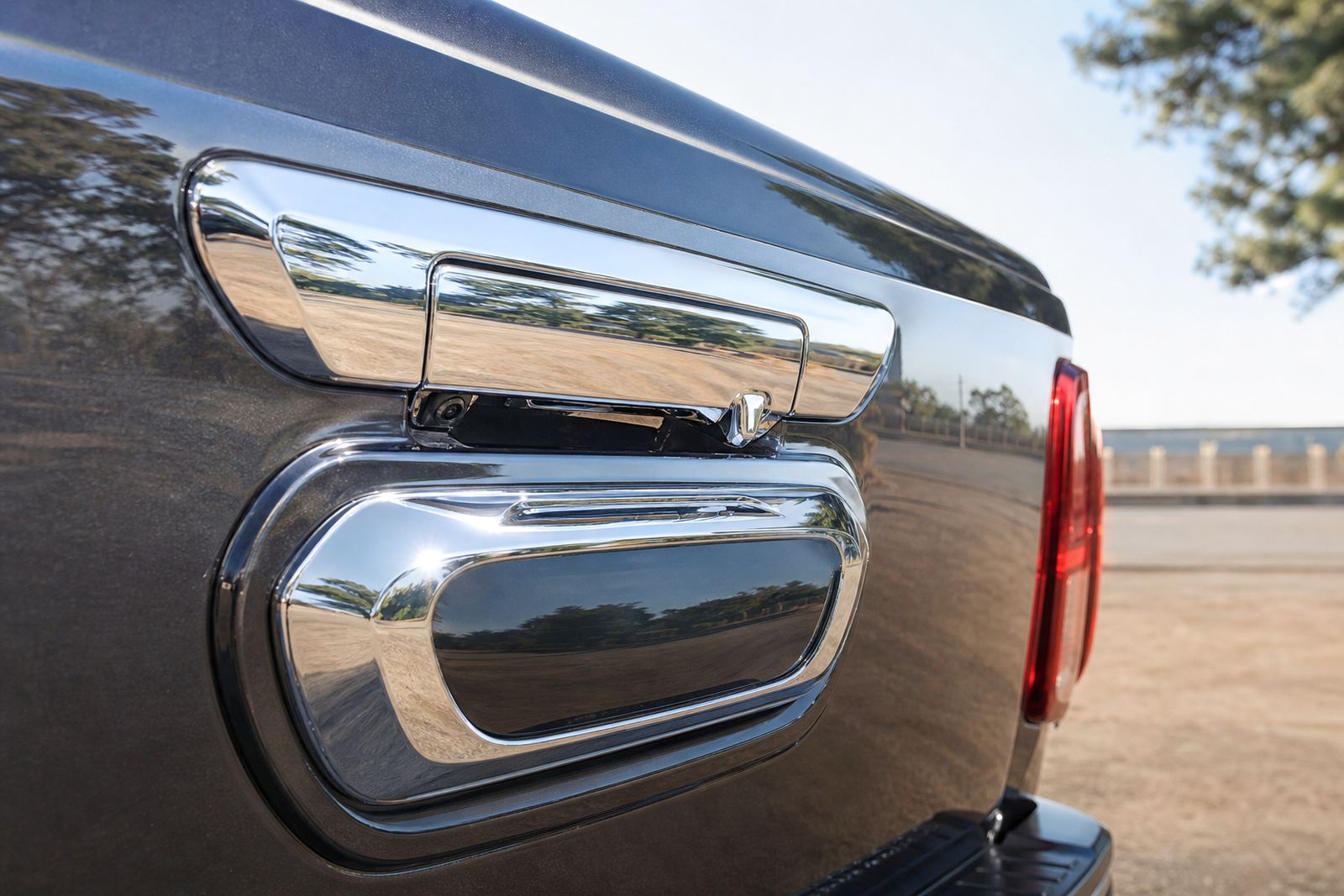
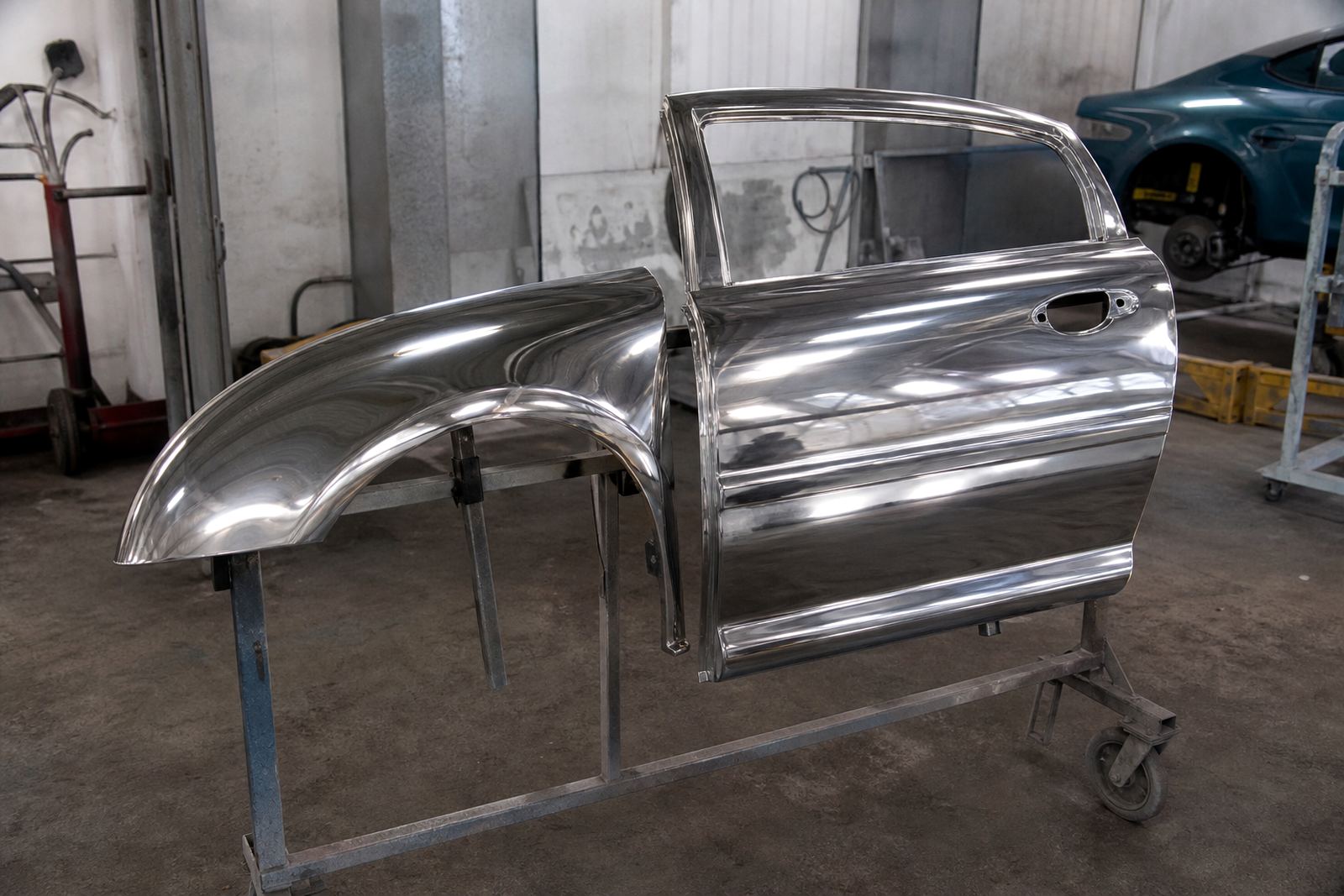
By the end of the job, the workshop had a clearer and more consistent gloss across the repaired panels, with less haze in the reflected light and better blending between correction areas. The team could see the difference on the bonnet, doors and bumper sections where the finish had previously looked uneven after panel work. It was not about making the paint look overworked, but about getting a clean, even result that matched the rest of the vehicle.
What mattered most to the client was repeatability. The same process could now be applied to future jobs without guesswork, which saves time and keeps the standard steady from one operator to the next. If we were doing this job again, we would set up the same test spot first, use the same two-stage polish approach, and keep a close eye on edge temperature and product build-up. That approach works well in Boksburg and it travels well to other workshop conditions too.
- Improved gloss and clarity after body repair work
- Less visible haze under inspection lights
- More repeatable process for different operators
- Better control around edges and blend zones
Key facts
| Project location | Boksburg, Gauteng |
|---|---|
| Client type | Local repair workshop |
| Project duration | 2 weeks |
| Machines used | Rotary and dual-action polishers |
| Materials supplied | Pads, compounds and finishing consumables |
| Focus area | Refined gloss after panel work and repainting |