Project Brief From A Bloemfontein Workshop
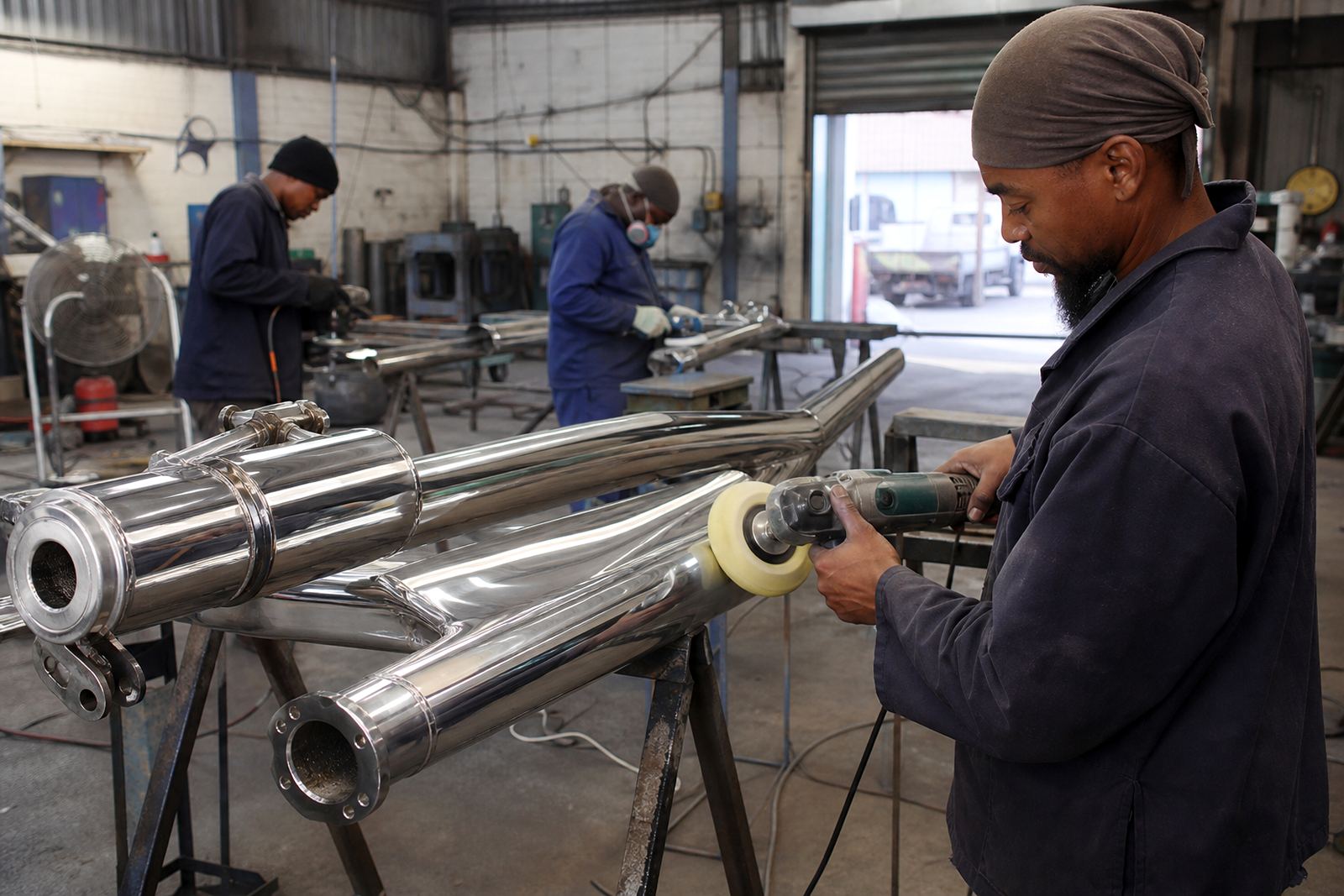
The customer was a metal workshop in Bloemfontein working on fabricated parts that needed a cleaner, more even finish before dispatch. Their team could already buff, but the results were inconsistent from one operator to the next, which meant extra rework and a finish that looked different depending on the part size and edge detail.
The brief was straightforward: improve consistency, reduce marking, and set up a repeatable process that could be used on mild steel parts after fabrication and surface prep. We treated it as a practical workshop job rather than a high polish showpiece, because the aim was a cleaner working finish that would hold up in daily use.
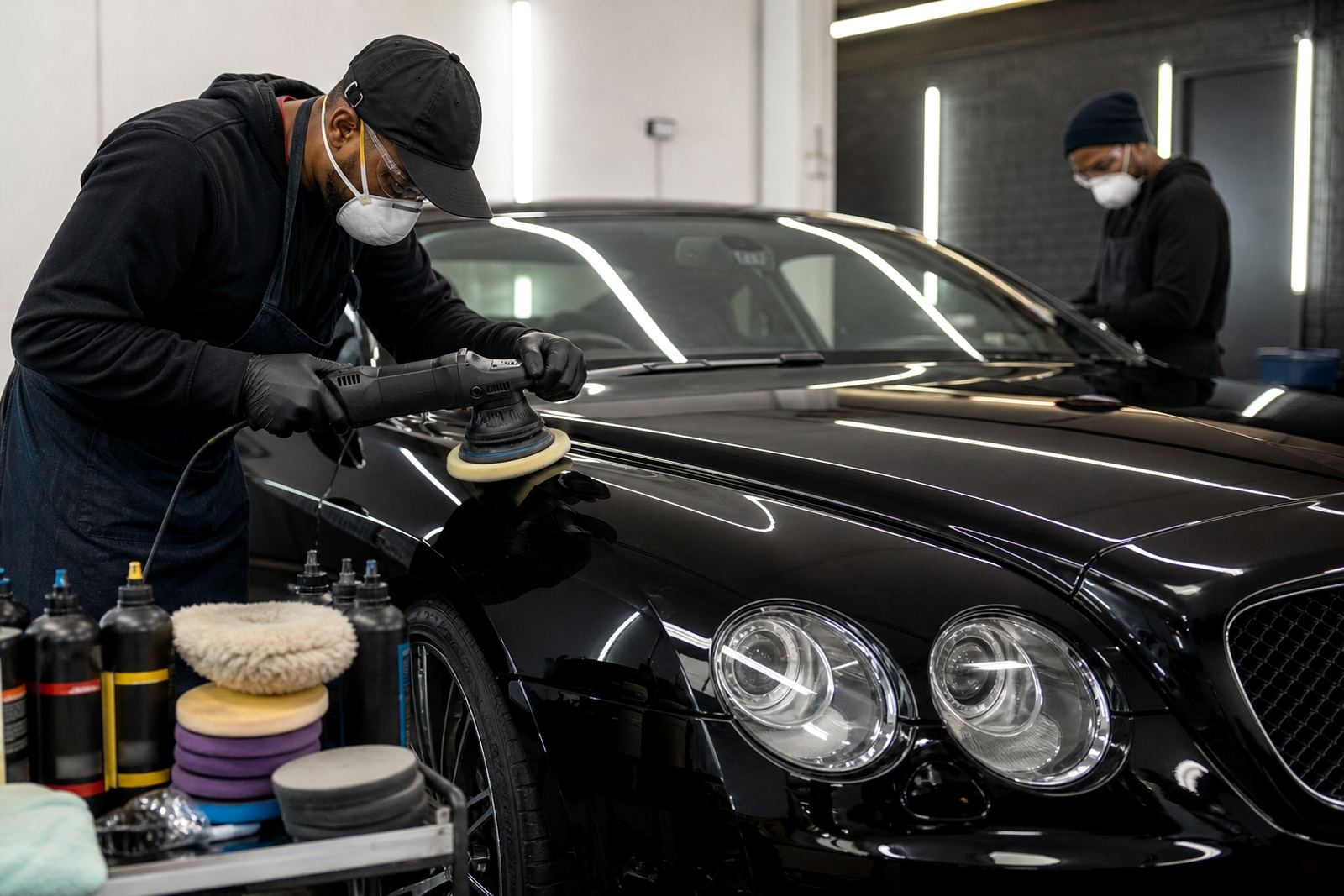
They also wanted guidance on safe handling. Buffing throws fine compound dust, and once the wheel loads up too much it can catch an edge or smear a surface. For a workshop in the Free State, where dust and dry air can be an issue, good cleanup and PPE matter just as much as the machine itself.
What The Workshop Needed To Fix
The main problems were uneven cutting, visible swirl marks and patchy gloss on flat sections and corners. Different operators were using different pad pressure, different wheel speeds and too much compound, so the finish changed from batch to batch. Some parts were also being handled too soon after buffing, which marked the surface again.
We identified a few practical constraints:
- Parts had mixed geometry, including flat panels, folded edges and small welded details.
- The shop needed a process that could be taught quickly to more than one operator.
- Work had to continue around normal fabrication jobs, so the method needed to be simple and fast to repeat.
- The team wanted better dust control and a clearer PPE routine for gloves, eye protection and respiratory protection where needed.
We also checked how the workspace was set up. Good airflow, a stable bench area and safe placement of the machine make a big difference when you are working with rotating equipment. On a busy floor, a loose cable or cluttered bench can create more risk than the buffing itself.
Buffers, Pads And Compound Matching
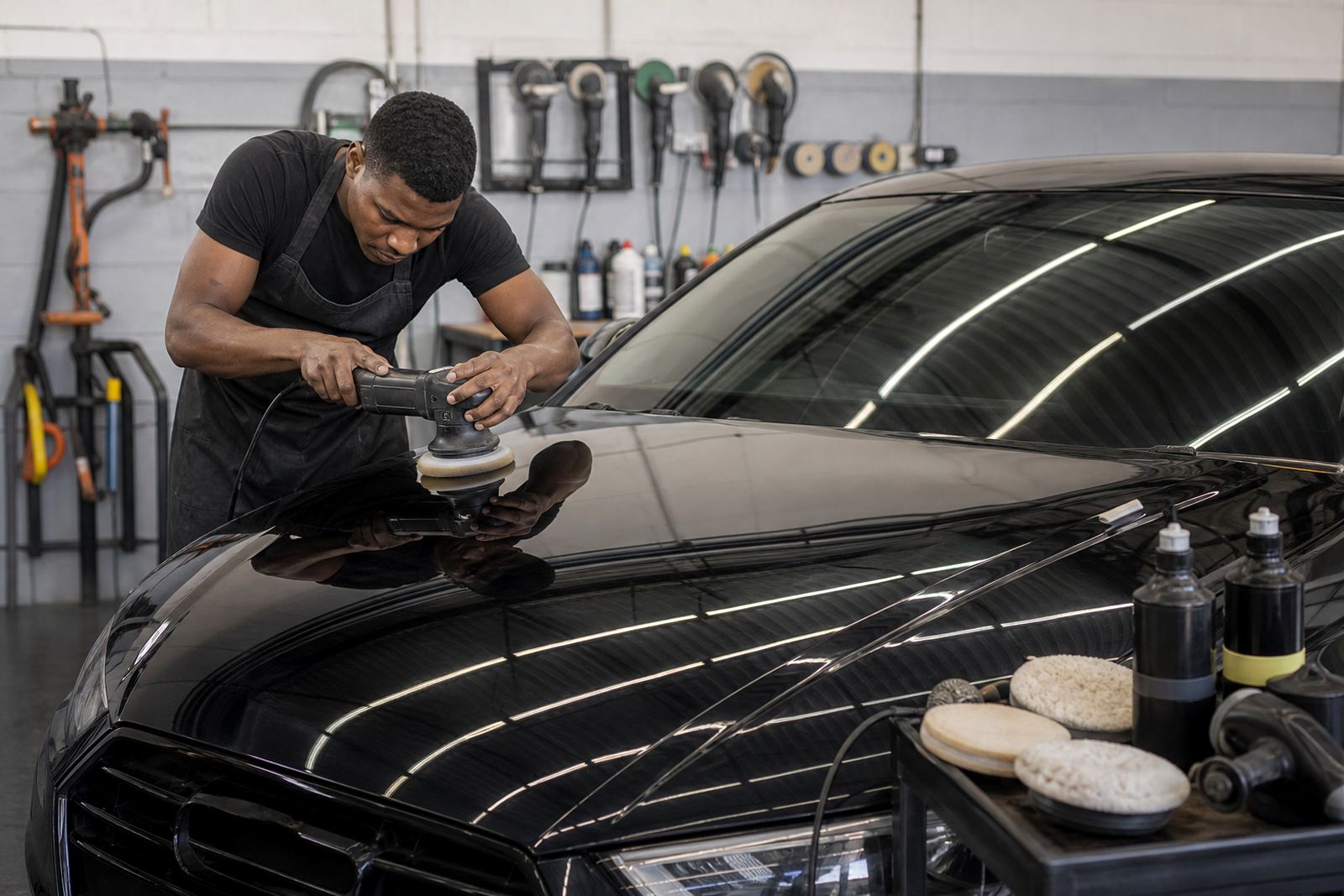
For this job we matched the buffing setup to the type of metal and the finish target. Rotary polishers are best when you need strong cutting action and controlled pressure on a fixed area, while dual-action machines are useful for lighter correction and a lower risk of overworking the surface. In a workshop setting the right choice depends on the part, the operator and the finish stage.
We supplied a practical combination of buffing wheels, compounds and support items for repeat work on fabricated parts. The set included coarse and finer cutting stages, plus finishing options for the last pass. We also supplied starter guidance for pad and compound matching so the team could keep the process consistent after the initial job.
- Cutting wheels for removing light oxidation and fabrication haze
- Medium buffs for levelling the finish between stages
- Finishing pads for a more even final appearance
- Compounds suited to metal finishing rather than paint correction
- Cleaning cloths and basic care items for wheel maintenance
The key was not to overcomplicate it. A good buffing result comes from controlled passes, a clean wheel and the right compound loaded in small amounts. Too much compound only clogs the wheel and hides the actual finish being produced.
Two-Week Setup, Training And Onsite Support
The job was completed over two weeks. In the first week we reviewed the shop setup, the parts being worked on and the surface preparation sequence. We then demonstrated the difference between a rotary approach and a dual-action approach, because each has a place in metal finishing and the team needed to know when to use each one.
In the second week we focused on hands-on technique. That included wheel angle, pad pressure, overlap between passes, edge caution and how to stop before heat build-up became a problem. We also covered the housekeeping side, which is easy to overlook but important: clean wheels, tidy storage for compounds and a proper routine for dust removal at the end of the shift.
- Beginner Polishing Training for the team members who were new to machine finishing
- Rotary Skills Session for heavier cutting and edge control
- Metal Buffing Training for repeatable finishing on fabricated parts
- Safety And PPE Briefing with eye, hand and respiratory protection guidance
We kept the sessions practical. The team worked on their own parts while we corrected technique as they went, so the learning happened on the actual job not on a separate test piece.
Results On The Finished Parts
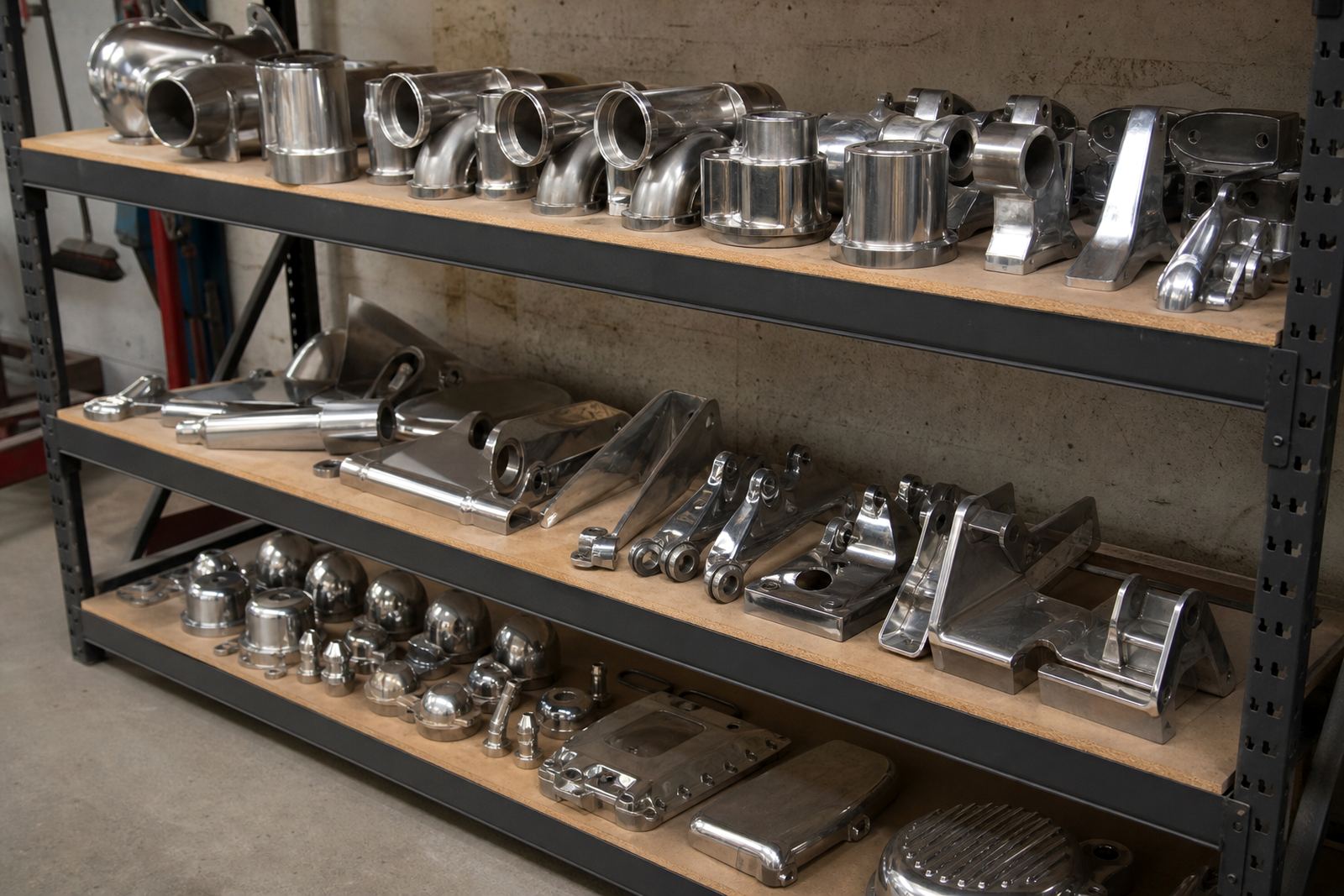
By the end of the job the workshop had a more even sheen across the parts and a clearer method for moving from cut to finish. The main improvement was consistency. Different operators were able to produce a similar result, which meant less sorting, less rework and a better match between batches.
The surface marking was reduced and the finish looked more controlled around corners and welded areas. The team also picked up a better feel for how much pressure to use. That matters a lot in buffing because pressing harder does not automatically give a better shine, it often just heats the metal and shortens wheel life.
The customer wanted a process they could continue using without needing constant outside input. That is exactly what we aim for on this kind of job: give the workshop a workable method, the right consumables and enough understanding to keep the finish steady from one day to the next.
What We Would Repeat On Site
If we were doing the same project again, we would follow the same sequence: assess the part, confirm the surface prep, match the compound to the stage and then train the operators on pressure and speed before full production starts. That simple order saves time and avoids chasing a bad finish after the fact.
We would also keep the safety conversation upfront. Buffing generates dust and splatter, and a workshop that handles PPE properly usually gets a cleaner result too. The other thing we would repeat is the check on machine care. A clean machine with the correct wheel fitment and a sensible work area is easier to use and safer as well.
For workshops in Bloemfontein and across South Africa, this sort of support is often the difference between a finish that looks acceptable and one that looks consistent from part to part. That consistency is what makes the work easier to quote, easier to repeat and easier to hand over to another operator when needed.
Use This Approach For Your Own Workshop
Whether the job involves mild steel, fabricated frames or parts that need a cleaner presentation before coating or fitting, the basics stay the same: match the machine to the task, keep the wheel clean and use the compound in controlled amounts. A good buffing setup does not need to be complicated, but it does need to be disciplined.
If your team is working in Germiston, Bloemfontein or anywhere else in South Africa, we can help with polishers, buffs, compounds and practical training for metal finishing. We also assist with starter kit consultation, pad and compound matching, workshop setup advice and consumables restocking through the enquiry form on our contact page.
Key facts
| Project type | Metal buffing for fabricated parts |
|---|---|
| Town | Bloemfontein, Free State |
| Duration | 2 weeks |
| Equipment focus | Rotary and dual-action polishing methods |
| Consumables | Buffs, compounds, cleaning cloths and care items |
| Support included | Training, setup advice and safety briefing |